Discover the North East's New Watch House Coast Trail
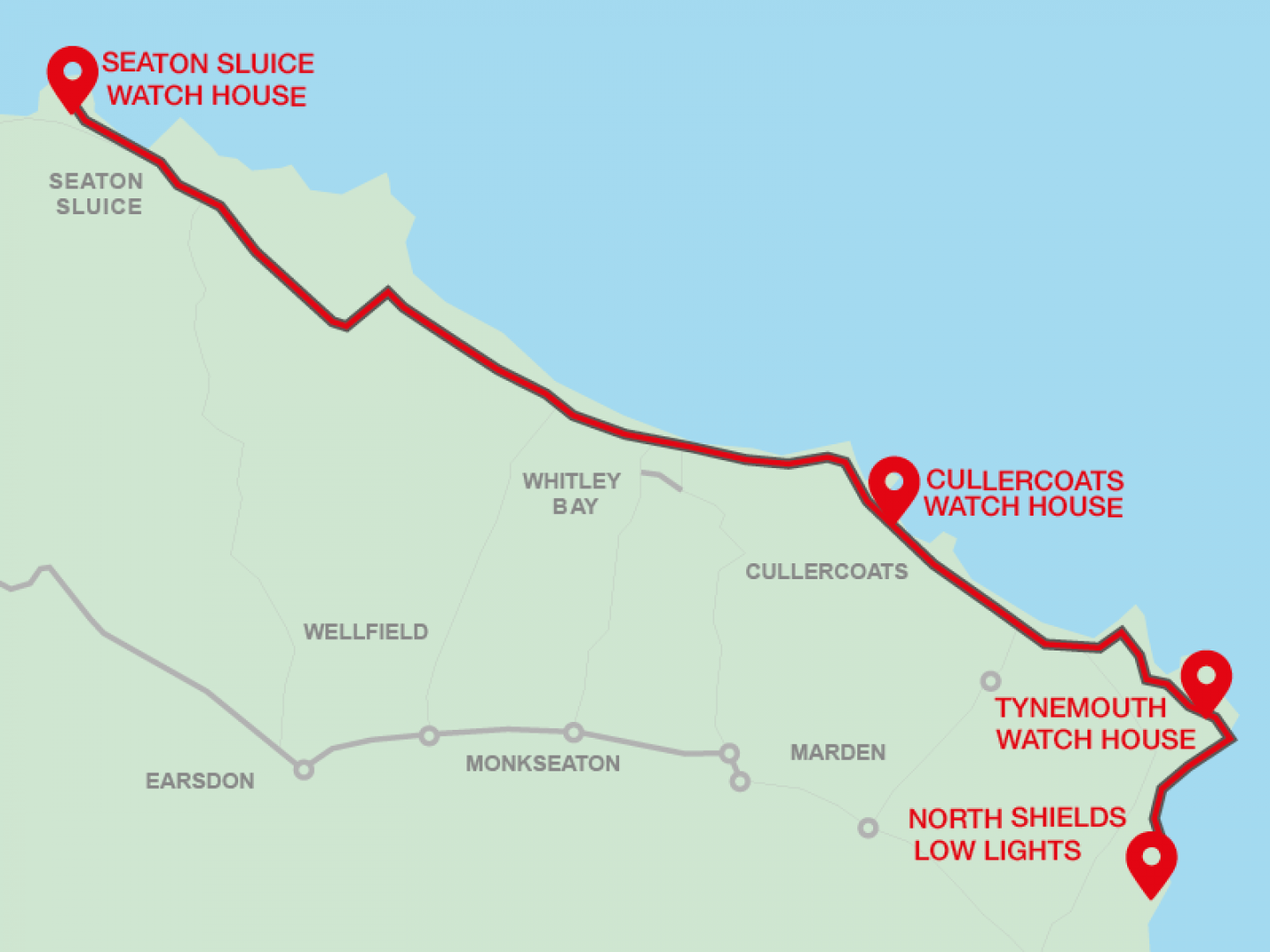
The Watch House Trail is the North East's newest walking route, just in time for summer, linking four historic watch houses between Seaton Sluice and North Shields


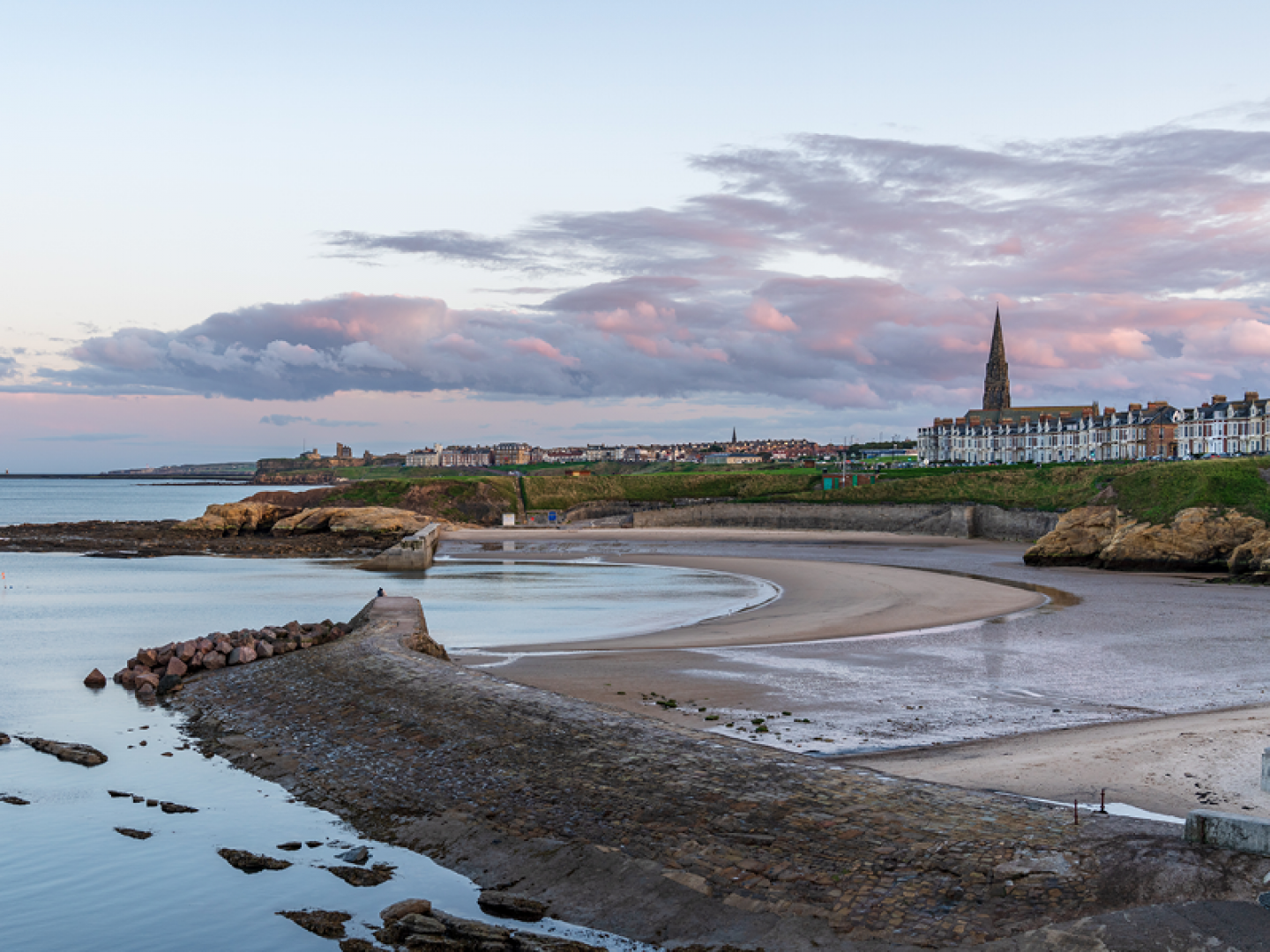
This has been a big year for trails in the North, including the new designation of the Coast to Coast Path as a National Trail and the 20th anniversary of St Oswald’s Way, and in a quiet corner of the North East a brand new 12-kilometre trail has just launched, celebrating our fascinating maritime history. Connecting the route are four distinctive and historic watch houses at Seaton Sluice, Cullercoats, Tynemouth and North Shields. Volunteer Alicia Ward tells us more about their local significance.
Watch houses are a common feature along the UK coastline, cropping up in treacherous areas where boats were most at risk, and operated by teams who took it upon themselves to rescue sailors in distress. ‘The reason why our watch houses were so important was this was one of the busiest shipping areas in the UK, and there were a massive amount of shipwrecks and deaths at sea,’ Alicia explains. ‘Cullercoats and Tynemouth were the first two voluntary life brigades in the country.’
Part of the inspiration behind launching the new trail was to preserve and protect the history of the watch houses, and although they all had similar origins, Alicia emphasises that each building is entirely unique. ‘I realised that once they stopped being watch houses, there’s a very mixed picture of what has happened to them – whether they survived, whether they were looked after, and who looks after them,’ Alicia explains. By encouraging people on to the new trail, Alicia hopes that more will visit the watch houses. ‘They get very little public funding, they have to fundraise to survive, and they need to do something with the buildings, because the buildings won’t survive if they don’t have a purpose.’
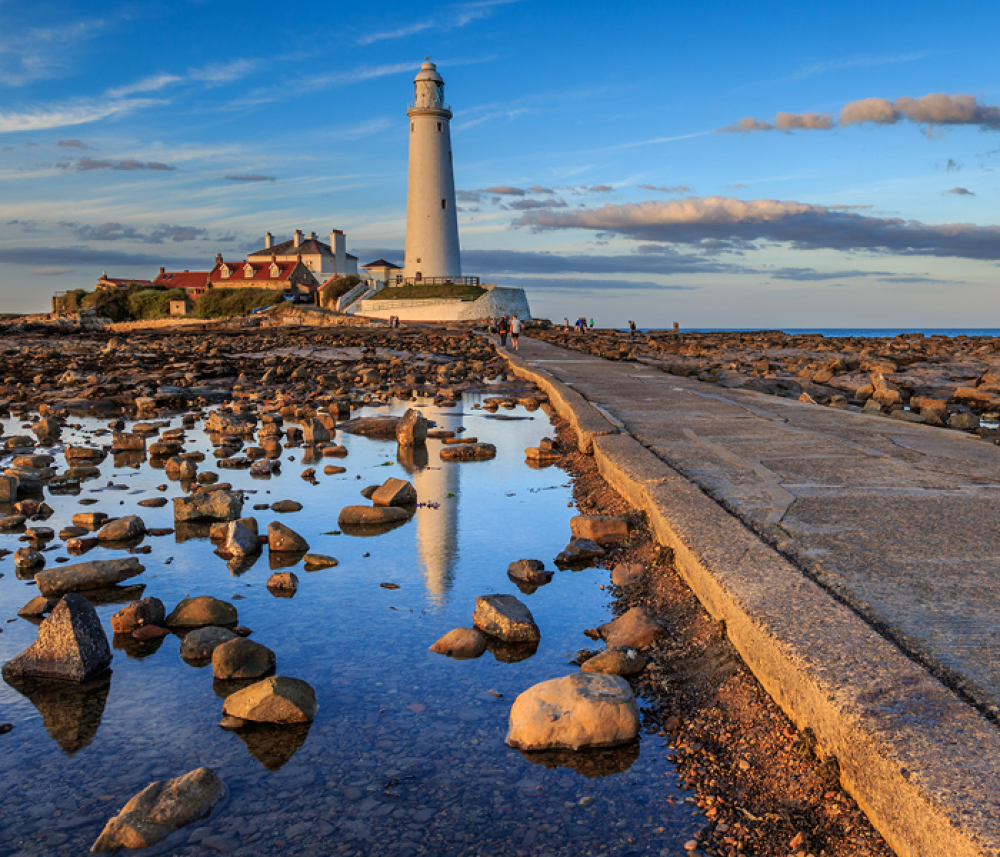
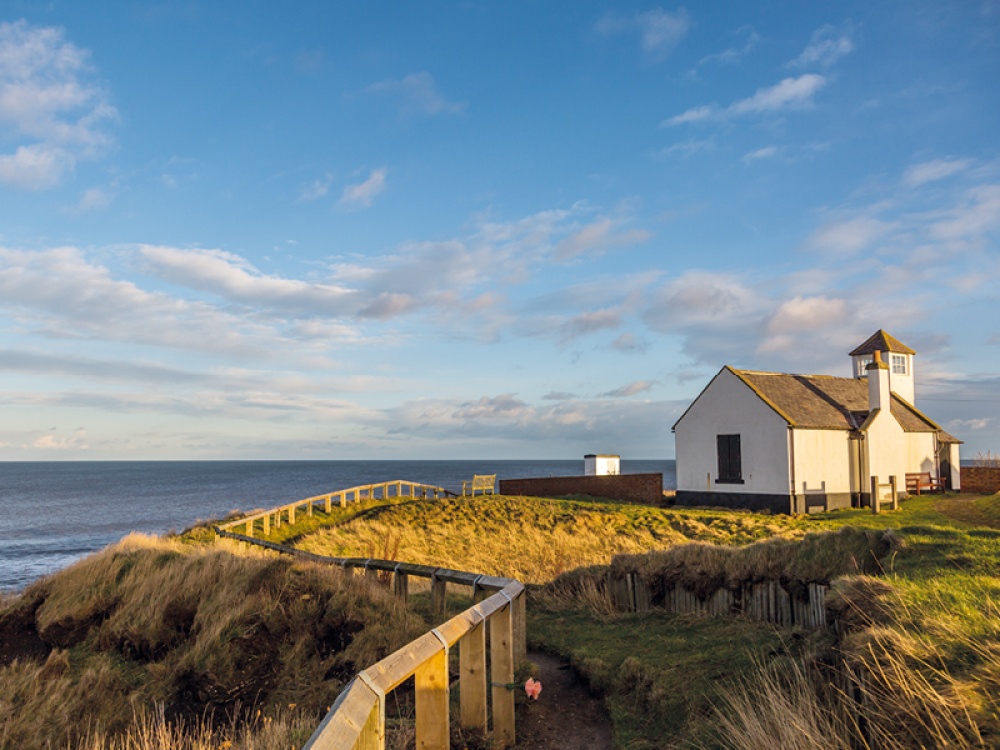
The trail can be completed in either direction, beginning or ending at Seaton Sluice which has the smallest of the four watch houses. Originally opening in 1880 and built for the Seaton Sluice Volunteer Life-Saving Company, the Grade II-listed building can be found on Rocky Island, and like each of the watch houses has lived many lives since it first opened. It became an auxiliary coastguard station and is now home to a small museum currently run by the Seaton Sluice & Old Hartley Local History Society, celebrating its maritime heritage, including details and artefacts from sea rescues, including that of the California in 1913.
From Seaton Sluice, the trail heads south along Blyth Road past the iconic St Mary’s Lighthouse, and continues along The Links, running parallel with Whitley Bay Beach and passing the famous white dome of Spanish City along the way. Sticking to the coast, walkers will pass Brown’s Point before reaching Cullercoats watch house at the crest of Cullercoats Bay.
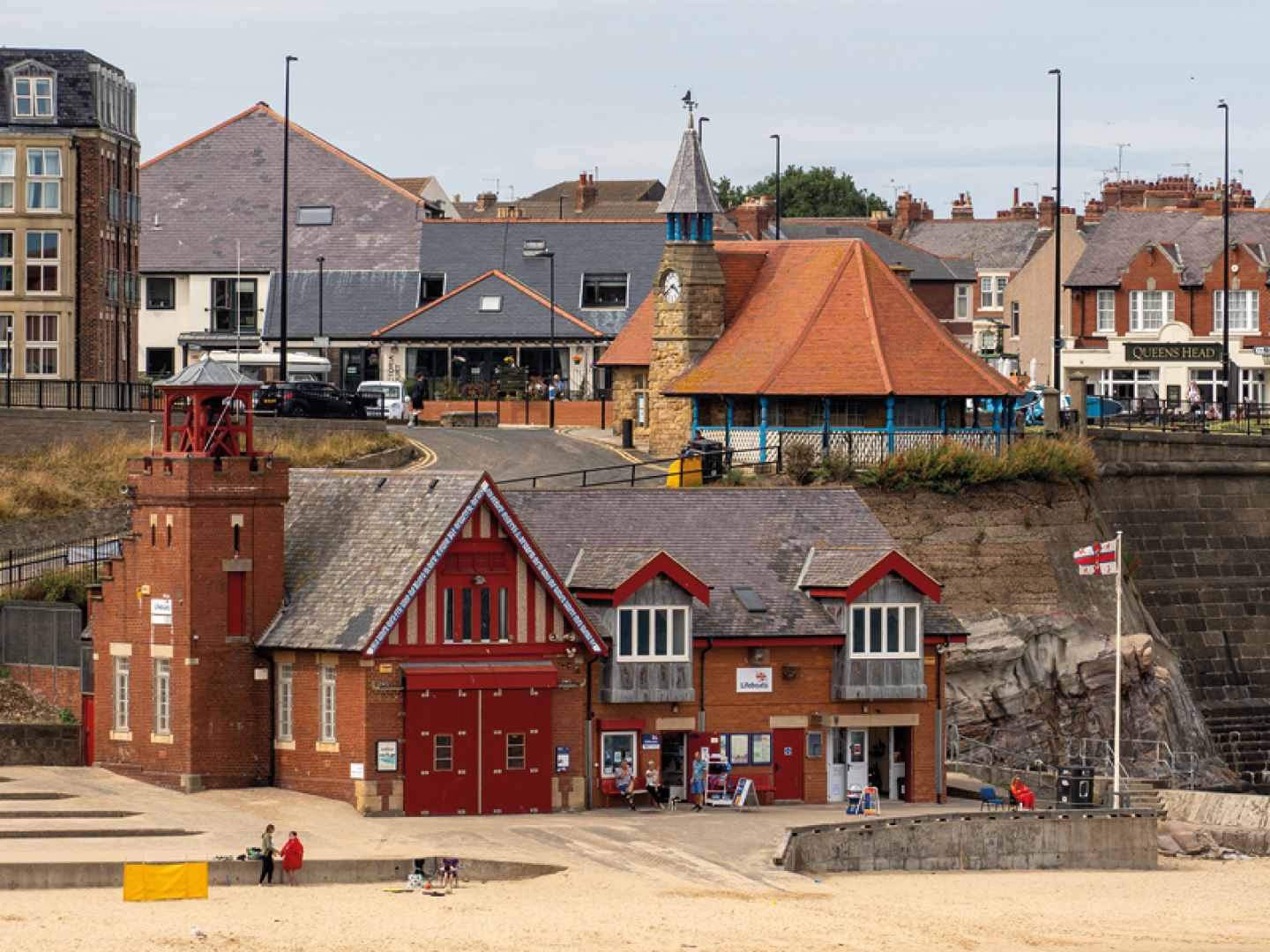
Though it differs in architecture to the one at Seaton Sluice, Cullercoats watch house is also a Grade II-listed building and was built to help save those in distress at sea. In more recent times the building, which sits besides the RNLI Cullercoats Lifeboat Station and can be identified by its clocktower, fell out of use. It fell into a state of disrepair but was saved by a community fundraising effort. One of the most interesting chapters in its life was in the late 1800s, when popular American painter Winslow Homer came to stay. ‘He stayed in Cullercoats for 18 months and famously painted the watch house,’ says Alicia. Homer produced many paintings in this time depicting the life of the local community on the North East coast. ‘I’ve been told by The Metropolitan Museum of Art in New York, which has a significant collection of Homer’s paintings, that our watch house is the last standing building [from] his paintings.’
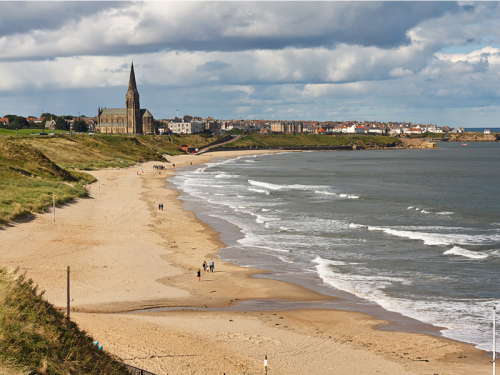
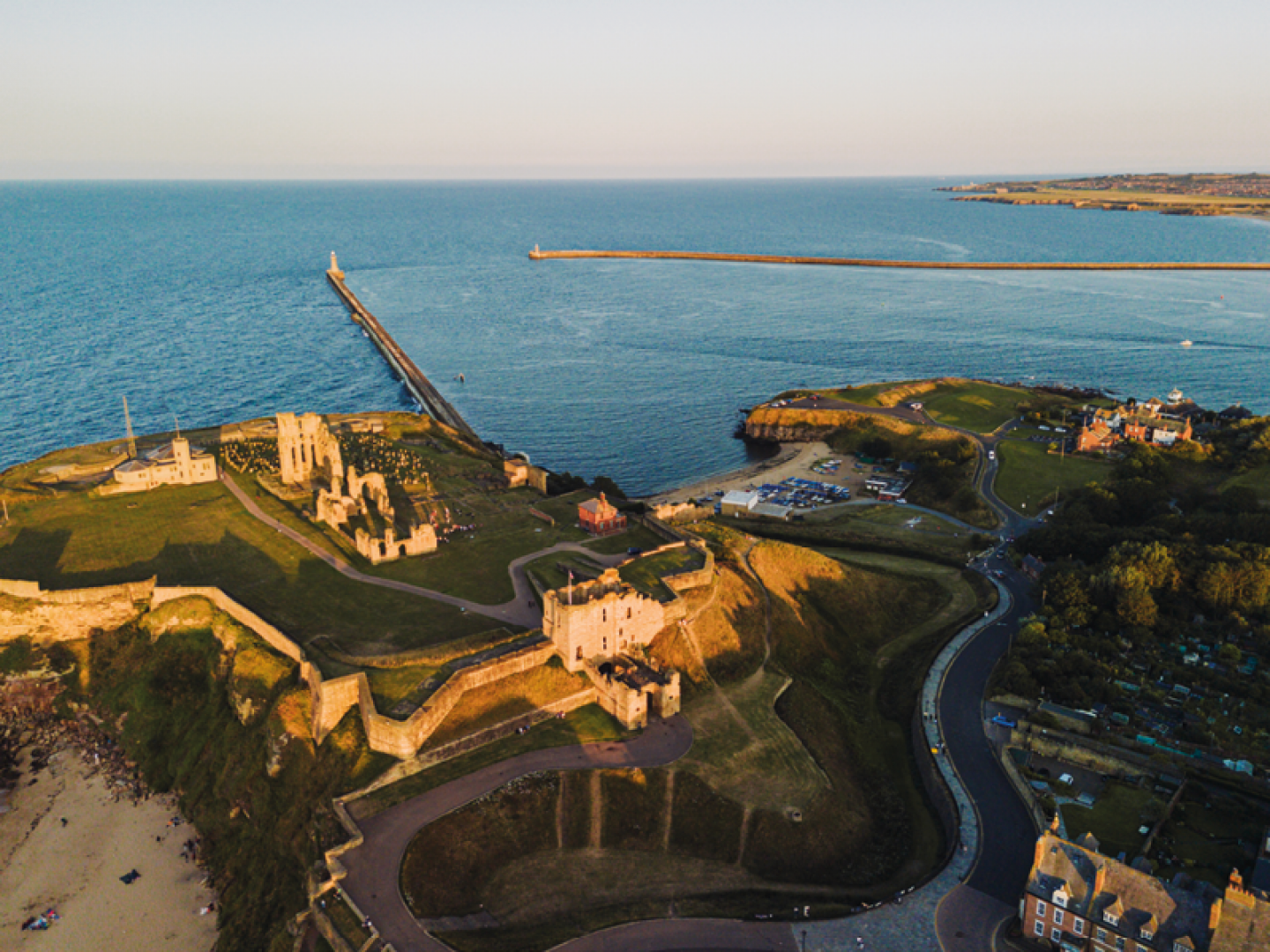
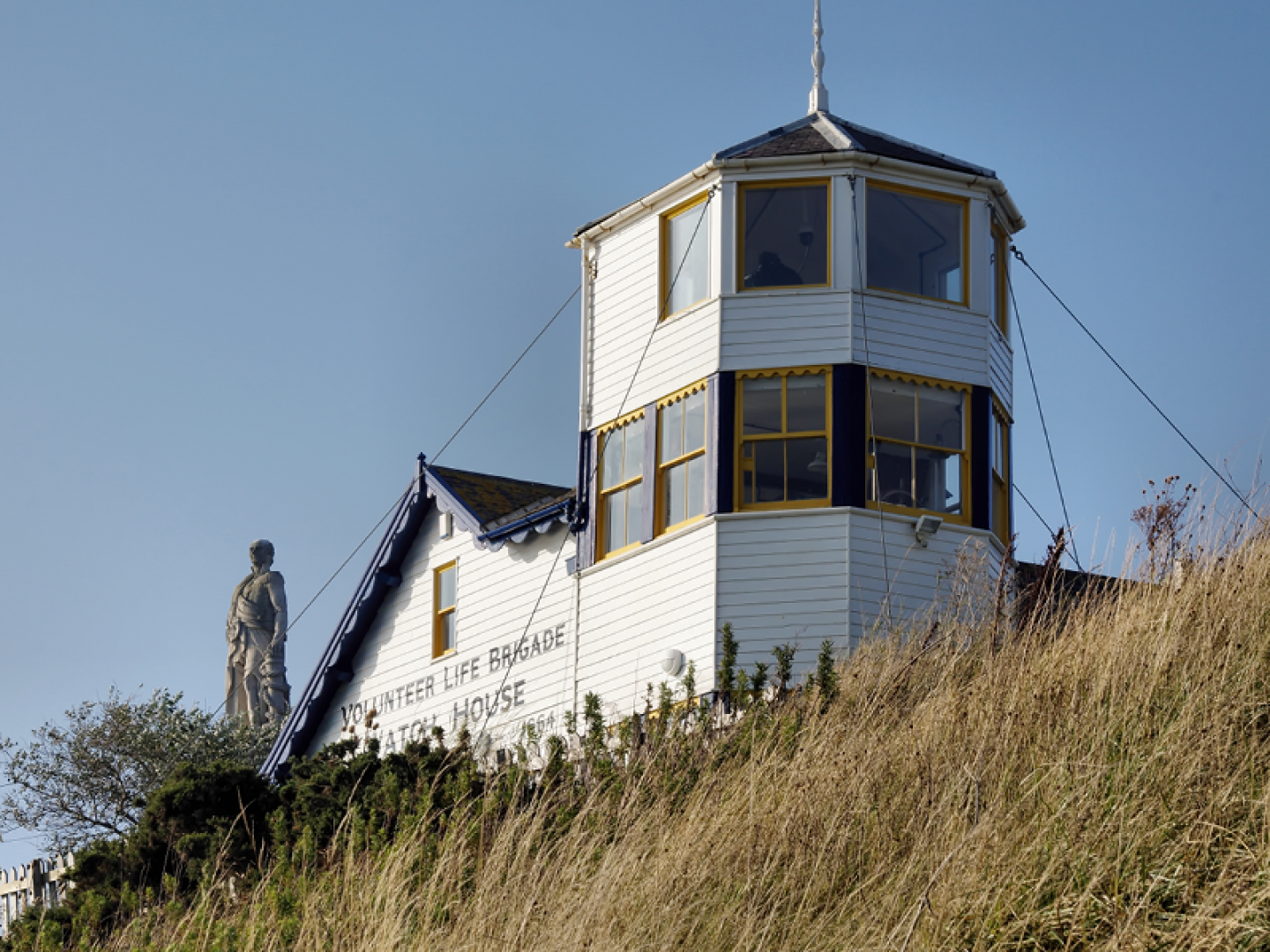
The trail continues on, following the stretch of Longsands Beach and on past King Edward’s Bay and Tynemouth Priory, which stands so proudly on the cliffs at the southern end of the bay. Tynemouth watch house is at the end of Pier Road, near the Collingwood Monument. Dating back to 1864, and now part museum, The Tynemouth Volunteer Life Brigade Watch House Museum is home to a special collection of artefacts from across its history. Unlike the other watch houses, it is also still used for its original purpose by the Tynemouth Volunteer Life Brigade. Below the building lies the Black Middens, a notoriously treacherous rocky reef at the mouth of the river which remains a hazard to sailors.
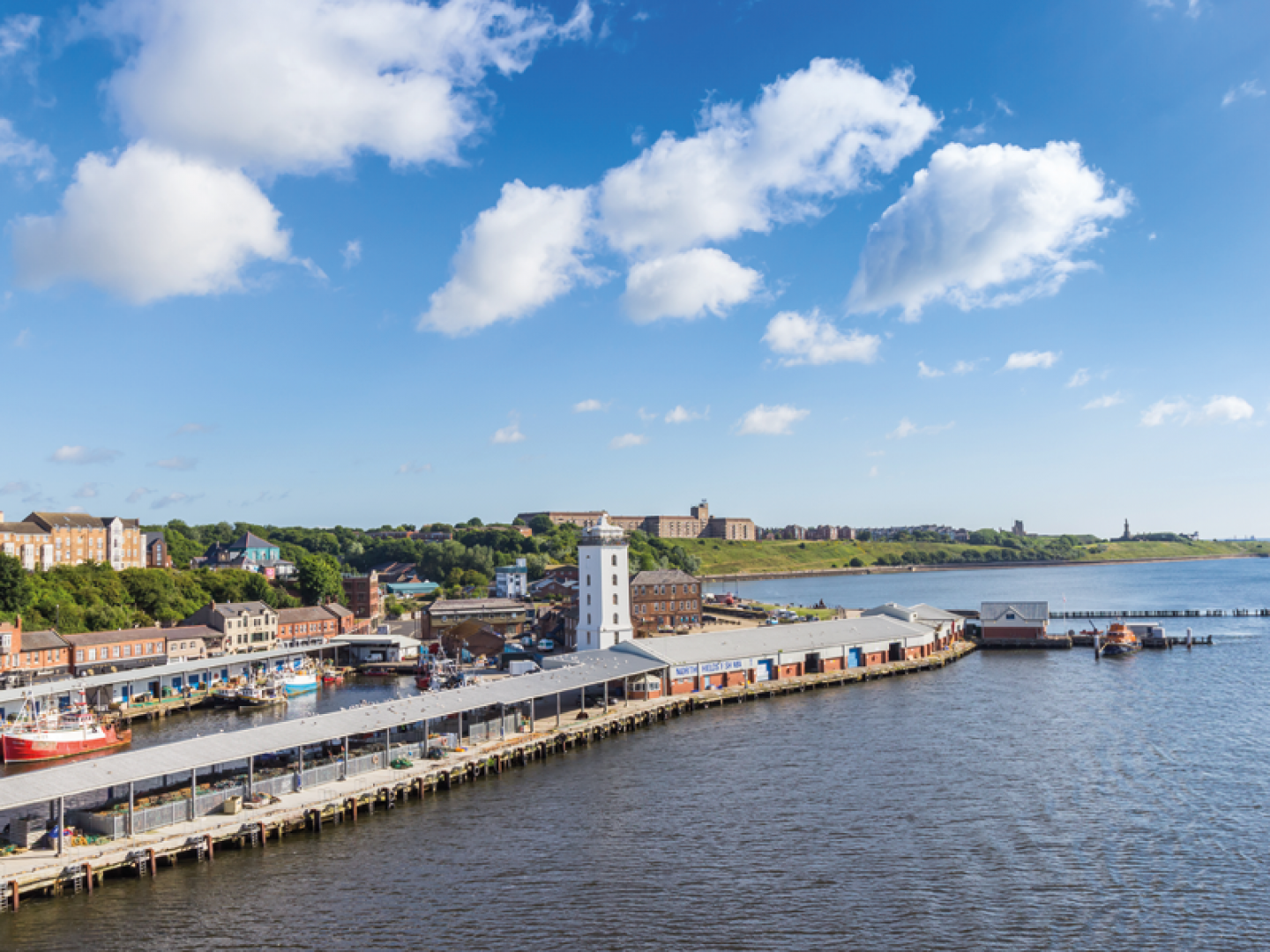
Beyond Tynemouth, the trail curves around and descends into North Shields. Arguably the most famous of the four buildings, North Shields’s watch house is better known as the Old Low Light and sits right by the harbour. The largest of the four, it has also been modernised more thoroughly than the others. Originally it served as one of two leading lights which helped sailors to navigate the mouth of the Tyne, before having chapters as an alms house, a training base and most recently as a heritage and events centre.
Of interest to Alicia is how each watch house has navigated the passage of time, and found a new use to ensure its survival. The one constant has been keeping the community at the core of their purpose. ‘That’s very different for each of them. If you look at the Old Low Light in North Shields, that’s now a very busy gallery and exhibition space, café, and it’s popular for music events.’ Cullercoats watch house is currently undergoing its own transformation, and will become a community events space with a launch date to be announced later in the year.
Everything from yoga classes and wild swim meet ups take place at the watch houses, and Alicia emphasises the need for youth engagement. ‘We’ve got a big education programme going on at Cullercoats. We are working with children to make them aware of the watch houses, as the future of the watch houses will be in their hands.’
The trail leaflet, which can be found online, sets out much of the area’s fascinating history, and is a must for those taking on the route. ‘It’s about civic pride. It’s about giving people pride in their civic buildings, and in the history of the area they live,’ explains Alicia. ‘It’s also to do with getting the people of North Tyneside out and about and letting them know what this stretch of coastline has to offer. People love a trail, so why not make a trail linking these four amazing buildings?’