
Discover Our Three Favourite Routes on the Roof of England Walk
Blow away the cobwebs this winter and discover a new favourite walking route. The recently established Roof of England Walk takes in much of the North Pennines National Landscape and we've selected three of our favourite legs for a winter walk


– Alston to Haltwhistle –
Ending at the northern end of the Roof of England Walk, this route closely follows the River South Tyne. It’s quite the undertaking at just under 15 miles in length, but worth the effort for the stunning views and fascinating sights found along the way
Beginning on the outskirts of the charming town of Alston, one of England’s highest market towns complete with cobbled streets, a scattering of boutique shops and historic buildings the route heads north, tracing the Pennine Way, England’s oldest National Trail. After a short distance, the Gilderdale Burn takes you into Northumberland and by Epiacum Roman Fort, otherwise known as Whitley Castle. What remains of this fort is fascinating, at its height it housed a garrison of hundreds and is purported to be the highest stone-built Roman fort in Britain.


This is where you’ll also find Nook Farm Shop and Café a great stop off point for refuelling before carrying on north, across the A689, sticking to the river. It’s along this stretch that you should keep your eyes peeled for trains travelling the South Tynedale Railway between Alston and Slaggyford. Continue on through the tiny village of Kirkhaugh and you’ll take in some of the ancient Maiden Way Roman road which linked the Roman fort at Kirby Thore to Carvoran Roman Fort near Hadrian’s Wall.
The route then crosses the A689 again before taking you to the heart of Slaggyford. Head north west across Knar Burn where this quiet corner of the South Tyne Valley feels forgotten by time, with ancient woodland, trickling streams and open moorland beyond the trees. Hidden in the landscape you’ll find Burnstones Railway Viaduct, a Grade II-listed structure dating back to 1852. A short 10-minute walk east of this will take you to The Kirkstyle Inn & Sportsman’s Rest, an exceptional country pub where you can enjoy lunch by the fire and a well-deserved pint.
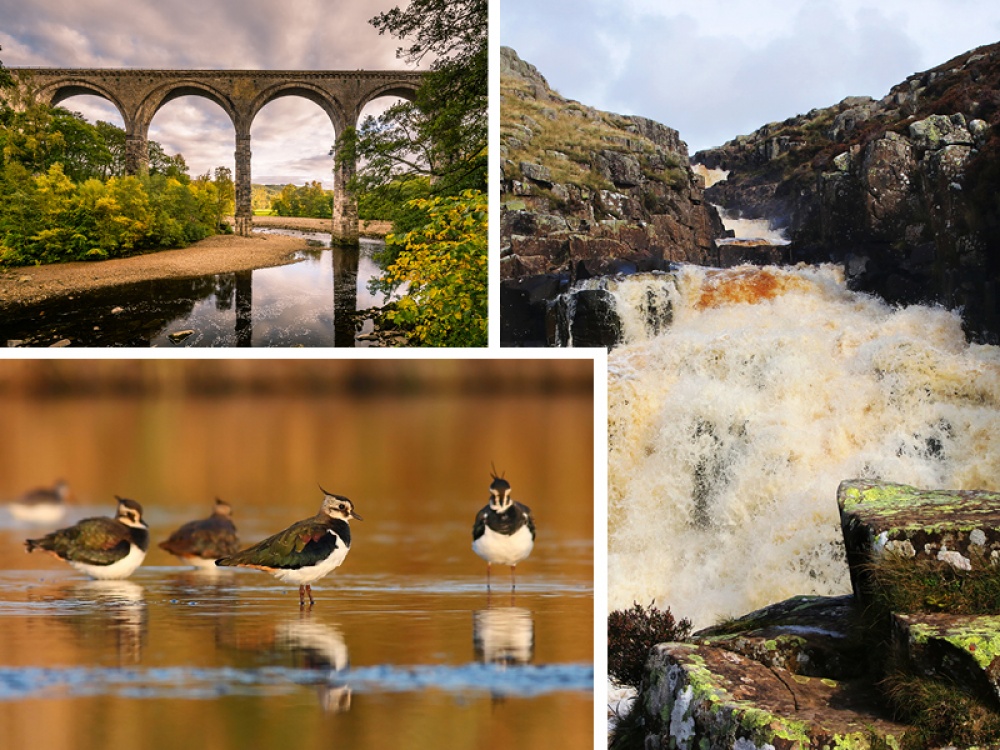
From here, continue north parallel with the A689, following the same Maiden Way Roman route across Lambley Common. We’d recommend another short deviation here to take in the impressive Lambley Viaduct, a multi-arch viaduct which crosses high above the River South Tyne framed by woodland on either side.
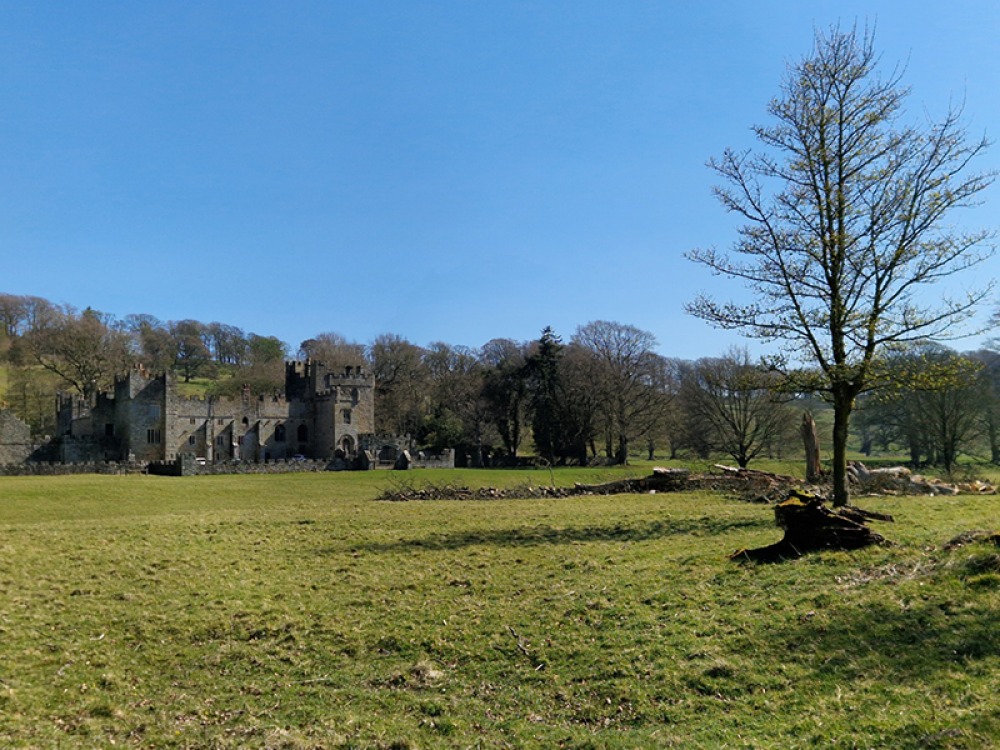
Returning to the original route, pass through the village of Halton Lea Gate and cross Hartley Burn using the small footbridge. This is where the Roof of England Walk deviates with the Pennine Way as you bear right across the fields, crossing Hartley Burn once more before sticking to the bank of the River South Tyne and passing by historic Featherstone Castle, a Grade I-listed building dating back to the 14th century.
The route then joins with the River Tyne Trail, and shares the same course for the rest of this leg to Haltwhistle. Featherstone Bridge dating back to the 18th century is another sight to look out for on this stretch, comprising just a single arch. Continue along the bank of the river into North Wood, part of the National Trust’s Bellister Estate, a woodland brimming with bluebells in springtime. This is also where you’ll find the impressive 17th century Bellister Castle.
From the crest of Bellister bank, begin your descent into the market town of Haltwhistle where the route comes to an end. Haltwhistle is the closest town to the central section of Hadrian’s Wall, and near to the Roman forts of Vindolanda and Housesteads.
A challenging trek, the elevation along this route can fluctuate dramatically, passing through everything from boggy moorland to muddied riverside paths. It is largely downhill, heading from Alston to Haltwhistle, but for a more challenging walk you can just as easily reverse the route, heading south instead.
– St John’s Chapel to Saur Hill Bridge –
Beginning with the River Wear and ending near the River Tees, this leg runs north to south and takes in an often overlooked section of the North East
Beginning on the south bank of the River Wear at St John’s Chapel, cross the river and head west upstream. Before reaching Ireshopeburn, cross Coronation Bridge, built in 1837 to commemorate the coronation of Queen Victoria. Just across the bridge you’ll find Weardale Museum, an historic former clergyman’s house. Currently closed for the winter season, return in the summer to discover Weardale’s fascinating local history.
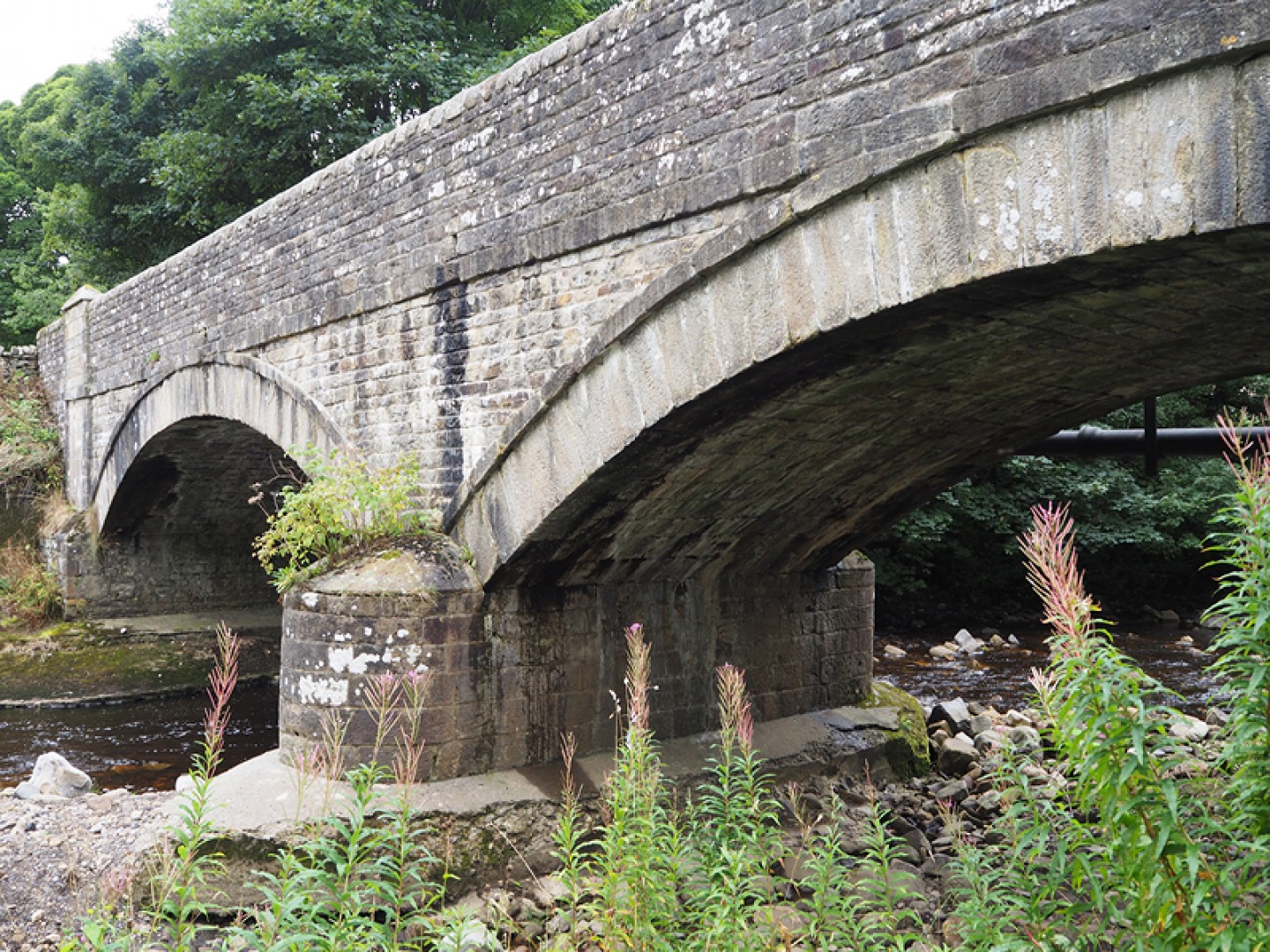
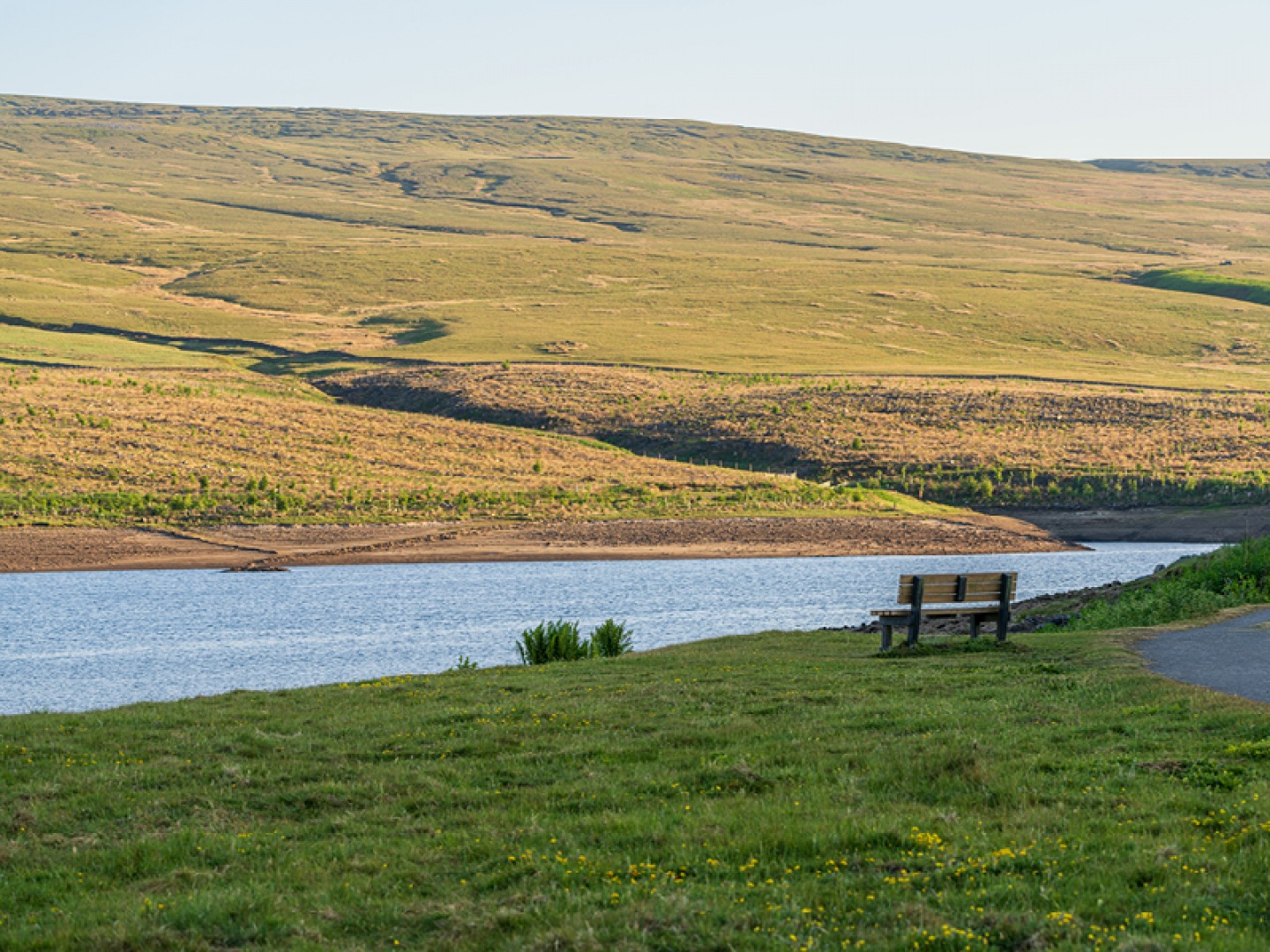
The route continues west through Ireshopeburn, towards the calm waters of Burnhope Reservoir before taking a southernly turn. Here, you’ll begin the climb along Grasshill Causeway, the UK’s highest legal through-road with truly stunning views across the landscape. The route continues to climb, and this rugged area is an oasis for local wildlife, flora and fauna. In spring to early summer, the fluffy white heads of cottongrass (also known as bog cotton) dot the landscape, and walkers have a good chance of spotting golden plovers who use this area for the breeding season weaving through the grass.
For ambitious walkers, deviate from the path here at the watershed between Weardale and Teesdale to tackle Great Stony Hill, standing at just over 700 metres. If you make it to the top you’ll be rewarded with sweeping views of upper Teesdale, Weardale and Cross Fell. From here, the route begins to gently descend again as it approaches Cow Green Reservoir’s glittering waters. The designated viewpoint here is a great spot to stop for a sandwich and flask, and there are also interpretation boards which give you an insight into the local geology, wildlife and heritage.
The route then traces the eastern bank of Cow Green Reservoir heading south. Completed in 1971, this three-kilometre stretch of water is dotted with interesting features like Slapestone Sike where water lazily bubbles up from the limestone enriching the local plantlife. Cross this and you’ll find Rod’s Vein, the remains of an old mine whose entrance now lies beneath the reservoir.
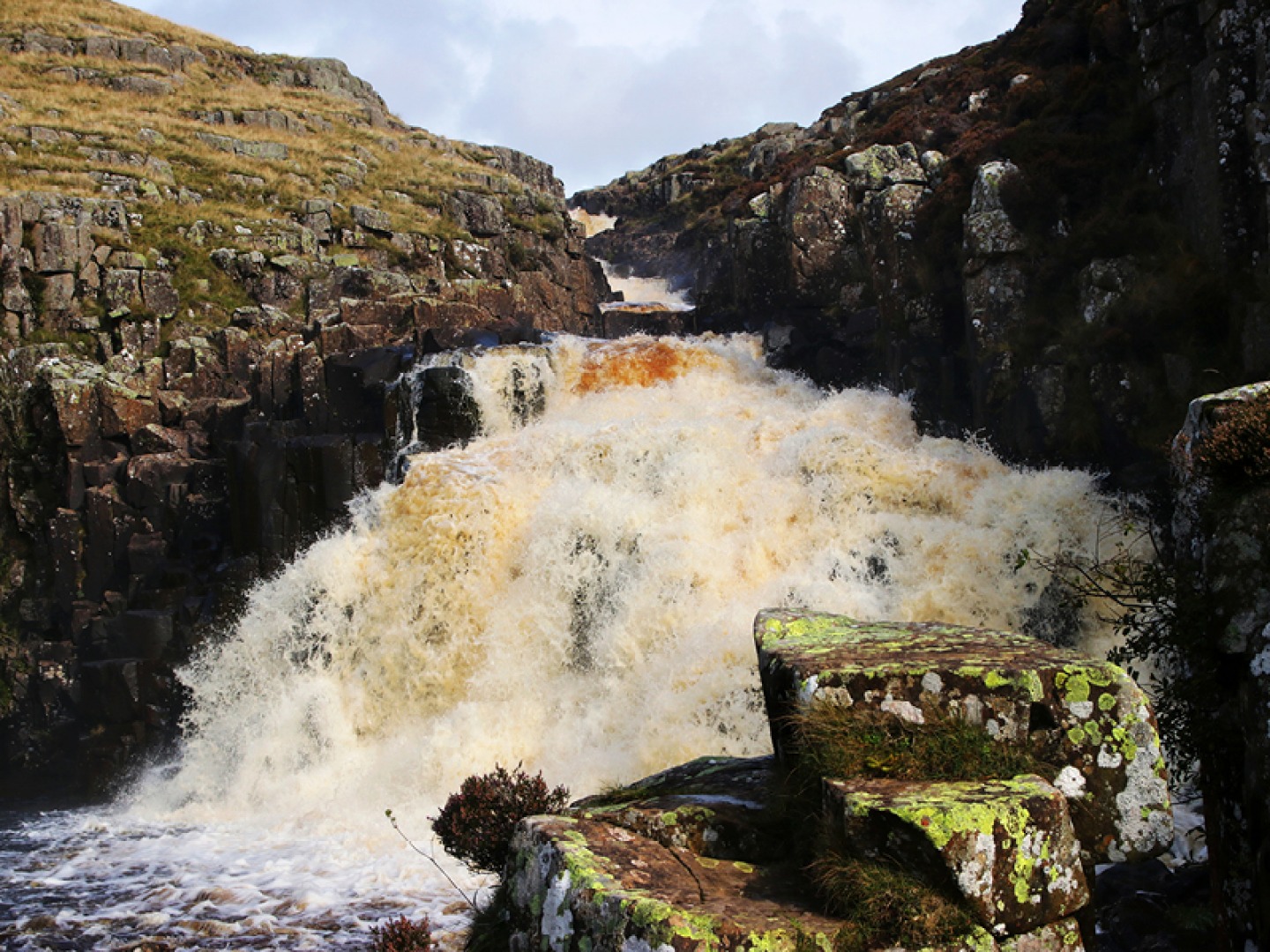
Continue following the edge of the reservoir and you’ll approach what is arguably the most spectacular sight on this leg of the Roof of England Walk. Beyond Cow Green Dam at the southernly end of the reservoir is Cauldron Snout. An explosive torrent of water, Cauldron Snout doesn’t have as sheer a drop as some waterfalls, and instead its rapids descend through a narrow gorge for an impressive 180-metre stretch before dropping into the pool below. Take care on the descent from the top of the waterfall as the area can be slippery and you may need to use your hands at certain points.
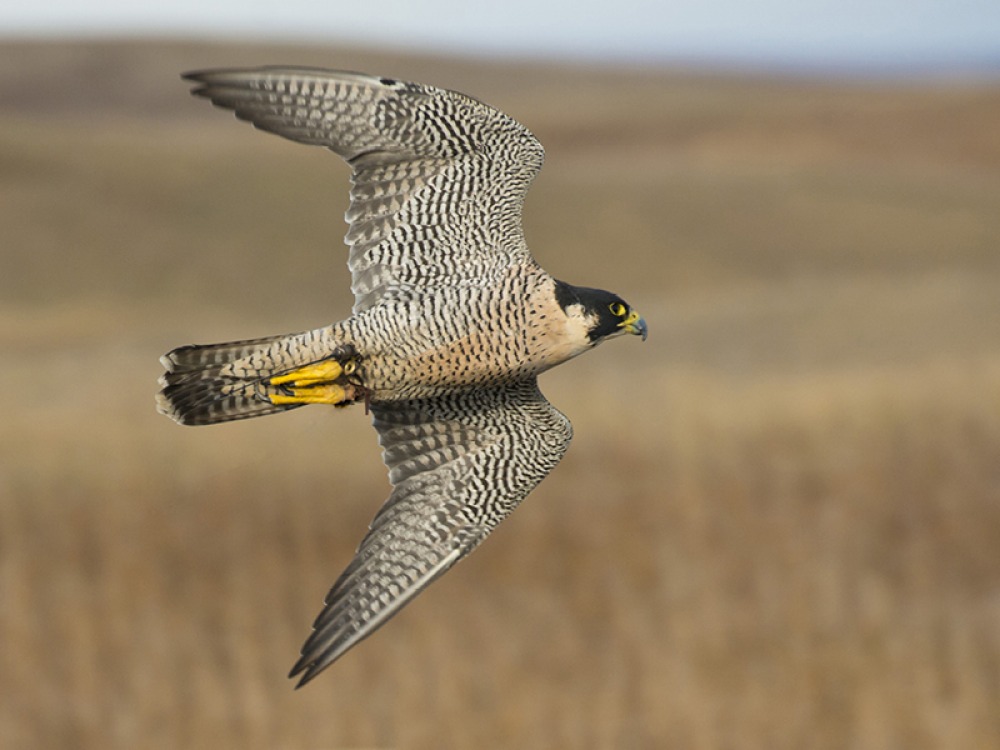
The route continues to follow the River Tees, and the rocky valley here leading to Widdy Bank Farm reveals much about the ancient history of the area. To the left is Whin Sill, a shelf of hard rock which cuts across the North of England and forms the lip of Cauldron Snout. You’ll also find much softer deposits of sugar limestone, and coarse conglomerate from an ancient eroded mountain chain. Unsurprisingly, this valley is rich in bird life, including the elusive peregrine falcon.
The route curves northward again, past Widdy Bank Farm and towards Saur Hill Bridge where this leg of the Roof of England Walk comes to an end. Only a short distance away is High Force Hotel, a charming country inn offering hearty home cooked food. This route is another ambitious undertaking coming in at around 14 miles in length, with many rocky stretches that can make the terrain difficult to navigate at times. The steepest section of the walk is towards the beginning, in the lead up to the Cow Green viewpoint, but then evens out again.
– Edmundbyers to Wolsingham –
This meandering walk takes in much of the upper Derwent Valley and thankfully has no major climbs to undertake. A blend of woodland trails, field paths and tarmac roads, this leg of the Roof of England Walk offers more forgiving terrain than the previous sections, but is still an undertaking at just over 14 miles in length
The walk begins in the small village of Edmundbyers which is a stone’s throw from Derwent Reservoir, the second largest in the region after Kielder Reservoir. The first three miles of this leg trace the same route as the Way of Light, one of the six Northern Saints Trails designed to take walkers from the dawn of Christianity through the Dark Ages and to contemporary pilgrimage. This leg joins it in its latter stages, and is waymarked as far as the woods beyond Haverley Lodge.
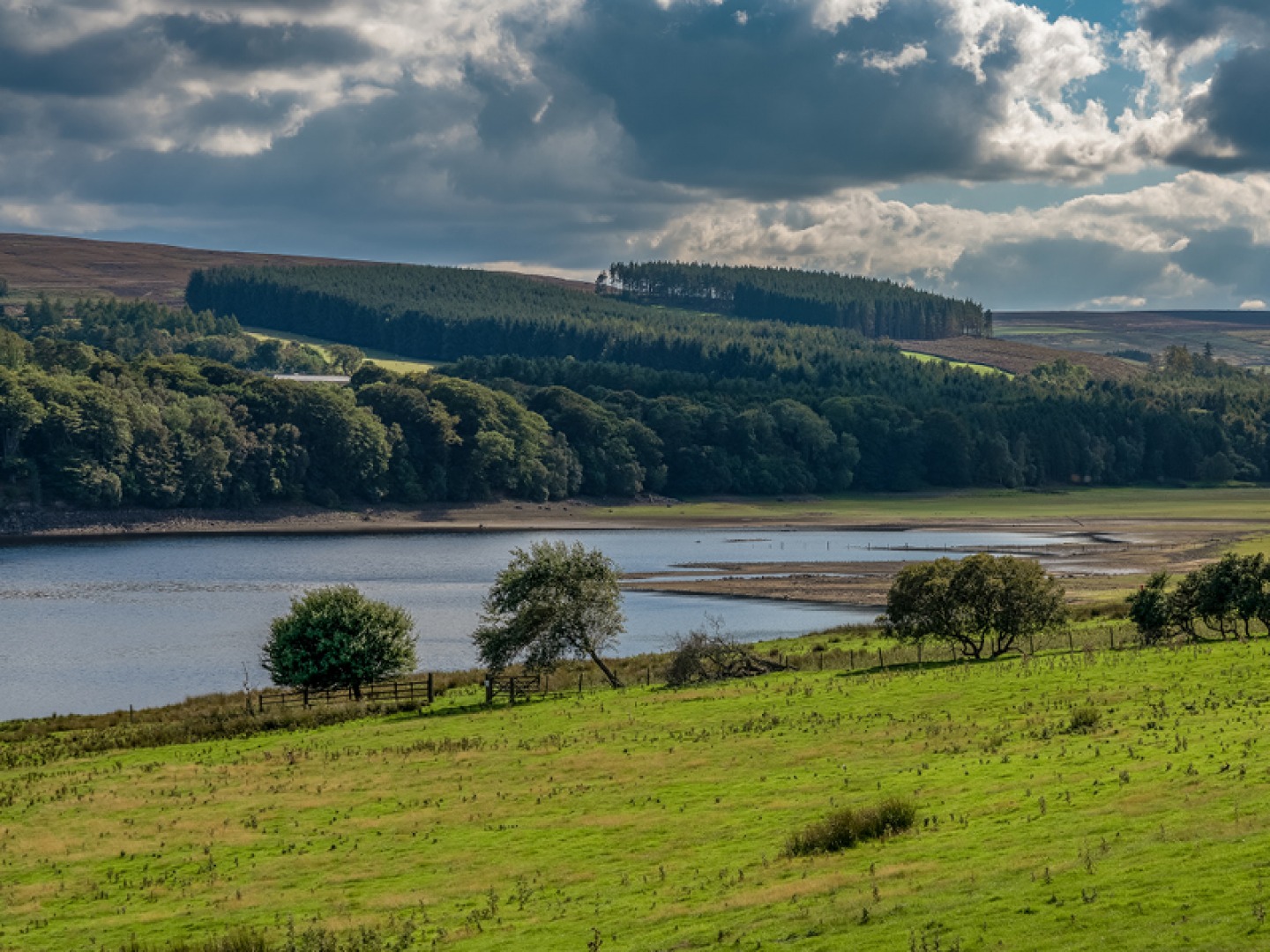
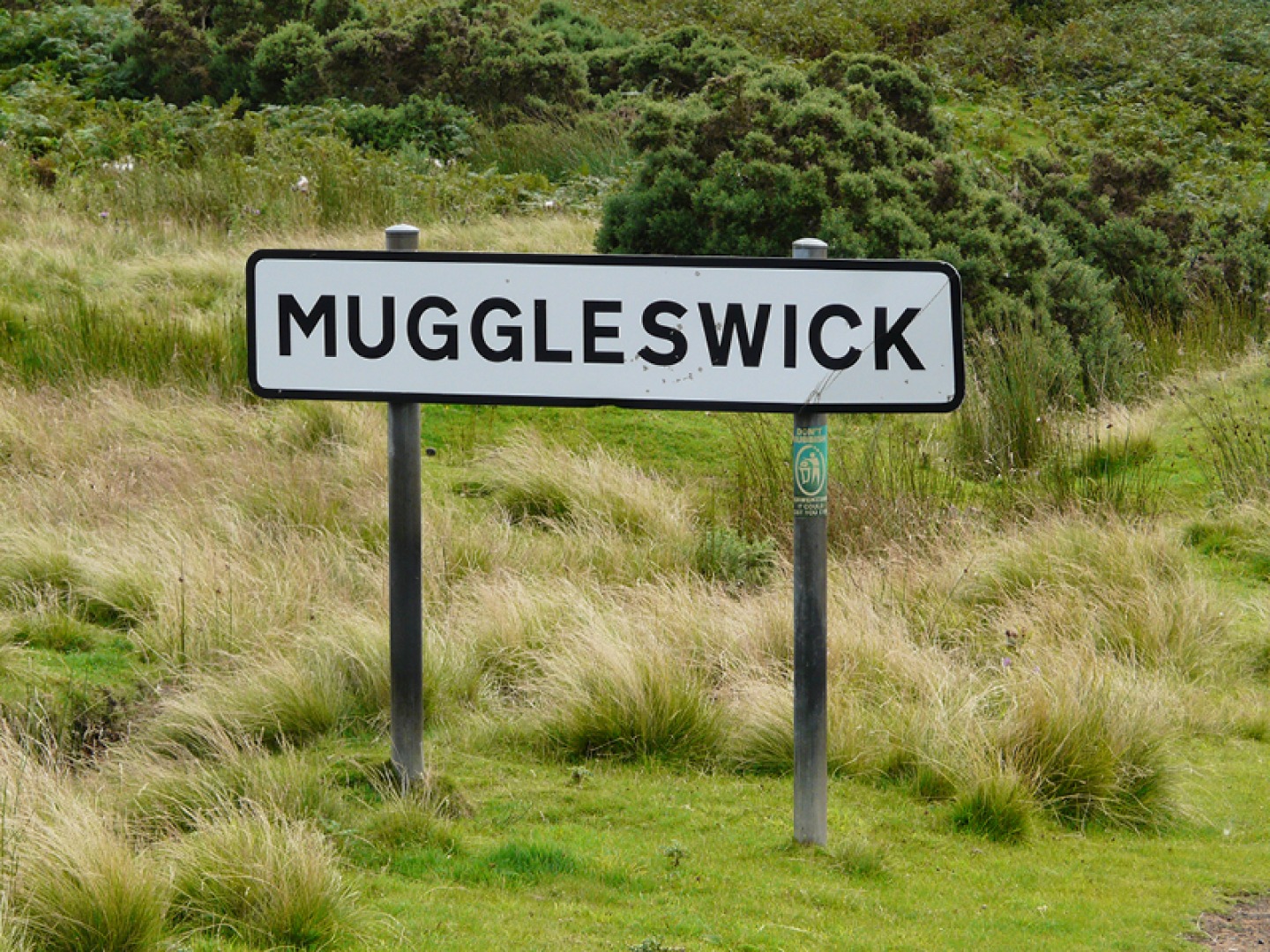
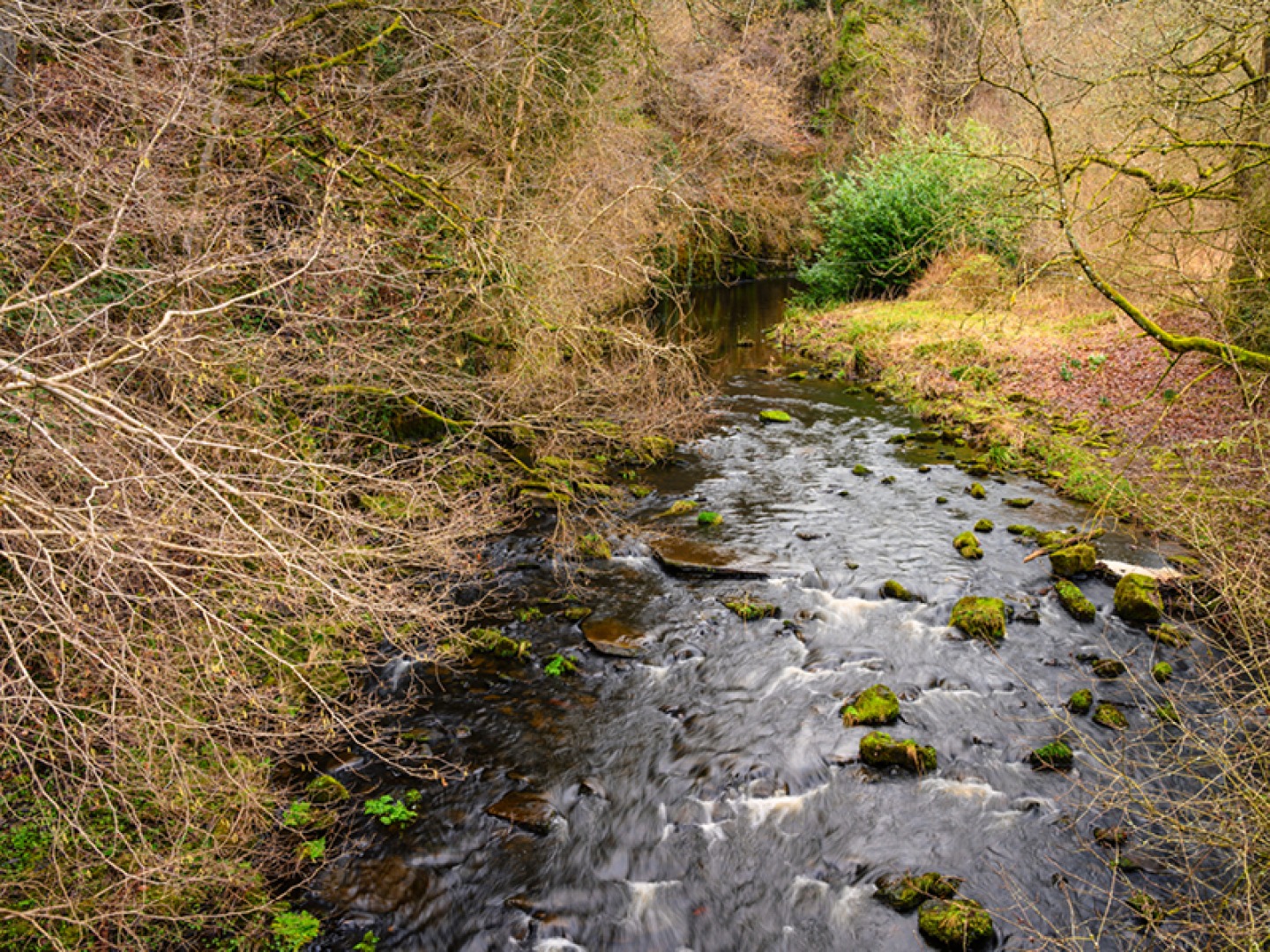
Passing by the edge of Muggleswick Wood, the route then hugs the edge of Muggleswick Park. Initially a hunting park in the 13th century to rival that of Stanhope Deer Park, this open expanse has great views across the Derwent Valley. Muggleswick itself is a scattering of farmsteads many of which are listed buildings and associated with nearby Muggleswick Grange, the ruins of which date back to the 13th century. Other fascinating sights here include All Saints’ Church, the original structure of which again dates back to the mid-13th century.
Departing Muggleswick, the route continues to hug the park and heads towards a wooded area framing the twists and turns of the River Derwent. Take a look along the valley here and you can see the impressively steep sides of the Derwent Gorge and Muggleswick Woods National Nature Reserve. Here you’ll find a blend of ancient oak woodland and grasslands and it’s also here that walkers leave the Way of Light trail and signs will instead lead you along the remainder of this part of the Roof of England Walk to Wolsingham.
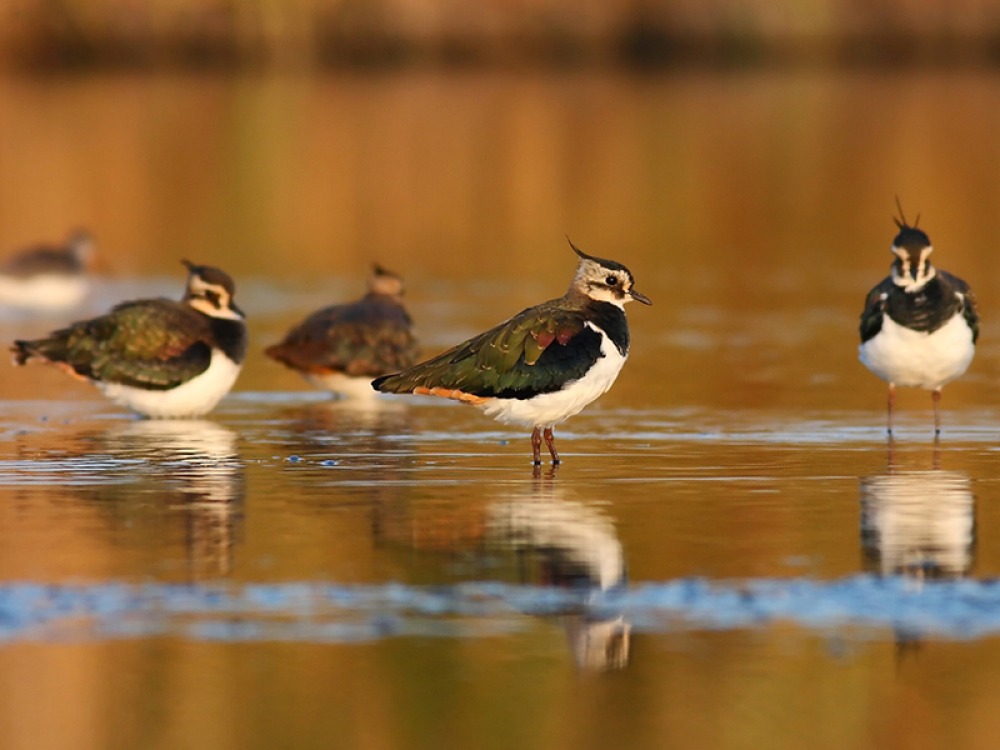
Bearing south, this is an excellent walk for wildlife lovers so keep your eyes peeled. Lapwings frequent this area and can be identified by their unique tumbling flight style and black and white plumage. These birds adore wet grasslands which are found in abundance here.
The steepest part of the walk, Nanny Mayer’s Incline, has a fascinating history and is said to be named after the lady who ran a tavern beside the railway. Carriages travelling down the incline were attached to a cable which served to pull those on the opposite side travelling up. This section is three-quarters of a mile in length, but the route thankfully levels out after that taking a sharp turn to the west, passing through the hamlet of Waskerley and joining with the Waskerley Way, a railway path above Stanhope which passes through Burnhill Country Wildlife Site and Longburnford Quarry.
Heading south again, you’ll approach Tunstall Reservoir and the lush greenery of Backstone Bank Wood, an ancient woodland with records stretching back at least 400 years. Leaving the reservoir, continue to head south hugging Waskerley Beck through Baal Hill Wood, a designated Site of Special Scientific Interest which includes the Bishop’s Oak, a relic from the time of the Prince Bishops of Durham and thought to be over 400 years old.
Beyond the woods, just before reaching Wolsingham, you’ll reach Godric’s Well. Built in the 18th century, it’s associated with the hermits St Aelric and St Godric who supposedly lived in the area in the early 1100s. Wolsingham itself is purported to be one of County Durham’s earliest market towns. This leg of the Roof of England Walk ends just beside Wolsingham Town Hall.