Discover the River Wear's Hidden Saltmarshes
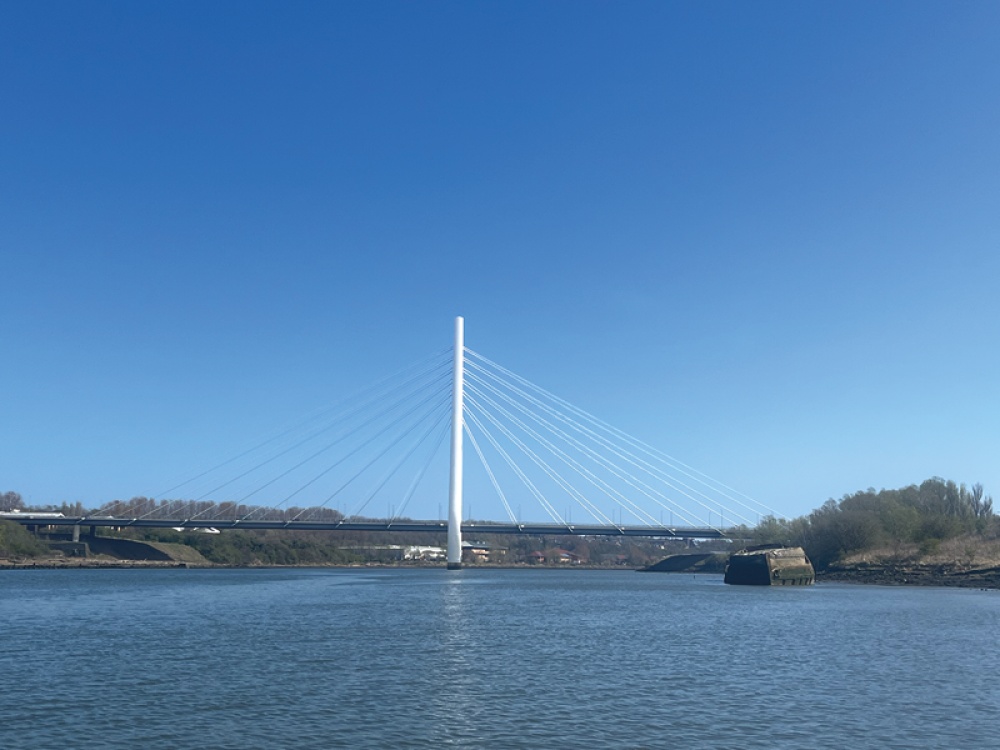
New funding has been secured to transform the banks of the River Wear. Living North finds out more


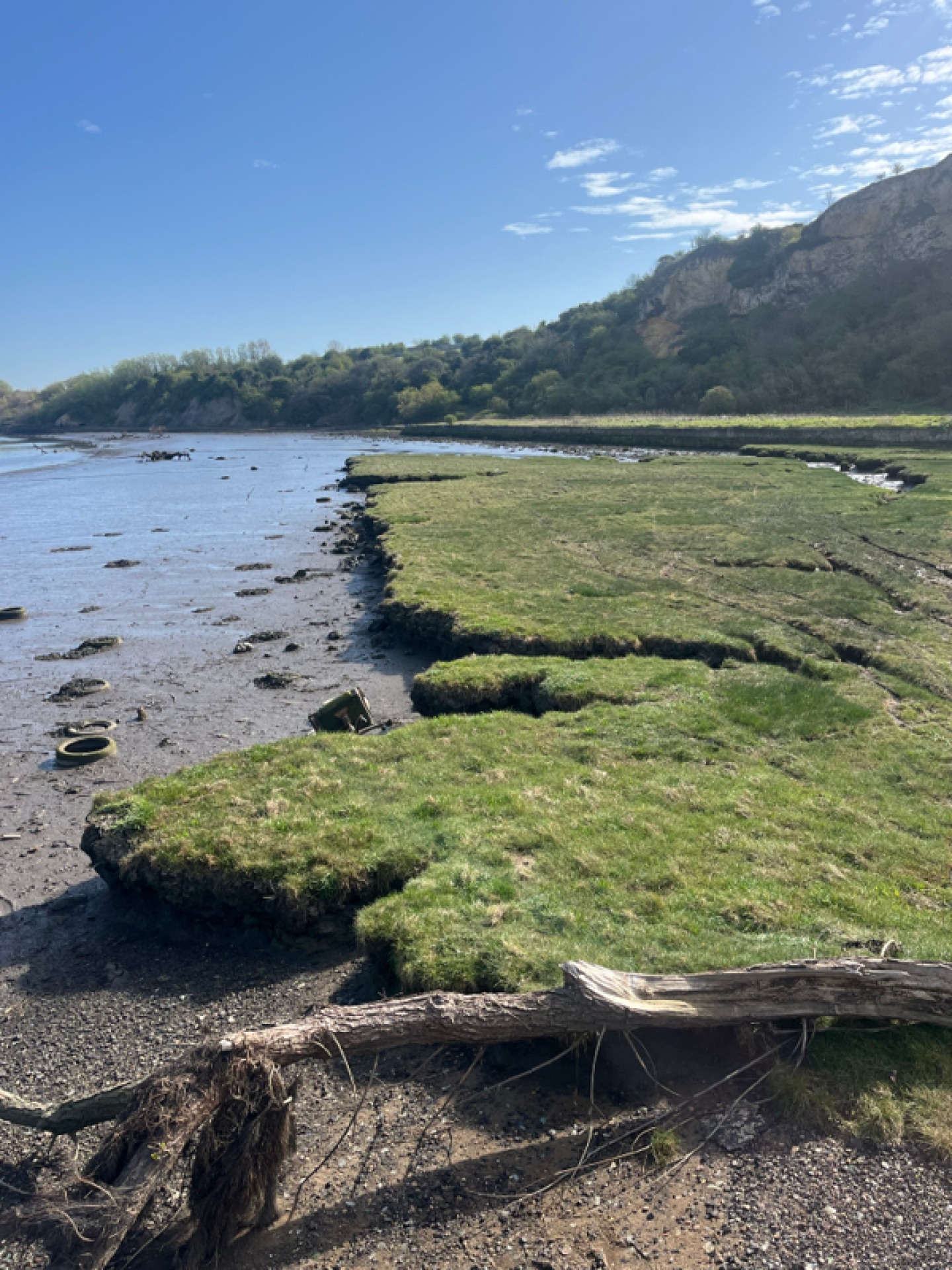
The North East is known for its proud industrial heritage, but it is this history which has caused the decline of this niche habitat. ‘If you go back 200 years, the River Wear would be a very different place,’ says Hellen Hornby, Nature-based Solutions lead at Groundwork NE and Cumbria. ‘The industrialisation that’s happened with ship building and the various heavy industries in the North East dramatically changed the natural processes of the River Wear. Its channel was straightened and deepened, the estuary edges were converted from being natural, shallow gradients into embanked walls, and you’ve got a lot of dock structures, walls, harbours and ports.’
While this industrialisation allowed local communities to flourish, its impact on the local environment was devastating. ‘The mudflat and the saltmarsh area that was originally there has been built on, and the UKCEH [UK Centre for Ecology and Hydrology] says 85 percent of saltmarsh habitat has been lost since 1860.’
Saltmarsh and mudflats are not typically the first habitat to come to mind when we think of ecologically significant areas, but they are of vital importance. ‘It’s not glamorous, it doesn’t sparkle like a lovely meadow full of wildflowers or obviously provide habitats for bird species and the things people like to know about. But it is incredibly important because it is such a niche habitat, and because there’s very little left,’ says Hellen, who explains that the conditions of a saltmarsh are unique. ‘There are species that depend on our mudflats and our saltmarsh that won’t live anywhere else.
You can’t replace the saltmarsh habitat with another place, it’s very distinctive. The plants that live in the saltmarsh have adapted to living in that intertidal habitat. They can cope with being covered by the saltwater of the estuary twice a day when the tide comes in, and they can cope with being exposed. If you take saltmarsh plants from the banks of the Wear and plant them in your garden, they wouldn’t like the conditions there. The same if you tried to take pansies from the garden down to the river bank – they wouldn’t survive in the salt there,’ she explains.
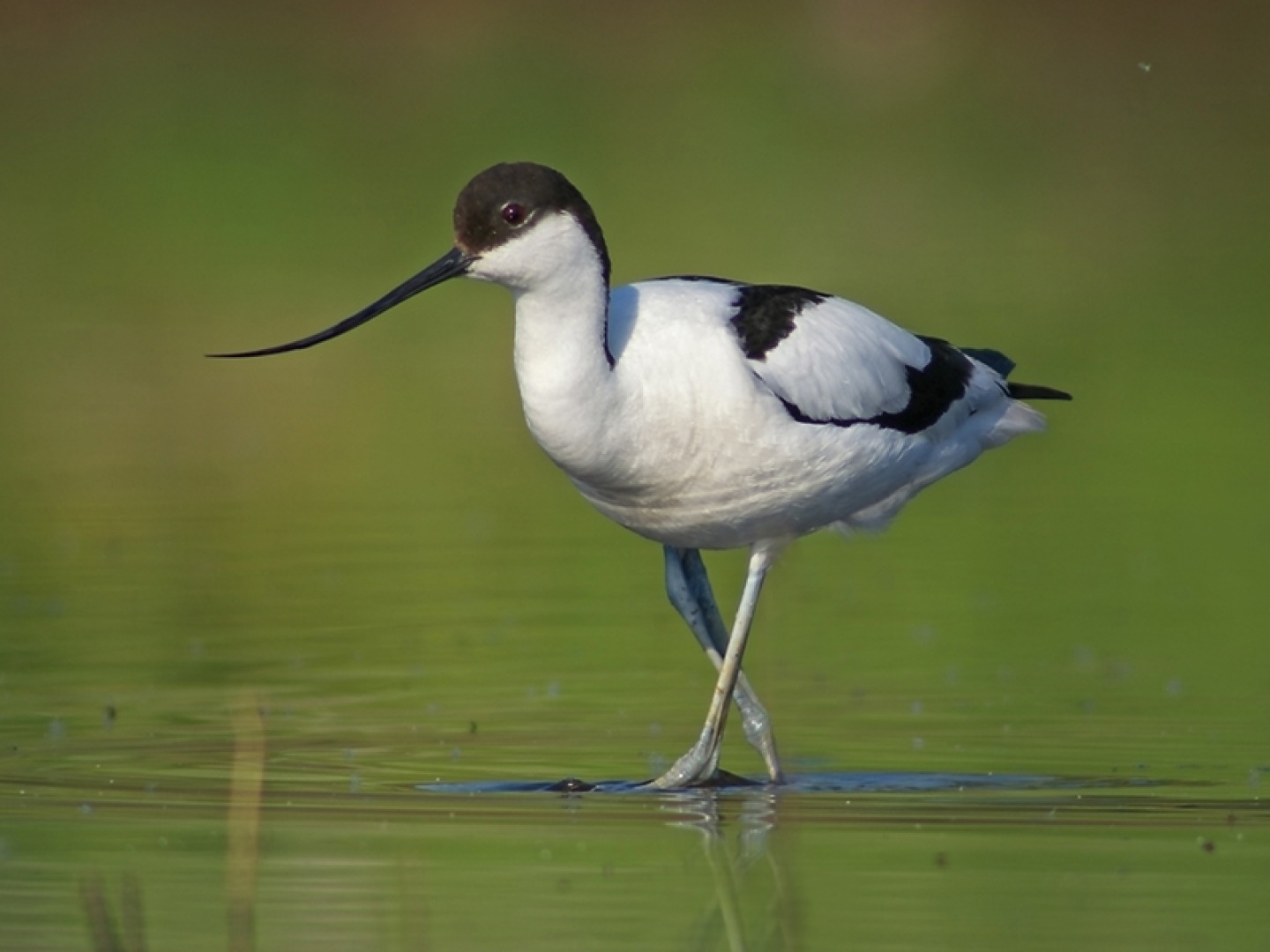
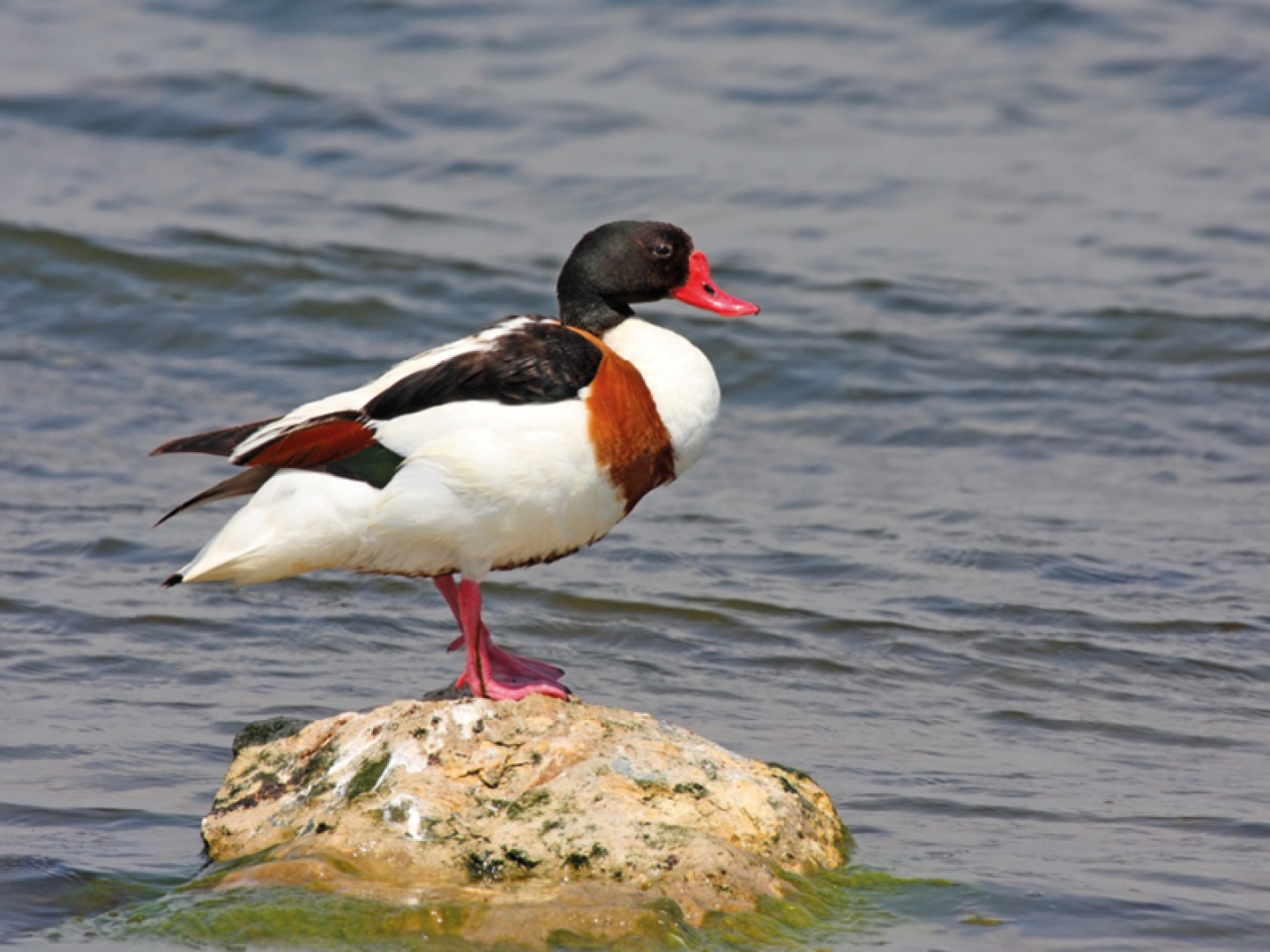
It’s not just plant life that thrives in a saltmarsh either, and Hellen lists the likes of avocets and shelducks who use the habitat to feed on invertebrates. ‘Some of the plants you get down there are very rare, and those plants support a wider population of things. These would have been corners for juvenile fish to hang out, and they would have been in there feeding on all the little critters that are hiding in amongst the plants like sand hoppers,’ she says. ‘You get the crabs coming in to feed on them and then you get the birds coming in to feed on the crabs. Obviously if that ecosystem is supported, you get the bigger predators. The salmon and the trout which used to be very common on the Wear, and dolphins, porpoises and seals would have been coming upstream and feeding in amongst the saltmarsh areas when they flooded at high water.’
To begin the process of restoration the team are using nature-based solutions, which benefit both the local wildlife and humans, to allow the mudflats to build up naturally. ‘The easiest way of describing nature-based solutions that people will understand is probably tree planting on the uplands and the moors. You plant the tree, it provides the space for nature, but if you do it in the right place it can slow the flow of water and prevent a downstream village or town from getting flooded. That’s the premise of a nature-based solution,’ explains Hellen.
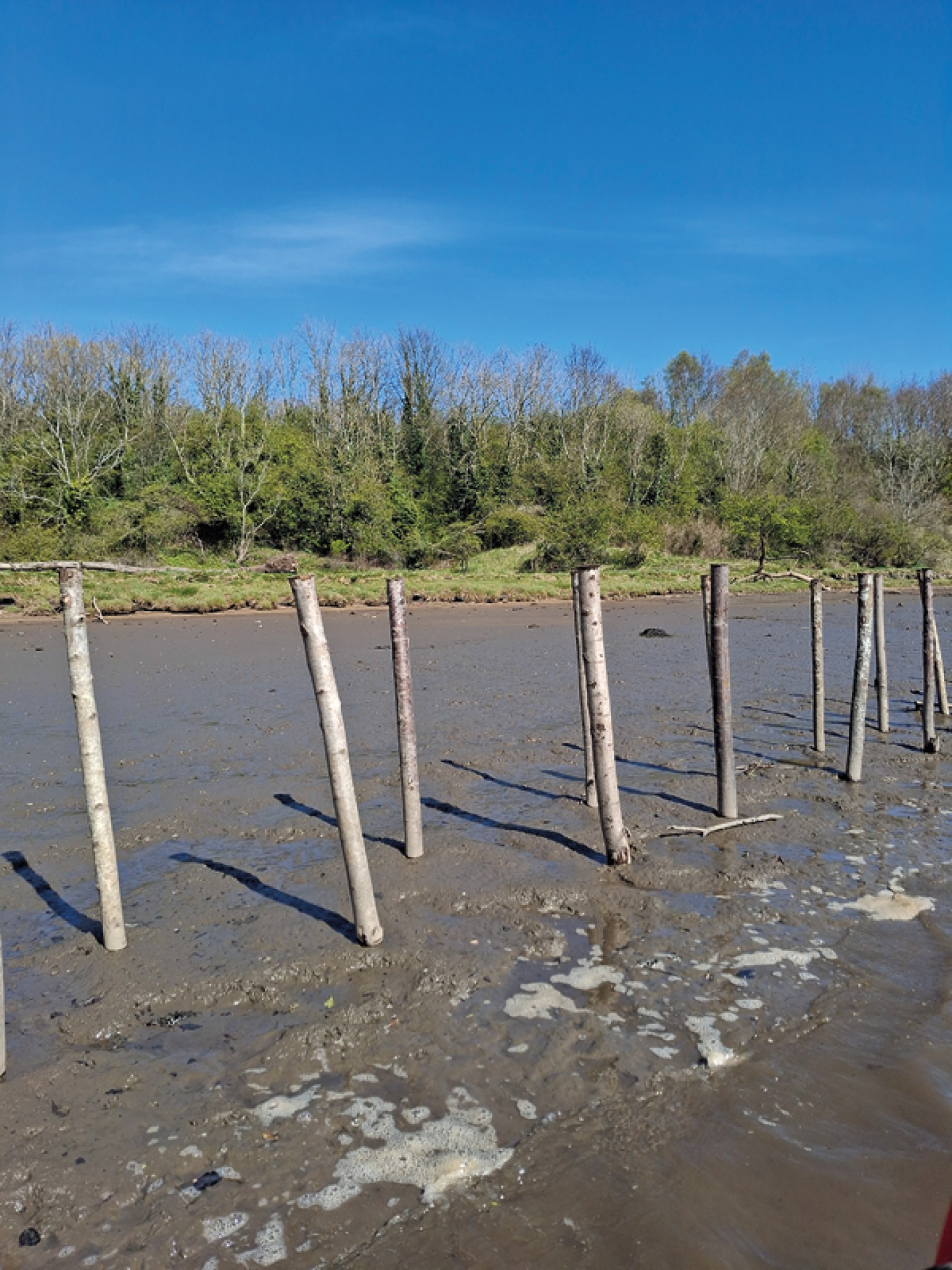
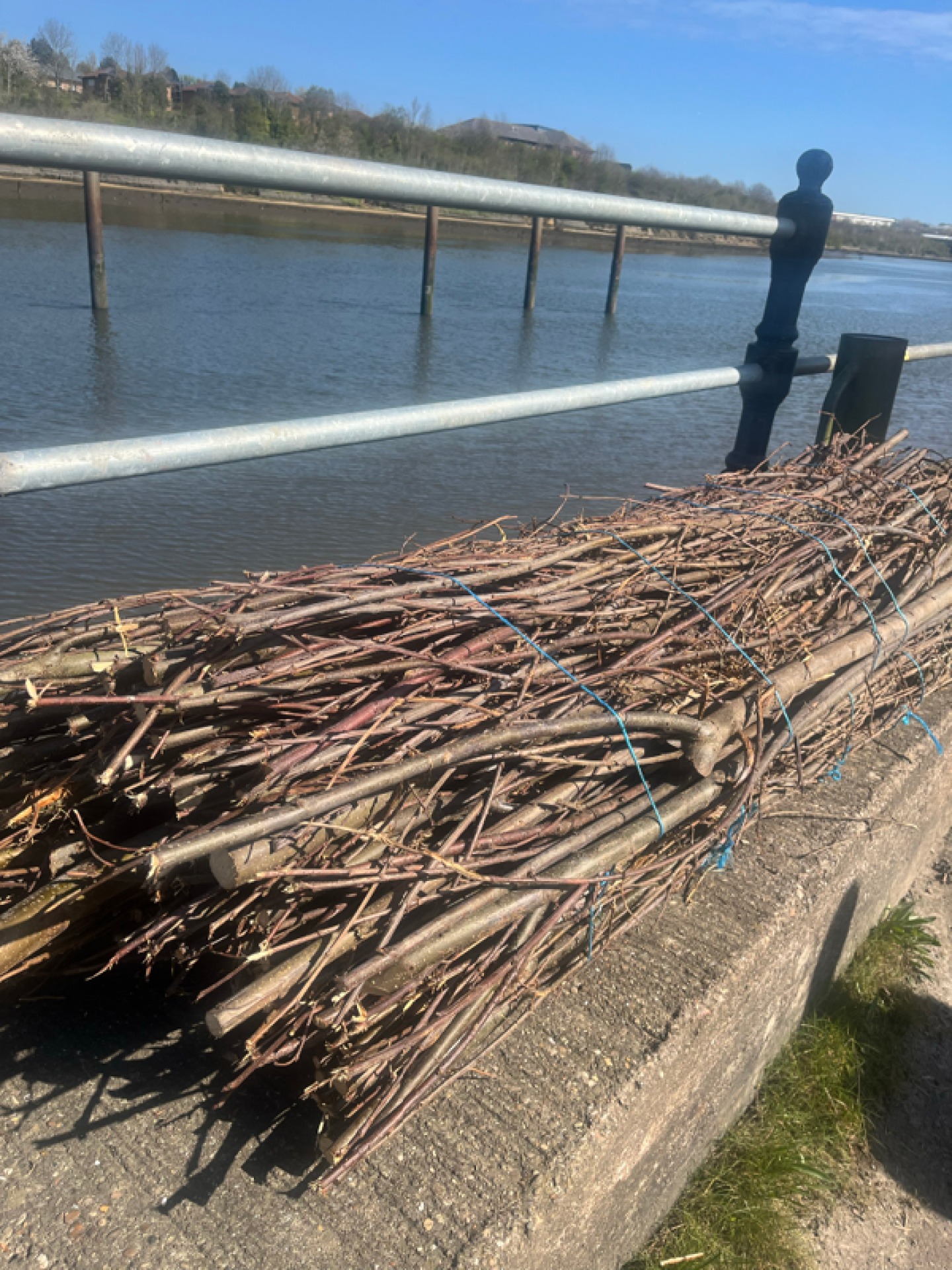
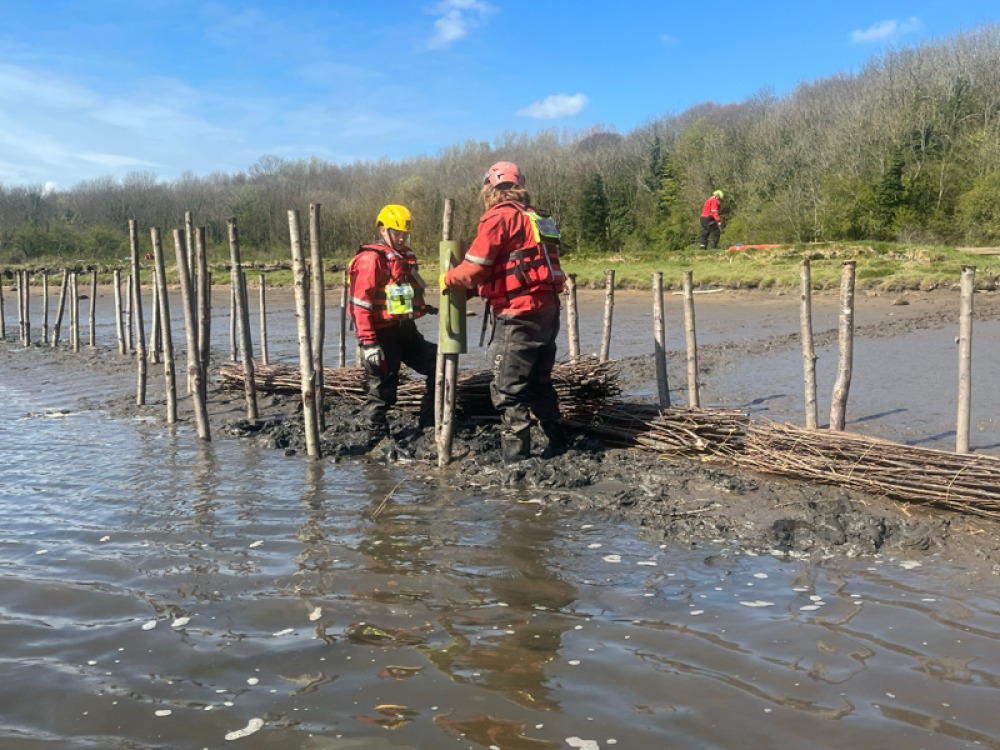
This project will focus on around 0.7 hectares of land (roughly the size of the pitch at the Stadium of Light) at Baron’s Quay and Claxheugh Rocks. The work includes using brushwood fascines (chopped lengths of wood) between posts placed on the riverbank. ‘The tide will rise up and over the top of the fascine. It will bring in the natural mud and sediment from the river, and then as the tide goes out, the structure will prevent some of that mud from going back into the river,’ explains Hellen. ‘This is going to take time. It could take years. That mud depth builds up, and when it gets to the right sort of height, the saltmarsh can then re-establish on it. Because we’ve got saltmarsh in the area, the seed source is there already. We’re hoping that will then recolonise the areas of wood within that, the Goldilocks zone, for where we want the saltmarsh habitat to be.’
Construction is due to be completed by the end of May, and then the team will focus on monitoring its progress, both to ensure that the structure remains in place, and also to see how the habitat develops. ‘We’re hoping that by the end of this growing season we will see some change,’ she says. Looking at other similar projects, Hellen is hopeful, but appreciates that each area is different. ‘We did a similar scheme in Hebburn and within less than 18 months, we went from 900 metres squared to 1,500 metres squared of saltmarsh,’ she continues. ‘Each estuary has its own conditions. We’ve done a similar scheme on the Wansbeck in Northumberland, but that’s a much sandier and shallower estuary with natural banks and a bit more space for the habitat.’
As well as growth, there are other ways for the team to monitor success. ‘We’ll be looking for the diversity of the plant species which are there and the extent of that area. We also look at carbon and carbon sequestration,’ says Hellen. ‘Saltmarsh plants are incredibly good at storing carbon. We have Environment Agency tools that we utilise for producing a figure which gives us an idea of how much carbon is stored per tonne and eventually the long-term goal would be that the mud will build up to the level of those posts and then will be covered by plant species, so you would just see the natural estuary edge. That’s the vision for that area.’
Hellen also believes that connecting communities to their local natural spaces is essential for their future survival. ‘It’s not just the ecological recovery, it’s about trying to connect people. There’s definitely changes happening. We can’t take out the port and put it back how it was, but if we can find little pockets then hopefully, collectively, that will make a difference.’
Keep up with the project at groundwork.org.uk.