Discover Yorkshire's Hidden Churches with Rob Andrews
Living North goes on a tour of North Yorkshire's hidden churches with Rob Andrews, local guide and church buff


Volunteering at a parish church in York, Rob was able to discover for himself the importance of these special spaces for local communities. ‘I realised through speaking to people who were rotating the flowers and doing the arrangements that they were really important places within the community, with so much history and so much local culture,’ Rob explains. ‘My obsession developed from there and now whenever I’ve got a spare moment or spare day I’ll go off and explore some new church.’
Yorkshire is an area saturated with significant religious history, upheaval and change, and Rob has no end of churches to discover and share with his followers. Though undeniably niche, Rob’s work has struck a chord with many and he receives overwhelmingly positive feedback. ‘A lot of the time it’s people, especially in North America, who have family [here] or have come on a very important holiday and have found North Yorkshire in particular to be this timeless place where you can go over one hill and there’s a dale or a valley with some hidden ancient church,’ he tells us. ‘They just really enjoy having all these videos and photos to remind them of a time they’ve been here.’
Each post gives his followers an overview of the church, significant architectural features, and fascinating tales attached to it. With such a wealth of knowledge, it’s no surprise that Rob chose to share his passion beyond Instagram, running in-person tours around York’s parish churches, where it all began for him. ‘It was pre-pandemic and I just had all this knowledge of churches in York in my head from being a student, and wanted to share it with people,’ says Rob. ‘York is full of blue badge tour guides and people doing ghost tours, but there was nothing specifically about the churches. There’s so many medieval parish churches in York, whether they are still active places of worship or whether they’ve got some new use.’ Rob took it upon himself to fill this gap and now runs multiple walking tours each year in the city. ‘People love York and love the churches so it’s a good couple of hours spent on a sunny afternoon. Usually we finish at the pub and people can just have a casual chat and continue to talk about churches.’
It’s hard to narrow down the highlights of Yorkshire’s churches, but a few key sites do stand out to Rob for their unique qualities. Holy Trinity Church on York’s Goodramgate is a particular favourite. ‘It’s candle-lit and it’s very atmospheric at different times of year in different ways. The one thing which I am obsessed with is the box pews that it has, and they are really one of a kind,’ he explains. ‘The Victorians were quite keen on stripping box pews out of churches in the 19th century but they were left in this church which is great. The earliest ones there are from the first half of the 17th century.’
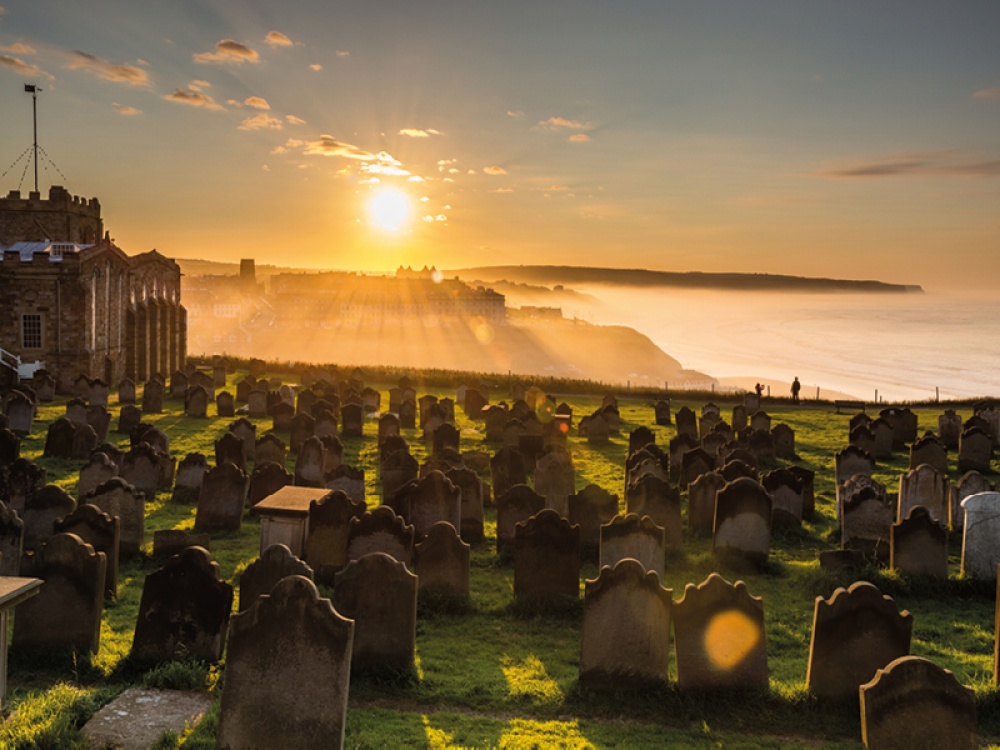
No church tour of Yorkshire would be complete without stopping in Whitby, and St Mary’s is another church that’s special to Rob. ‘It’s gobsmacking really with so much going on,’ he says. ‘You’ve got this ancient church with this Norman chancel arch, but then you’ve got these Georgian galleries put in front with twisting wood balustrades and columns supporting the galleries. It should be a complete mess but it’s somehow just this fascinating winding maze.’
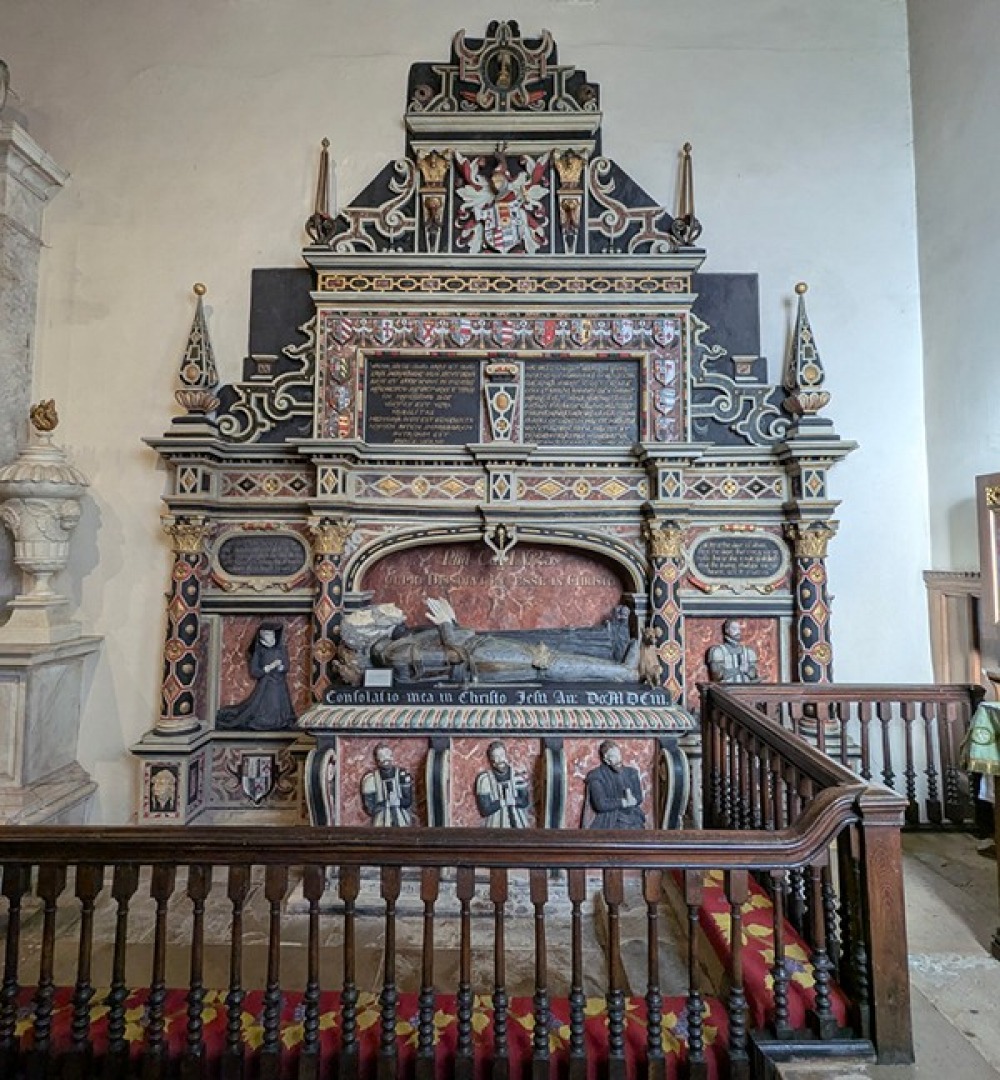
Though Yorkshire has many grand ruins which draw countless visitors (like Fountains Abbey and Whitby Abbey) Rob encourages venturing off the beaten track to discover hidden gems otherwise missed. Near Coxwold in the Howardian Hills is the tiny church of St Michael’s – only a short distance from the impressive remains of Byland Abbey. ‘If you go in the chancel where the altar is at the east end, it’s got these mind-blowing monuments to people who lived nearby. They’re all different kinds, with every fashion or changing trend in funerary commemoration. It’s got these grand, opulent tombs with painted effigies on them and renaissance-style detail on the architectural frames, and you’ve got these very Georgian prim and proper detailed epitaphs,’ explains Rob. ‘It’s overwhelming but it’s almost like a V&A gallery space in miniature. You wouldn’t know that it was there unless you made the effort to walk in the front door of that building.’
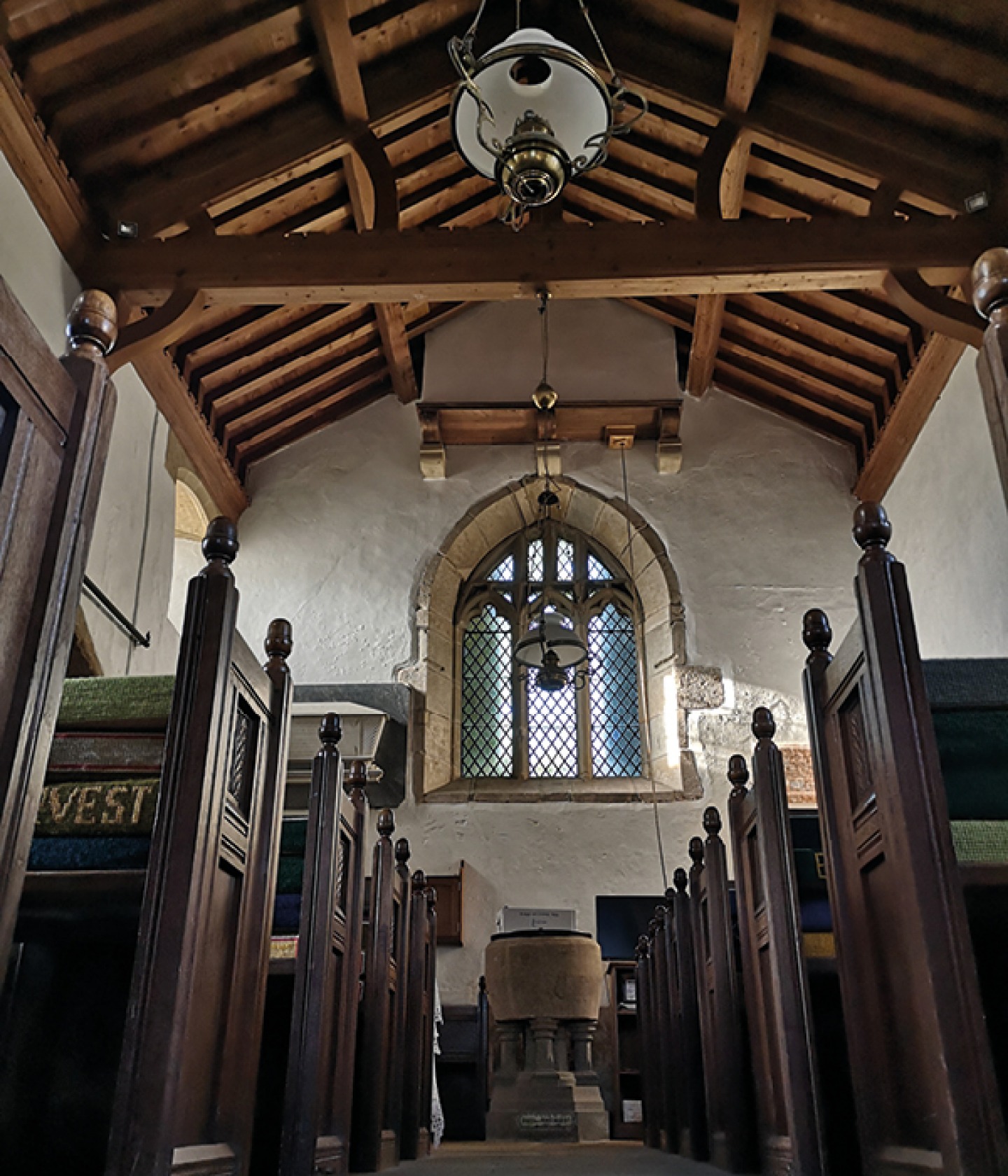
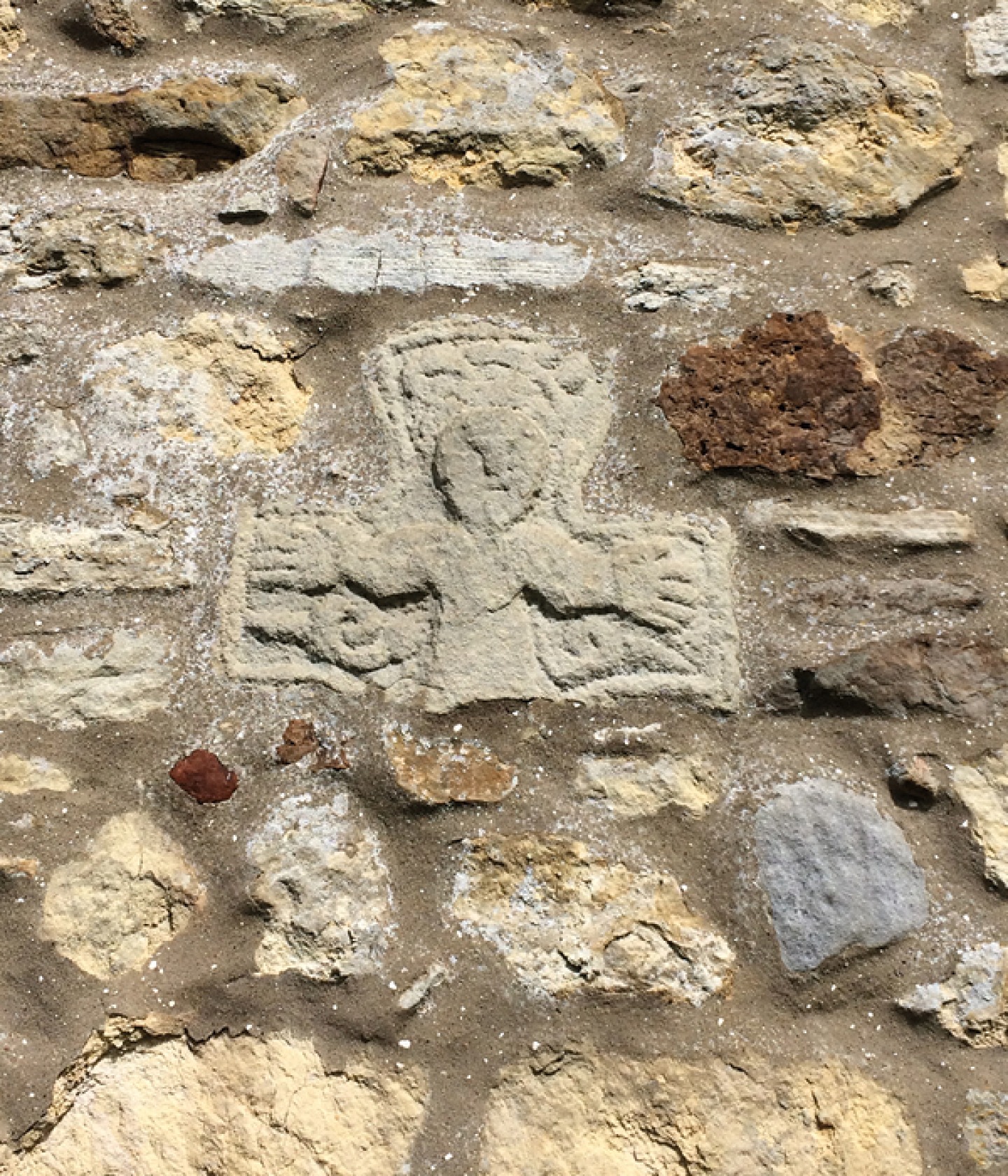
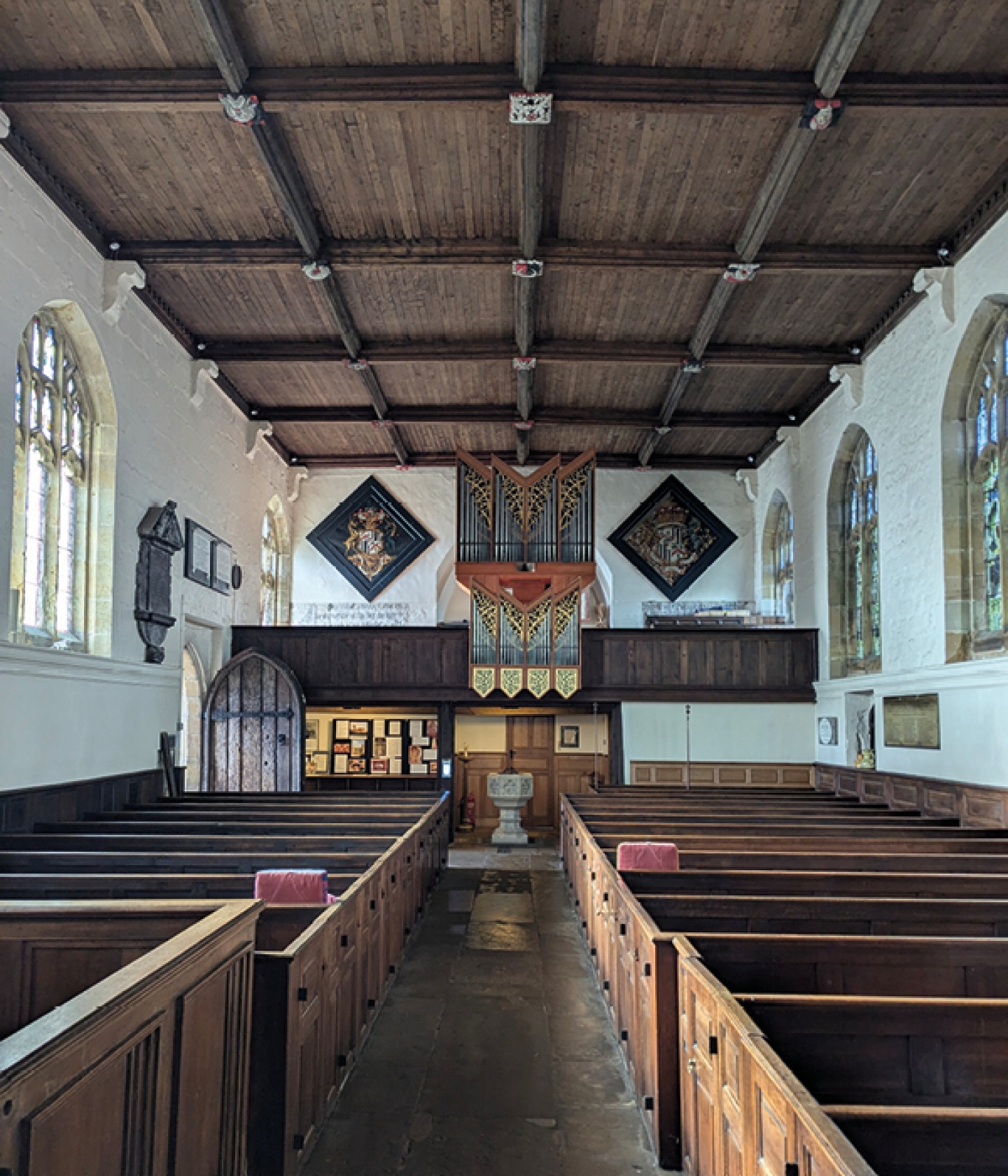
Yorkshire’s medieval churches are shown lots of love, but Rob argues the Victorian churches can be just as fascinating. ‘I think people have this assumption that churches that are entirely Victorian aren’t going to be as interesting which is wrong really. They have great history too. You learn about the families who lived locally and wanted to rebuild the church in a new way, or extend an old church in their village.’ Plenty of ancient history can be found among the details of Yorkshire’s churches too. In Copgrove you can find a tiny medieval church easily missed from the road. A simple nave with pews, this is where you can find the Devil’s Stone. ‘It is quite an interesting and crude figure carved in sandstone, and it definitely does pre-date the building that it’s in,’ Rob explains. ‘People make a special point to go and see this stone because it indicates that there was something here much earlier.’
For rambles, Rob recommends the area around Boroughbridge as particularly rich in churches. ‘To the north you’ve got a church at Kirkby Hill. That’s got a lot of Anglo-Saxon stonework to it and it’s set on the edge of this modern village with great views of some of the hills to the north east,’ he says. Pickering is another highlight.
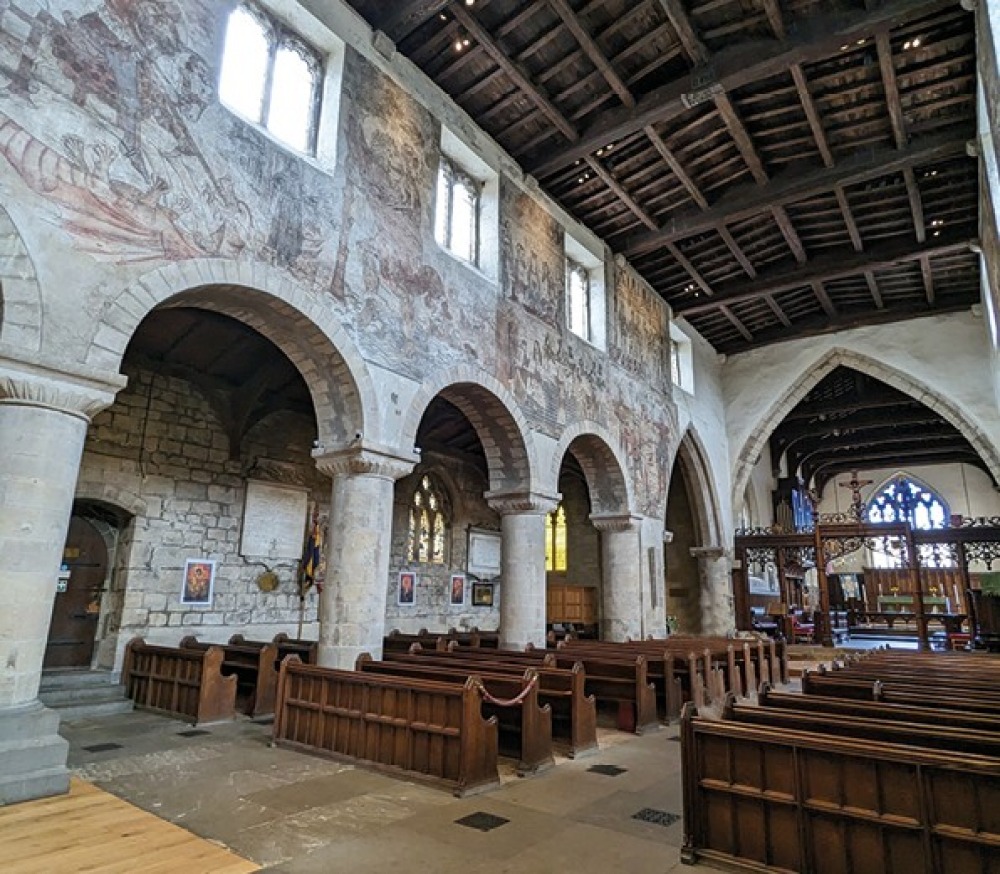
‘Pickering is described as the gateway to the North York Moors and the villages along the foothills in this area are rich in ancient churches so it is also a gateway for church crawling! The parish church in Pickering is well known for its 15th century wall paintings and should not be missed,’ says Rob. ‘But there are several churches such as those at Middleton and Sinnington which boast remarkable pre-Conquest stone sculptures surviving from the Anglo-Scandinavian and Viking periods.
‘From Sinnington there are several well-trodden footpaths to other destinations such as Christ Church at Appleton-le-Moors with its unmissable, elaborate high Victorian-Gothic interior. In the other direction towards Thornton-le-Dale, St Hilda’s church at Ellerburn is a hidden gem of the moorland villages; an ancient church, extensively but sympathetically restored in 1904, with much medieval sculpture to discover.’
Besides their architecture and history, what’s important to Rob is uncovering the community behind each church and their unique story. ‘There is a small medieval church dedicated to St Mary at Lead near Tadcaster which was saved by a group of ramblers in 1931–1932 during what has been described as an interwar period boom in hiking,’ he tells us. ‘Restored and given a new lease of life, St Mary’s has since been known as the Ramblers’ church and is today in the care of the Churches Conservation Trust where it is kept open to visitors on a daily basis.’
If you find yourself making your own church discoveries when out and about, Rob has some top tips on what details to look out for. ‘A top tip would be to always do a lap of the building externally before stepping inside, and to look carefully at the fabric of the building. More than occasionally with a medieval church (or in some instances a later-dating church) which has been restored at some point in its history, you may find evidence of old monuments, grave slabs or decorated stone sculpture, reset in odd positions,’ he says. Another top tip? Turn on the lights! ‘You never know what you might find under the cover of darkness at the end of an aisle; perhaps an old parish chest? Dating a Yorkshire church can be challenging where for example, a medieval church has been altered, extended or restored in later centuries. They can be very old indeed.’
Case in point: St Mary’s in Whitby. ‘This great church set up on the East Cliff overlooking the harbour town is constructed of large blocks of medieval masonry, and the round arches of the old south door and the chancel arch are indicative of a 12th century building,’ he explains. ‘However, the Georgian furnishings and fittings, both internally and externally, and insertion of larger windows, punched through the fabric of the much older building obscure our ability to easily date the building from visual inspection alone.
‘As a general rule of thumb, keep a pocket-sized instruction book of church architecture in your pocket, and over time you will be able to date a building with greater confidence!’ Our advice? Get Rob to come with you instead.