The Future For Women in Construction
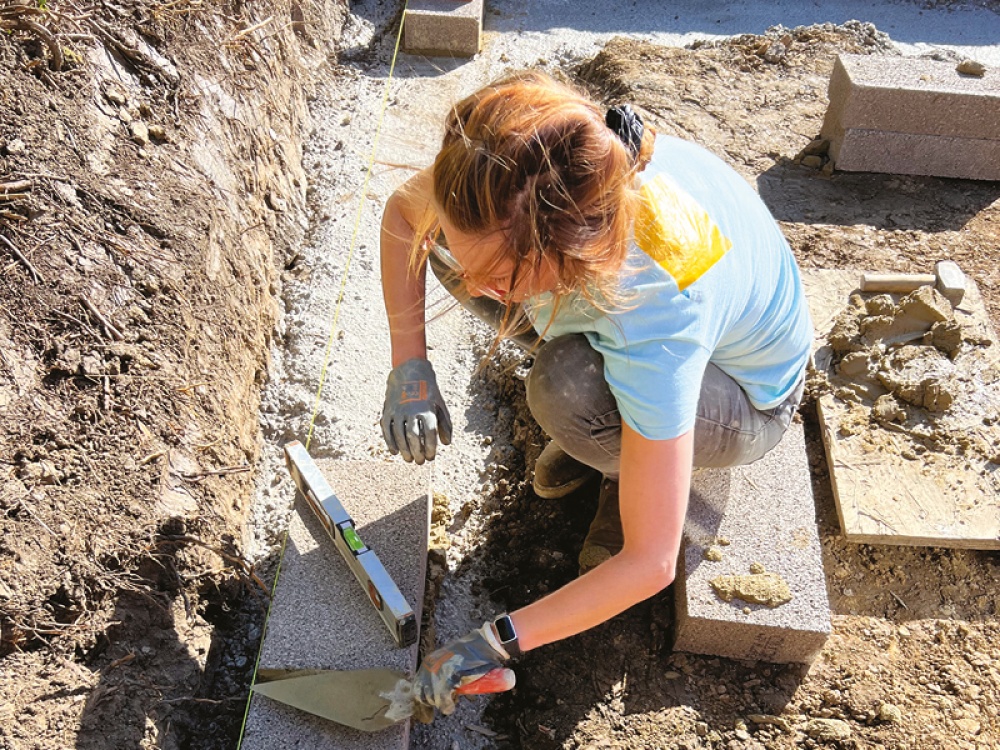
Women make up less than two percent of skilled trades in the UK
helping more women get in, stay in, and thrive in construction.


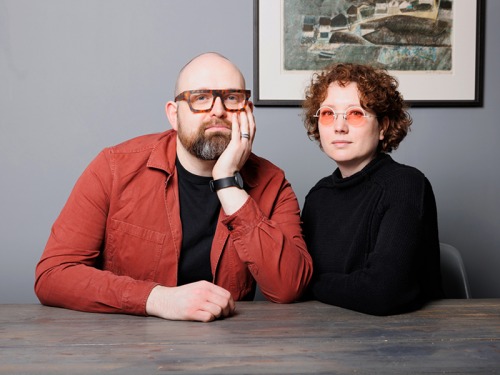
Anna’s background is in user-centred research and design, which is all about understanding how people experience systems, services and products, where they fall short, and how they can be improved to work better in real life. ‘I’ve led and grown multidisciplinary teams focused on solving complex problems, often where people’s needs aren’t being fully recognised or accounted for,’ she says.
Interestingly, she didn’t start out in construction. ‘I came to it through lived experience, renovating my own homes here in the North East, and then applied my research skills to gain a deeper understanding of what I was seeing,’ she explains. ‘We Build Too sits at that intersection: lived experience, evidence, and a practical desire to improve outcomes for the industry, its workforce, and its customers.’
The idea behind We Build Too came during Anna’s renovation. ‘For women, owning a home is still a huge personal achievement (only possible for 50 years),’ she says. ‘Yet too often, when it comes to hiring trades or renovating, that sense of pride is undermined by being talked down to, patronised, or made to feel uncomfortable in their own space.
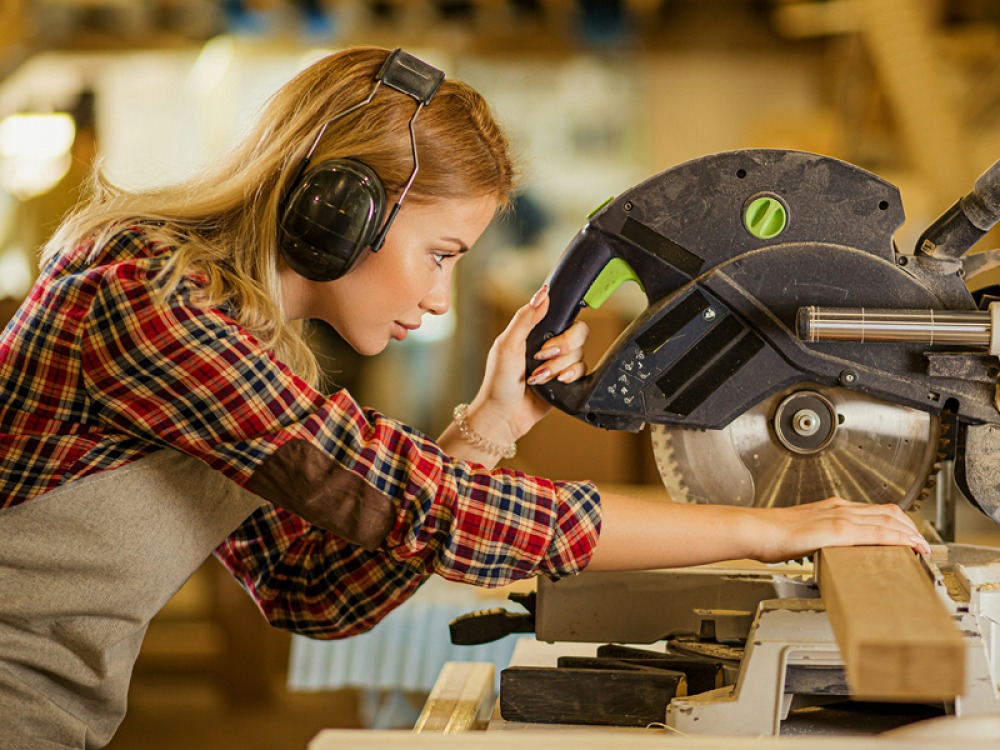
‘At the same time, I couldn’t find a tradeswoman, even though I wanted to, despite data showing that a third of homeowners would prefer to hire one. That disconnect stuck with me, especially when construction is facing such a severe skills shortage.’
So Anna did what she’s best at: applying research. ‘I began speaking to over 100 women working in trades, women trying to enter the industry, educators, employers and industry bodies,’ she says. ‘Clear patterns emerged: women weren’t lacking skill or motivation, but were navigating systems that weren’t designed with them in mind. Common themes included unclear routes in, limited access to support networks, a lack of visible role models, and site cultures that can make progression harder to sustain over time.
‘Women make up less than two percent of hands-on, site-based trade roles (often referred to as being “on the tools”), yet the UK needs over 250,000 additional construction workers by 2028.’
We Build Too wasn’t created to say women are better, Anna explains. ‘It was created to say women are already here and that by making space for them properly, we can improve the industry for everyone: from skills shortages and productivity, to site culture, wellbeing, and the experience of homeowners.’
We Build Too aims to get more women into and thriving across construction and trades, while helping the industry respond more effectively to its biggest challenges. It’s currently founder-led, with support from advisors and collaborators across research, construction, education and inclusion.
‘For women, new to or already in the industry, that means clear pathways, essential skills training, and a safe, inclusive community across all life and career stages (e.g. caring, women's health, retirement),’ says Anna. ‘For employers and educators, it means insight and understanding into what currently blocks attraction and retention, and what actually helps.
‘Long-term, We Build Too is developing a data platform that captures gender-specific insight the sector currently lacks, turning invisible experience into evidence that can inform better decisions across the industry.’
Currently We Build To delivers research grounded in lived experience, engaging with over 100 individuals and organisations to date; workshops for students, early-career women and industry stakeholders (such as PlanBEE at Gateshead College); talks and panels exploring inclusion through a practical, evidence-based lens; and advisory support for organisations wanting to attract and retain women in meaningful, realistic ways.
‘Supporting women into sustainable construction and trade careers helps retain talent locally, strengthens businesses, and creates a workforce better equipped for the future’
‘Everything we do is designed to be useful and drive real, lasting, positive impact,’ says Anna. ‘We can share findings, co-run workshops with students and staff, or advise on inclusive engagement and recruitment – starting now.’
One of the biggest challenges is visibility. ‘As women are such a small minority in trades, progress can be difficult to see, even when change is happening,’ says Anna. ‘Another is navigating an understandably risk-averse industry while trying to introduce new ways of thinking without positioning them as criticism, particularly as someone who isn’t from the industry originally. However, this has become a strength, as I’m independent of construction’s legacy biases and can represent the tradeswomen, customers and industry itself.
‘In terms of success, the strongest indicators have come directly from people. In workshops, women have told me they left feeling clearer and more confident about their place in the industry. One participant said: “After listening to you, I actually felt really empowered. It made me happy to think that highlighting women in construction now could actually help make things totally normal and diverse in the future”.’
Through We Build Too Anna has been invited to speak on panels such as the LevitateHER: Women in Construction event, alongside Dame Kelly Holmes and Dr Carol Massay, to discuss the role of policy and research in the sector. Anna says this has also shown that these conversations are resonating beyond the region.
‘Nationally, construction faces a critical skills gap, with over a third of the workforce approaching retirement,’ she adds. ‘Continuing to overlook women isn’t just unfair, it’s inefficient and no longer reflects reality. In the North East, construction and trades underpin economic growth and long-term opportunity. Supporting women into sustainable construction and trade careers helps retain talent locally, strengthens businesses, and creates a workforce better equipped for the future.
‘This isn’t about fixing women, it’s about fixing systems that currently block them.’
For women looking to build a career in construction and trade in the North East. Anna’s advice is to be curious, and don’t rule yourself out early. ‘Speak to people already doing the work, visit sites or training providers, and ask direct questions about culture, facilities and progression,’ she adds. ‘You don’t need to fit a stereotype to belong. The industry needs new perspectives just as much as it needs technical skill, and often, the two go hand in hand. Check out local programmes across colleges in the north for entry points.’ We Build Too can help with this.
According to Anna, children begin forming ideas about gender as young as two years old. ‘Making it clear to young girls and boys, and their carers, that construction can offer fulfilling, well-paid, long-term careers really matters,’ she says. ‘The industry offers over 180 different roles, strong progression, opportunities to travel, and skills for life that won’t be wiped out by AI any time soon.
‘If you’re a parent or a guardian, try not to let your own fears or assumptions shape the advice you give. Ask questions, highlight what needs to change, and look to the excellent educators in the region who are actively working to make construction more accessible for women.’
Anna hopes that We Build Too becomes a trusted, investable platform that sits between women and the construction industry, translating lived experience into insight, and insight into action. ‘We want to build something that is both mission-led and commercially sustainable, with impact that reinforces itself over time,’ she says.
She hopes diversity stops being treated as an exception or an initiative and becomes part of how the industry works, and wants to see women thriving on sites, in offices, and in leadership – where careers are chosen by talent, not gender.
webuildtoo.com