Gentleman Jack is Being Told Through Ballet for the Very First Time
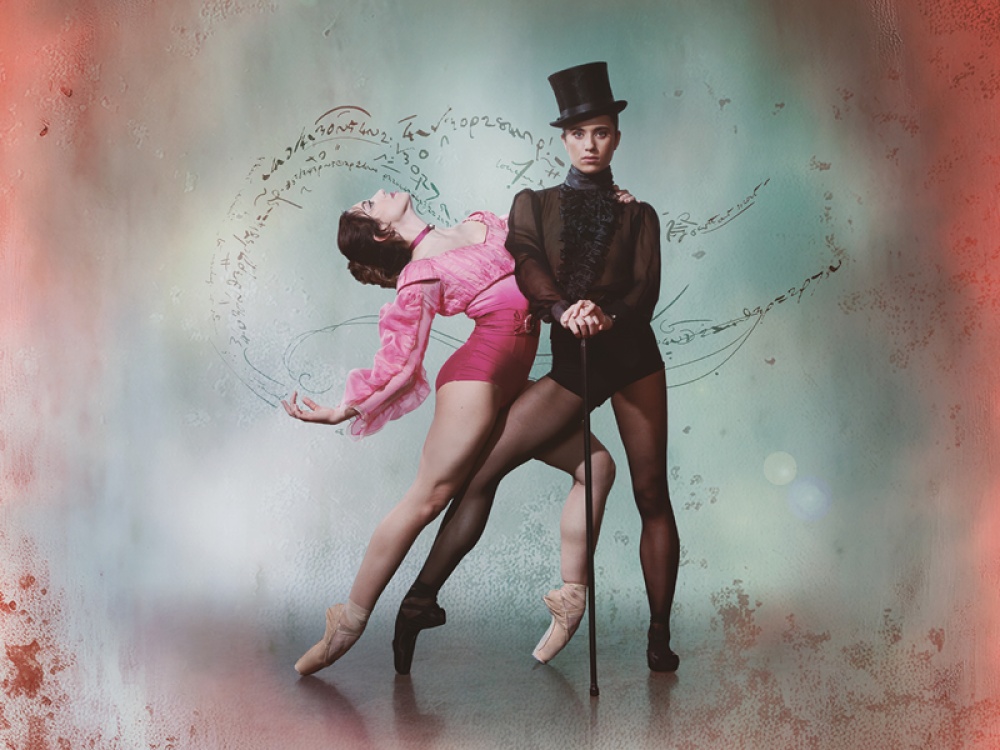
Northern Ballet's Gentleman Jack made its world premiere in Leeds this spring


Often described as ‘the first modern lesbian’, Anne Lister (of the renowned Lister family who owned Shibden Hall for more than 300 years) was an English diarist, LGBTQ+ trailblazer, and a unique figure in 19th-century Halifax. Her extremely detailed diaries written over the course of 34 years have inspired many, most notably Yorkshire’s own Sally Wainwright who wrote and created the BBC’s drama series Gentleman Jack, filmed at Shibden Hall. But never before has Anne’s story been told in ballet.
Northern Ballet’s groundbreaking new production is the company’s first large-scale commission since 2021, and also the first under artistic director Federico Bonelli. This new interpretation of Anne’s life has been choreographed by multi-award-winning Annabelle Lopez Ochoa alongside a largely female artistic team, including Sally Wainwright as creative consultant.
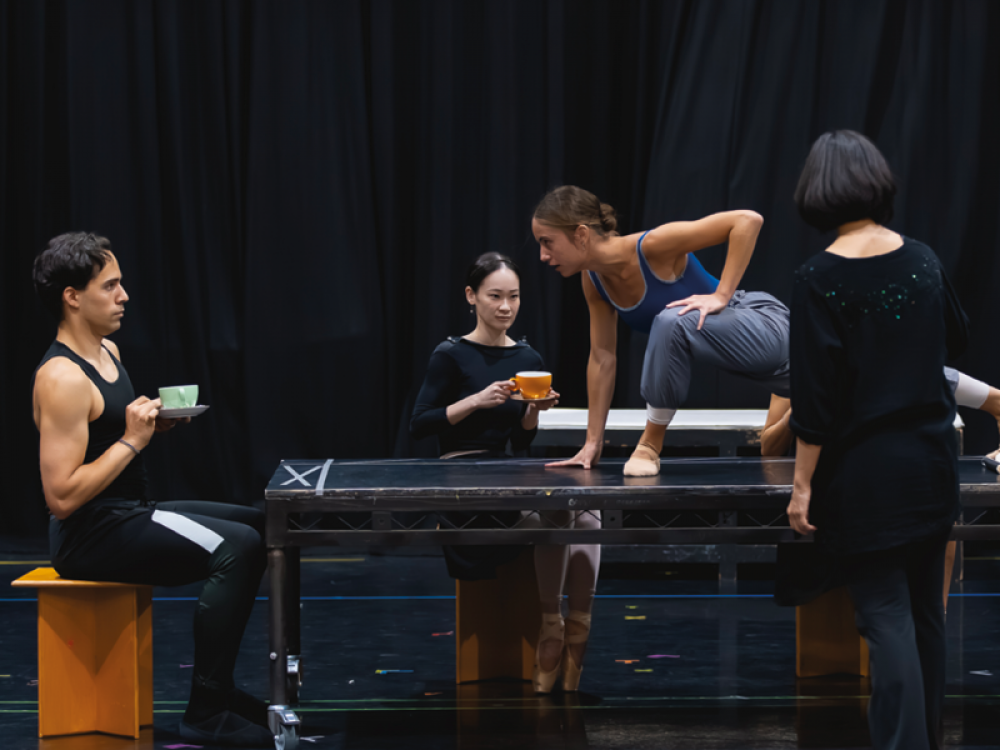
Clare Croft is the dramaturg for the production. Working primarily in the US, she’s also a scholar and curator and brings unique knowledge as the editor of Queer Dance, published by Oxford University Press, which explores relationships amongst dance and politics, gender and sexuality. ‘There’s obviously a lot of material about Anne Lister, that she produced, as well as the various adaptations, and it was about trying to figure out what path the ballet should take through that material,’ says Clare. ‘More recently, I’ve been going back and forth to Leeds and have been in the studio with Annabelle and the dancers.’
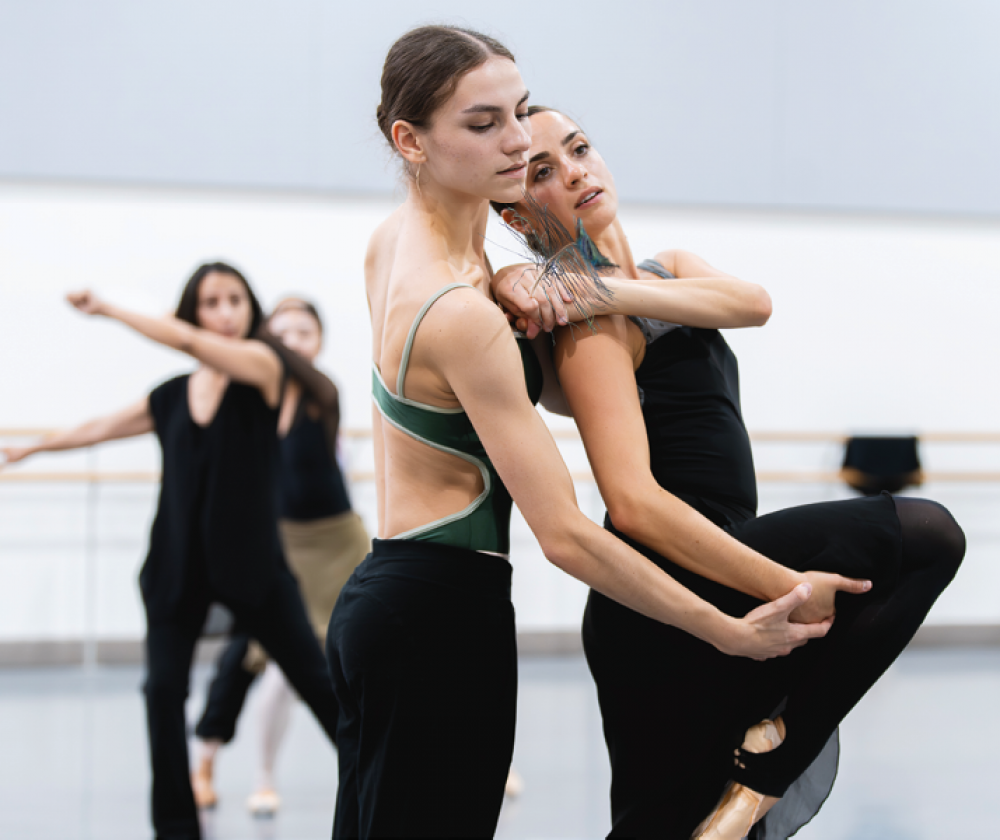
Real life stories are rarely depicted in ballet and Clare believes that’s what’s so special about this one. ‘Anne Lister is a complicated person. She was breaking all kinds of norms around gender and sexuality,’ says Clare. Clare believes Anne’s is an important story to reflect on in the 21st century. ‘There’s a lot of really juicy roles for women – particularly the love triangle of Anne Lister, Mariana Lawton and Ann Walker,’ she adds. ‘That’s one of my favourite things about the ballet, we get the three lead women who are quite different from one another and who have very different relationships.’
Research has been key and it all started with Anne’s diaries. ‘I think everyone on the creative team has been reading them in some shape or form,’ Clare says. Sally’s TV show also helped with research. ‘As somebody who studies lesbian history, I certainly knew of Anne Lister, but when the TV show came out people were having watch parties and were kind of obsessed! I think it’s been interesting how our process drew from both the historical information and incredible fan attachment to Anne Lister. The whole team were thinking about how to shape the story for a ballet stage.
‘There’s a quip that people often turn to in ballet that George Balanchine, a well-known Georgian-American choreographer, said: “there are no mother-in-laws in ballet” [avoiding complex relationships that are hard to convey in a nonverbal art form]. Part of that distillation means the first act deals more with the love triangle between Anne Lister, Mariana, and her husband Charles, and while we meet Ann Walker in the first act, the second act is much more focused on the arc of that relationship and the younger, less experienced Ann Walker meeting the person who she historically (and in representations) is always drawn to, and her figuring out what that draw is. Is it about Anne Lister’s independence? Is it about a romantic attachment? Is it about a woman who’s just moving in the world really differently? That’s a compelling notion. We have also retained thinking about how Anne was moving in the public business world of men, and that’s another narrative that runs actually through both acts.’
'The dancers have put their all into this new and exciting project that’s pushing the boundaries of classical ballet'
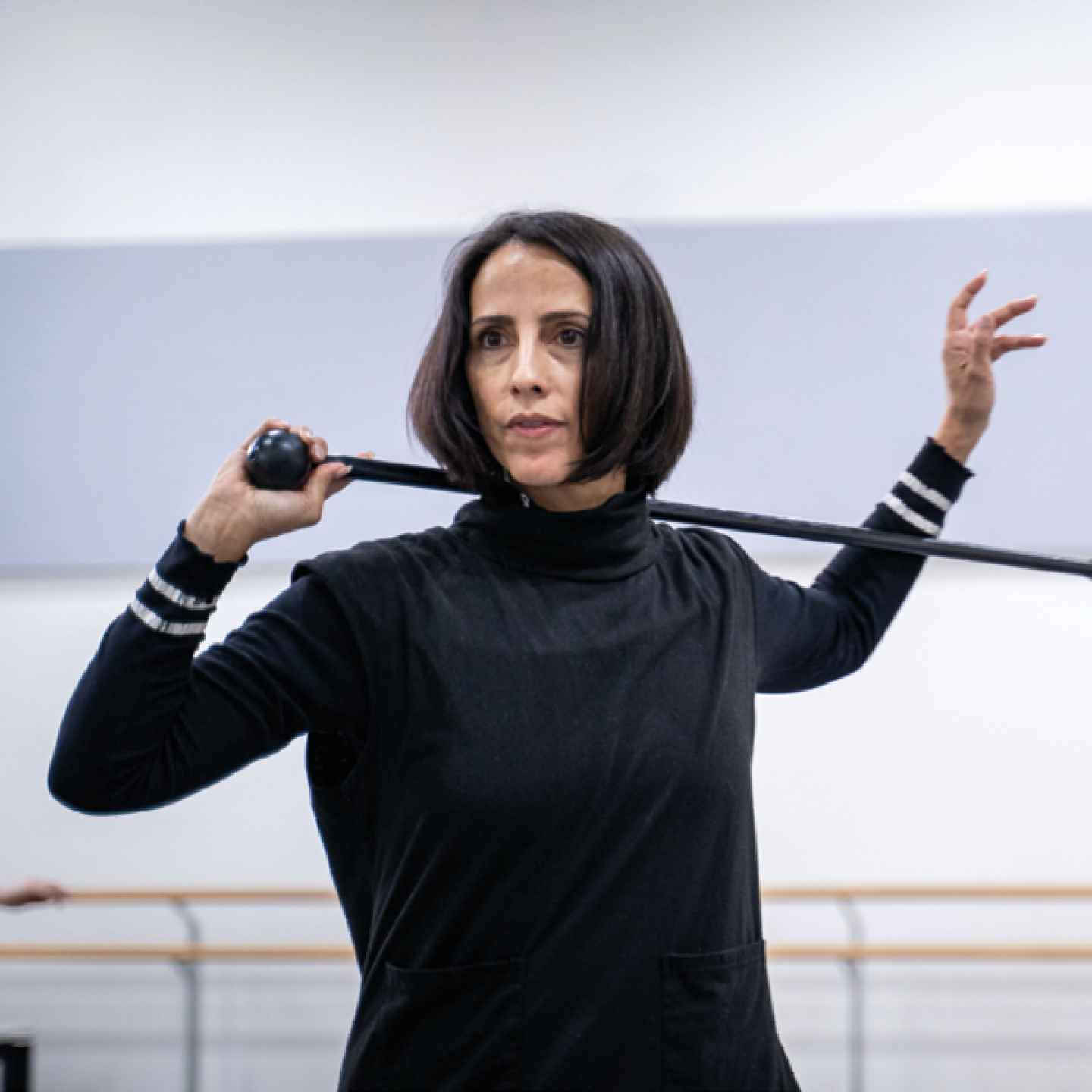
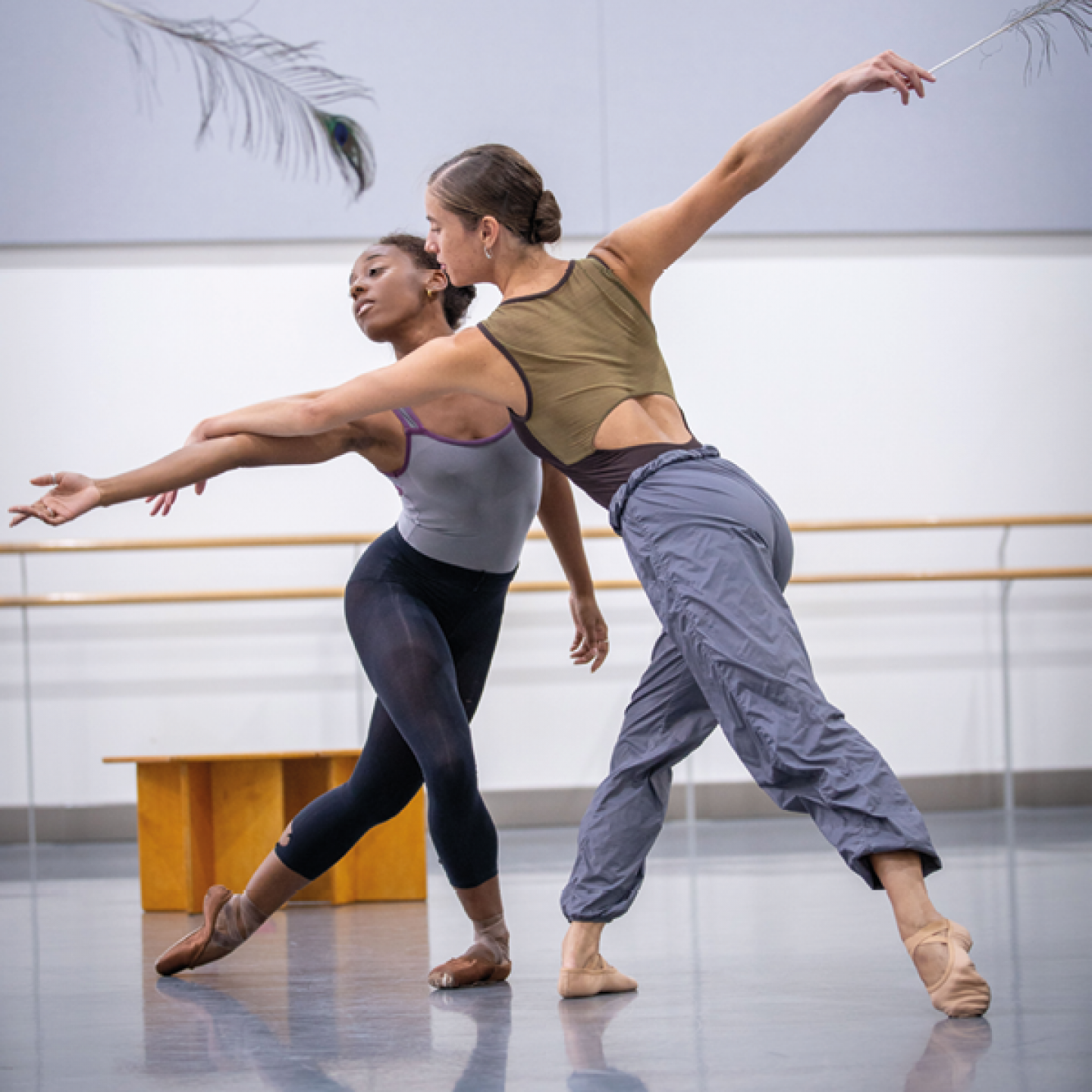
Costume designer Louise Flanagan was a ballet dancer and now primarily works for dance productions. She’s particularly excited because this is her first big production in the UK, and she praises Northern Ballet for choosing to retell Anne’s story. ‘We’re tackling a local story, which makes it very exciting for Yorkshire and the North of England,’ she explains. ‘It’s nice to have this historical context to it too, that she was a real woman. It’s also nice to tell a gay woman’s story, especially in ballet. I think it’s that combination of bringing new audiences in from today who might not otherwise see themselves represented in ballet, but using historical material. This is why we want to cover it, because it’s nothing like anything we’ve seen before.’
The costumes in the TV show were designed by Tom Pye and Louise agrees they’re very elaborate, and perhaps more historically accurate than those we’ll see in the ballet. ‘The time period was very fussy. There was a lot of fabric, especially for women, which was quite constricting in terms of movement,’ she explains. ‘So we’ve tried to take elements of that time period and give it a bit more of a modern twist, and also reveal a bit more of the dancers’ bodies, because that ultimately is their storytelling tool.’ Through colour and texture the audience will be able to identify characters on stage. ‘We’ve really tried to give each of the main characters a colour so when, in the second act, they change costume, they’re still in the same colour. There’s famous quotes from Anne Lister that she, at some point, decided to wear only black. We have added a bit of dark green into her costume, which blends her with her family. We’ve tried to include belts in a lot of the female costumes and we’ve also used peacock feathers, which were a queer symbol of the time.’
Both Louise and Clare say it’s amazing to see the performance coming together. ‘The costume designs that Louise has done feel really important,’ says Clare. ‘The materials and industries of Yorkshire are very much informing the costumes and the set design features. We are really trying, in various parts of the ballet, to locate it in Yorkshire, similar to how the vistas that we see in the TV show do. It was interesting that when we were putting the story together, Annabelle and I just kept saying, “gosh, this woman loves walking” and until I started coming to Yorkshire to do this I wasn’t quite able to understand that, but now having spent some time in the landscape around Shibden Hall, I think there’s just something about this woman striding across the land. All the pieces are coming together in really interesting ways.’
The dancers have put their all into this new and exciting project that’s pushing the boundaries of classical ballet. ‘I think this ballet is stretching them, the vocabulary is a mix of contemporary and classical, the story is different than any they’ve told, and at every turn the dancers have been open,’ Clare says. ‘That has been really exciting.’
The hope is that both classical ballet lovers and first-time ballet goers experience it. ‘It doesn’t matter if you have knowledge of ballet, or if you don’t,’ says Louise. ‘It doesn’t matter if you have knowledge of queer communities, or don’t – you’re able to see the human themes in it, the struggles that she had, her love life, her losses, and so there’s something for everybody to take from it, regardless of who you are,’ she says. ‘It’s been a great team to work with. It feels very special. It’s been a very different project for me because there’s all these different sources of inspiration and research – the historical context, the queer context – it’s been a challenge and great fun. For it to be my first big project in the UK, and in the North of England where I’m from, and a story that still feels very current today, I couldn’t really ask for a more exciting project to be working on.’