Meet the Explorer Reaching all the Poles of Inaccessibility
Harrogate explorer Chris Brown is attempting to become the first person in history to reach every Pole of Inaccessibility in the world. Living North catches up with him to find out why


Defined simply as the points on a map which lie the furthest from any boundary (such as the sea or a political boundary), these Poles of Inaccessibility are remote and often dangerous to reach. To date, the highest number of poles a person has reached is three – except for Chris. Recently returning from the Arctic’s Pole of Inaccessibility, Chris only has one more to reach until he completes his goal. When we catch up with him between expeditions, he tells us how he caught the travel bug early.
‘It’s obvious now but I’ve always liked travel,’ he says. Chris took his first trip abroad in university. ‘At university it was the dawning of the age of cheap flights. Where most students worked in the summer, I worked at Christmas to earn money so that I could then go travelling in the summer, like hitchhiking around South America.’ Seeking out destinations off the beaten track was a pattern for Chris, who enjoyed the experience of bartering for a bed for the night and talking to the locals. His early adventures included visiting Machu Picchu before it was a major tourist destination.
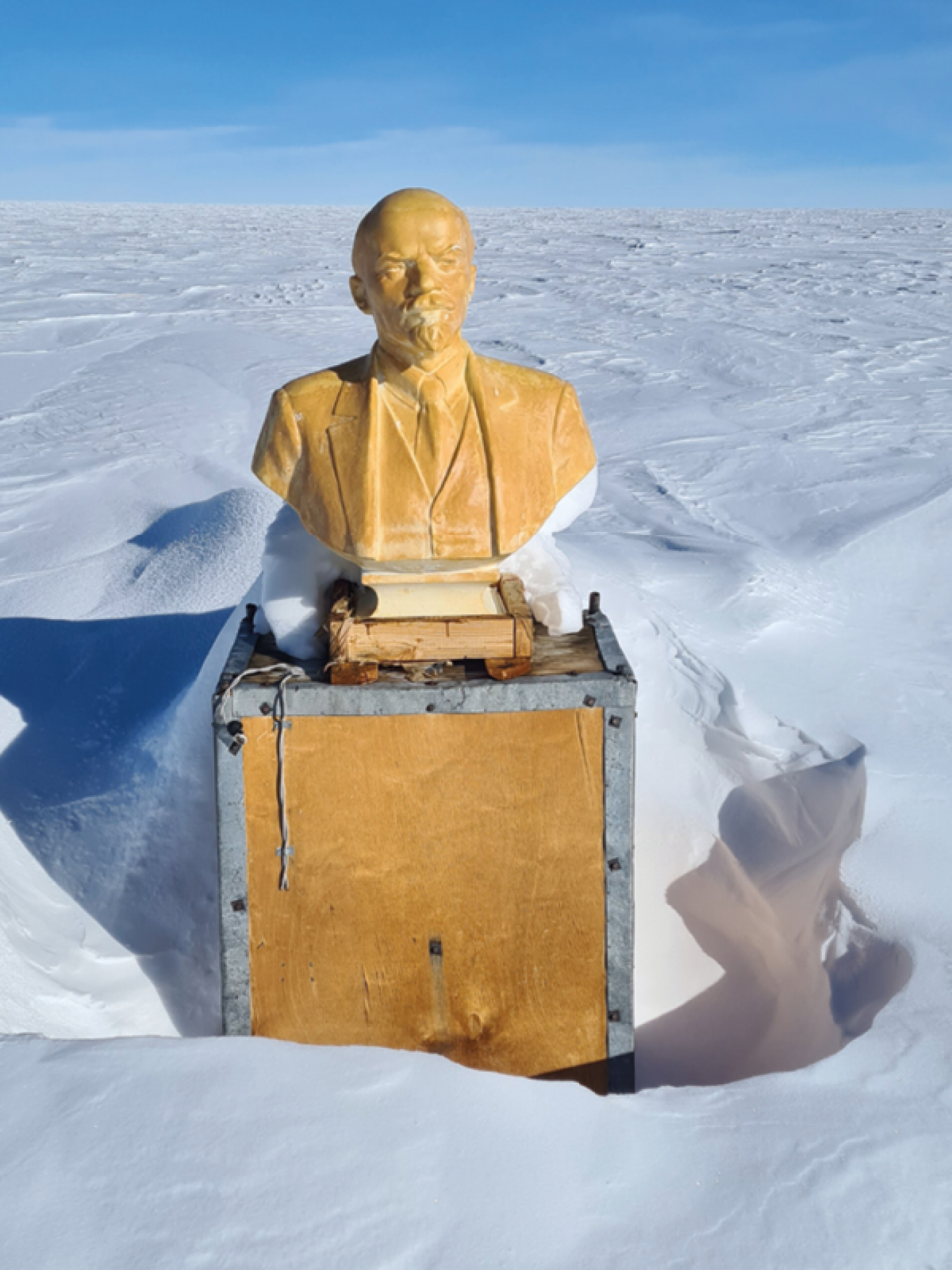
Over the years Chris’s travelling ambitions grew and a childhood fascination with space led him unexpectedly to the Antarctic. ‘I signed up with Virgin Galactic to go into space. Through those connections, I learned that Buzz Aldrin was going to the South Pole and they needed other people to go with him,’ he explains. That’s when Chris first heard of the Poles of Inaccessibility from a guide.
Interest piqued, his full plan to reach the Poles didn’t take shape until a sleepless night at Everest Base Camp, where Chris and others were attempting to throw the world’s highest dinner party for charity. ‘Base Camp is a miserable place,’ he says. ‘You might get some sun but you get an awful lot of wind. It’s very cold, you’re low on oxygen, and you’re sleeping on rocks.
‘During one of those sleepless nights I got to putting the two together in my head and thought about doing the Poles of Inaccessibility on each continent’
‘At that camp I’d met some people doing the Seven Summits, which is the highest mountain on each continent. I thought that was quite a cool project. It fitted in with the typical man thing of ticking stuff off!’ But (despite being on Mount Everest) Chris didn’t have a great passion for mountaineering. Instead, he thought back to the Poles of Inaccessibility. ‘During one of those sleepless nights I got to putting the two together in my head and thought about doing the Poles of Inaccessibility on each continent. At that time the most anyone had done was three, and apart from myself the most anyone still has done is three.’
Since then, Chris’s mission to reach the Poles has taken him to the Central African Republic, South Dakota, western Brazil, Antarctica, the Arctic, Australia and Point Nemo (the oceanic Pole which is the farthest point from land). Each pole came with its own challenges, and presented varying degrees of difficulty.
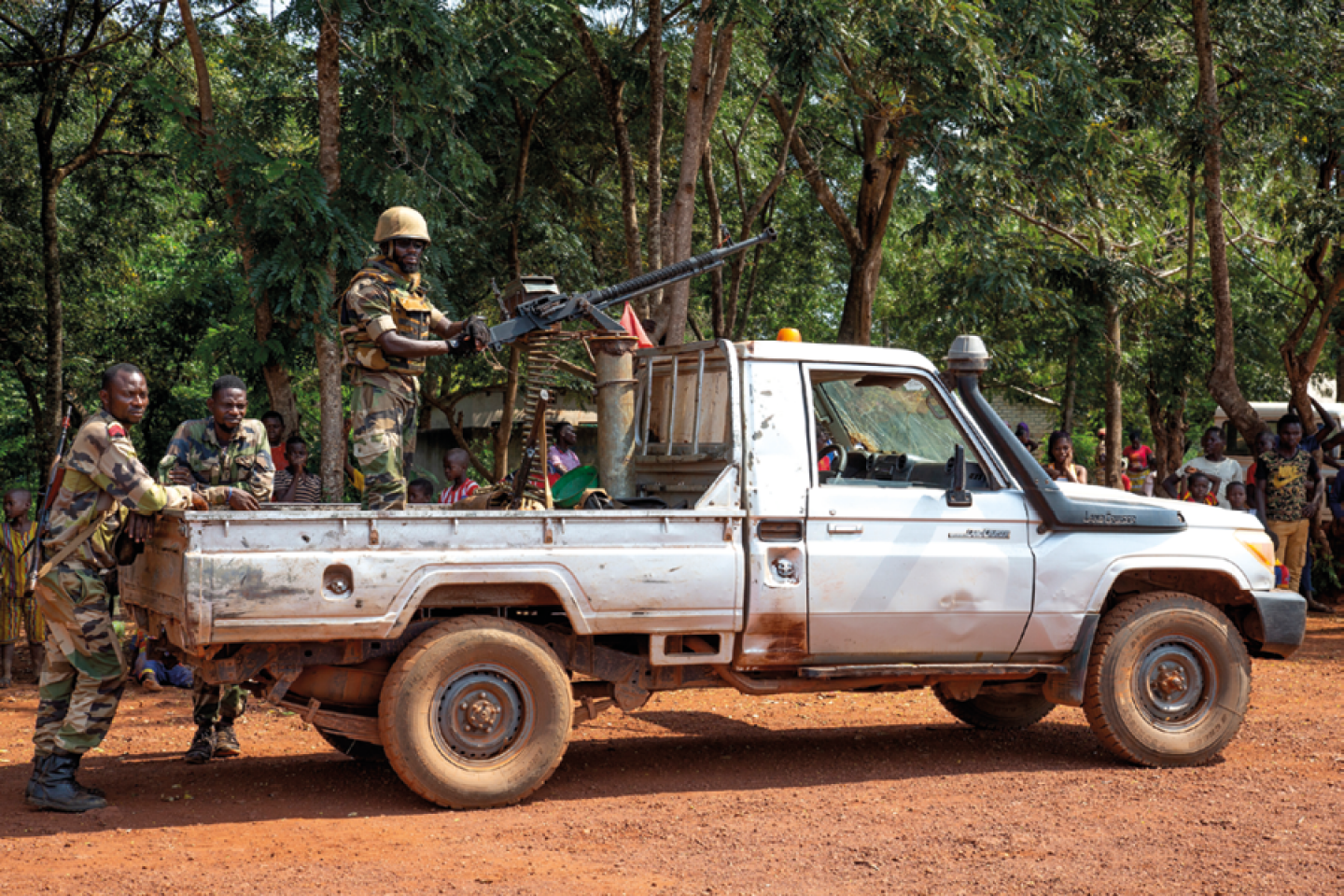
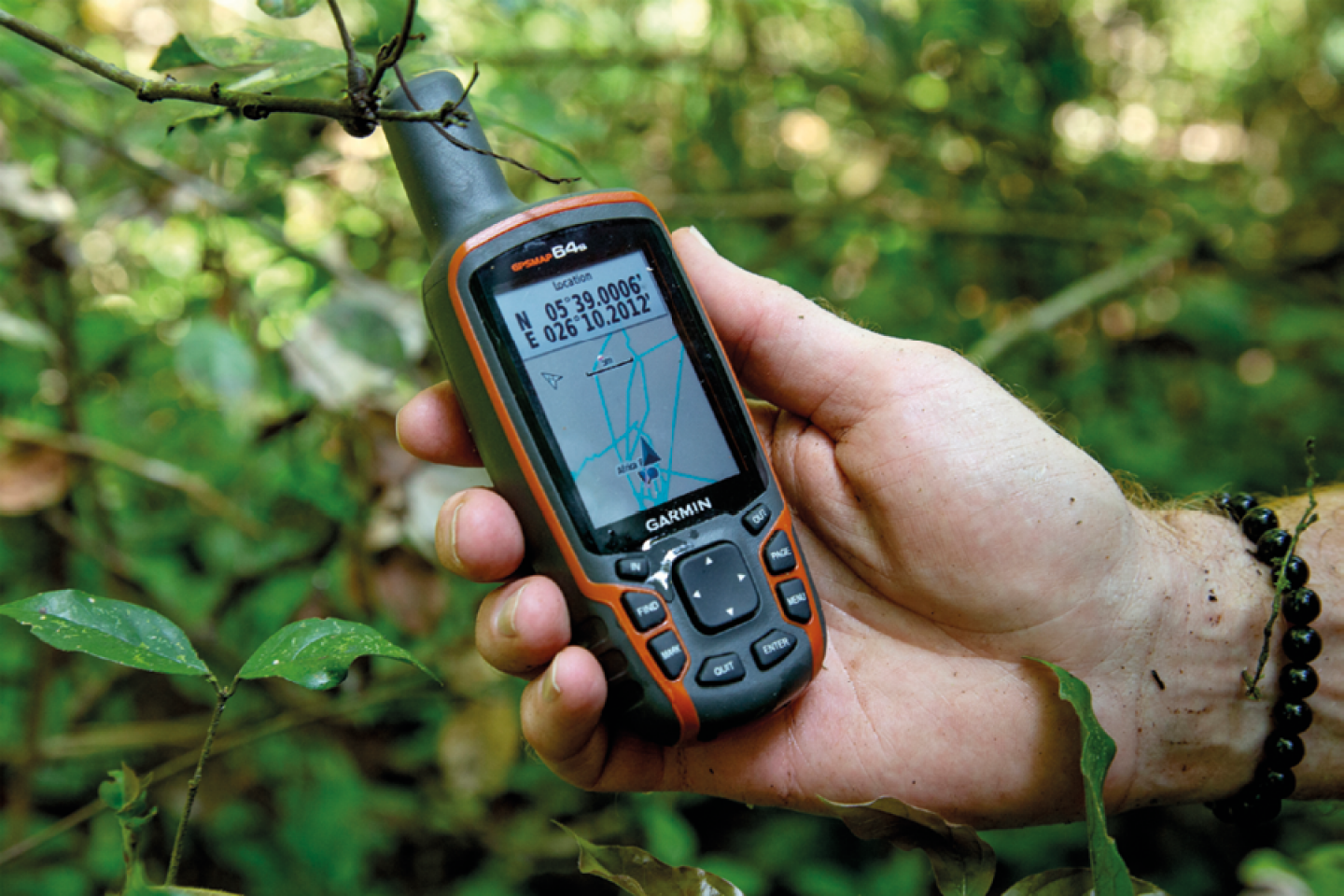
North America was the most straightforward for Chris, who was able to fly in, hire a car and drive to it in South Dakota. Australia was again surprisingly straightforward, despite the harsh conditions of the Outback. Chris then decided to take on the Central African Republic. ‘I thought I’ll fly into the capital, hire a car, drive out to this place called Obo on the map, and find some local to take me to it.’ During the planning, Chris realised that the political climate in the country would make this an extremely dangerous, if not impossible approach. ‘It’s not a safe place physically because of the guerrillas, the Wagner Group (which has been renamed), ISIS, there’s government guerrillas, there’s anti-government guerrillas, there’s corrupt police, there’s just plain bandits, and then you throw in all the nasty bugs including ebola.’ In the end, three years of planning meant that Chris was able to reach the Pole (the first to ever do so), with help from special forces soldiers.
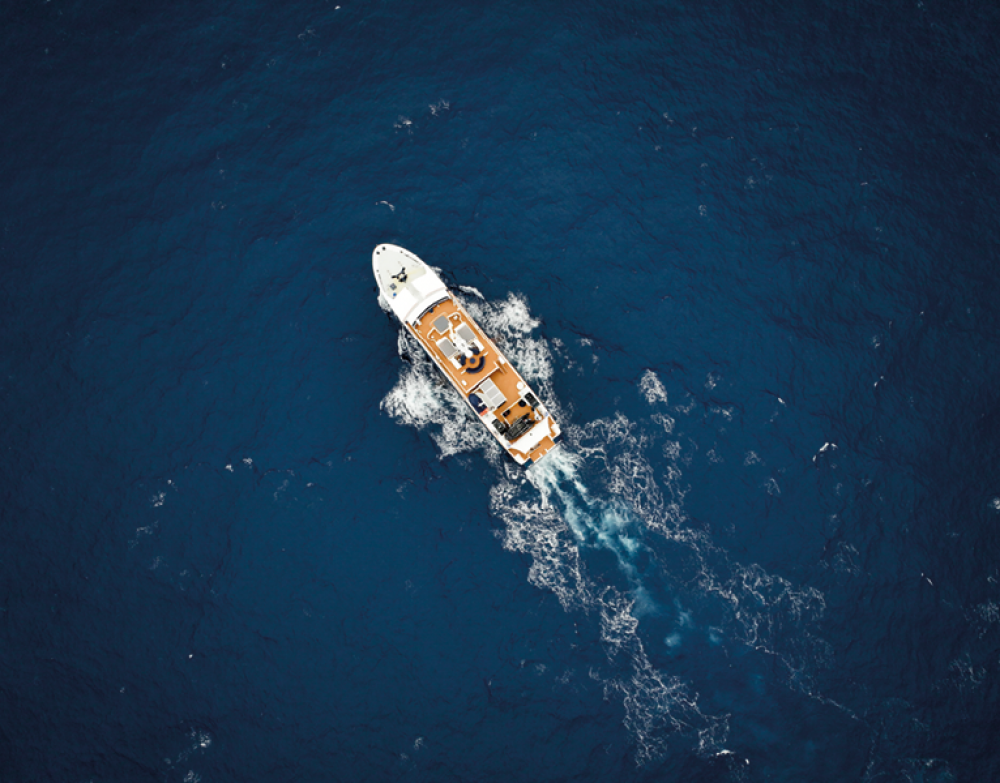
Other Poles were difficult to reach due to their remoteness, meaning there was no help coming should Chris end up in trouble. ‘[Point Nemo] is 2,700 kilometres from anything. There’s no shipping routes that go that way because it’s so far from anything. When you’re there, the closest people are the people in the International Space Station.’
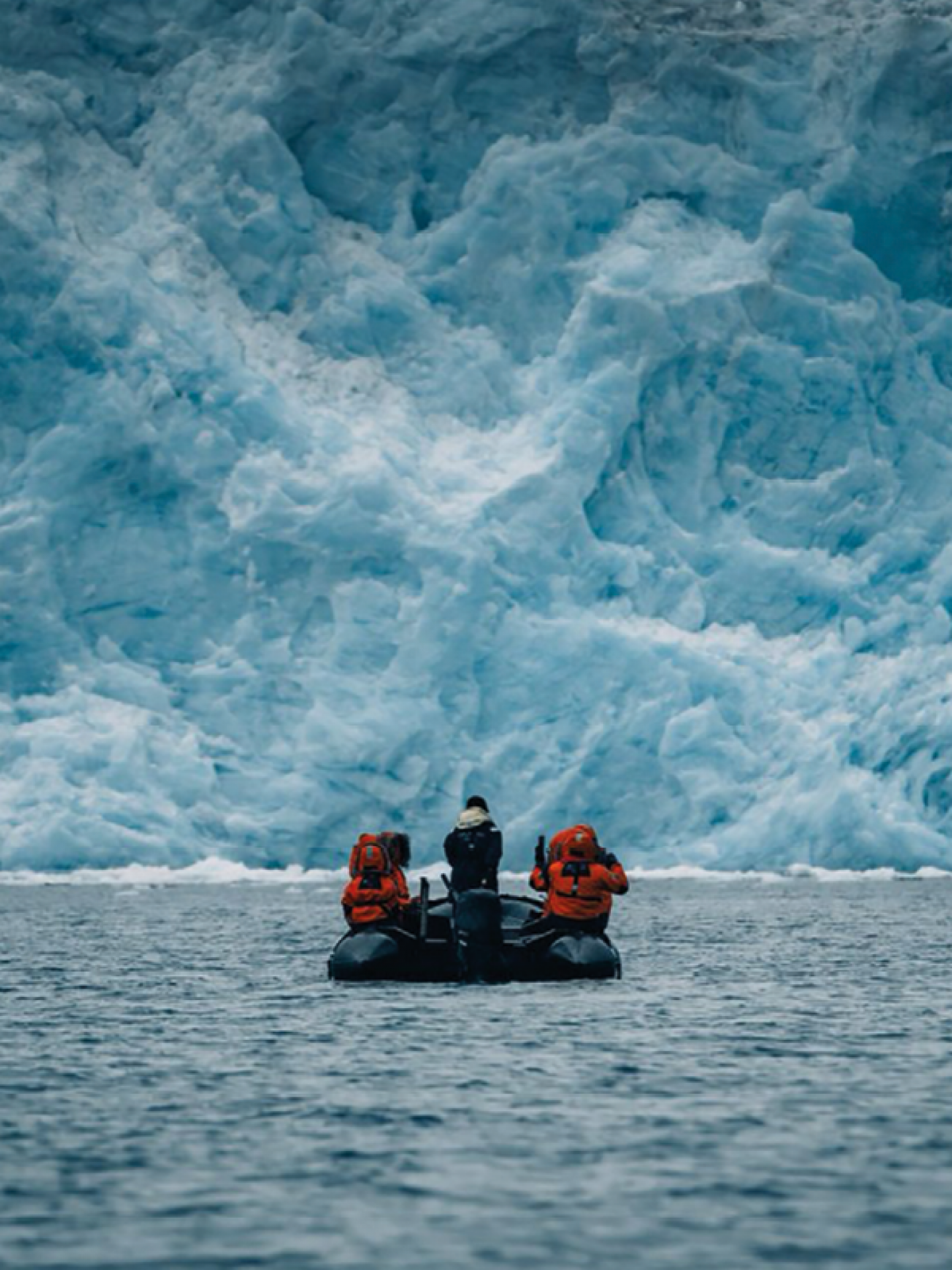
Antarctica was similarly daunting. ‘There wasn’t a runway, there was no weather station either. You relied on satellites which were infrequent at that point. You’re at high altitude, and low on oxygen. I was in the only vehicle on the continent capable of getting to where I was. If the plane had broken down, or if we’d crashed, we were goners. Nobody was coming to save us.’
To those who can only dream of trekking across the barren expanse of the Antarctic, Chris’s daring-dos seem unbelievably risky. But Chris doesn’t see it that way and when it comes to reaching the Poles, he isn’t in it for the thrill. ‘When you’re doing it, you’re in the process and I’m always thinking what do I have to do next?’ he explains. ‘I’ve planned it as much as I can. I’ve brought in loads of experts and I’ve spoken to loads of people before I even set off. I’ve got a pretty good picture of how it’s going to look in my mind.’
He does appreciate however that for his loved ones at home who haven’t been part of the intricate planning, the fear of the unknown can be stressful. ‘The one thing that’s become apparent is that this is all run of the mill for me within reason. When I’m doing it I know what I’m expecting. I know probably a rough parameter of what things can go wrong, but what I’ve not really realised over this period is that people who know me, and love me, don’t have that feeling,’ he explains. ‘They have a bigger scope of worry than me in some ways. I know more about what can go wrong but because I know what can go wrong it’s more tightly controlled.’
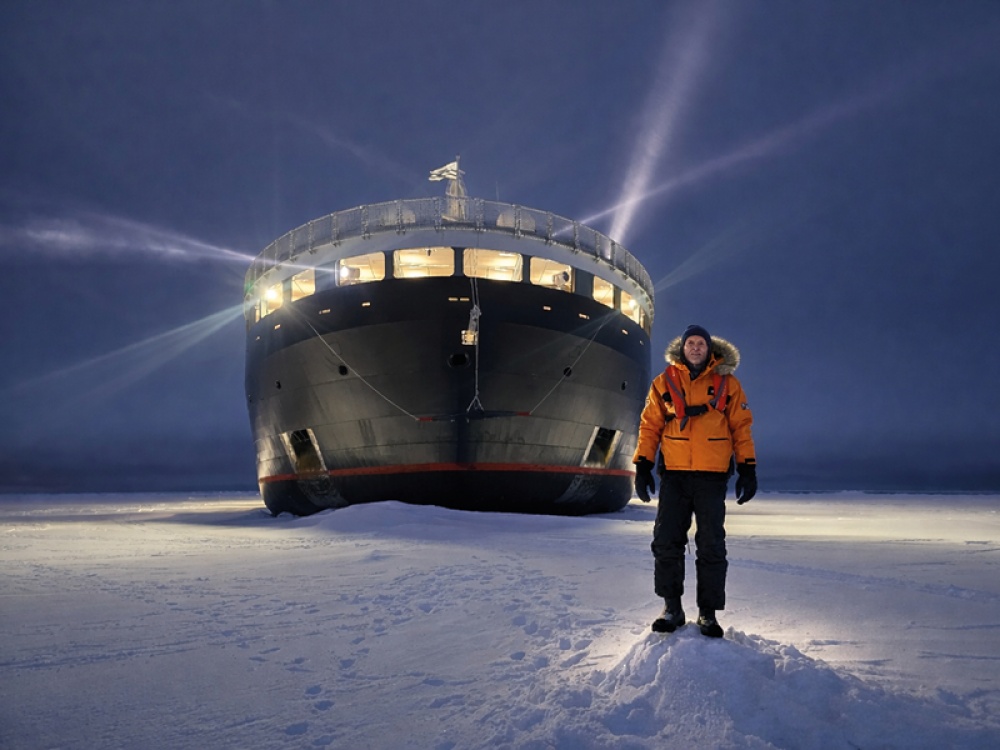
Planning is obviously an essential part of Chris’s process, and an ability to adapt is crucial too. The most recent trip to the Arctic was particularly hard going, as the Pole lies in an area that shifts and changes with the seasons and ice flow. ‘I tried to get to it on sleds and got caught up in the Russian-Ukraine war so planes weren’t flying. When I eventually got there this year, on a French Icebreaker, I saw that my original plan to try and get there on foot climbing over pressure ridges would have been nigh on impossible.’
Though the remaining Eurasian Pole of Inaccessibility will undoubtedly hold environmental challenges, Chris’s largest obstacle is very human in nature. Lying in north west China, Chris has been steadfastly trying to work through Chinese bureaucracy to gain permission to travel. In the meantime, he laughs when we ask him what his next big plans are. ‘That’s always the question, what’s next?’ It was the first thing he was asked when successfully returning from Antarctica. ‘Is that not good enough? I’m going to have to come up with something because I’m going to get asked that question so much. But right now I haven’t got one.’