The Most Memorable Way to Explore the Scottish Highlands
Did you know you can canoe across Scotland?


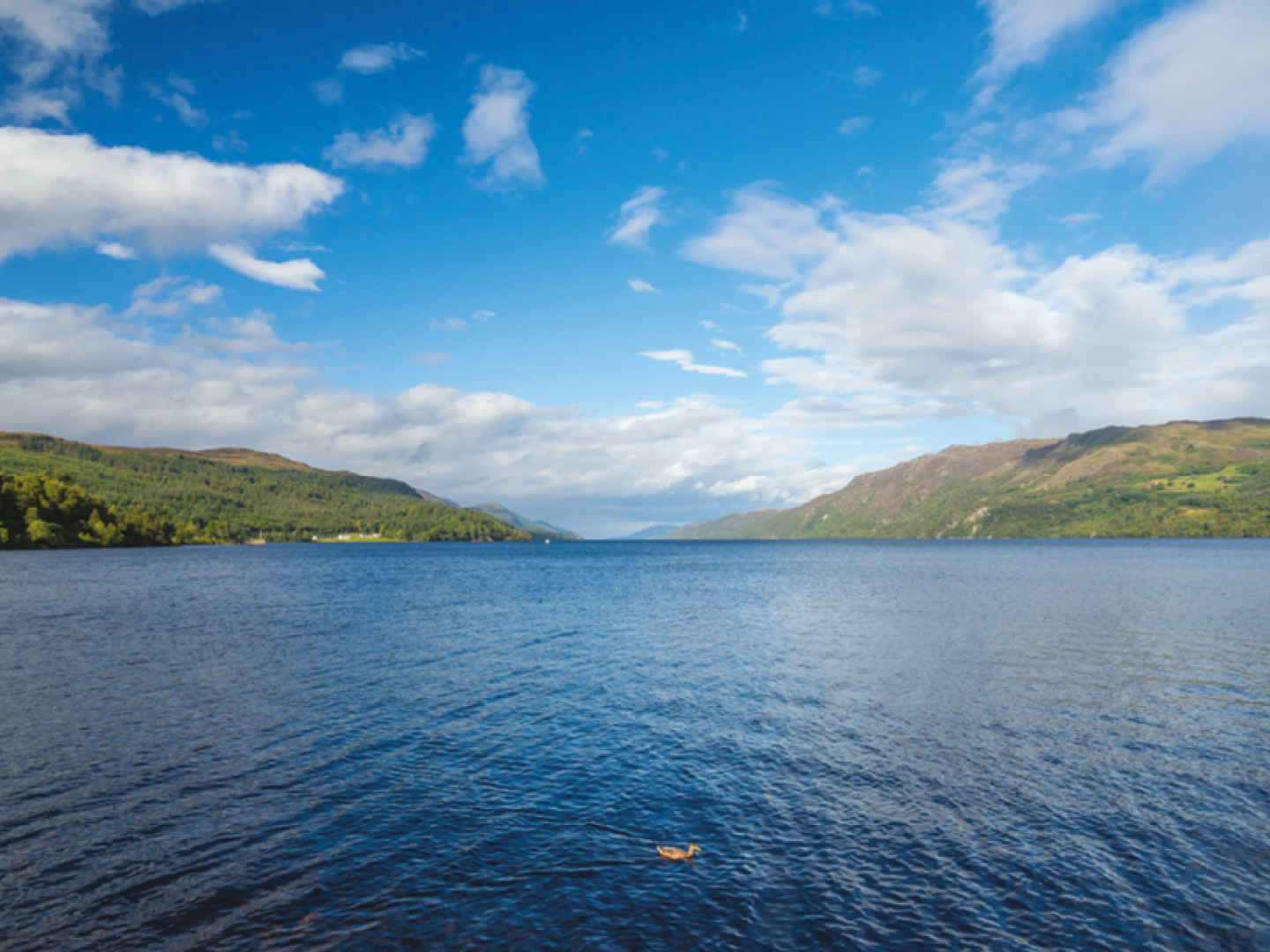
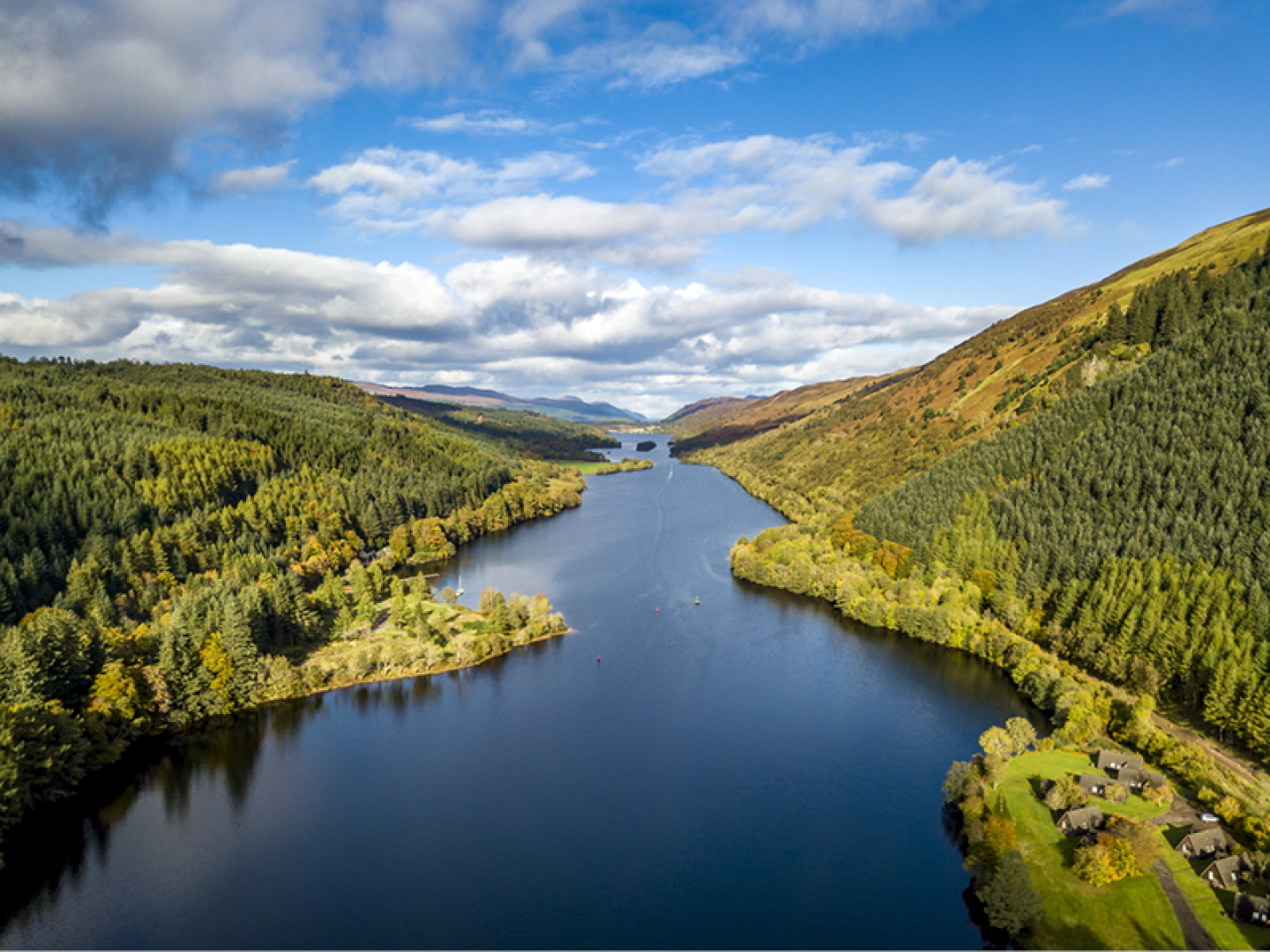
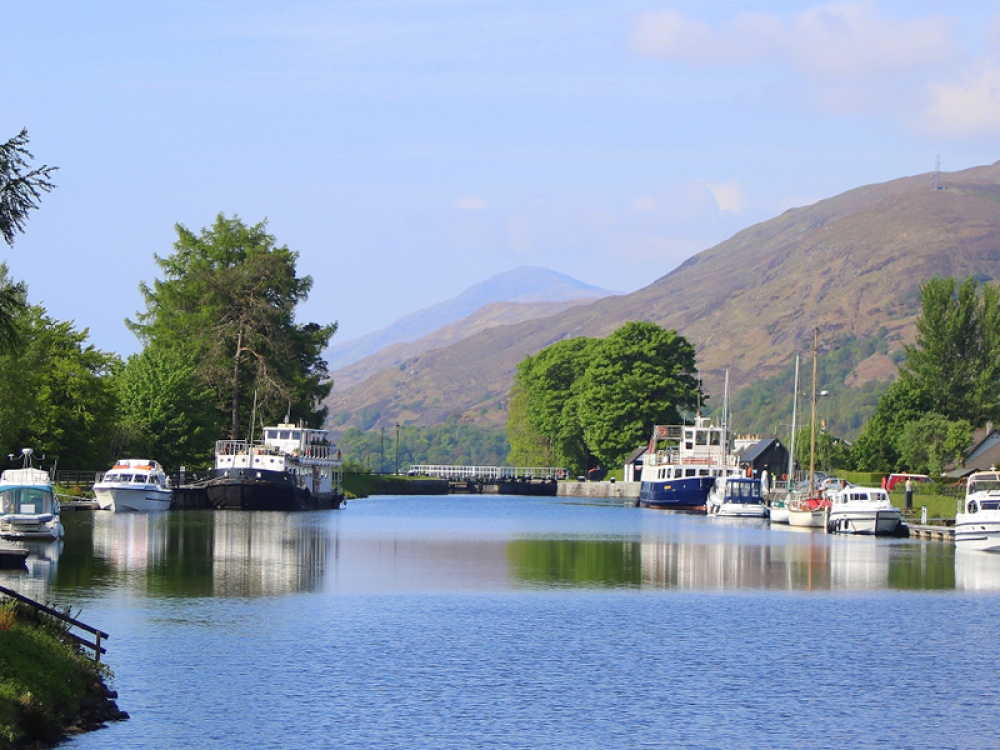
Following the line of the Great Glen, this coast-to-coast route is a mix of wild, open-water paddling and calm canal navigation, covering roughly 60 miles (97 kilometres). Starting in Fort William where the Atlantic waters of Loch Linnhe meet the inland route of the canal you are in the shadow of Ben Nevis, its presence a constant reminder of the rugged landscape you’re going to traverse. Almost immediately you’ll encounter Neptune’s Staircase, a dramatic flight of eight locks that lift boats gradually into the canal system. While canoes are often portaged around the locks, the experience gives you an up-close look at the ingenuity of Thomas Telford, whose early-19th century vision transformed this natural fault line into a navigable route.
Beyond the locks, the canal opens into a series of interconnected lochs, beginning with Loch Lochy, and through Laggan Lochs on the way to Loch Oich and a gentler introduction to canoe travel. The water is often calm, especially in the early morning when the mist lingers low over the surface and the surrounding hills are reflected like glass. Forested banks and occasional clearings provide places to land, rest, or even camp, and the absence of roads and noise allows you to fully absorb the stillness of the Highlands.
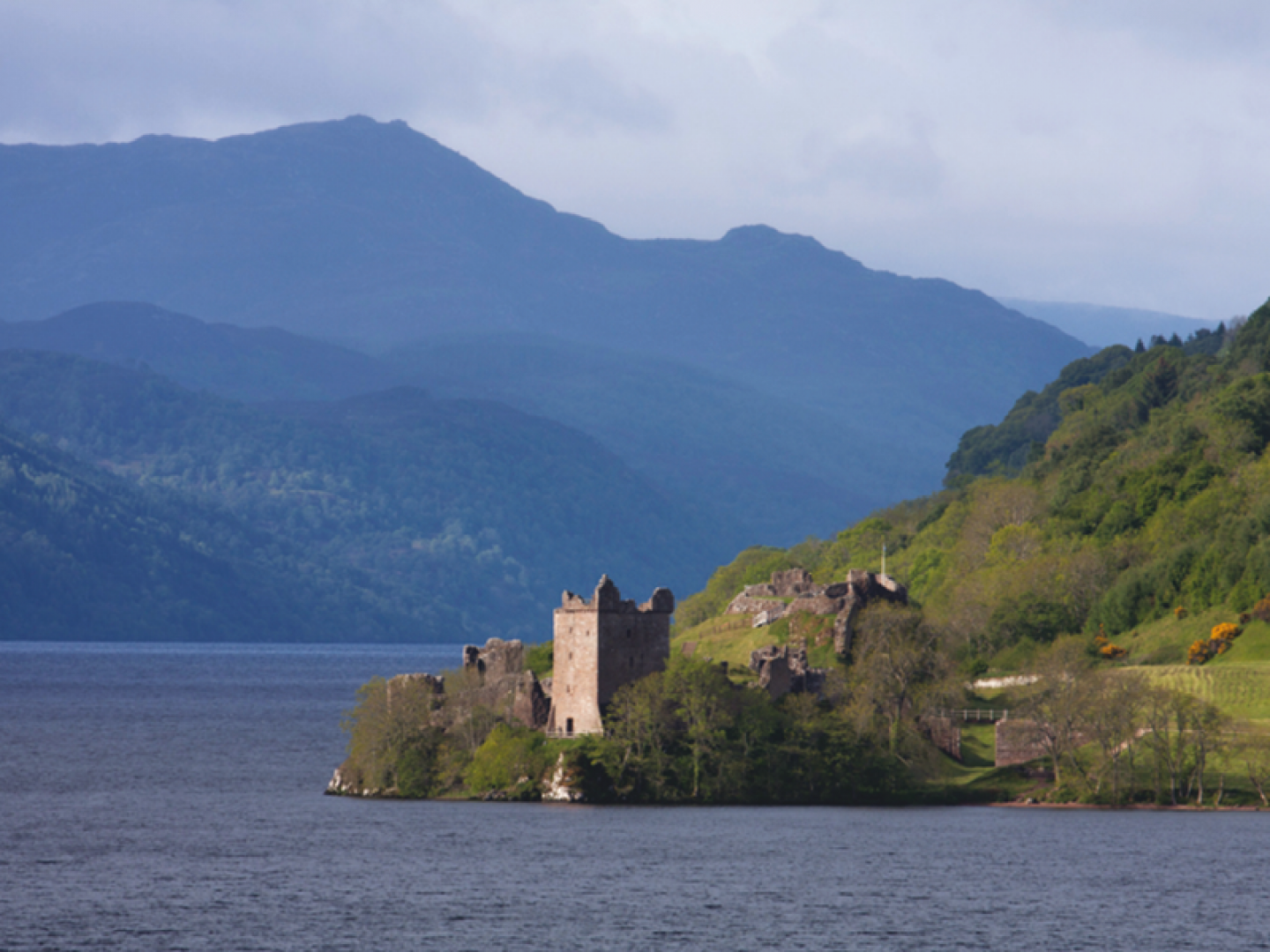
More lock gates await at Cullochy and Kytra before navigating Loch Ness. Stretching over 20 miles, it’s by far the largest body of water on your route, and definitely the most challenging. Unlike the more sheltered canal sections, Loch Ness is exposed to wind, and conditions on the water can change quickly as waves build unexpectedly. Planning is essential here. Many paddlers choose to set off early in the day when winds are lighter, hugging the shoreline for safety. Midway along, Urquhart Castle rises from the shoreline, its weathered ruins a striking visual landmark.
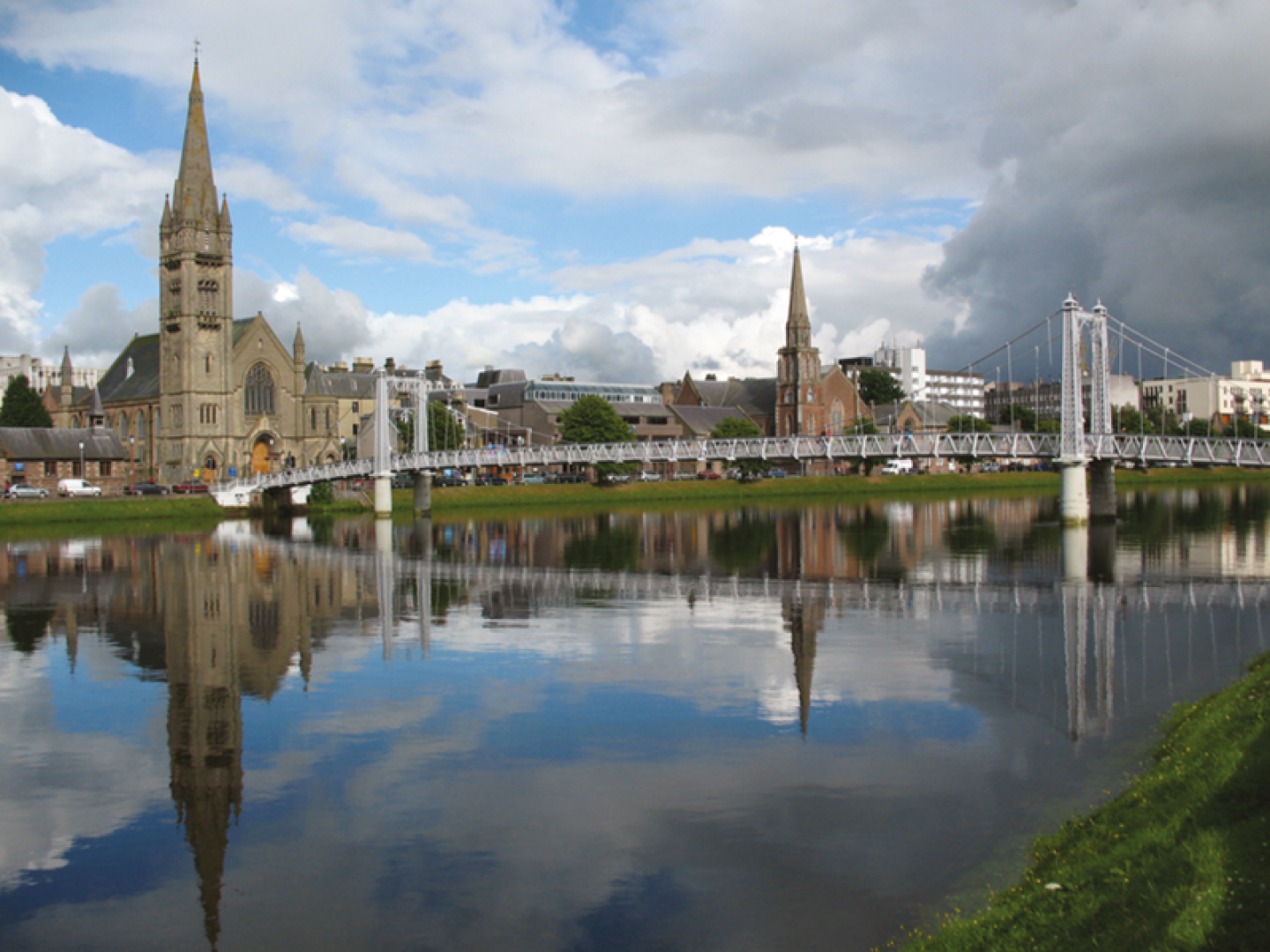
Beyond Loch Ness, the canal reasserts itself and paddling becomes easier again. On the final stretch of your journey you’ll follow the River Ness into Inverness where the freshwater meets the Moray Firth and the North Sea, to pull your canoe out of the water having completed a challenging and unique journey through Scotland’s most stunning landscapes.
Canoeing the 60-mile trail via the Caledonian Canal typically takes three to five days, allowing for changes in the weather and portaging between overnight stops and possibly around the locks. It is suitable for various abilities but navigating open water can be challenging in stronger winds. The best time to go is when the midges aren’t out!