Northumberland National Park Turns 70
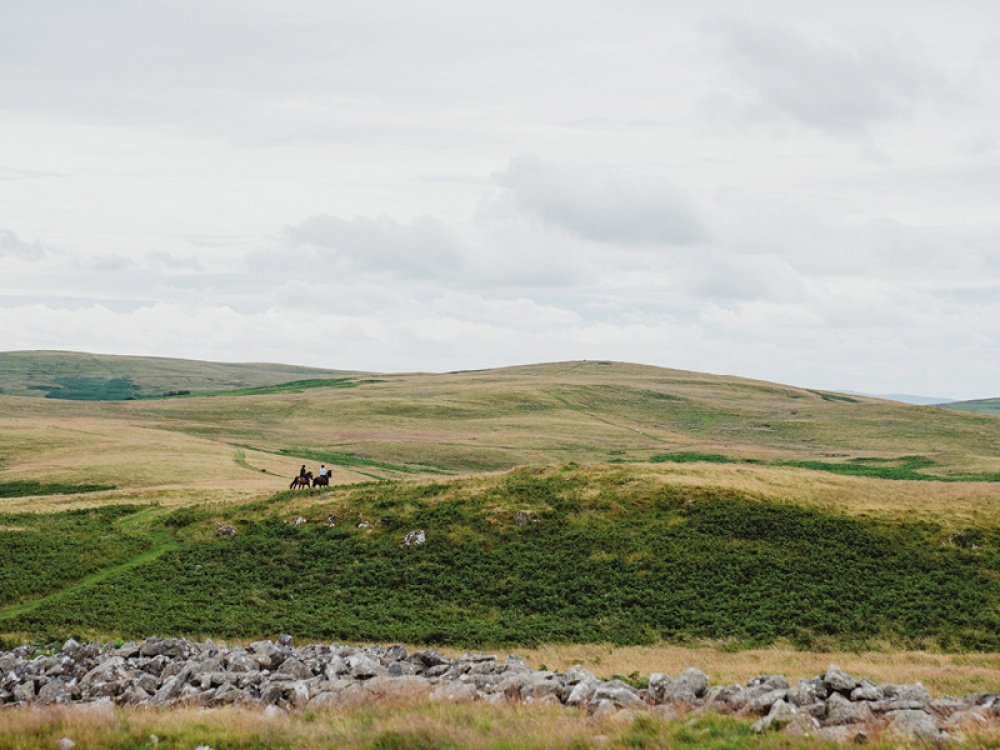
Northumberland National Park is celebrating a landmark anniversary, marking 70 years since its official designation


Northumberland was designated a National Park in 1956 under the National Parks and Access to the Countryside Act 1949, giving it the highest level of landscape protection in England. ‘This status seeks to safeguard for future generations what is special about the area, its sweeping uplands, rich archaeology, and unique tranquillity, from the Cheviot Hills to the central stretch of Hadrian’s Wall,’ says Tony Gates, the CEO of Northumberland National Park Authority. ‘The National Park Authority is also charged with ensuring that people can enjoy the natural beauty and heritage of the park and have access for their health and wellbeing, education or general enjoyment.’
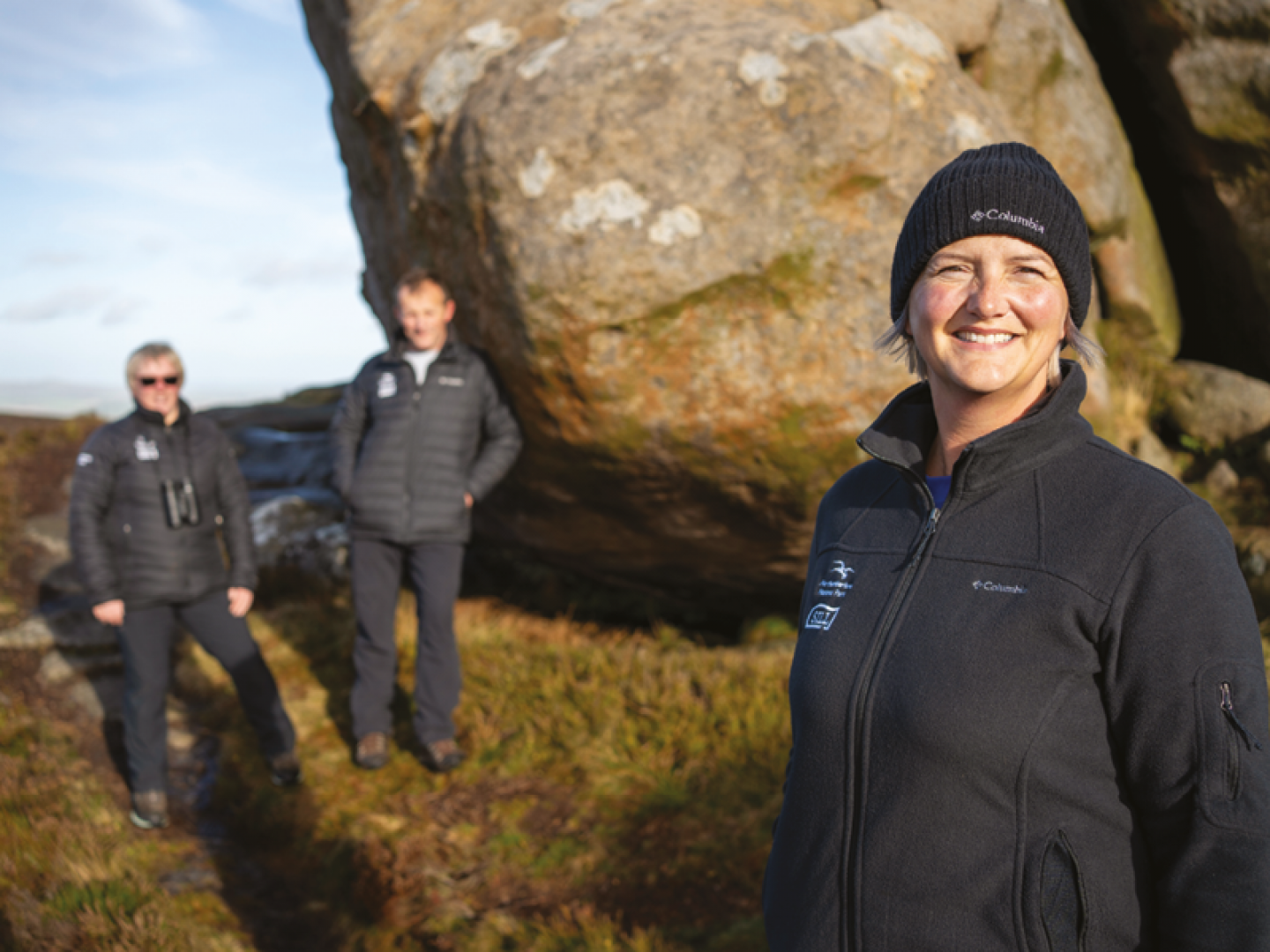
Senior ranger Margaret Anderson grew up on a farm in rural Northumberland and has always felt connected to the outdoors. She’s spent years working across the varied landscapes of Northumberland National Park. ‘Each day feels like a privilege, no two shifts are ever the same,’ she says. ‘I have lots of friends and family who live and work within the National Park and this gives me a real sense of responsibility to help support them as best I can.’ As a senior ranger, she’s responsible for caring for the National Park’s habitats, paths and wildlife, as well as supporting visitors so they can enjoy the landscape safely and responsibly.
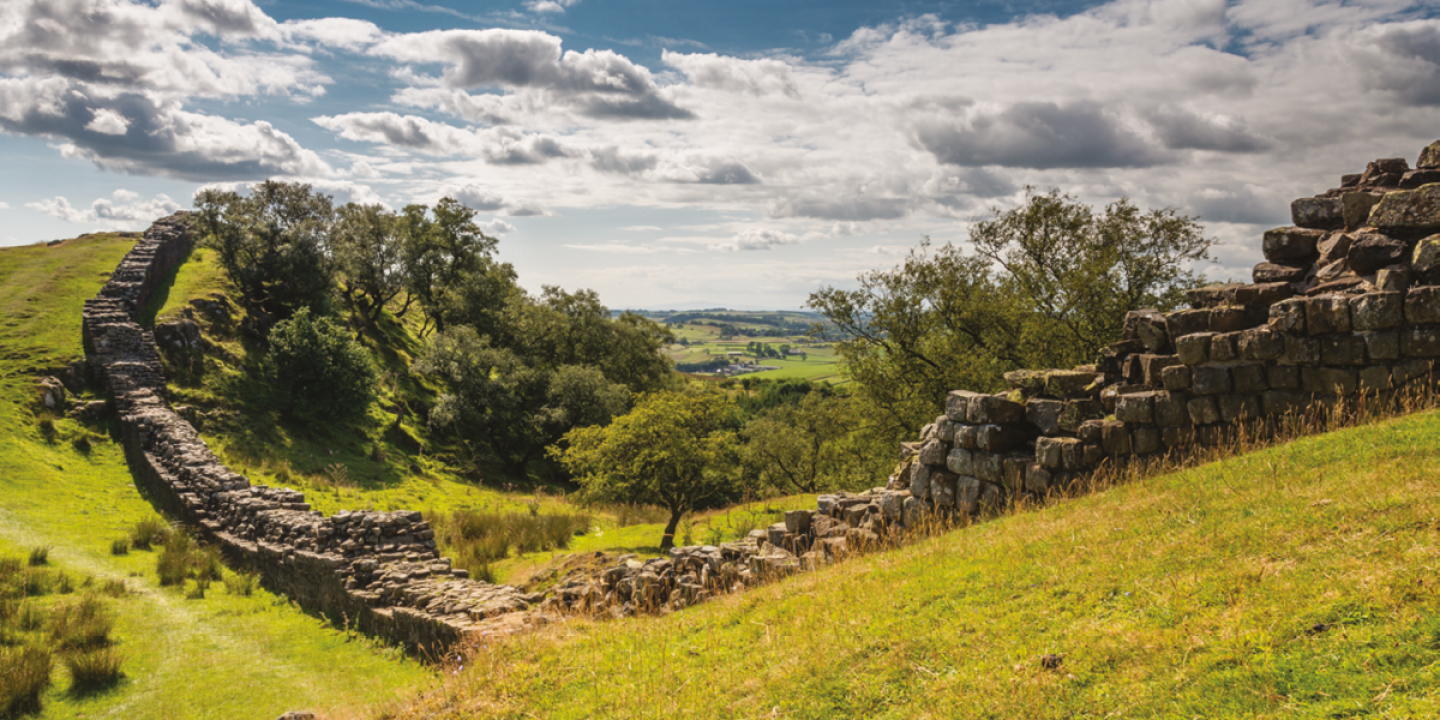
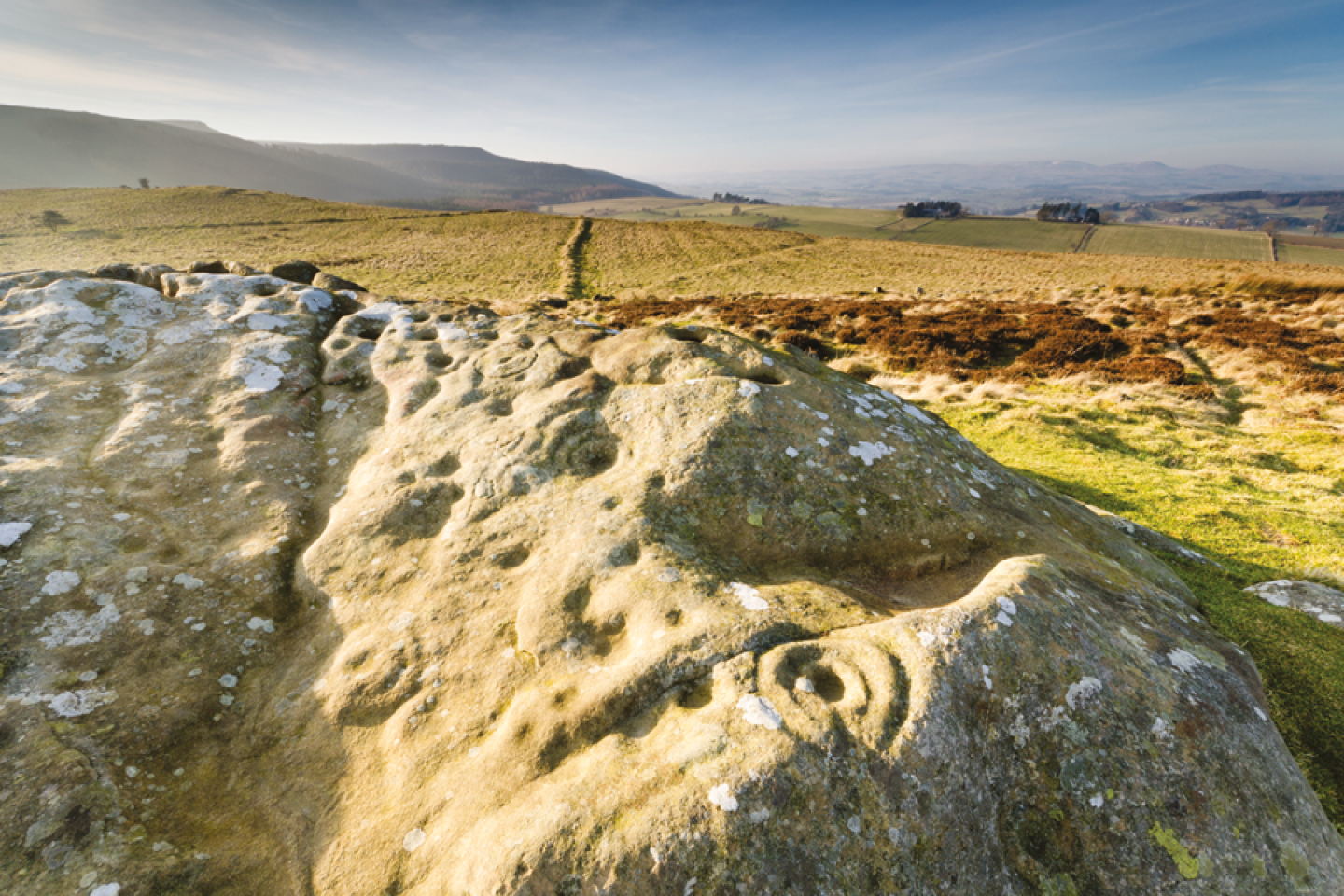
‘I’ve learned how deeply intertwined the landscape is with thousands of years of human history, stretching from Neolithic settlements to the Roman frontier and the era of the Border Reivers,’ Margaret says. ‘I’ve also learned the importance of partnership: the park only thrives and responds to challenge because of the commitment of our partners, local communities, volunteers, and land managers who care for it every day. And perhaps most of all, I’ve learned just how much people from all over the world love this National Park and the scenic beauty and tranquillity it provides.
‘What I love most is the sense of space and tranquillity. This is one of the least populated and most remote national parks in England, often described as “England’s last great wilderness”. From the Cheviot Hills to Hadrian’s Wall, there’s a depth of beauty, heritage, and wildlife here that never stops inspiring me. The dark skies, the heather moorlands, the curlews calling in spring – it’s a very special place to work.’
Tony says changes in the National Park are very often a positive thing. ‘The National Park has retained its wild, peaceful character, and can boast the cleanest rivers, darkest skies and highest levels of tranquillity in England,’ he says. ‘Whilst visitor numbers have grown, with more than 1.7 million people now exploring over 1,200km of public rights of way and the famous National Trails of Hadrian’s Wall and the Pennine Way each year, the area is capable of absorbing these visitors within its 405 square miles, whilst allowing appropriate forms of tourism, tailored to what the park has to offer, to make an increasingly important contribution to the economy of the area.’
The development of the Hadrian’s Wall National Trail has been a key milestone in the development of the National Park, as has connecting with The Sill: National Landscape Discovery Centre, a project which transformed how people of all ages and all backgrounds experience the landscape. ‘It was the most significant initiative to be undertaken in rural Northumberland in a lifetime and the largest undertaking by any National Park,’ says Tony. Northumberland National Park Authority recently marked another landmark moment as The Sill welcomed its one millionth visitor.
Margaret agrees visiting The Sill is a great starting point, especially for families and first‑time visitors. ‘And as rangers, we always encourage people to follow the Countryside Code, leave no trace, respect wildlife, and be prepared for the changing weather,’ she adds. ‘Following #AdventureSmart on social media is a really useful way to get hints and tips at any time of the year.’
‘The park has of course been affected by wider trends in the environment, not least with the dual threats of nature decline and climate change,’ Tony adds. ‘Curlew and red squirrel populations have declined, bringing these important species and others in the park onto the red list of endangered species. Active conservation projects and partnerships with farmers and land managers are now seeing these species recover in some cases, and the habitat on which they rely becoming increasingly abundant in the park, but more still needs to be done.’
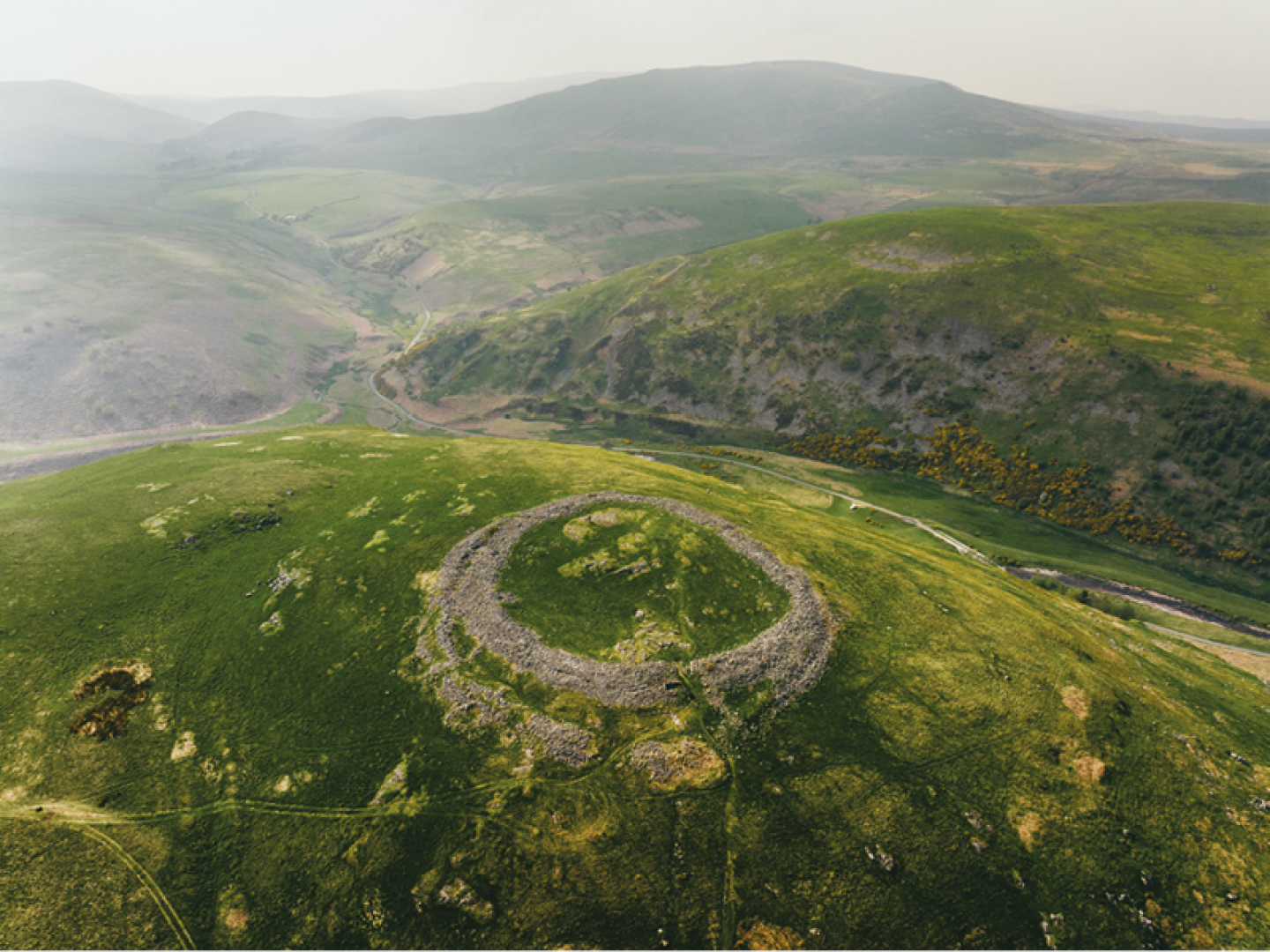
Conservation efforts have also expanded and new archaeological discoveries continue to deepen the understanding of the area’s 10,000 years of human history. ‘Landmark discoveries such as those along Hadrian’s Wall, the Cheviot hillforts and the Anglo-Saxon palace at Ad Gefrin have elevated the park’s national and international profile,’ Tony adds. ‘This has all been achieved through close collaboration with local communities and land managers, and with the support of hundreds of volunteers helping ensure the National Park remains a living, working landscape.’
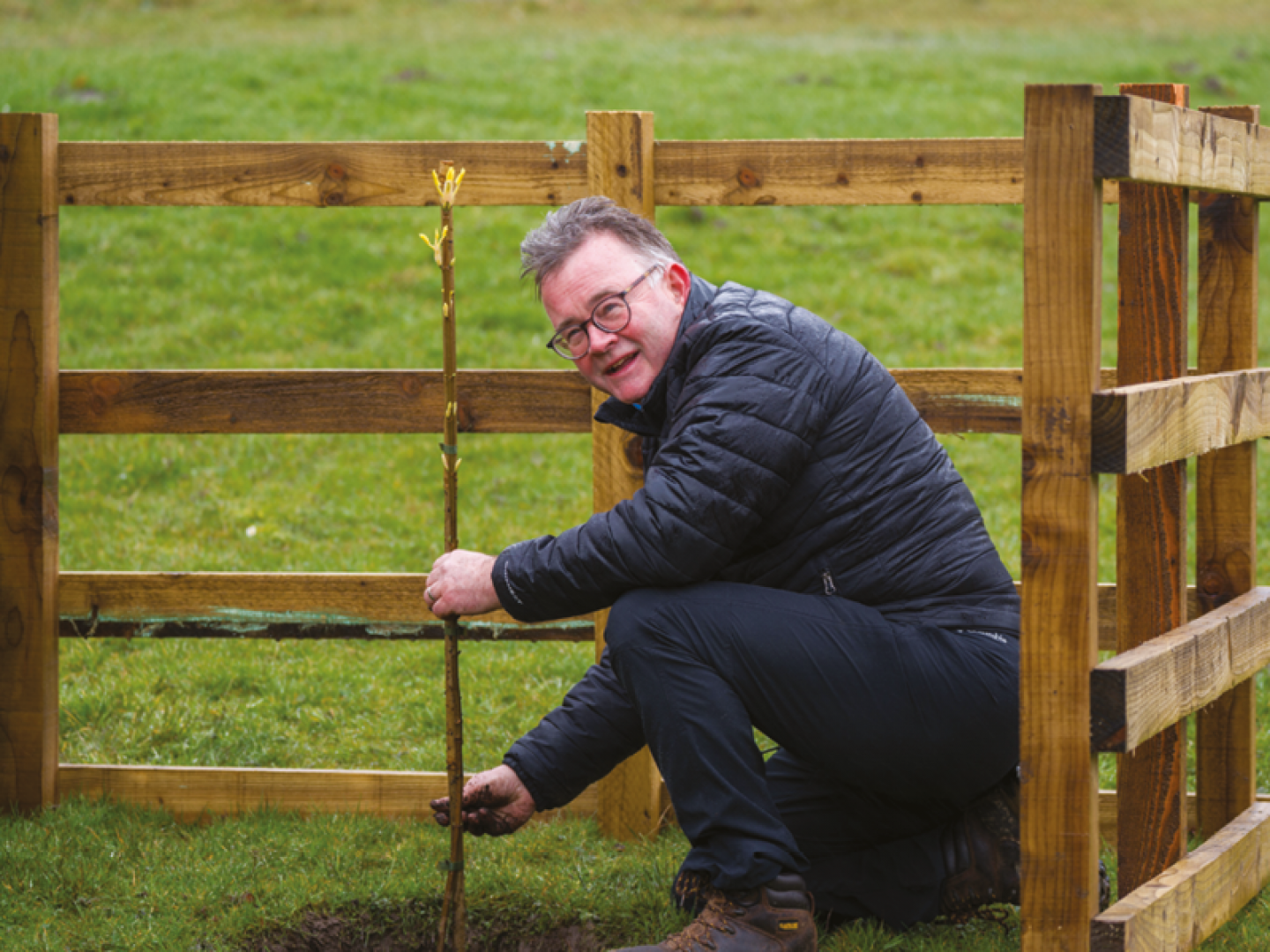
This year is an especially vibrant one for the park, with a full calendar of events marking the 70th anniversary. ‘There is a walking festival to help people to explore the National Park, our photography award, new exhibitions, volunteer-led oral histories, a Sycamore Gap sapling being planted at Walltown Country Park and events to celebrate our farming communities,’ Tony says. ‘We are continuing to make great strides with our landscape-scale nature recovery project on Hadrian’s Wall and will start a huge area of peatland restoration in the early autumn. We’ve also made significant access improvements to some of our most popular sites, including wheel-friendly pathways at Walltown and additional parking at Hareshaw Linn.
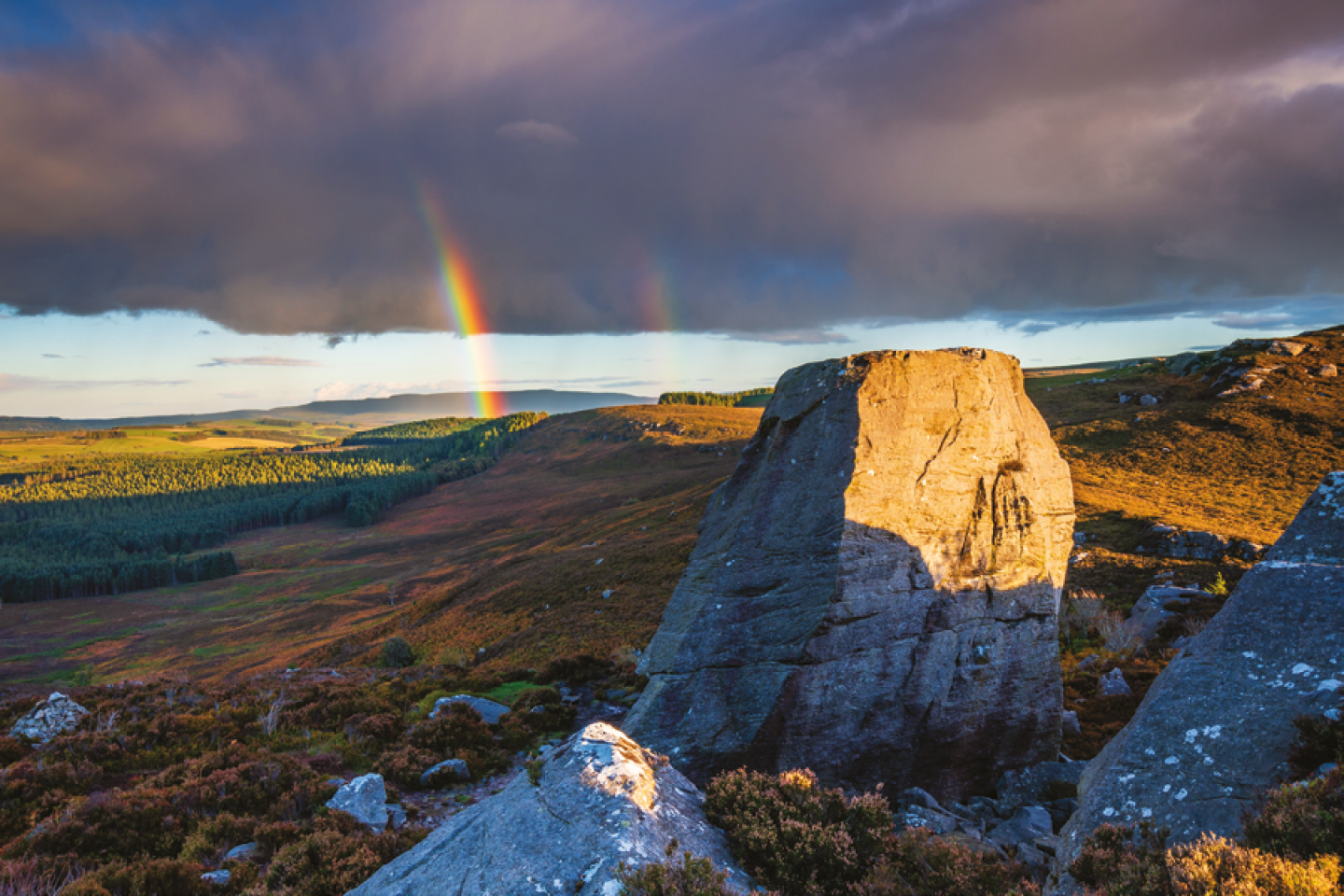
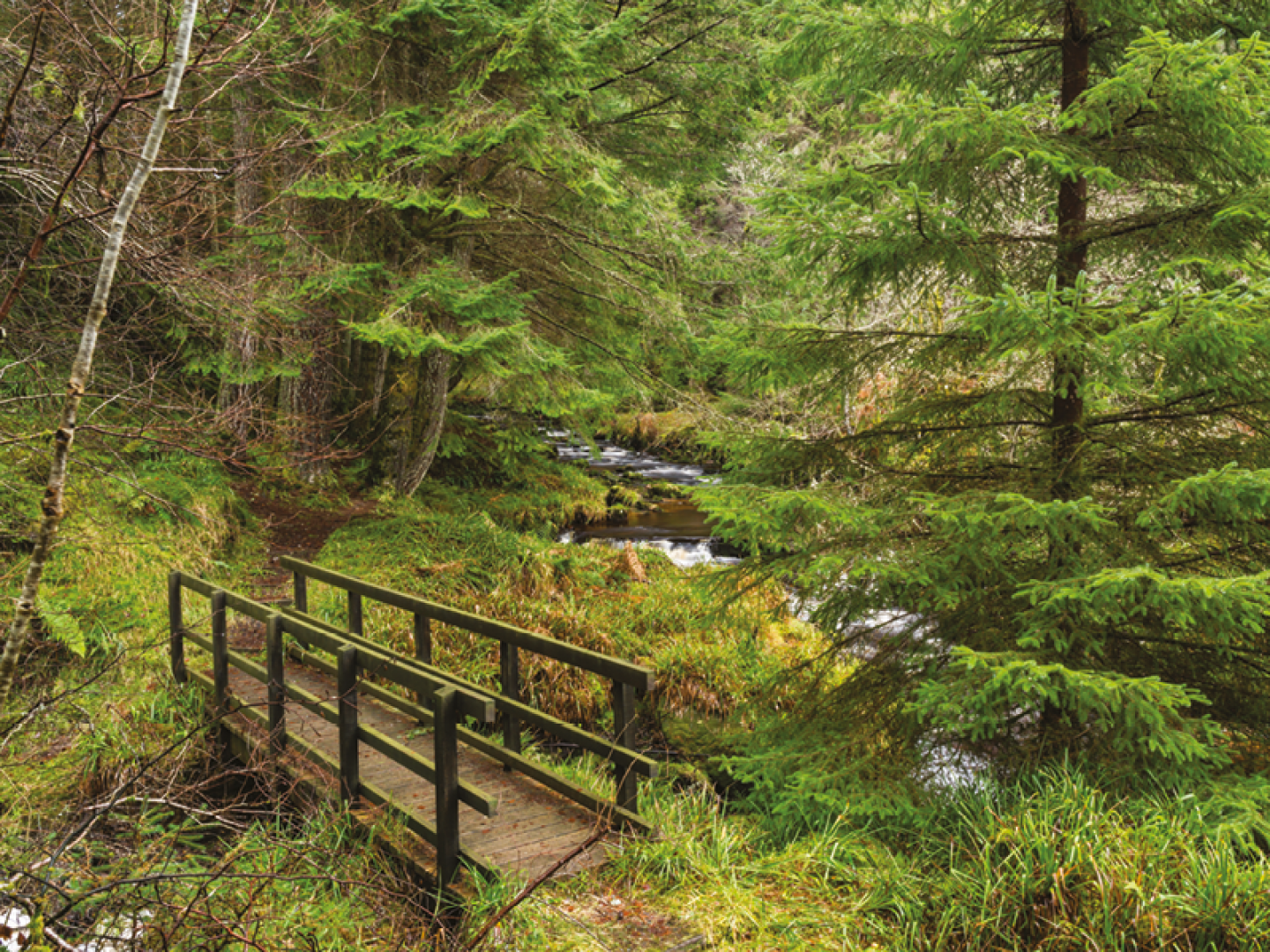
‘It always amazes me how you can while away hours in the National Park and yet never see (or perhaps be aware of) another soul. It is a true tranquil corner of the UK, truly England’s last wilderness. Exploring the National Park in your own way, at your own pace, whether in the rolling Cheviot Hills or taking in the Great Whin Sill geology around Hadrian’s Wall, is time well spent in our quiet valleys. It truly is a natural health service; spending time here is good for the soul. After a few days’ rain, stand next to Hareshaw Linn and feel the spray from the waterfall on your face, sit up on the crags of Hadrian’s Wall or Simonside and watch the sun set, visit a Cheviot hillfort and imagine yourself in the ancient landscape of that time, or simply spend time and sample the great food and drink in the pubs and cafés.’
If you want to take it one step further, Margaret has some good advice for wannabe rangers. ‘If you’re passionate about the outdoors, curious about nature, and enjoy working with people, it’s a hugely rewarding career,’ she says. ‘Get involved in volunteering. Our own volunteers play an invaluable role in the park, and build practical skills such as habitat management, navigation, and species identification. Be prepared for hard work, muddy boots, and days that challenge you, but know that every day makes a real difference to the landscape. Northumberland National Park’s Green Pathways project is a great place for young people to start and we run Young Ranger Placements throughout the year too.’
This landmark year also marks Tony’s retirement after 20 years as CEO of Northumberland National Park Authority. David Renwick will start as the new CEO this May. ‘I hope he has as many happy years and memories as I have here,’ Tony says. ‘Someone once told me Northumberland really gets a hold of you (in a good way of course) and after 20 years that certainly has been the case for me.’
Tony hopes the park continues to thrive as a place where nature recovers, heritage is cherished, and people feel inspired, and where local communities thrive in a place they call home. ‘We aim to strengthen the climate resilience of the park, deepen our work with farmers and land managers, and engage a new generation of visitors and volunteers to value and care for the park,’ he adds. ‘Above all, we want to ensure that this remarkable landscape remains protected and celebrated for the next 70 years and beyond. Handing over the reins to the next CEO in May will be both a privilege and an honour, and tinged with more than a little sadness as I let go, but I look forward to seeing the next chapter unfold.’
Margaret is equally optimistic about the future of the park. ‘I hope the National Park continues to be a haven for wildlife, a place where people can find peace, and a landscape that tells its stories through its rugged, authentic charm,’ she says. ‘I'd love to see more young people connecting with nature and making a career in the National Park through nature-friendly farming, supporting habitat restoration and contributing to climate resilience. Most of all, I hope that the sense of wonder this place inspires today will still be felt 70 years from now.’
Find out more and plan your next visit at northumberlandnationalpark.org.uk.