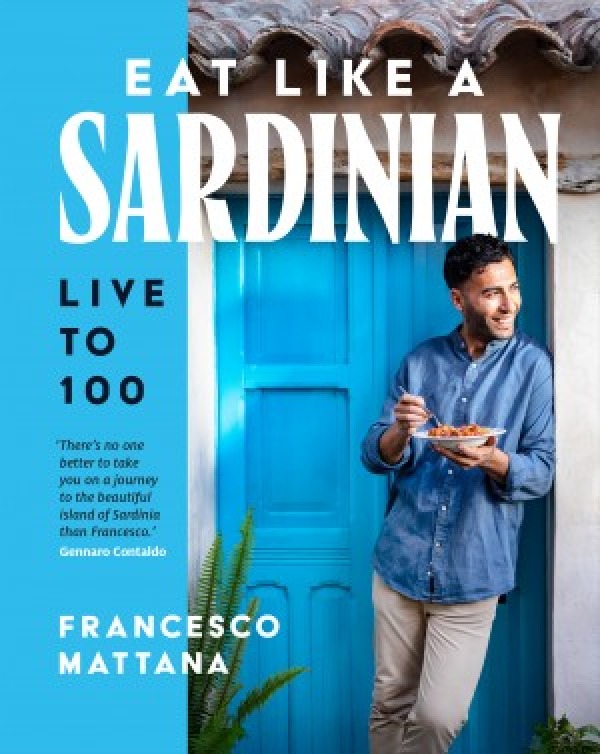
Eat Like a Sardinian by Francesco Mattana
Published by Murdoch Books, £22.00
murdochbooks.co.uk


Join Our World... Sign up for our exclusive newsletter.

Be inspired every day with Living North
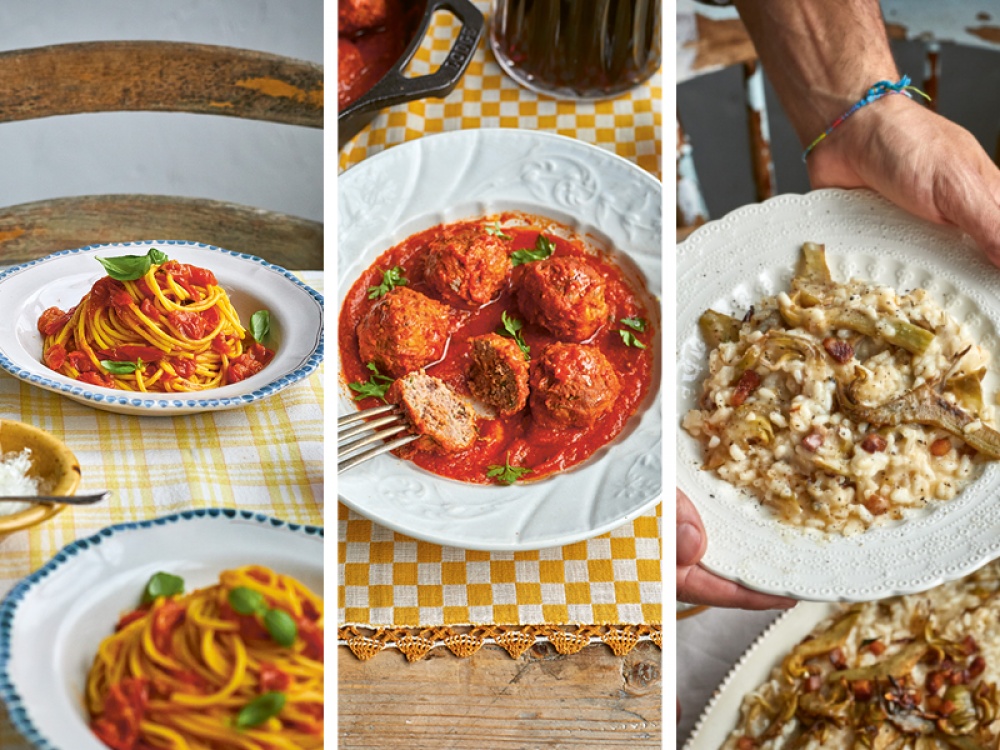


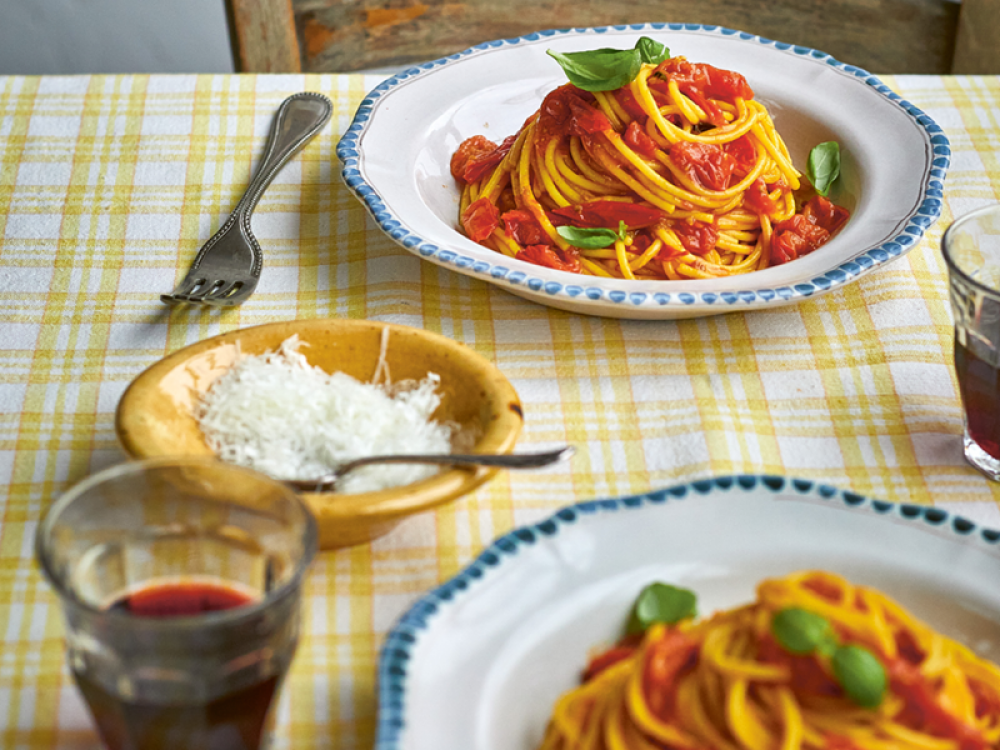
So many people over the years have asked me, ‘What’s your favourite pasta?’ It might be surprising, but really it’s a simple spaghetti al pomodoro! This version of this simple dish also has a touch of saffron, which adds a subtle but beautiful aroma that marries perfectly with the rest of the sauce. The quality of the ingredients here is really important. They must be at their best if you are to get an incredible result. If you can, buy the best-quality extra virgin olive oil you can afford and bronze drawn dried pasta. As this is a summer dish, make the most of the tomatoes during or at the end of the season, when they are sweetest.
Bring a large saucepan of water to the boil, ready to cook the pasta. Heat the oil in a large frying pan or saucepan over a medium heat. Add the garlic and cook for one to two minutes. Ensure the garlic infuses the oil but doesn’t burn.
Add the tomatoes and season with a good pinch of salt. Stir in the half of the torn basil leaves and cook for two minutes. Add the water to help the tomatoes soften, then cover the pan and let the sauce simmer for 10 minutes, stirring occasionally, until the tomatoes have broken down to create a chunky sauce.
While the sauce is simmering, salt the boiling water and cook the spaghetti according to the packet instructions, or until al dente. When the pasta is almost ready, remove the garlic clove from the sauce, place it on a board and mash it into a purée, then place it back in the sauce. Add the saffron, stir well and cook for a further two minutes.
Use tongs to transfer the spaghetti to the pan with the sauce. Increase the heat to medium-high and toss the spaghetti in the sauce to coat it evenly. If the sauce is too thick, add a splash of the pasta water to loosen it. Remove the pan from the heat, sprinkle over the cheese and the remaining basil, then drizzle with oil and stir well once more.
Serve the spaghetti straight away with more cheese and basil, if desired.
TOP TIP
You can also blend the sauce until smooth after adding the saffron if you prefer a velvety tomato sauce.
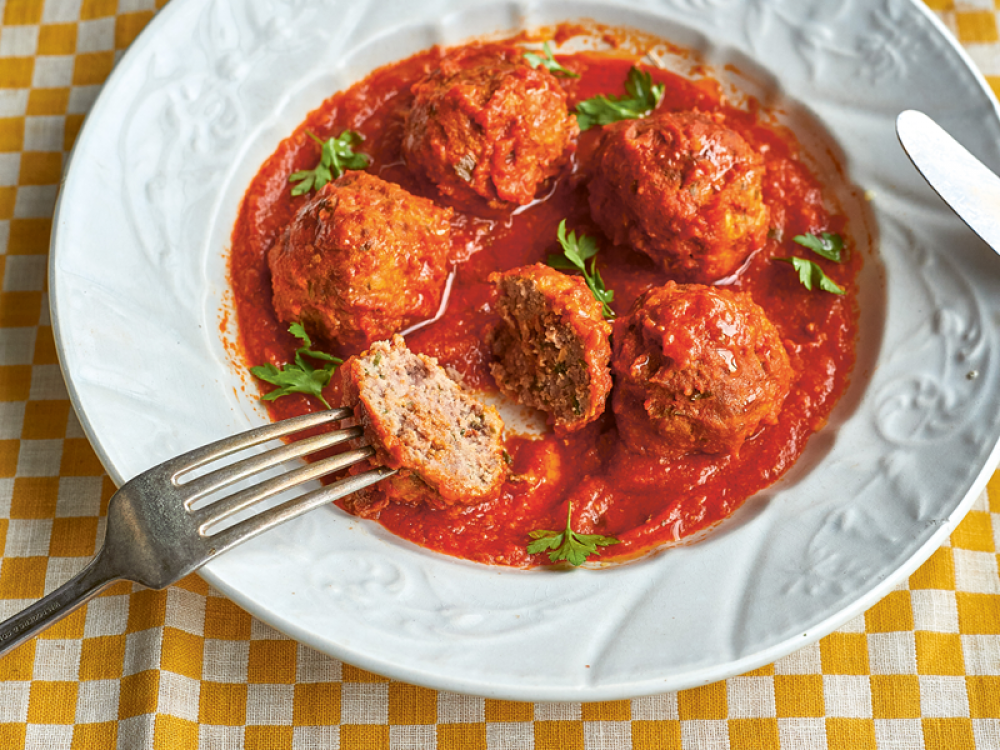
In the Sardinian language, meatballs are called bombas. They are made with minced beef and use typical Sardinian ingredients like sun-dried tomatoes and pecorino cheese. The meatballs are quick and easy to make and are cooked in a sweet tomato sauce. I serve these with some delicious Su Civraxiu to use for la scarpetta (mopping up the leftover sauce). They are usually served as a secondi, but they also make a great starter. Some traditional recipes lightly coat the bombas with a little bit of plain flour and then deep-fry them in oil until golden brown before adding them to the tomato sauce. I have chosen to share a lighter version of this recipe (which I also personally prefer).
To make the meatballs, combine all the ingredients in a bowl and season with salt and pepper. With your hands, thoroughly squeeze the mixture together until it becomes nice and soft and everything is well combined. Cover and set aside.
Now make the tomato sauce. Put a drizzle of oil and the onion into a large frying pan over a medium heat. Cook for five minutes, or until the onion softens. Season with a generous pinch of salt and then add the plum tomatoes. Sir in the basil and bay leaf. Cover and cook for 10 minutes.
Meanwhile, shape the meatballs. Divide the mixture into roughly 35g pieces and shape into balls – you should have at least 20 in total.
After 10 minutes, use a wooden spoon or a fork to crush the tomatoes to create a smoother tomato sauce. If you like your tomato sauce to be even more velvety, you can remove and discard the bay leaf and blitz it with a hand-held blender.
Add the meatballs to the sauce, cover and cook over a low heat for 20 minutes, stirring occasionally, until the meatballs are cooked all the way through. Remove the pan from the heat and let the meatballs sit and rest in the sauce for five minutes before serving.
TOP TIPS
Make the meatballs half the size and cook them in the same way to create a great meatball sauce to serve with your favourite pasta.
Or, try them in a creamy lemon sauce: in a large frying pan, gently fry one finely chopped onion with a little olive oil until soft. Meanwhile, lightly coat the meatballs with a little flour, then dust off any excess flour and add them to the pan with the onions. Cook until the meatballs are golden brown, then add 200ml vegetable stock, a touch of lemon zest to taste and the juice of one lemon. Cover and cook gently for 10–15 minutes until the sauce is creamy.
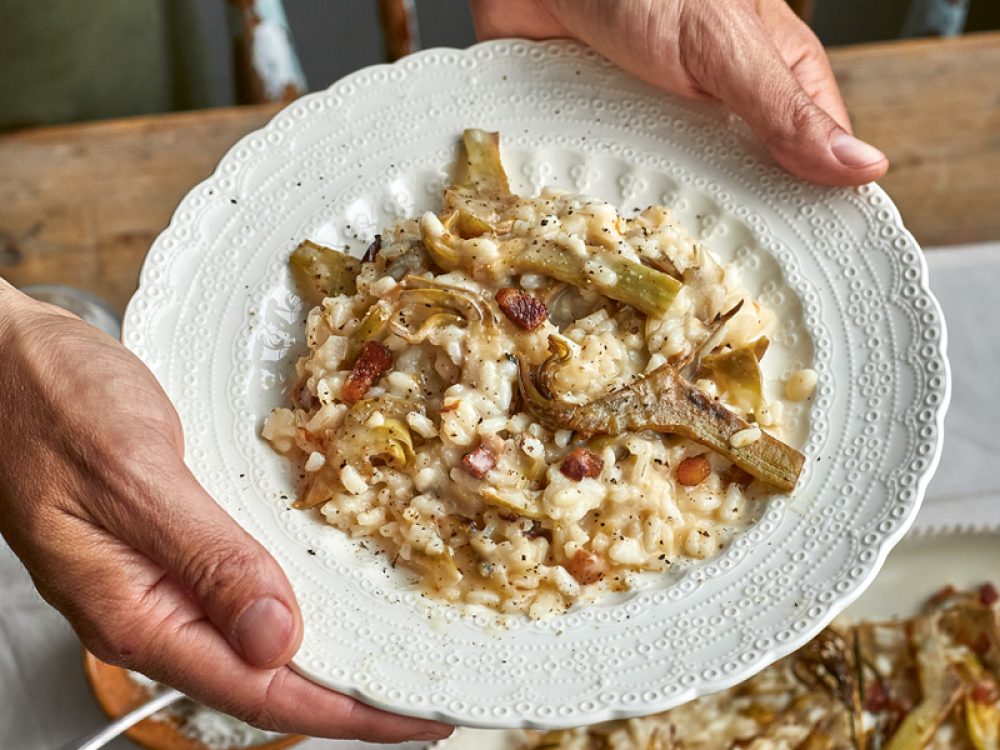
Sardinian prickly artichokes (carciofo spinoso di Sardegna) are a very special ingredient. They are recognised as a Protected Designation of Origin (DOP) product because of their health benefits, flavour and unique look. They have a slightly bitter and nutty taste and have long yellow thorns. Artichokes generally are packed with health benefits, including being rich in fibre, antioxidants and essential nutrients. In this recipe, they are first gently cooked in guanciale fat with rosemary and garlic, then added to a creamy white-base risotto along with the crispy guanciale, butter and cheese to create a very tasty primi.
Put the guanciale into a small, dry frying pan over a medium-low heat along with the rosemary and the whole garlic clove. Cook slowly for about 15–20 minutes, stirring occasionally, or until the guanciale releases its natural fat and turns golden.
Meanwhile, toast the rice in a deep sauté pan or saucepan over a medium heat for two to three minutes, or until it’s hot to the touch, then remove it from the pan and set it aside. Add a drizzle of oil to the same pan and add the onion along with a good pinch of salt. Cook gently for about 10 minutes until the onion is soft and golden but not brown.
Now stir the rice into the onion, add the wine and cook off the alcohol. Keep the pan over a medium heat and gradually add the stock, one ladle at a time, stirring continuously until the liquid is absorbed before adding more.
Meanwhile, thinly slice the artichoke quarters. Discard most of the fat from the guanciale and then stir in the artichokes. Cover and cook for a further eight to 10 minutes until the artichokes are soft but still holding their shape. Remove the garlic from the pan and either discard it or mash it to a purée and add it back to the rice.
When the risotto is just about ready, turn the heat off. The rice should be fully cooked but still a little firm. Add half of the artichoke and guanciale mix, the cheese, butter, a touch of black pepper and another two small ladles of the stock. Stir well, then cover and leave to rest for at least five to seven minutes. Once rested, the risotto should be creamy, so add another half ladle of stock if it needs to be loosened up. To serve, top each plate of risotto with the remaining crispy guanciale and artichokes, as well as the crispy rosemary and some more grated cheese, if desired.
TOP TIPS
Using cold butter means it melts gradually and evenly, binding the fats and liquids together and making the risotto much creamier.
If you leave out the artichokes and guanciale, this recipe is essentially a risotto bianco that can be used as a canvas for any risotto. Try adding meaty mushrooms such as king oyster, oyster, portobello and porcini for a delicious meat-free version!
Eat Like a Sardinian by Francesco Mattana
Published by Murdoch Books, £22.00
murdochbooks.co.uk