

The Turner Prize is Coming to MIMA this Autumn
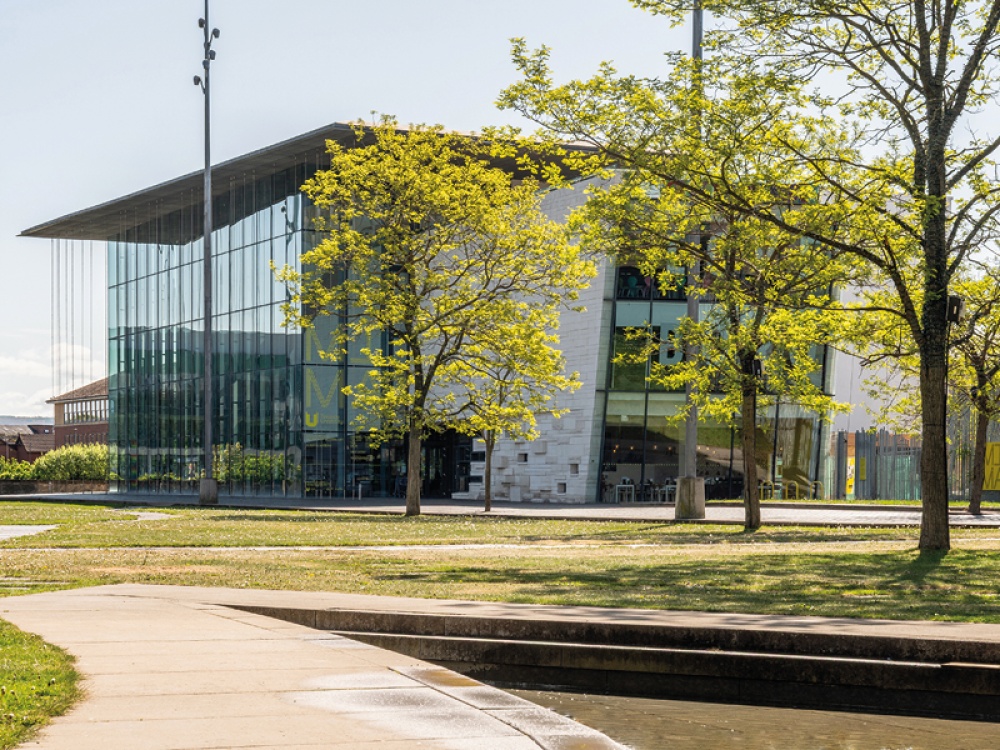
Excitement is building as MIMA prepares to host the annual Turner Prize this year, celebrating new developments in British art with events, workshops and activities


Marguerite Humeau
Marguerite Humeau works across installation, sculpture, video, sound and drawing and is nominated for her exhibition Torches. Her sculptures combine organic and inorganic materials including beeswax, wasp venom, yeast, bronze and marble, so some artworks grow and decay.
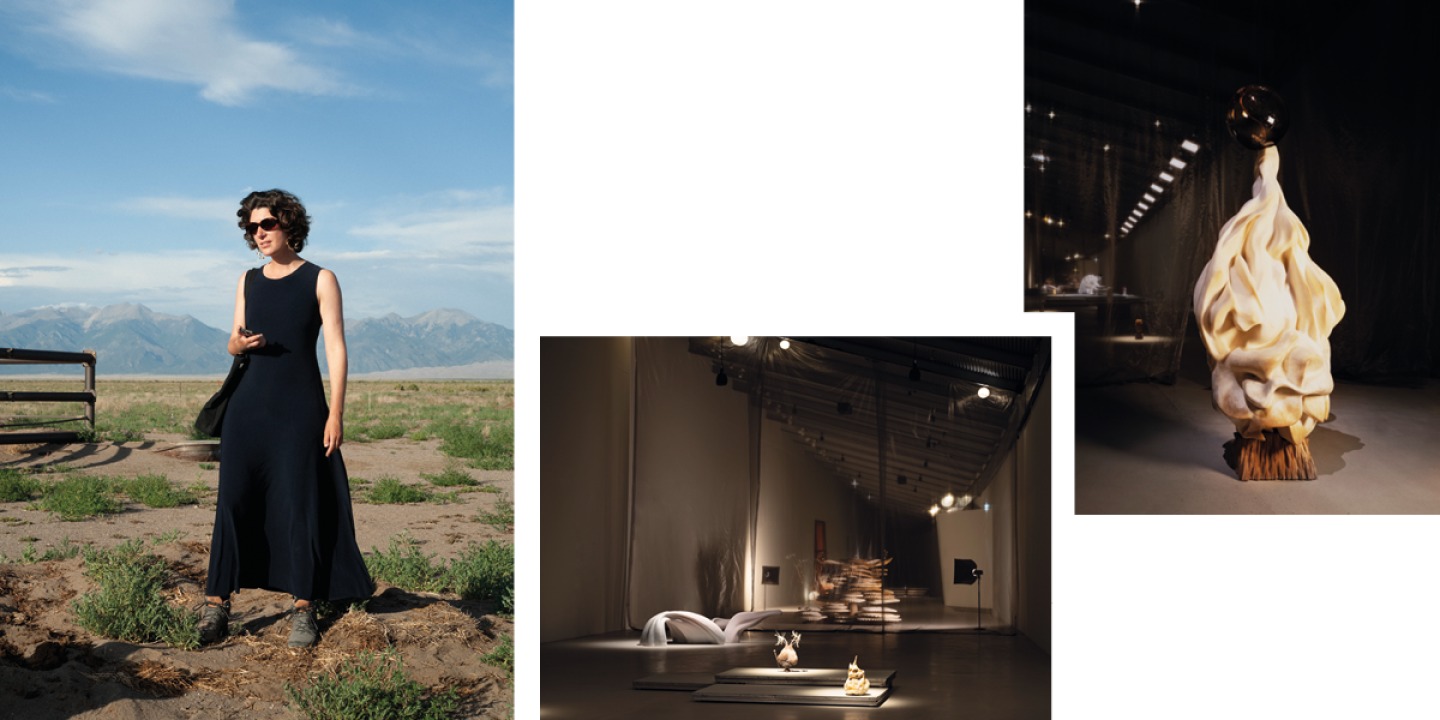
L-R: Marguerite Humeau in “Orisons” 2023, photography by Julia Andreone and Florine Bonaventure. Image courtesy the artist and Black Cube Art Museum. | Marguerite Humeau, “Torches” at ARKEN Museum, 2025 © Marguerite Humeau. Photography by Mathilde Agius. Courtesy of the artist | Marguerite Humeau, “Torches” at ARKEN Museum, 2025 © Marguerite Humeau. Photography by Mathilde Agius. Courtesy of the artist.
The annual Turner Prize, organised by Tate, aims to promote public debate around new developments in contemporary British art. The accolade is named after the 19th-century artist JMW Turner (who has a powerful connection to our region and found lots of inspiration here), and is awarded annually to a British visual artist. It has previously been awarded to Damien Hirst and Steve McQueen, and each year the Turner Prize jury shortlist four artists for an exhibition or presentation. This year’s prestigious Turner Prize exhibition will open at MIMA this autumn. There is an independent panel of judges each year and the award totals £55,000 (£25,000 goes to the winner and £10,000 each goes to the other shortlisted artists).
Dr Laura Sillars, Dean of Culture and Creativity at Teesside University, grew up in the North East and became the director at MIMA (Middlesbrough Institute of Modern Art) in 2018, a few years after MIMA became a part of the university. ‘There wasn’t a MIMA here when I was a child, so it’s very special to have the opportunity to work close to home and with wonderful colleagues across MIMA, Teesside University, Middlesbrough and the region,’ she says.
Simeon Barclay
Simeon Barclay works across sculpture, film, performance and mixed media installation and is nominated for The Ruin, a live performance of spoken word accompanied by percussion and horn. He reflects on ideas of memory, class, blackness, inheritance and masculinity with aluminium, acrylic and bronze.
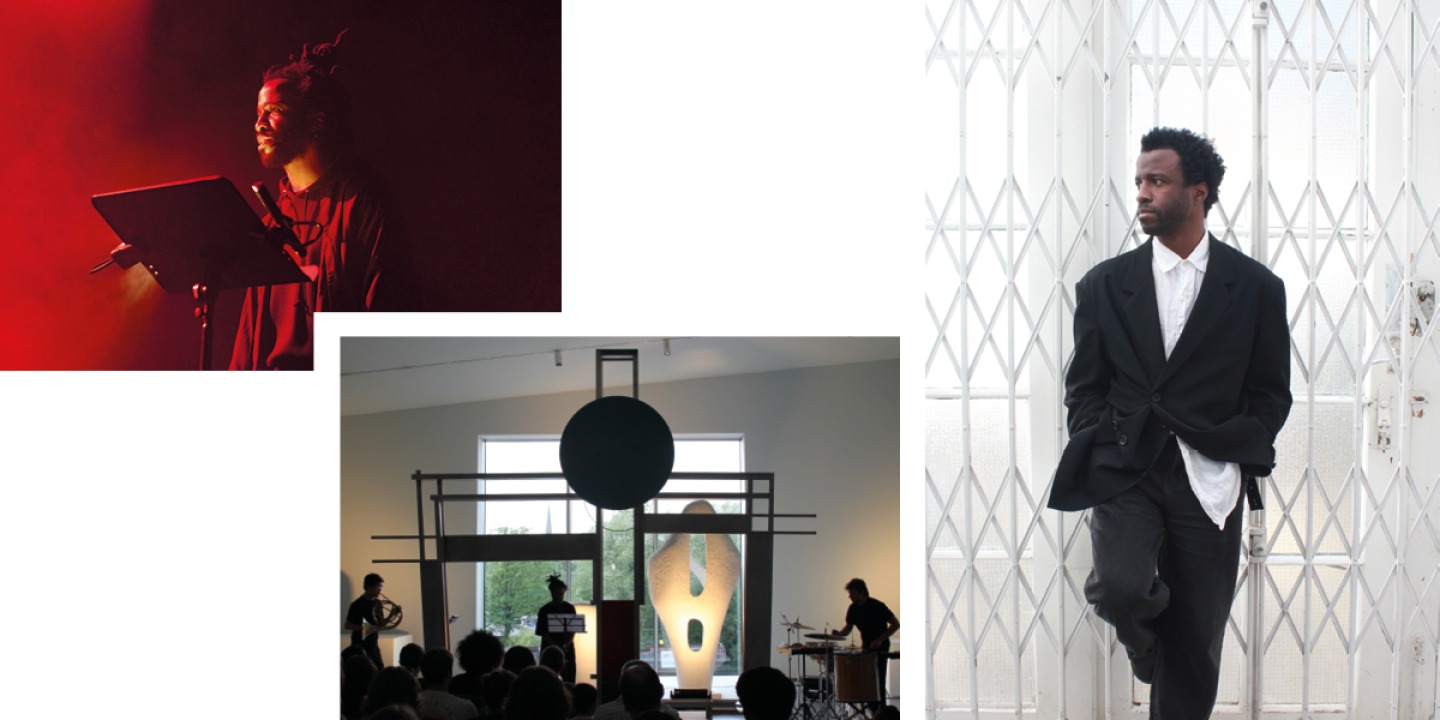
L-R: Roberts Institute of Arts presents Simeon Barclay, The Ruin, Institute of Contemporary Arts, London, January 2025. Photo © Anne Tetzlaff. Courtesy of the Artist & Workplace. | Roberts Institute of Arts presents Simeon Barclay, The Ruin, The Hepworth Wakefield., May 2025. Photo © Peter Rupschl. Courtesy of the Artist & Workplace. | Portrait of Simeon Barclay. Courtesy the Artist & Workplace.
Laura describes MIMA as a magnet for creativity. ‘Last year the chair of Arts Council England, Sir Nicholas Serota, called MIMA “a beacon and a catalyst” and an exemplar of public investment in arts and culture,’ she reveals. ‘That’s a great way to sum up MIMA’s mission – we are committed to artistic and research excellence and we run groundbreaking programmes of work with schools, families and communities. We make a real difference to this region, which is a hugely creative place.’
The Turner Prize being hosted at MIMA is a big deal, not just for Middlesbrough, but the wider region too. ‘We have been ready to host the Turner Prize for years,’ says Laura. ‘What is exciting about this moment is that whole community of art lovers and art-lovers-to-be will see the exhibition on their doorstep. Our schools programme, which is already booked up for the first three months, will help open the minds of young people in the region. We hope that every school pupil in the Tees Valley, and many from across the North East, will come to see the exhibition. It will be something they will remember for all their lives, and my hope is that, for some, it will be the fire in the belly that propels them to say “that will be me one day!”.’
This exhibition marks the first Turner Prize within a university setting. ‘Universities are spaces for debate, reflection and curiosity,’ explains Laura. ‘For me, that’s what I meant when I said at the shortlist announcement that hosting the Turner Prize 2026 in a university creates a special context. The artwork can inspire dialogue and new ways of thinking for new generations of staff and students. The Turner Prize is known for bringing controversial ideas into the public realm and the work of the four artists selected are all asking questions about what matters right now in this moment of living history.’
Tanoa Sasraku
Tanoa Sasraku produces sculpture, drawing and film and is nominated for her exhibition, Morale Patch, with works on paper, found objects and sculpture. The largest piece in her original installation incorporated emblems and mementos connected to the oil industry and crude oil in paperweights.
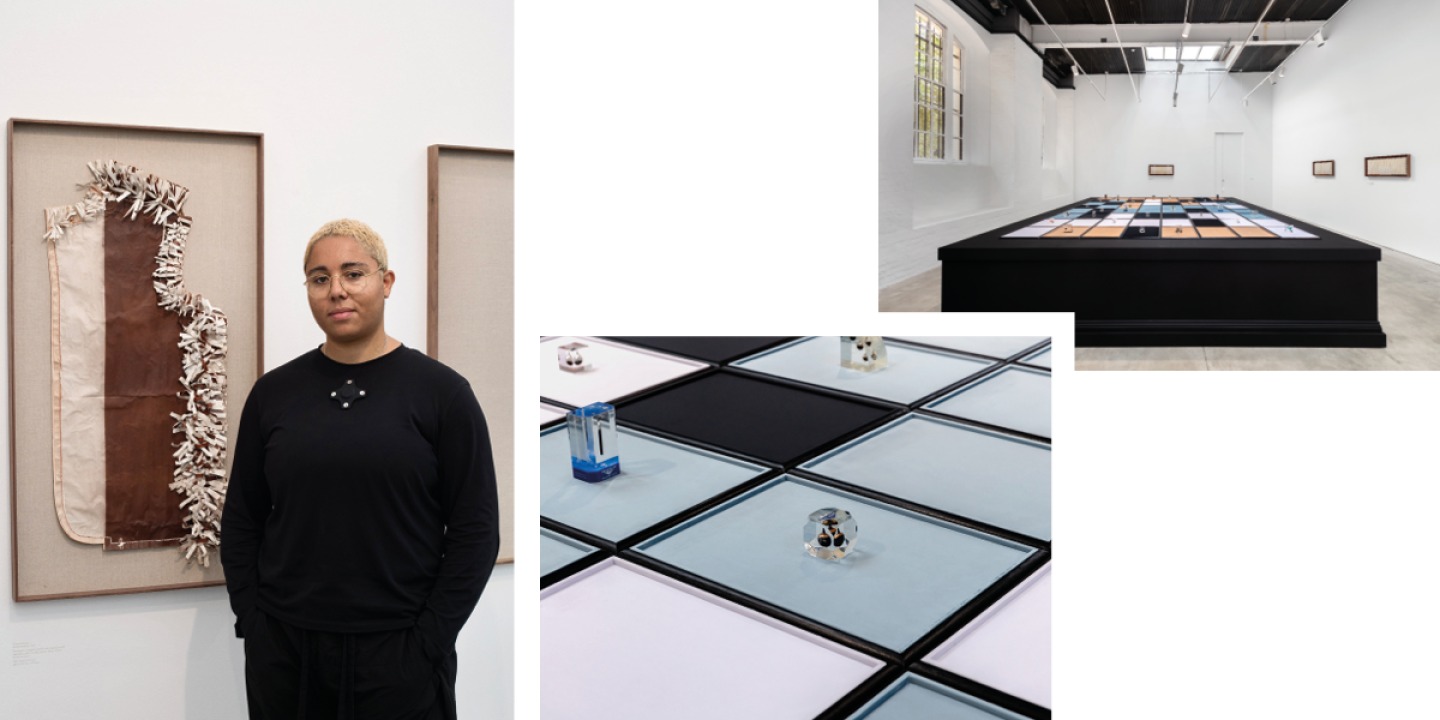
L-R: Tanoa Sasraku portrait © Belinda Lawley. | Tanoa Sasraku, Morale Patch installation view, Institute of Contemporary Arts, London, 2025-26. Image © Jack Elliot Edwards, courtesy the artist and Vardaxoglou Gallery, London | Tanoa Sasraku, Morale Patch installation view, Institute of Contemporary Arts, London, 2025-26. Image © Jack Elliot Edwards, courtesy the artist and Vardaxoglou Gallery, London
‘It’s a brilliant list,’ says Laura. ‘The four artists were chosen as finalists based on artistic work that has previously been shown in other galleries around the UK and internationally. Each of the artists asks different questions: Should human experience define how we understand the world? How, and where, does power live? How do our own memories and feelings shape our view of the world? How do seemly mundane things (the M62, for example) change how we imagine places?
‘Each artist is working with our curators at MIMA to reimagine and re-plan their work for MIMA’s spaces, so while Turner Prize 2026 is based on existing work, it is also a new exhibition. It’s a very creative process for our curators!’
Without wanting to give too much away, Laura promises a warm welcome and a fascinating visit to MIMA, and a programme of exhibitions and activities connected to the award have also been planned. The Turner on Tees programme will run until early 2027 and MIMA has partnered with Hartlepool Art Gallery, Redcar Palace, Darlington Library Gallery, ARC in Stockton and The Auxiliary in Middlesbrough.
Kira Freije
Kira Freije works with metal, fabric, light and found materials and her exhibition Unspeak the Chorus is nominated for the Turner Prize. It featured 20 sculpted figures, animated with cinematic lighting, that connect the human and animal world.
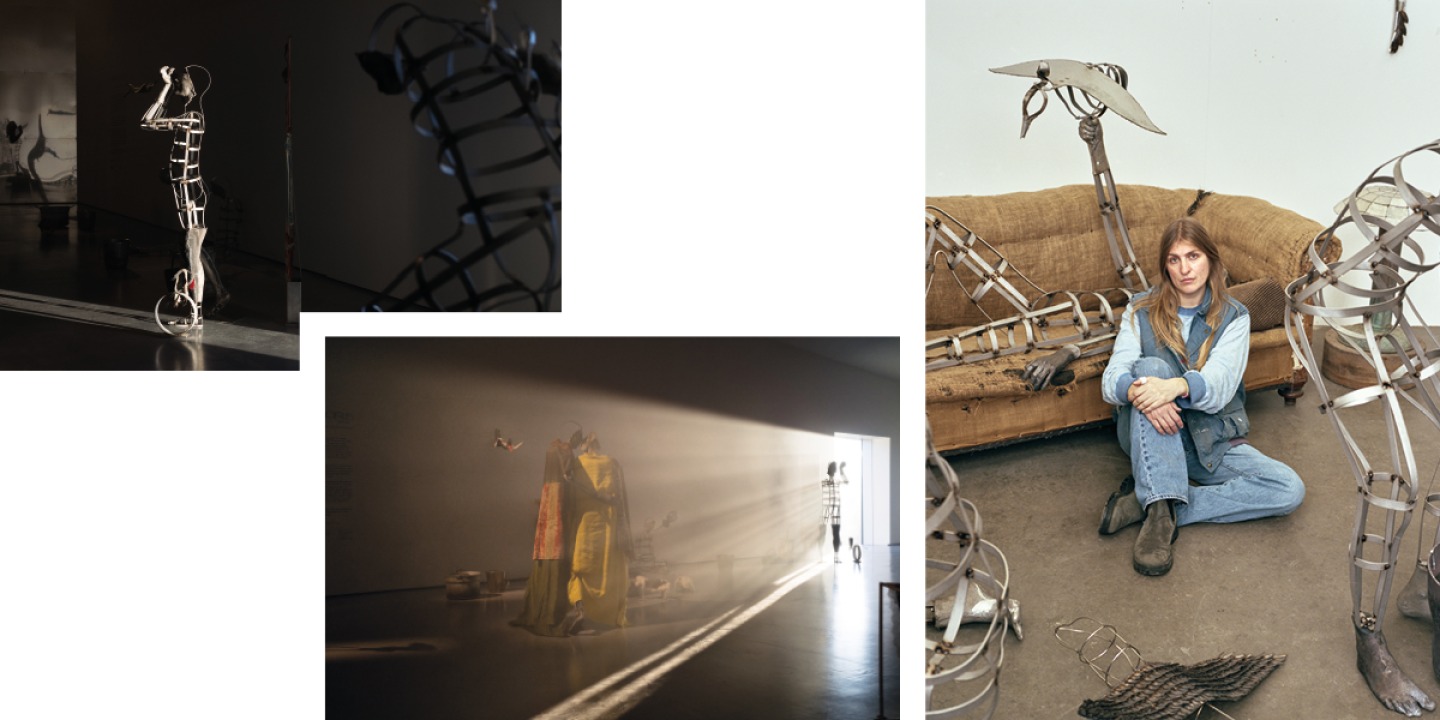
L-R: Installation view of Kira Freije: Unspeak the Chorus, The Hepworth Wakefield, November 2025. Photo © Lewis Ronald. | Installation view of Kira Freije_ Unspeak the Chorus, The Hepworth Wakefield, November 2025. Photo © Lewis Ronald | Portrait of Kira Freije. Photo © Robin Bernstein.
‘It’s a celebration of this region’s extraordinary creativity, with many opportunities to get involved and to see work by artists from across the North East,’ says Laura. ‘The programme includes those who are established in their careers, and also artists who are new and upcoming. The programme gets its name from JMW Turner. Now a legendary artist who changed the way we see the world, he visited and painted the River Tees too. Turner on Tees runs parallel with the Turner Prize exhibition at MIMA and we want to encourage all budding artists and creatives to get involved. There are education projects, community outreach and exhibitions in venues across the region.’
Next year, MIMA turns 20, another a reason to celebrate the gallery and Teesside’s creative community. ‘We have big plans and ambitions, which we are working on,’ Laura reveals. ‘For now, watch this space, and do come and visit Turner Prize 2026!’