What to Do in the Garden in October
Living North's gardening expert Ross Pearson shares his advice on what needs to be done in the garden as autumn arrives


After months of endless watering, feeding, picking, tying in, deadheading, harvesting and wondering why that one tomato still insists on staying green, October feels like the garden finally lets out a long, satisfied sigh. ‘So,’ it says. ‘Shall we slow down a bit?’ Yes, please.
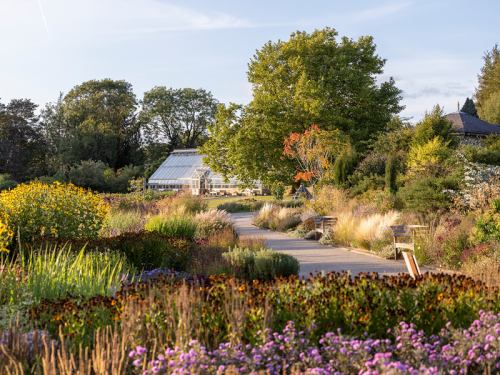
This is probably the most underrated month in the gardening calendar. Spring gets all the glory. Summer gets the magazine covers. Autumn quietly gets on with being spectacular without making a fuss. The trees suddenly remember they’re artists. Every hedge, woodland and country lane seems determined to outdo the next with impossible shades of amber, copper and crimson. Even the humble beech hedge starts behaving like it deserves its own television series.
The light changes too. It arrives lower in the sky, softer somehow, making everything look like it’s been photographed through an expensive camera lens. Even the compost heap develops a certain rustic charm that completely disappears the moment you actually have to turn it.
October also has a wonderful habit of making gardeners deeply nostalgic while simultaneously convincing us to buy hundreds of bulbs. You pop into the garden centre for a bag of compost, ninety minutes later you’re loading a trolley containing tulips, daffodils, alliums, crocus, hyacinths, three ornamental cabbages you absolutely do not need, and a decorative pumpkin that cost more than your first car.
Nobody knows how this happens. The staff certainly don’t seem surprised. Neither does your bank account. But somehow it feels entirely justified because October whispers the most dangerous sentence in gardening: ‘just imagine what this will look like next spring’. And suddenly all financial responsibility evaporates.
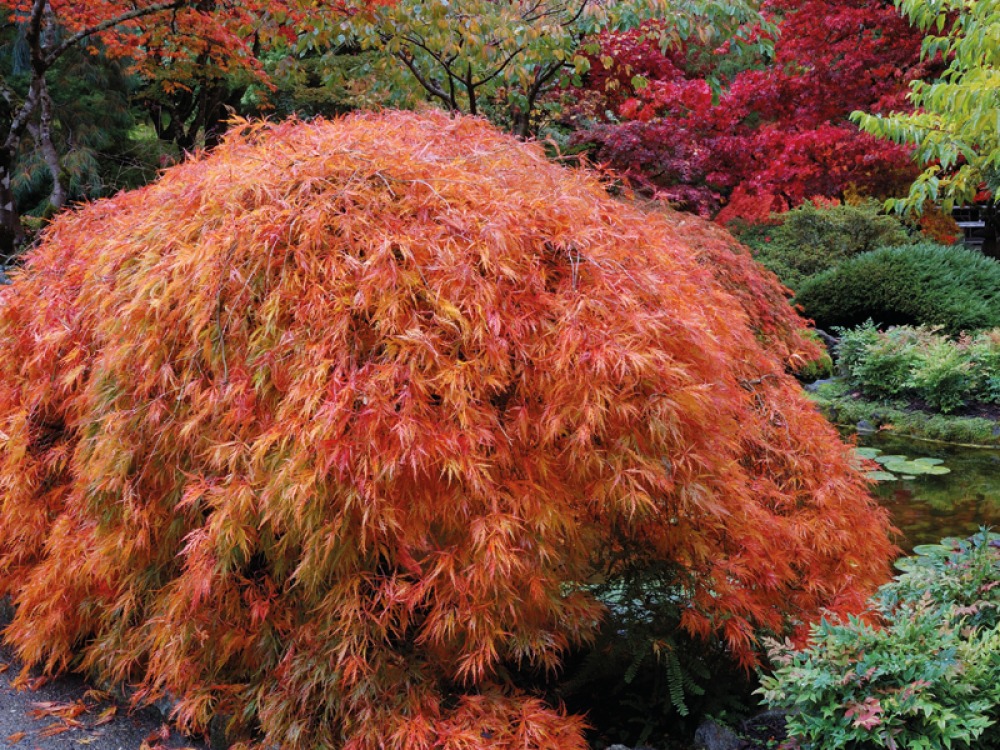
Japanese Maple
There are show offs, then there are Japanese maples. For most of the year they behave impeccably. Attractive. Elegant. Well mannered. Then October arrives and they decide subtlety is overrated. Their leaves explode into shades of scarlet, orange, gold and crimson that seem almost unfair to neighbouring plants. They stand quietly in the garden looking magnificent while everything else gradually winds down. Small gardens particularly suit Japanese maples because every branch becomes a sculpture. They ask very little in return for months of breathtaking colour.
Planting
Choose a sheltered position away from drying winds with moisture retentive but well drained soil. Morning sun or dappled shade is ideal, especially for varieties with delicate foliage.
Care
Keep the roots cool with a generous mulch and avoid heavy pruning. Remove only damaged or crossing branches during winter. They are naturally elegant and rarely need interference from enthusiastic gardeners.
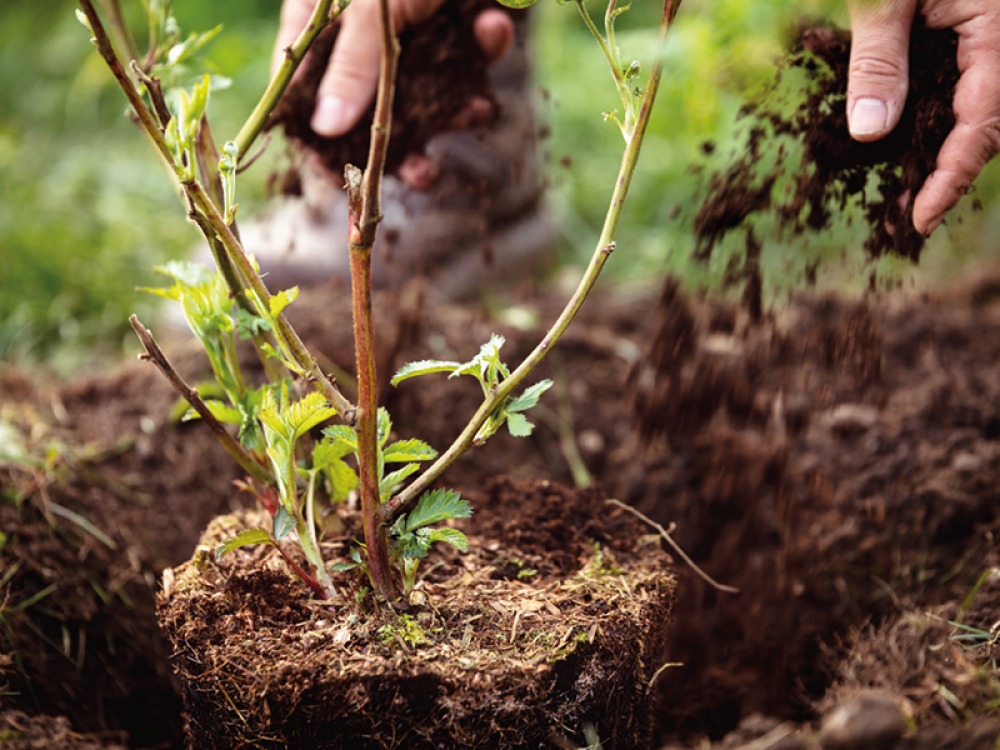
Plant Bare Root Hedges
October marks the beginning of bare root planting season. Hedging plants arrive looking remarkably unimpressive. Tiny sticks bundled together with all the glamour of a forgotten broom. Do not judge them. Within a couple of years they’ll be providing privacy, shelter and an excellent place for birds to conduct noisy domestic arguments.
Move Shrubs While They Still Have Manners
Large shrubs transplant surprisingly well once cooler weather arrives. It is far easier now than trying to wrestle them about during summer when both you and the plant are equally unhappy about the whole arrangement.
Make Leaf Mould
October leaves are gardening gold. Collect them, stuff them into bags with a few air holes and leave nature to work its quiet magic. Twelve months later you’ll have one of the finest soil conditioners available and feel inexplicably proud of a bag full of decomposed leaves.
Wash Empty Pots
It sounds desperately dull. It absolutely is. But cleaning empty pots removes pests and diseases before next season and saves frantic scrubbing next spring while balancing six trays of seedlings on one knee. Future you will be deeply appreciative. Present you will complain throughout.
Plant Trees
Warm soil and cooler air create perfect planting conditions. There is something wonderfully optimistic about planting a tree. It is gardening’s way of writing a letter to the future.
Check Tree Ties
Young trees grow surprisingly quickly. Loosen tight ties and adjust stakes before they begin rubbing the bark. Think of it as checking children’s school shoes after the summer holidays. Everything suddenly seems too small.
Create Homes for Wildlife
Pile logs in a quiet corner. Leave hollow stems standing. Tuck stones together. It may not look particularly glamorous but countless creatures will thank you by moving in over winter. Some without paying rent.
Plant Garlic
Garlic positively enjoys a cold winter. Separate bulbs into individual cloves and plant them with the pointed end upwards. This sounds obvious until somebody plants one upside down every single year. I am saying nothing.
Grow Overwintering Onions
Certain onion varieties establish now and race away in spring. It feels slightly like cheating but the best gardening often does.
Build a Bean Trench
This is one of my favourite jobs. Dig a trench where next year’s beans will grow and gradually fill it with vegetable peelings, autumn leaves and garden waste. By spring it becomes a rich underground feast that beans absolutely adore. Also, it gives you a perfectly respectable excuse for digging an enormous hole.
Protect Celery from Early Frost
Lift celery before hard frosts arrive and store plants upright in moist compost inside a shed or greenhouse. It sounds fussy, and it is – but crisp celery in November feels remarkably luxurious.
Lift Chicory Roots for Forcing
Grow your own pale tender chicons indoors over winter by lifting chicory roots now. It feels wonderfully Victorian despite producing something deliciously modern.
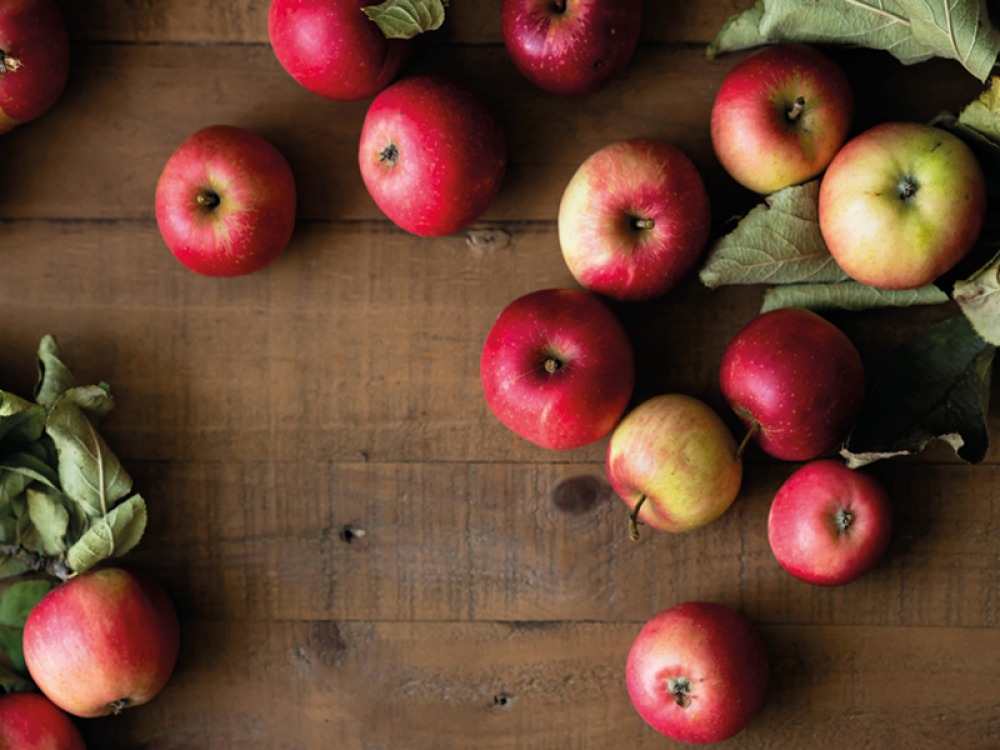
Store Apples Properly
Only perfect fruits should go into storage; one bruised apple has an astonishing ability to ruin the entire collection. You have been warned.
Grow Something for Christmas
Sow pots of pea shoots, mustard or winter herbs under cover now. By December you’ll be snipping fresh greenery while everyone else is arguing about whose turn it is to peel the potatoes.
FINAL THOUGHTS
October always tricks me into becoming far more philosophical than I really am.
I’ll head outside intending to plant a few bulbs and somehow end up standing beneath a tree watching leaves drift gently to the ground as though I’ve wandered into a nature documentary narrated by David Attenborough. Five minutes later I’ve filled an entire wheelbarrow with leaves and am muttering under my breath because I know there will be another one waiting tomorrow.
That, in a nutshell, is October.
It somehow manages to be peaceful and ridiculously busy at exactly the same time. I genuinely love this month because it asks us to think ahead again. Every bulb tucked into the soil is an act of optimism. Every tree planted is a promise. Every bag of leaves saved is next year’s compost quietly getting on with the job while you put your feet up.
There is also something rather comforting about knowing the garden is beginning to slow down without actually stopping. It is simply changing pace, preparing itself for another season while giving us one final spectacular performance on the way.
Now, if you’ll excuse me, I just need to pop to the garden centre for one bag of compost. I think we both know exactly how that’s going to end.