Celebrate 80 Years of Askham Bog and the Yorkshire Wildlife Trust
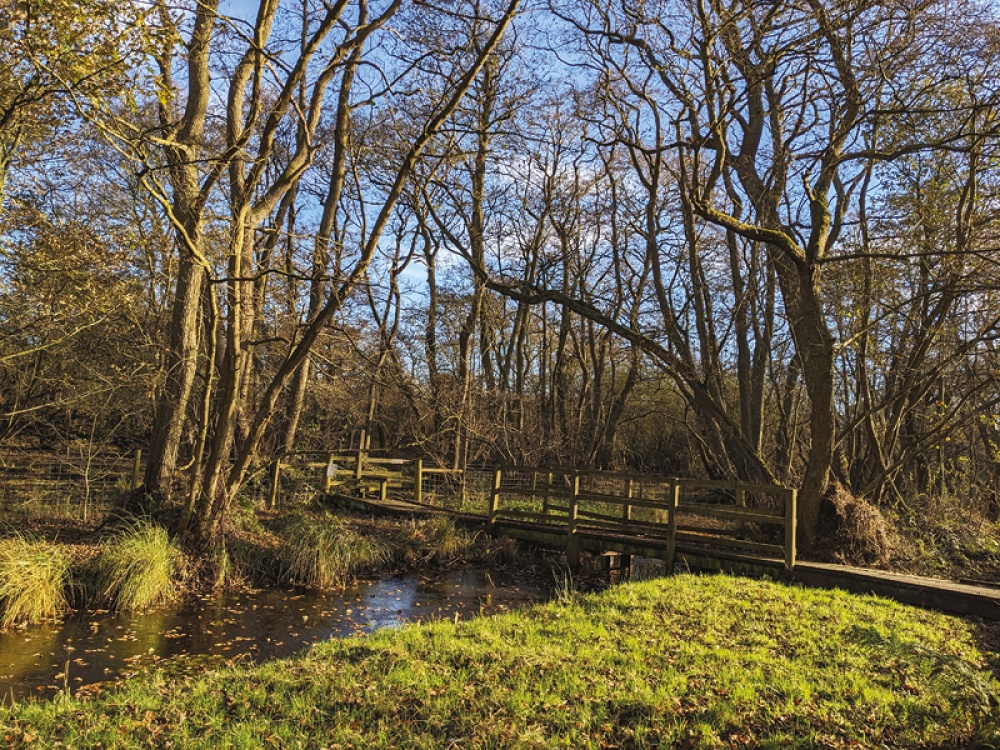
Ahead of its 80th anniversary, we discover what makes Askham Bog, the birthplace of Yorkshire Wildlife Trust, so special, and why it needs protecting


When we first ask David about the origins of Askham Bog, he laughs. ‘I always say to people, how long have you got? This is a story that goes back about 15,000 years.’ What can be seen today of Askham Bog is evidence of a time when Yorkshire’s landscape was dominated by shifting ice sheets and freezing temperatures.
As the glacial phase of the last ice age came to an end, the retreating ice left a landscape scraped raw. ‘It left all sort of scars on the landscape – all sorts of dips and depressions. It carved out valleys and carves down the sides of fells, but here it left a big bowl which we think of as the Vale of York,’ David explains. ‘That bowl filled with meltwater and what happens is that lake fills gradually over time with sediment.’ As the sediment builds up, plants begin to grow in its shallow waters. Over the many cycles of plants growing and dying, plant matter falls to the bottom of the lake. ‘They start to rot and decay, and they form an organic deposit which is what we call peat.’
Eventually, after enough peat has built up, the lake disappears. ‘You’re left with just this dome of peat instead. What once was this vast space, what we now have is this much smaller relic which is all that’s left of it – and that’s what Askham Bog is.’
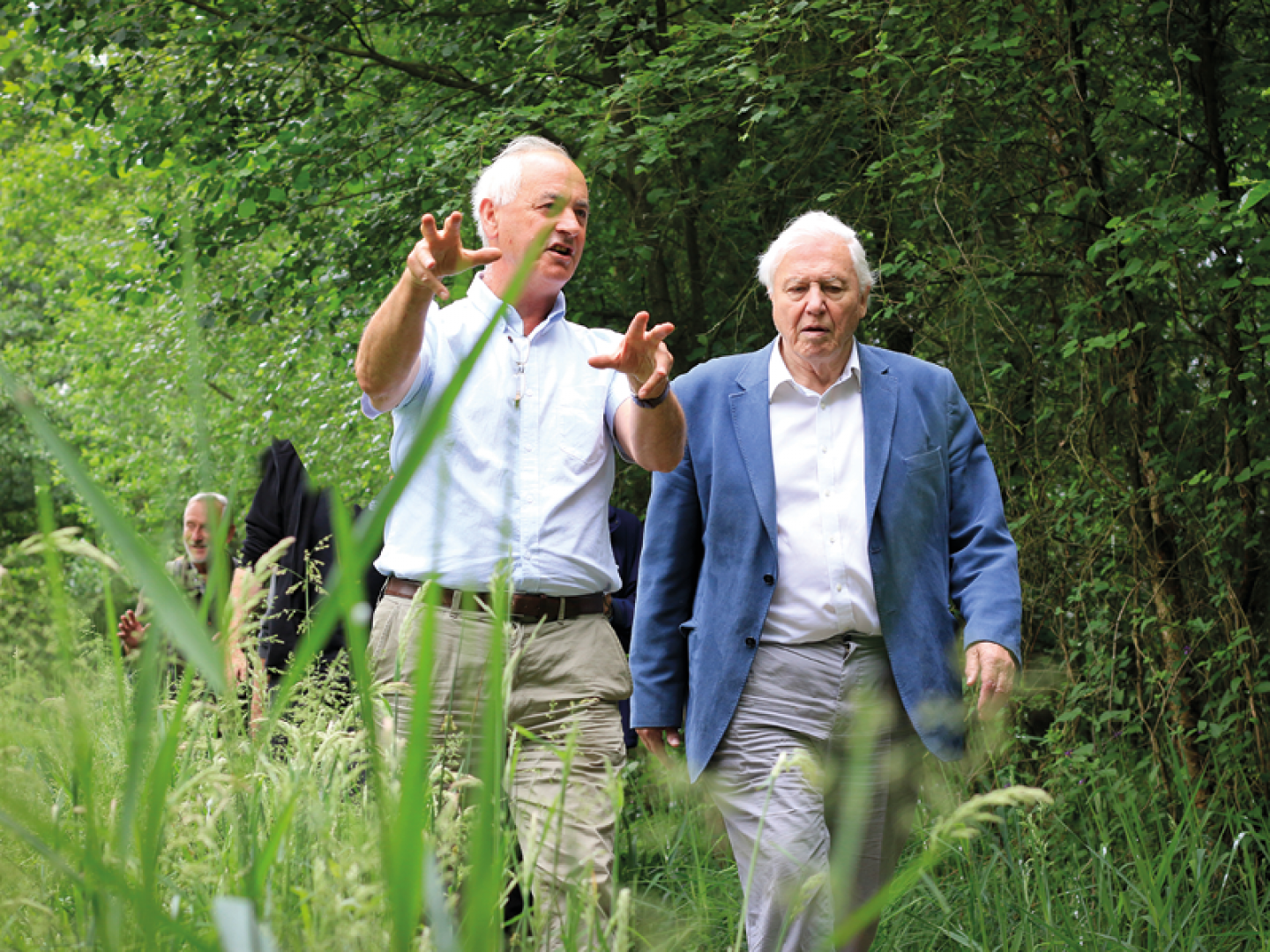
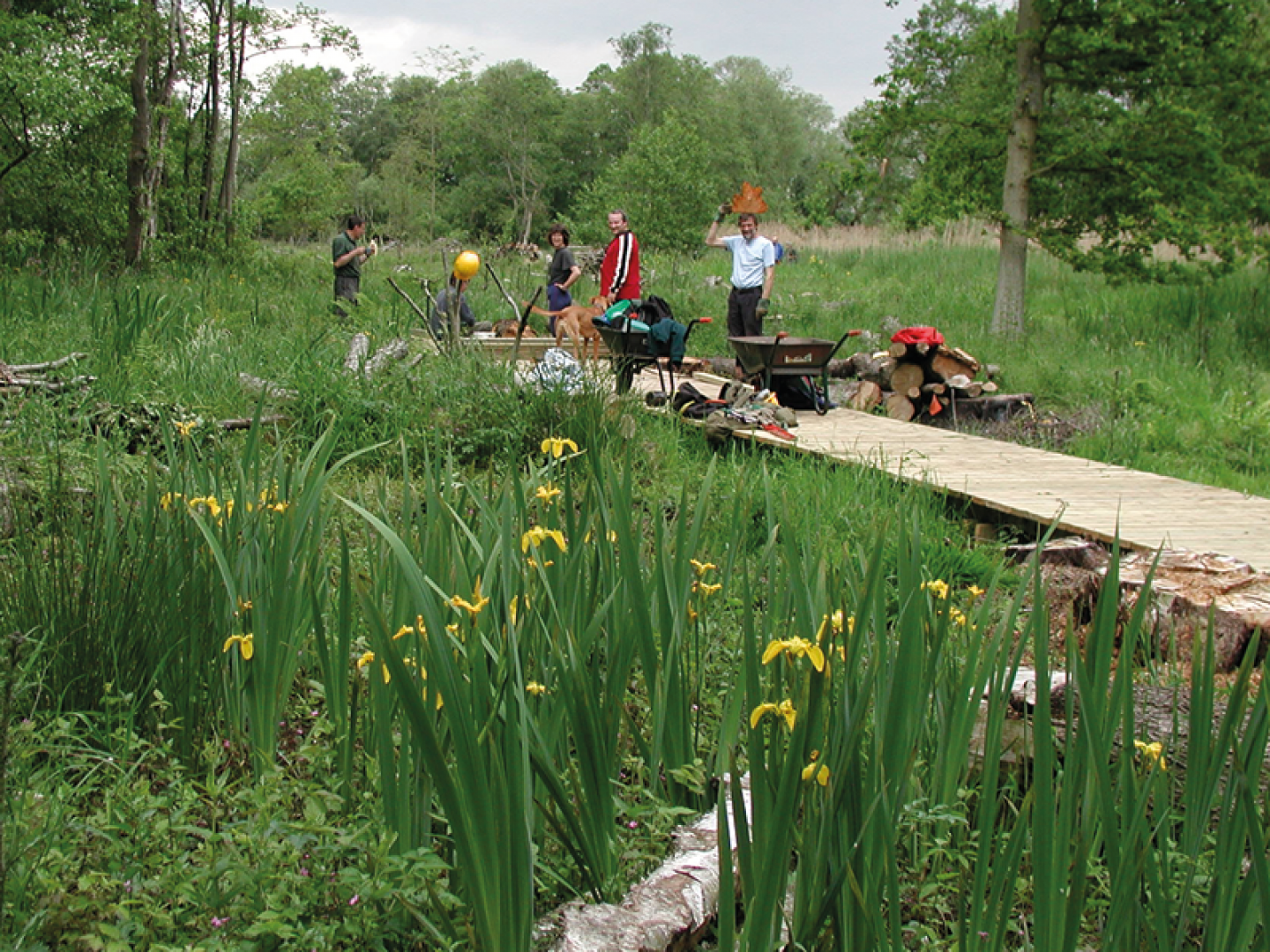
In 1946, naturalists (and famous chocolatiers) Sir Francis Terry and Arnold Rowntree formed the Yorkshire Naturalists Trust, with the specific aim of caring for Askham Bog. Yorkshire Naturalists Trust would go on to become Yorkshire Wildlife Trust. ‘There’d been something call the Rothschild’s list. This was a list of a few hundred sites across the entire country that were seen as being the most ecologically important to preserve, and one of those was Askham Bog,’ explains David.
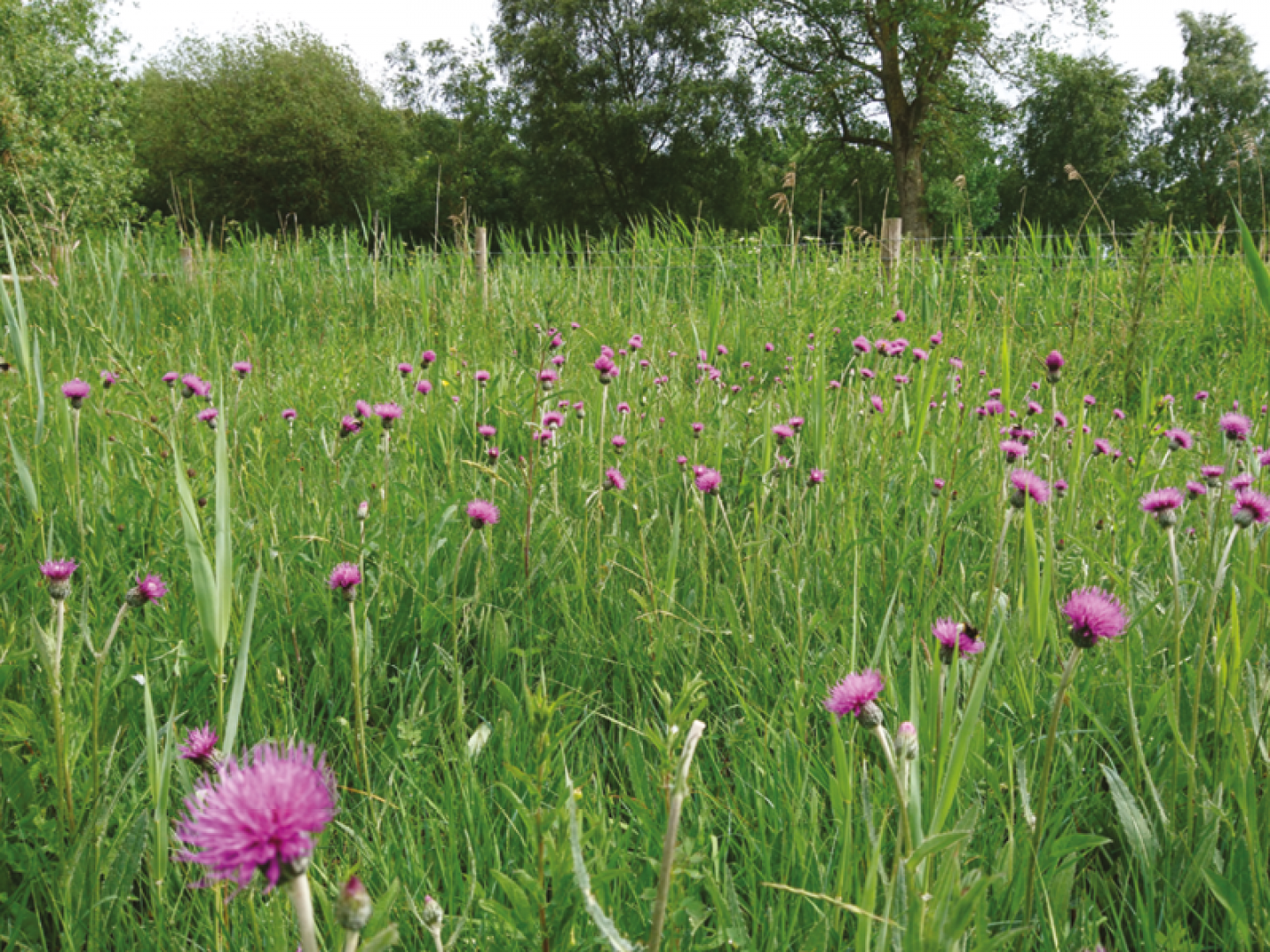
The significance of the reserve to the Trust cannot be understated. ‘It’s critical. We would say it’s our birthplace,’ says David. Even after eight decades, the reserve remains abundant in wildlife. ‘Askham Bog is important because it has somewhere in the region of 10 percent of all the species of all the different groups of plants and animals that we know. They all live in Askham Bog, an area that is about the size of six football pitches – it’s not big in terms of what we think about nature reserves.’ During a visit to Askham Bog, the legendary Sir David Attenborough was quoted describing the site as a ‘cathedral of nature conservation’.
Besides Askham Bog’s importance for biodiversity, it also plays a crucial role in water and CO2 storage. ‘A bog, particularly a peat bog, is absolutely fantastic for the way it locks CO2 in. When we talk about climate change and risks that we have from that, anything that’s locking CO2 into the ground is a good thing,’ explains David. ‘Bogs are also fantastic for people who are living in York and don’t want their houses flooded. Having bogs around you is a fantastic thing because they will take the water and soak it up like a sponge.’
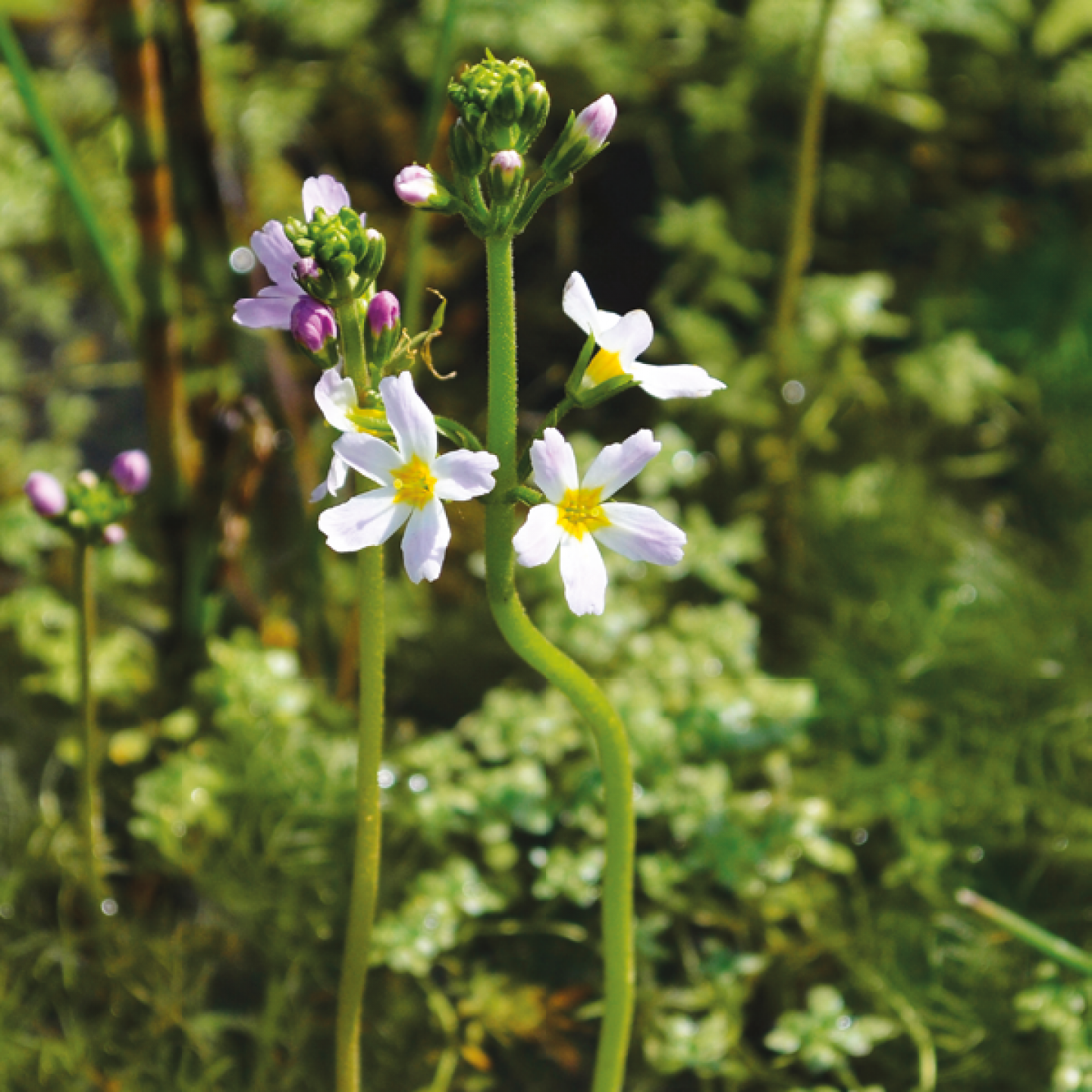
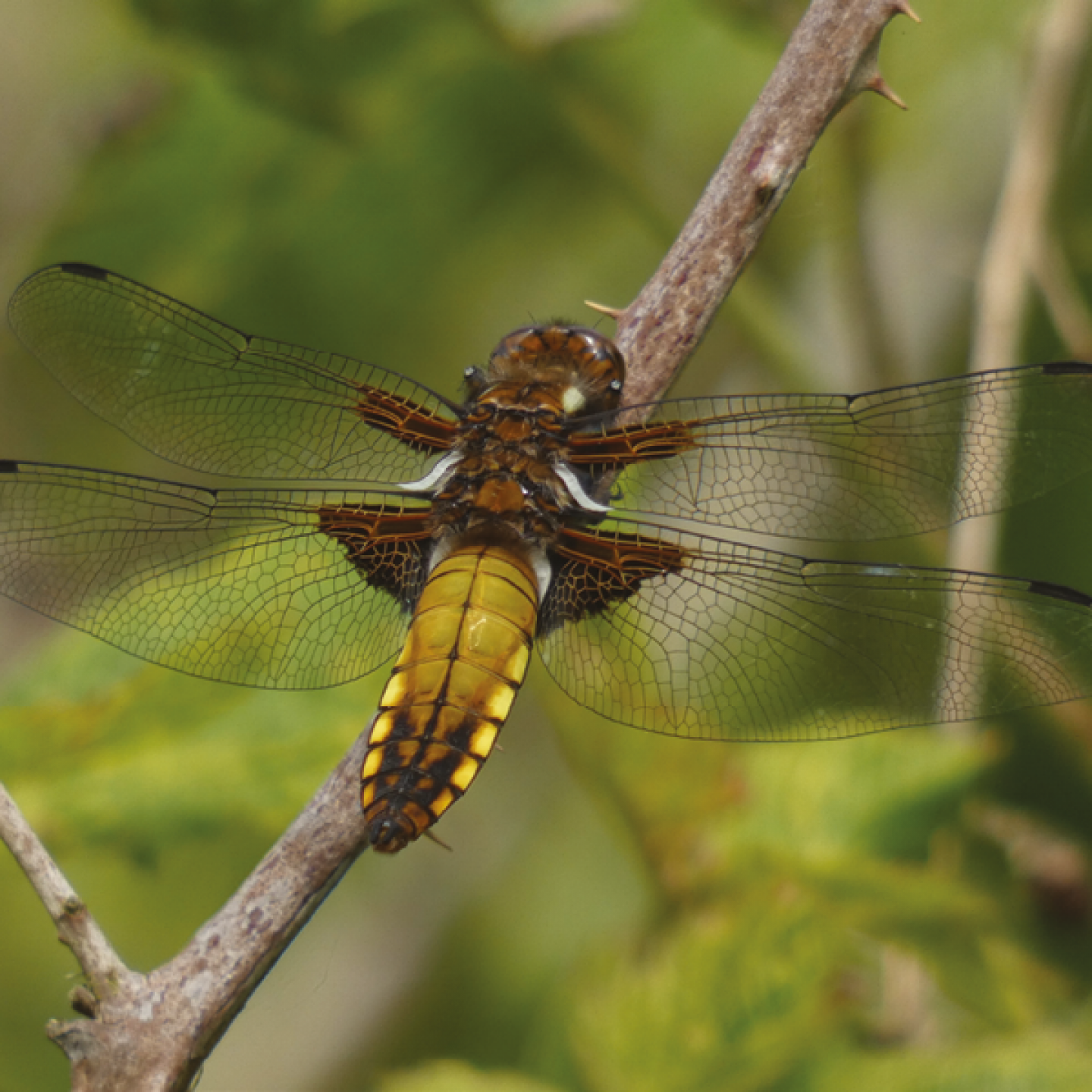
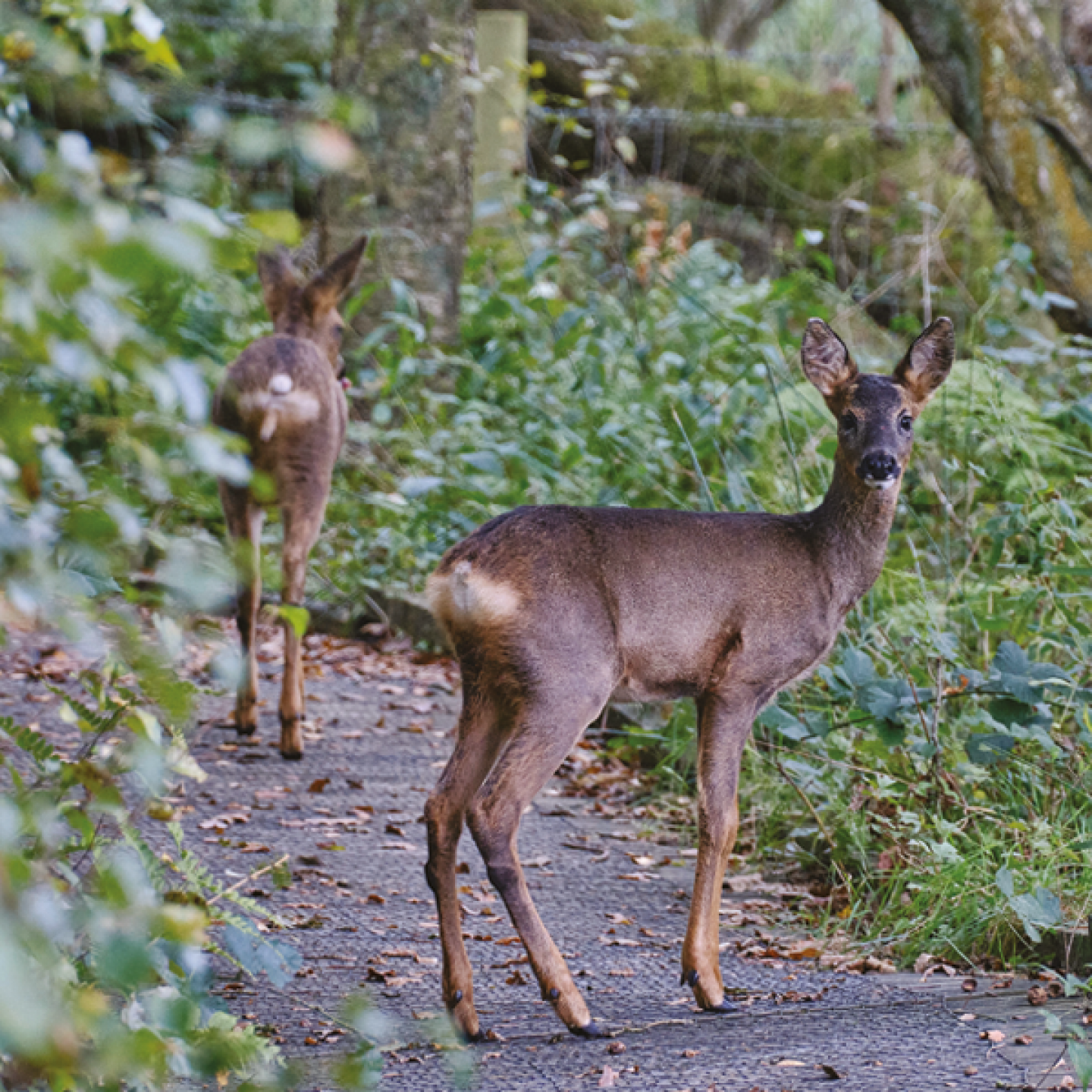
Despite careful caretaking, Askham Bog still faces threats. The key issue, David says, is the public’s attitude towards water. ‘Fundamentally the biggest threat to the bog and the biggest thing that’s changed is just what happens to water. The best thing for the bog is for it to be as wet as possible for as long as possible, and what we’ve increasingly seen is that we’ve got this climate chaos,’ he continues. Rather than reliably hot and dry summers followed by wet winters, seasons and rainfall have become increasingly unpredictable. This is exacerbated by the human desire for dry, workable land. ‘Either it’s too wet and we’re trying to get rid of it really quickly, or it’s too dry and how do we cope with that? If everyone had bogs of wetlands around them, you could hold water so you’ve got it when you need it and you keep it out of the way when you don’t need it. It’s shifting the whole way we think about water.’
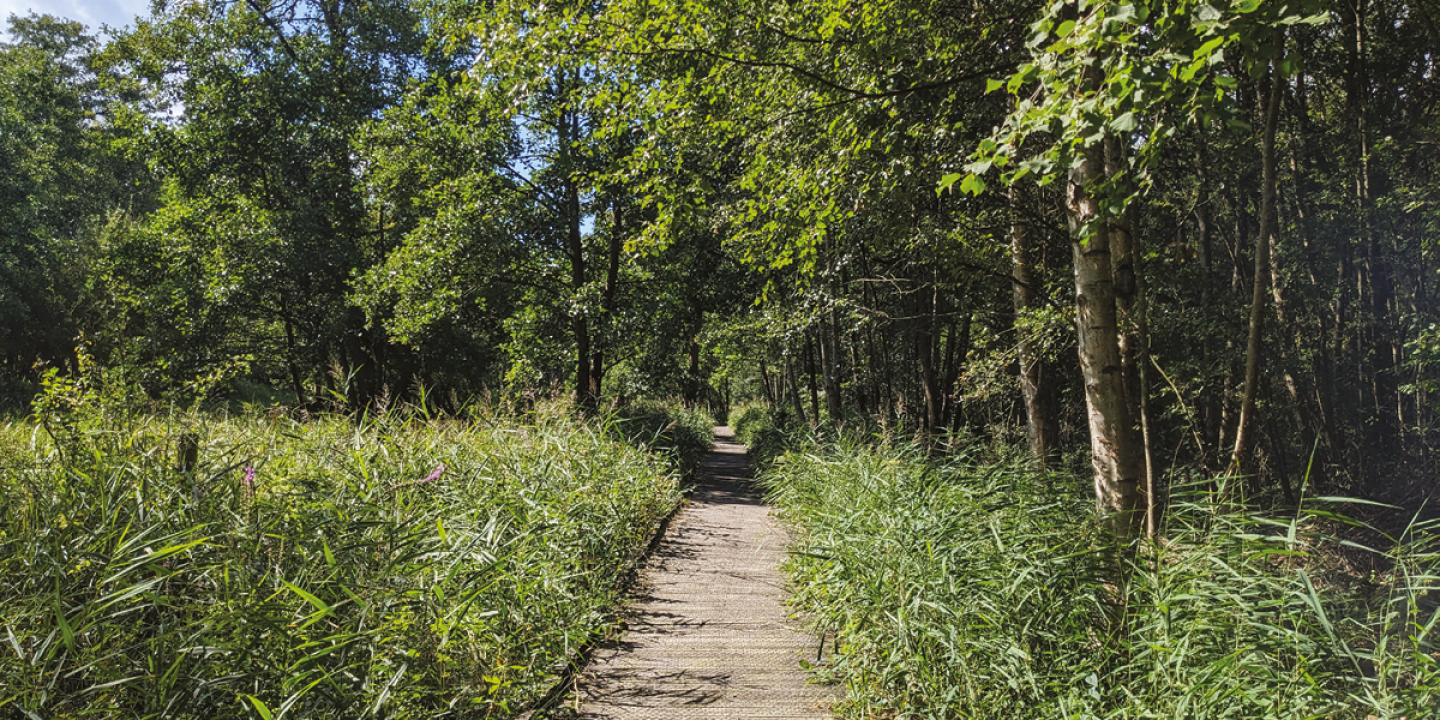
The recently launched appeal for Askham Bog coincides with its closure for boardwalk maintenance. ‘For a couple of years we’ve wanted to improve the way the public access Askham Bog. The boardwalk was a fantastic thing. It was the work of volunteers who spent months installing the wooden boardwalk by hand, but the problem is wood in a wet environment obviously rots. There’s been this ongoing replacement process to replace it with recycled plastic.’
This has given the team the opportunity to expand its works while the reserve is closed. ‘It means we can get into the bog in places where normally we can’t because of having to manage public access,’ explains David. ‘We can do works that might otherwise be challenging and the appeal is about raising the money to do some of these interventions which will help us, not just hold the bog where it currently is, but will allow us to do more to make the conditions in the bog better for the long term.
Key to this is how the reserve can use water better and hold it in the land for longer. ‘Installing things like dams, tilting weirs, and water control structures will make our lives much easier and allow us to hopefully make the bog thrive into the future,’ says David, who has already been delighted by the generosity of the local community.
‘We always welcome volunteers, but at the moment what we’re looking for is people to donate. We’ve set a target over the next five years to reach £250,000. That’s what we’ve identified will allow us to both do the initial interventions that we want to do this year, and as we see how the bog responds to that, have the opportunity to make further interventions,’ he explains. ‘We’ve been really blown away with how well people have responded to this. We’ve had some fantastically generous donations.’
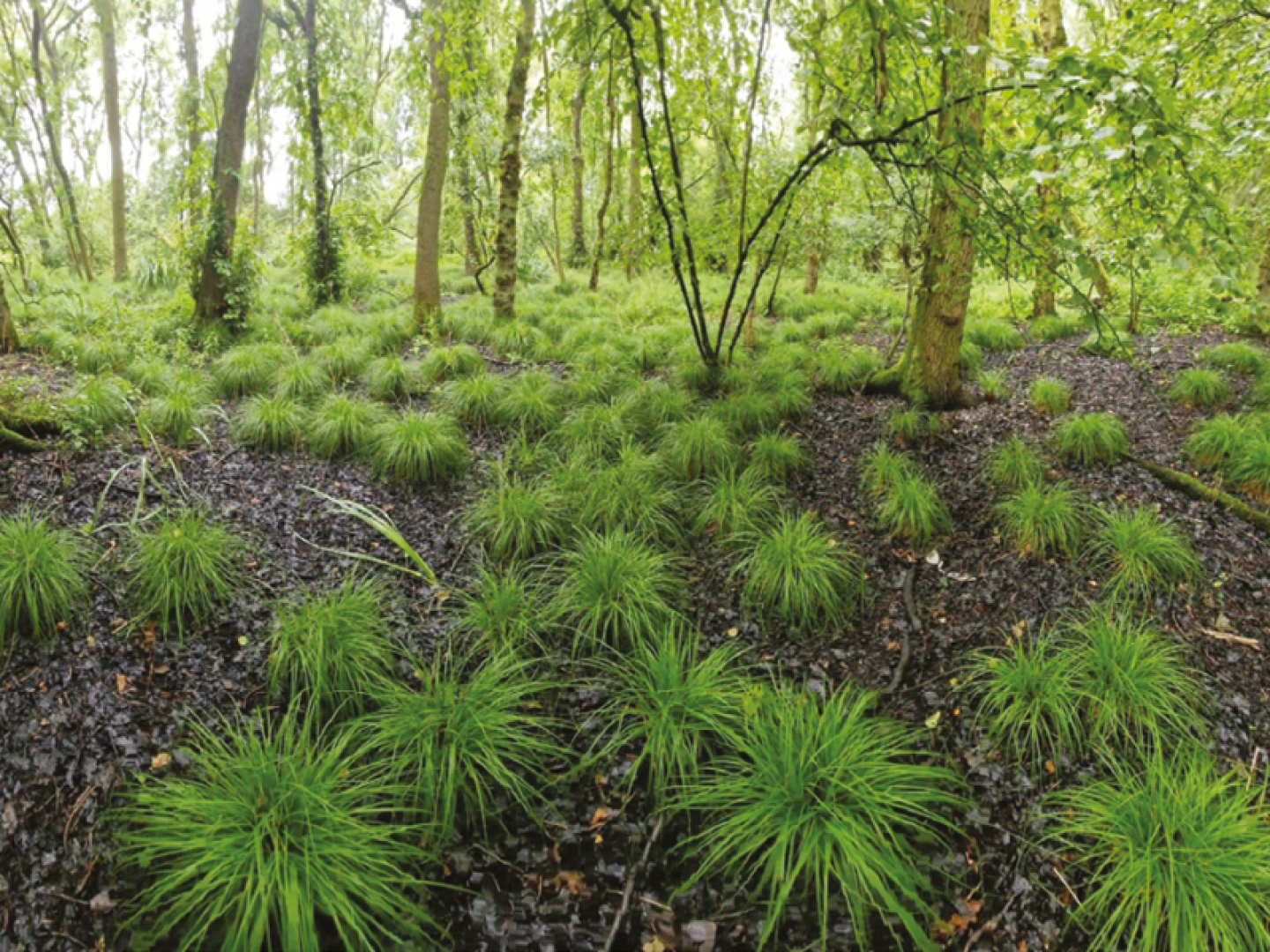
Looking ahead, David knows Askham Bog has plenty of life left. ‘What I hope for the future is to be surprised,’ he says. ‘A few years ago we had a particularly wet spring, and that led to a plant which we thought had largely been lost from the bog (called slender sedge) returning. We’re lucky if we maybe see one or two flowering spikes but we had hundreds of them because we had this unexpected boost of water. What I want is more surprises. I want to see more of the plants we think might be lost that we find are still in there.’
For more information, visit ywt.org.uk/nature-reserves/askham-bog-nature-reserve.