
Discover a Day in the Life of the Northumberland National Park Mountain Rescue Team
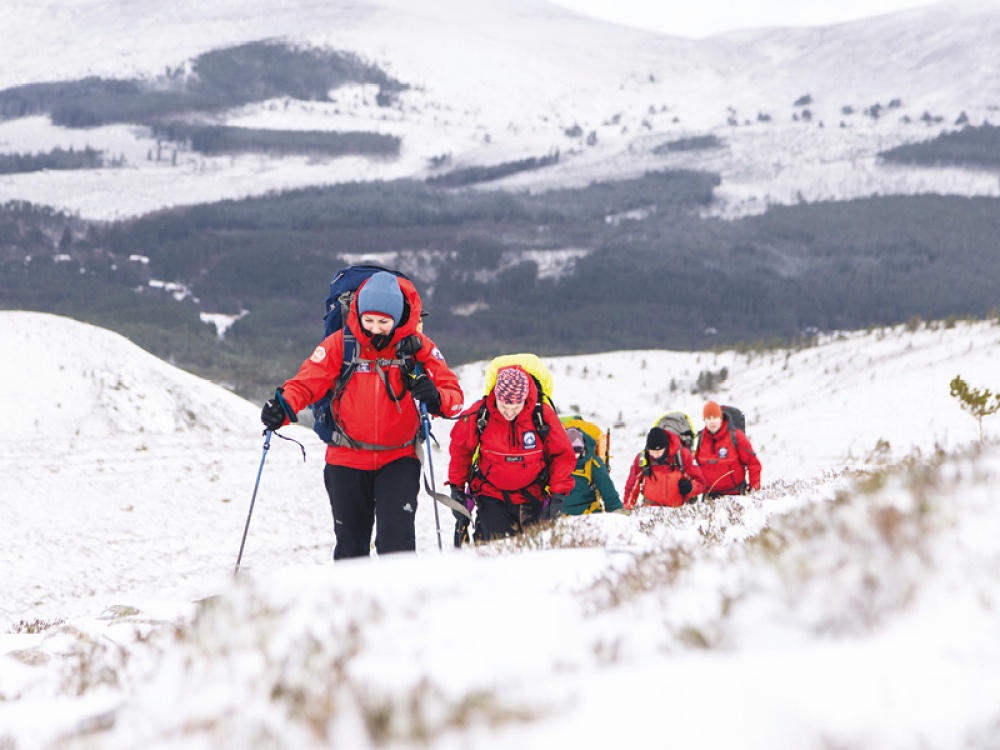
We get the inside story from Northumberland's bravest who risk life and limb to keep us safe


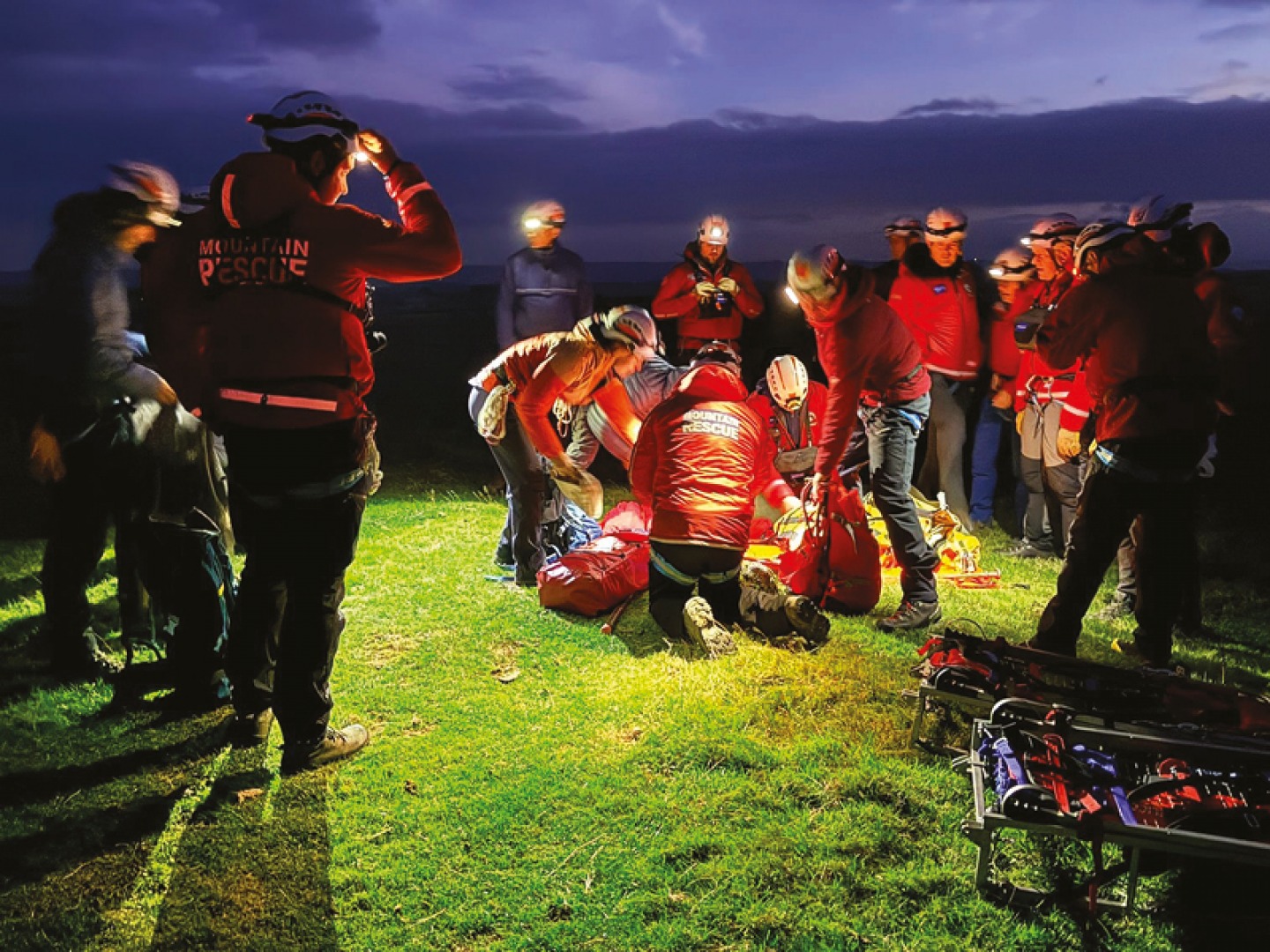
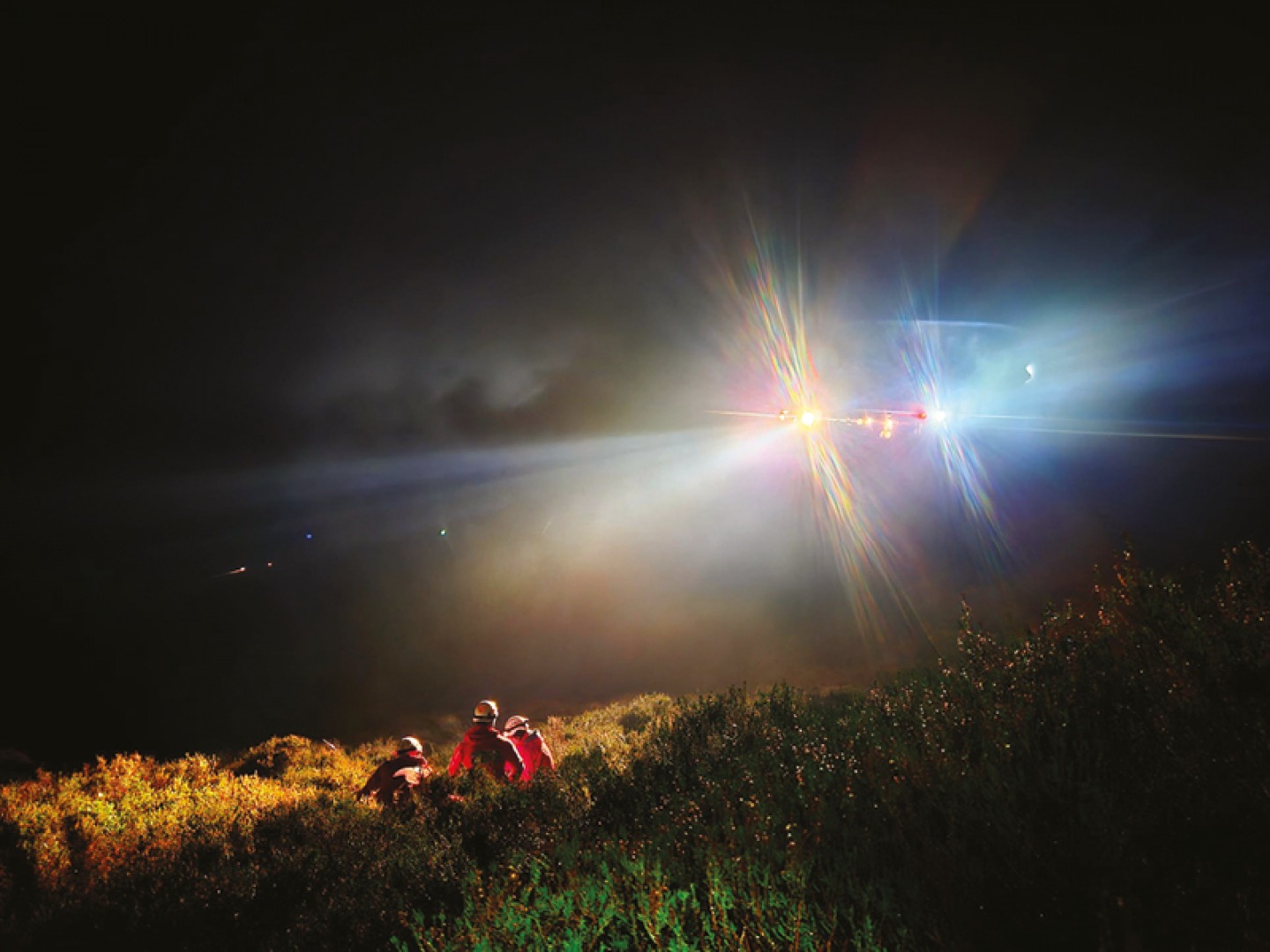
Responding to more than 80 incidents in 2025 alone, including the highest ever recorded number of incidents for a single year in the Cheviot Hills, the scope and scale of the work undertaken by the team is immense. ‘We cover all the Northumbria Police operating area – everywhere from Berwick in the north, to Sunderland in the south and across the border to Cumbria,’ says Will. ‘In fact, we have the largest mountain rescue area to cover in England and Wales.’ But when the team first began in 1966, it started as a small group of volunteers responding to a local loss.
In the winter of 1962, two shepherds tragically lost their lives in the Cheviot Hills during a harsh blizzard. Following the loss, a small group of Northumberland wardens came together to form a response team rooted in the community. ‘These were wardens who volunteered to undertake search and rescue roles in addition to their warden work. This meant that the team at that stage was a small, almost bespoke group of people,’ Will explains.
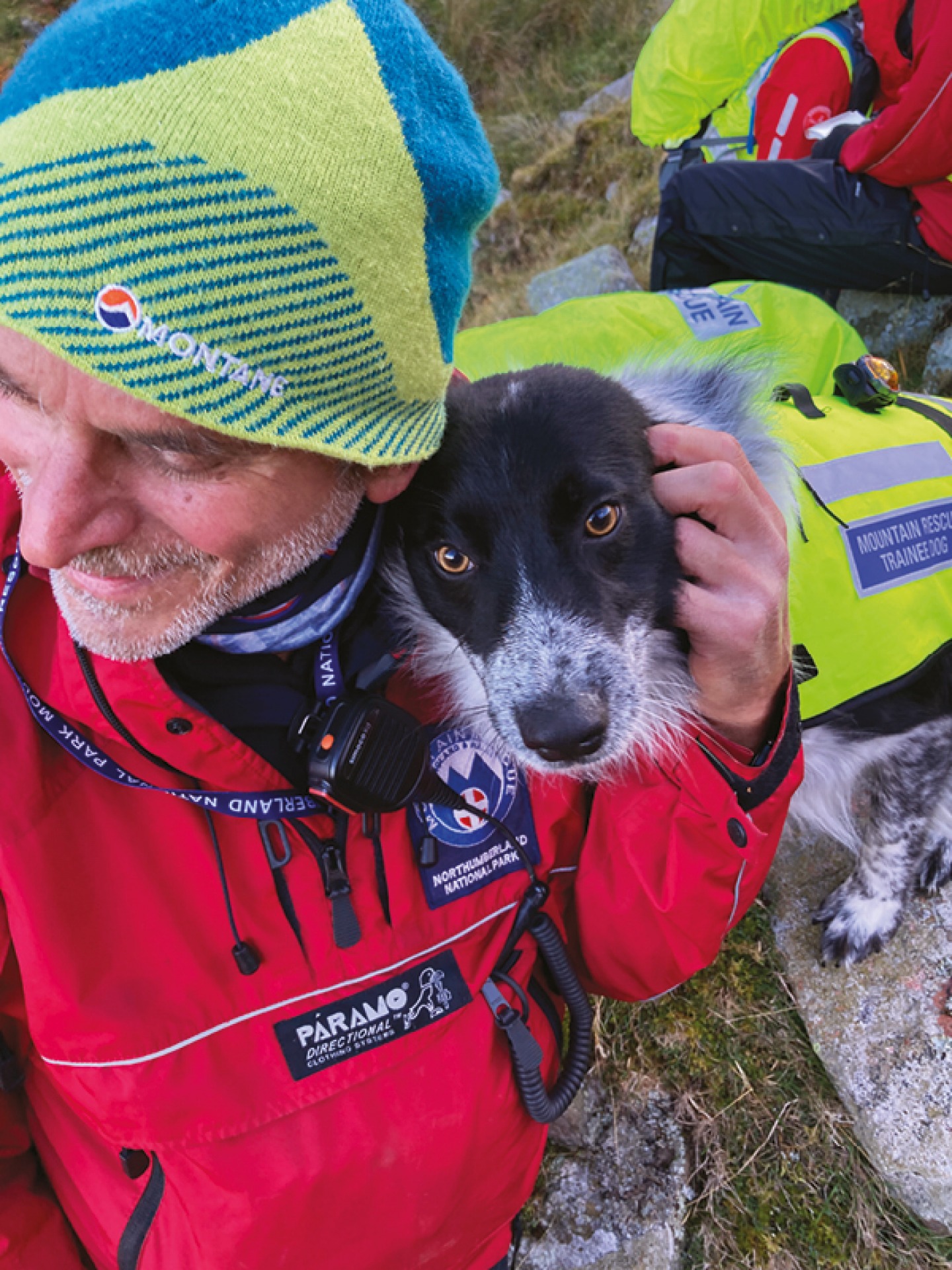
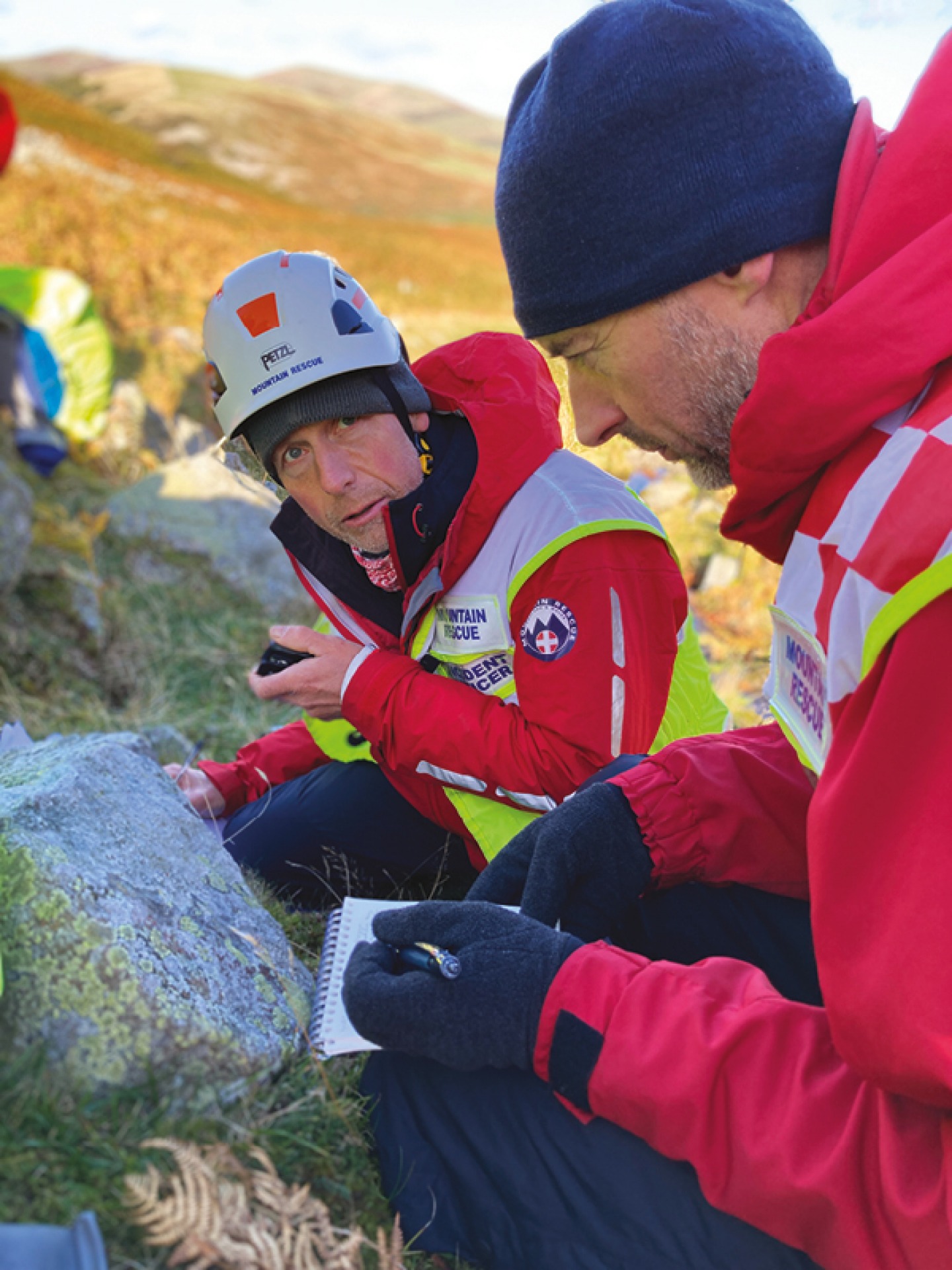
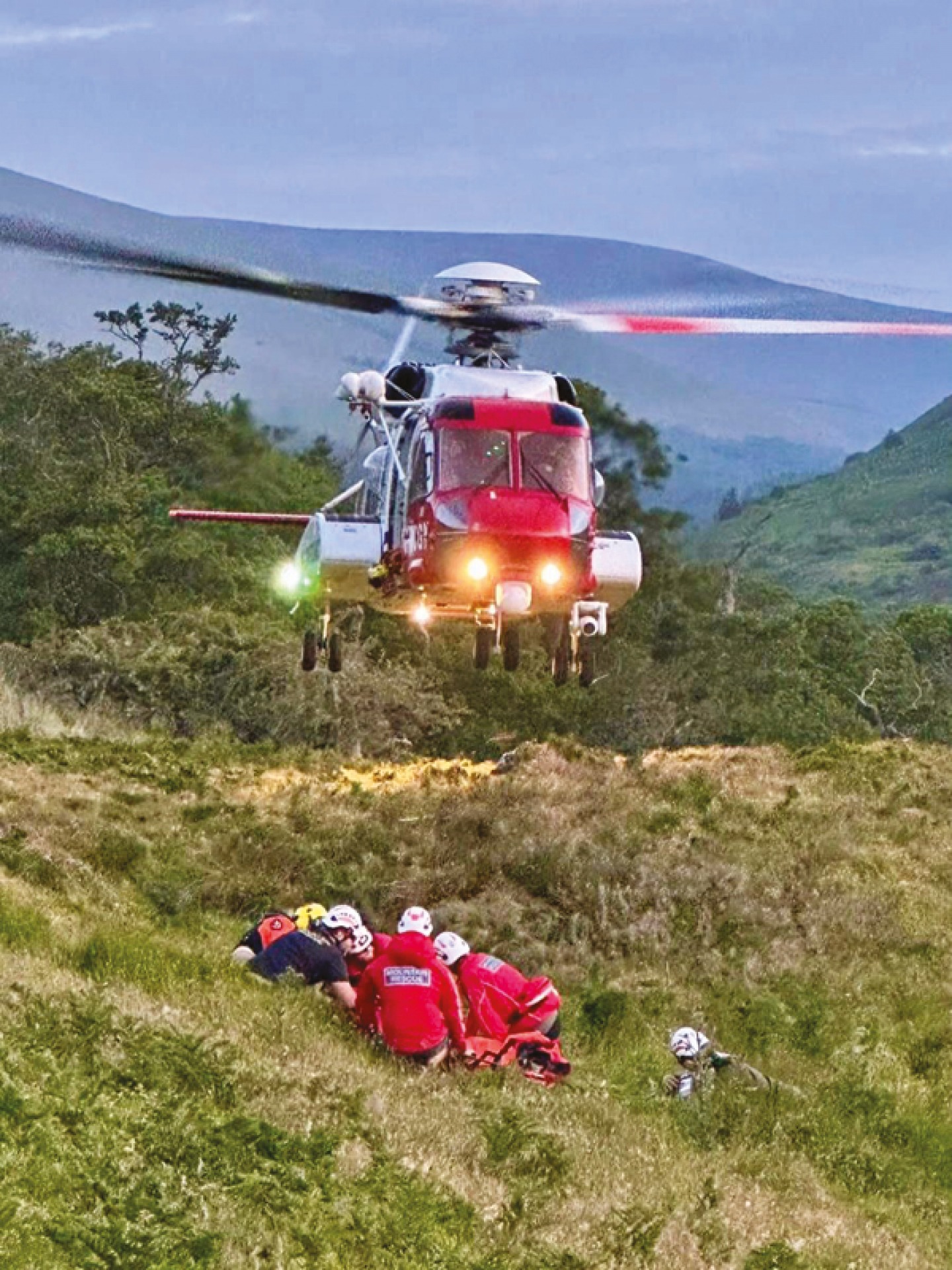
‘The scope and scale of the work undertaken by the team is immense’

Since those early days the team has very much expanded its capacity and skillset, but remains deeply rooted in the local community. ‘When it was first formed, the team would have focused on search and some technical rope rescue,’ Will says. ‘Now the team's skillset has expanded to highlight the range of work we do; a key part of this is our search capability [and] we have specialist search managers who are trained by The Centre for Search Research (a charity that two of our team members set up in the 1980s),’ explains Will. The specialist knowledge the team have access to now includes the use of drones, thermal imaging cameras and search dogs. ‘We also have specialist volunteers trained in other areas including water rescue (we have a water team who support the fire and rescue service during floods) as well as rope rescue trained volunteers.’
Volunteers who don’t attend call outs have also become an essential part of the team. ‘They do everything from looking after the finances (we have to raise approximately £70,000 per year to keep our team running), to maintaining our vehicles and equipment, and taking part in fundraising and welfare support for our operational members,’ says Will. These volunteers, as well as rescue team members, come from all walks of life and include everyone from paramedics and teachers to accountants and architects.
Many may assume that the team only respond to incidents involving walkers and climbers, but their range of abilities covers all manner of incidents and they work closely with other emergency service response crews. ‘We are actually called out by the police, fire and rescue service and the ambulance service,’ Will tells us. ‘Over the 60 years that the team has been in existence, we've been involved in recovering items from the Lockerbie Bombing, searching for high-profile missing persons, responding to extreme weather events such as the Beast from the East and Storm Arwen, as well as responding to resilience incidents such as flooding in towns and villages. People think we just rescue missing or injured walkers or climbers – we do that and more besides!’
With such a wide remit, keeping up to date with training is essential for the team. ‘Operational team member training is two to three times per month – usually a couple of evenings and a Sunday. We have a training programme that allows us to maintain familiarisation with our equipment, check and test our competency, and practice exercises and scenarios that we may come across on a call out,’ Will explains. ‘This can be anything from simulating a crag-fast climber to searching for a missing person with dementia. We also have full weekend training exercises which allow [us] to get into things in more depth – for example medical training weekends and our annual winter skills training weekend where the whole team moves to the Cairngorms for the weekend to practice avalanche and winter rescue techniques (we do get avalanches in the Cheviots).’
All this training was put to good use in 2025, which was noticeably busier than the previous year, and included a peak in August of 14 incidents, making it the busiest August on record. Significant incidents of the past year included three significant falls at Allen Banks, in the Usway Burn and at the Devil’s Water near Hexham. There was also an overnight and two-day search in the Wooler area for an elderly missing man, who was located alive by a member of the public and subsequently evacuated by the team from Wooler Common.
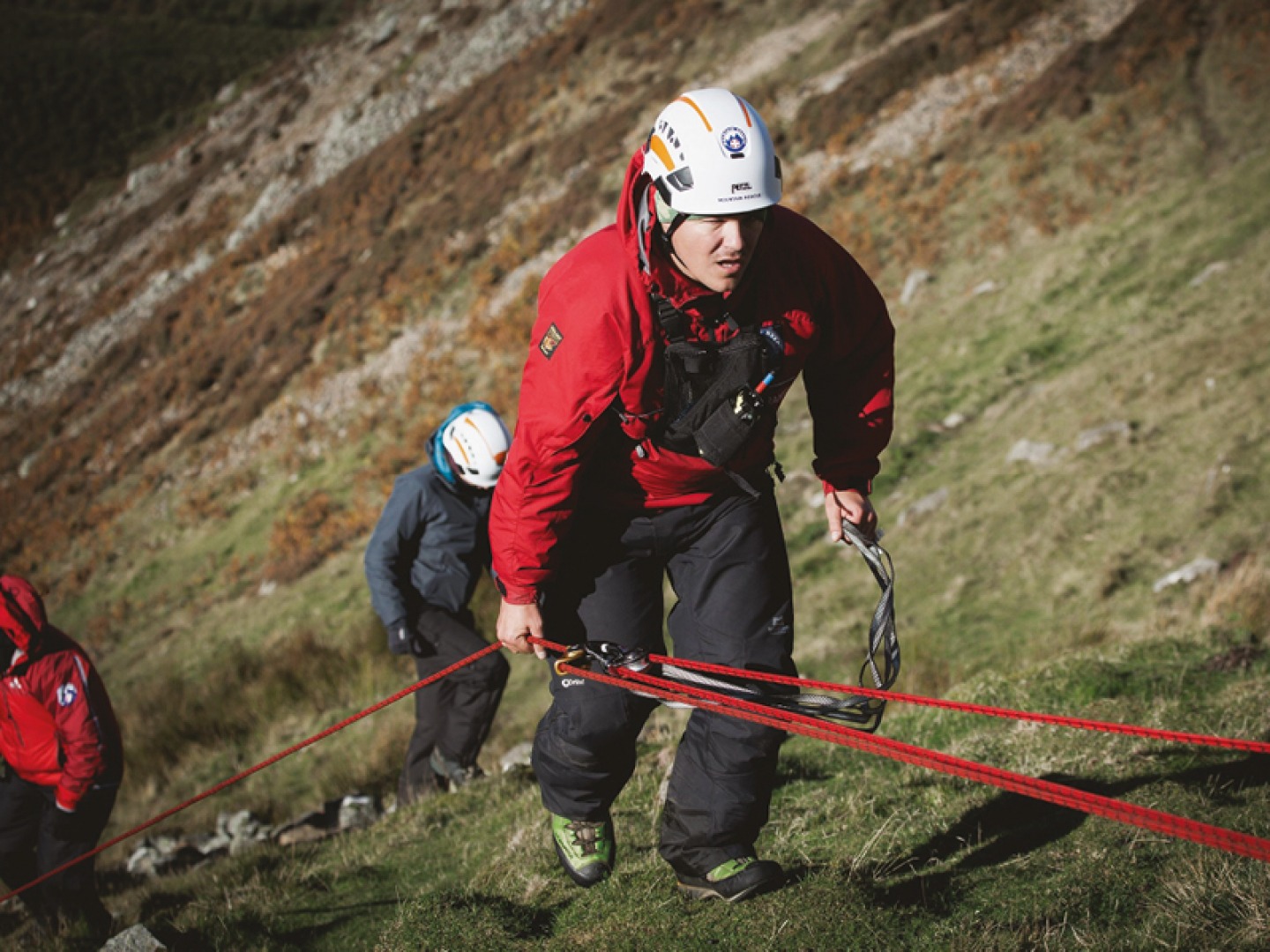
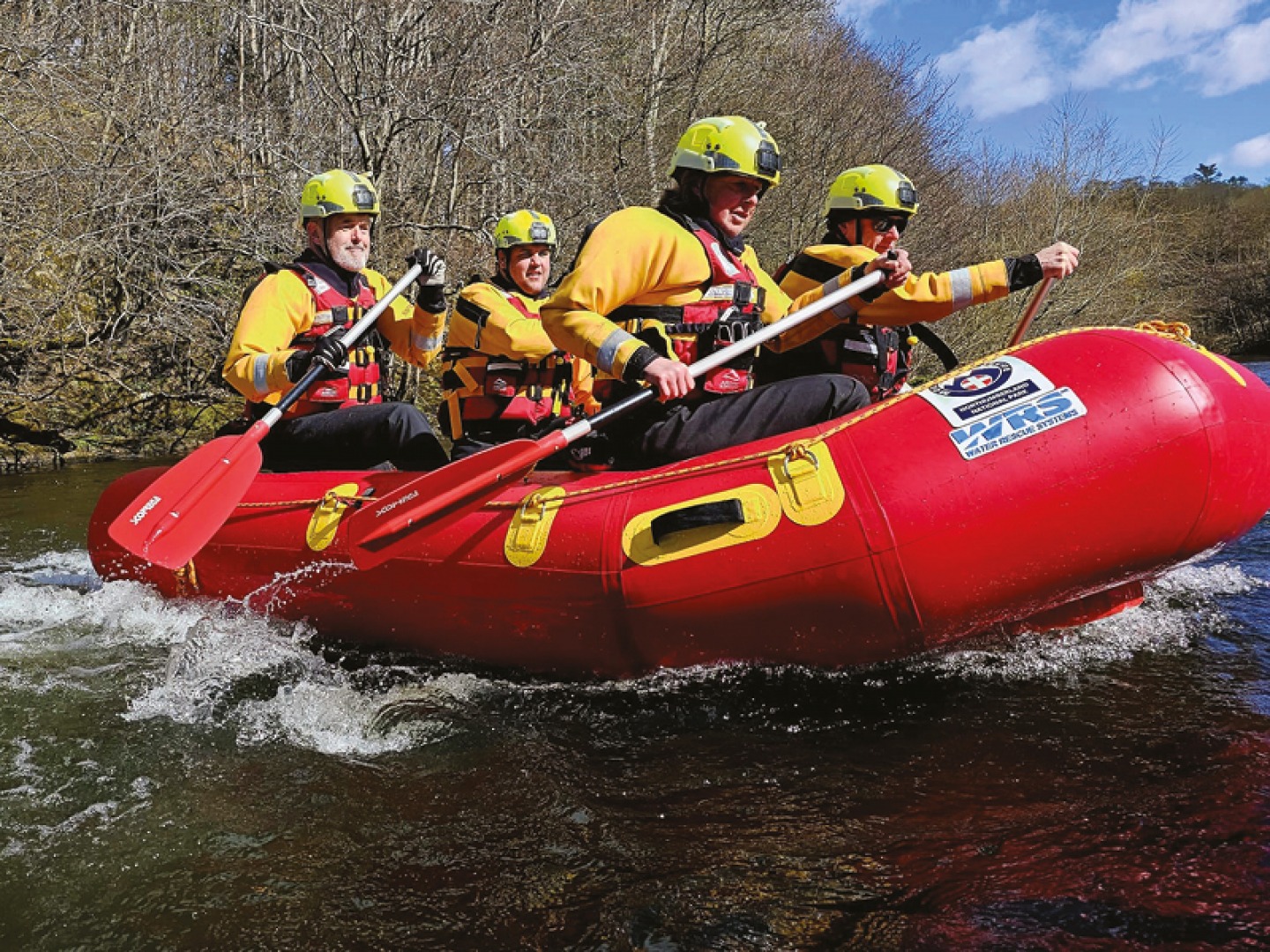
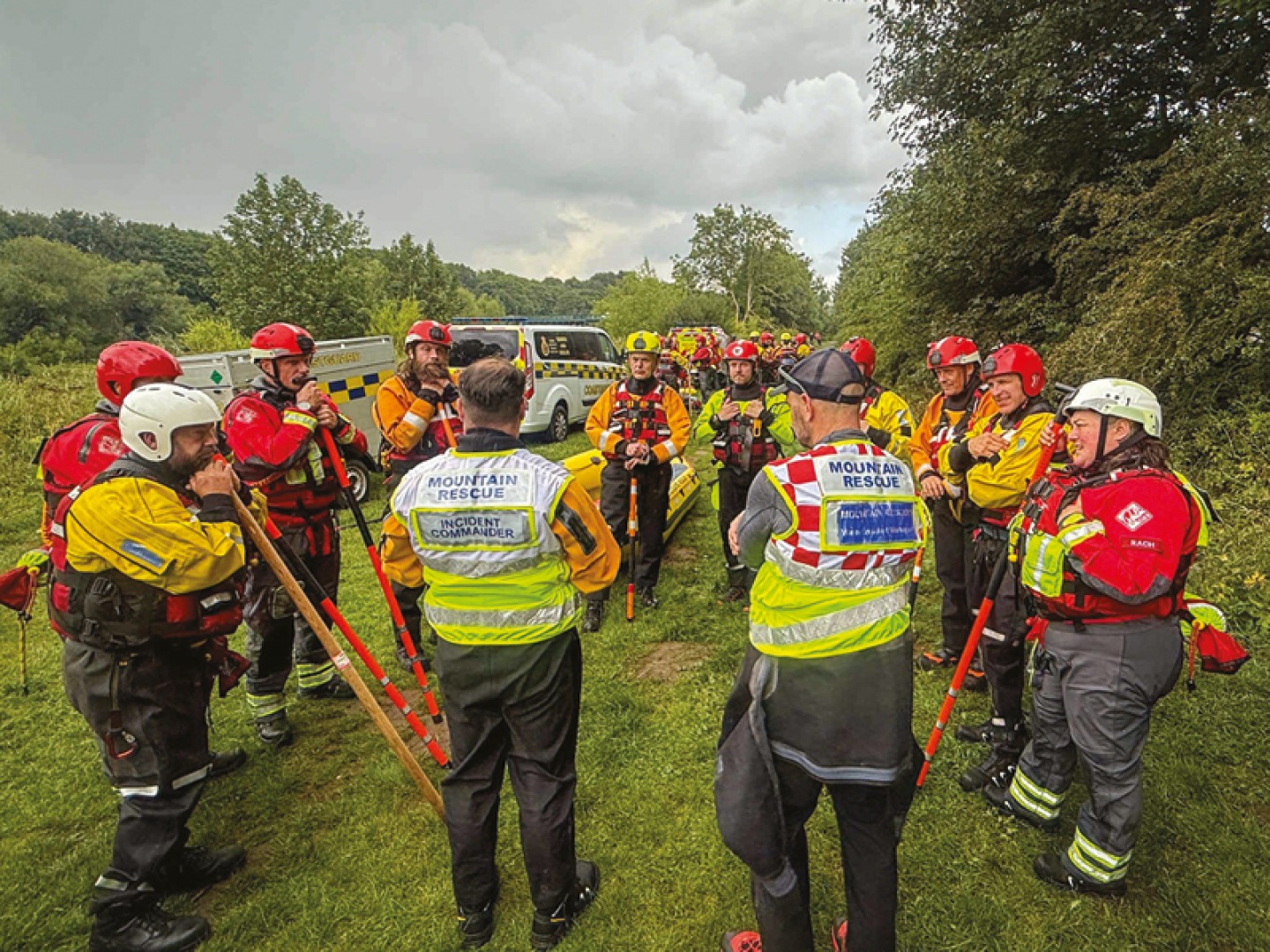
‘People think we just rescue missing or injured walkers or climbers – we do that and more besides’
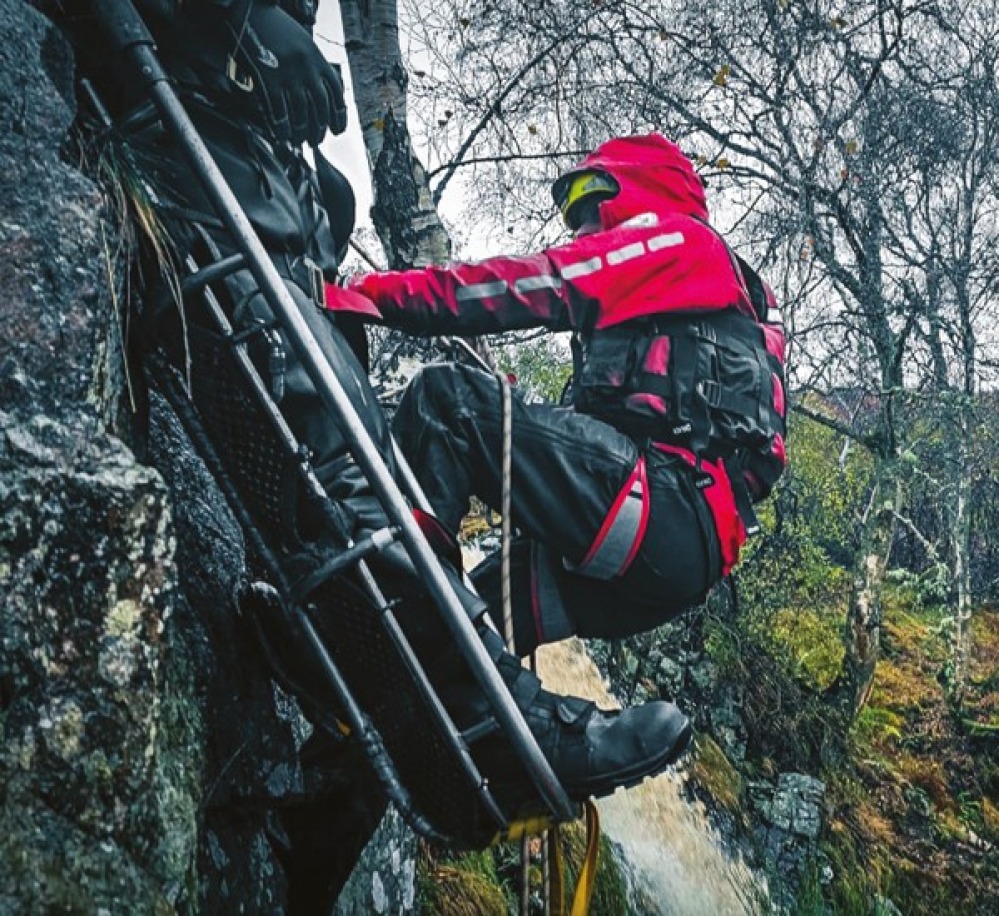
With such a variety of potential call outs, a day in the life of a team member can be hectic and requires a lot of commitment. 'It's different for everyone. For me, I'll be at work and I'll get a text notifying me about a call out, telling me the location and a little bit about the incident; all of our volunteers will get the same message and they'll then have to leave work, family or whatever else they're doing, get into their mountain rescue kit (you can't go up a crag in a suit!) and head off to the incident,’ Will explains, also noting that having a supportive network at home makes all the difference. ‘Our volunteers will often miss weekend events, birthday parties and even Christmas dinner to head out to help someone. Having really supportive family members, employers and friends is so important for us.’
To mark their 60th year of protecting the community, Northumberland National Park Mountain Rescue Team is hosting a Summer of Adventure for the public. This will include a summer garden party, chances for the public to meet the team and watch them in action, and a Cheviots Challenge which will help raise funds for the organisation. As well as raising awareness of their important work, the team hope it will all help to raise essential funding. ‘We're hoping to raise funding for a new team vehicle this year (in the region of £125,000) so we're hoping that the public will get behind this and support us,’ says Will.
Support from the public is essential for the continuation of the team, and anything from donations to sharing information is appreciated. ‘Our annual running costs are in the region of £70,000 per year. All that money comes from public donations; people putting money in a collection jar, undertaking a charity walk or event, or giving us a donation,’ Will explains. ‘Because we're a voluntary rescue team like the other teams in Mountain Rescue England and Wales, we have to raise everything ourselves, but the public across Northumberland, Newcastle and North and South Tyneside are always great because I think they value our service. Even just sharing one of our Facebook posts about our work helps spread the message of what we're here to do.’