

Does Mouth Taping Really Work?
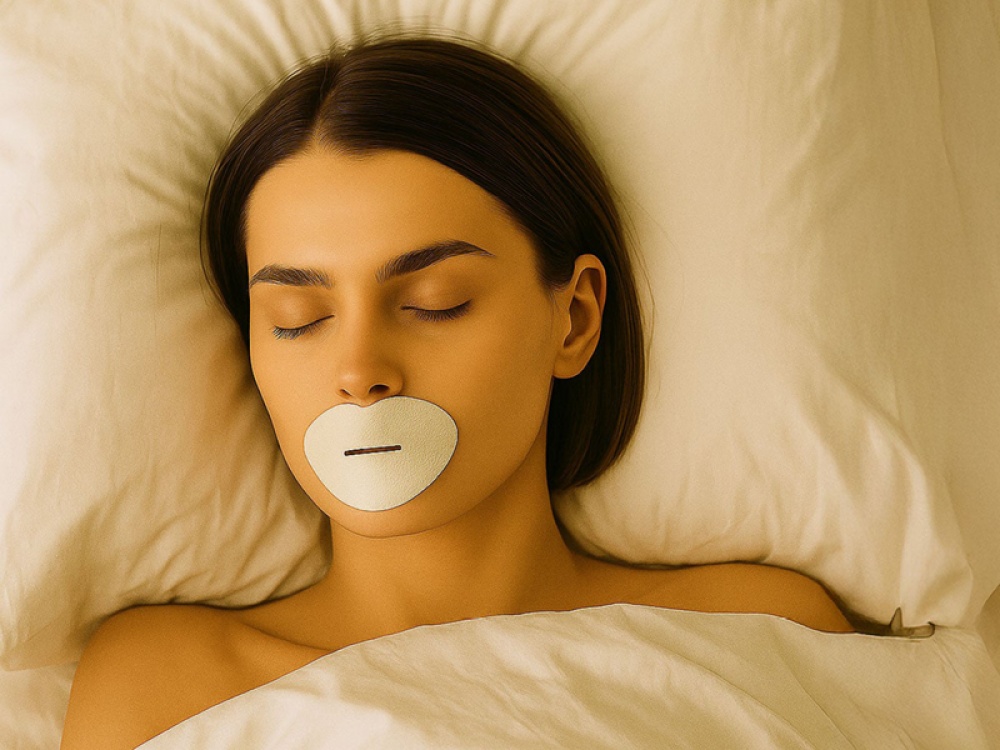
It appears more and more of us are turning to mouth taping to improve our sleep. But what is the science behind it, and does it really work?


Mouth taping involves placing specifically designed, non-toxic porous tape over the lips to keep the mouth closed during sleep so promoting nasal breathing which is considered more beneficial. Nasal breathing helps filter allergens, humidify the incoming air, and supports optimal oxygen exchange. It may also help lower blood pressure, prevent a dry mouth, and some claim it can even help improve your jawline. For many, stopping snoring is a big bonus (and certainly for any partner sharing the bed). Snoring often occurs when someone breathes through their mouth, which can cause the soft tissues in the throat to vibrate. By encouraging nasal breathing, mouth taping helps keep the airway more stable so reducing the likelihood of snoring.
– Shop the Edit –
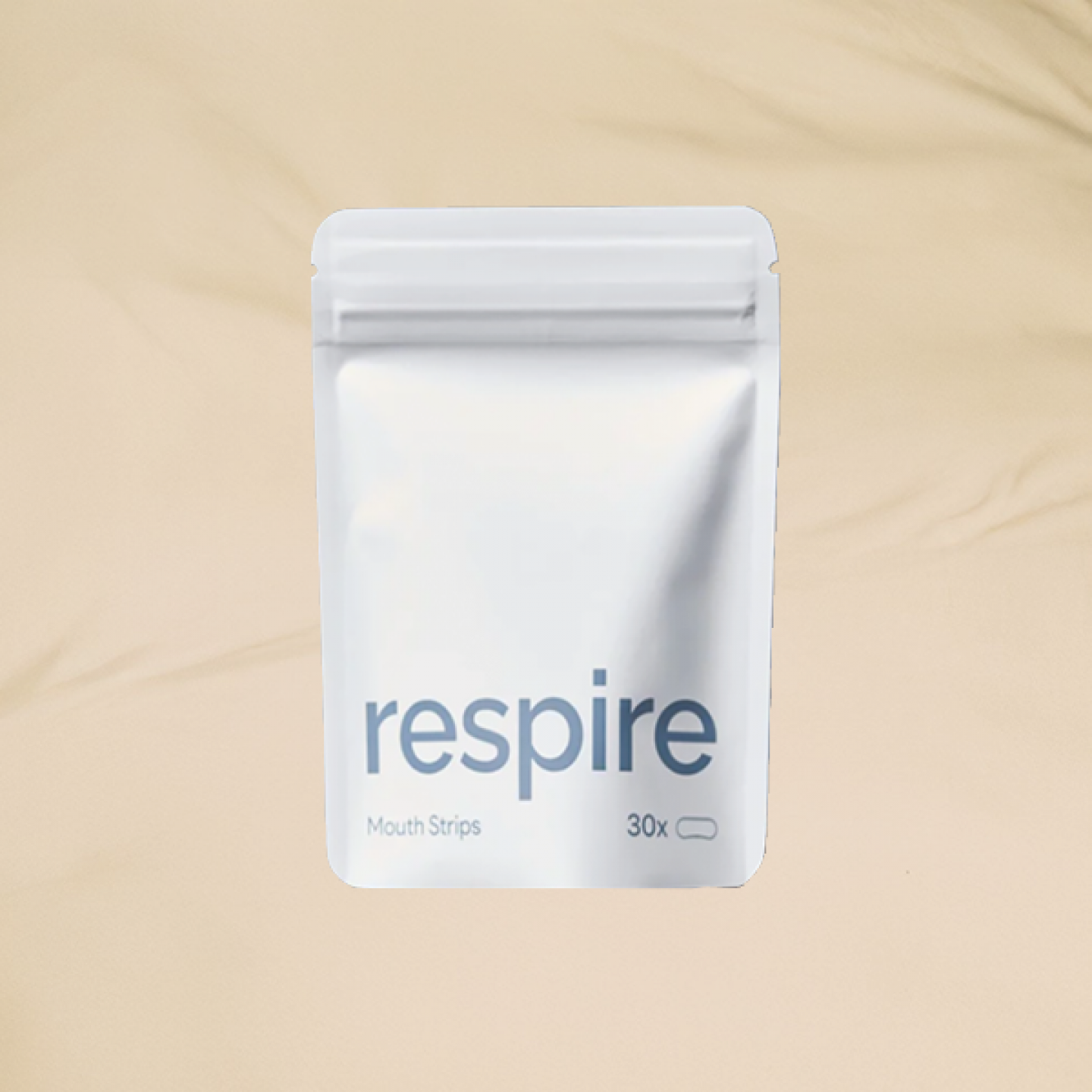
Respire Mouth Strips, £20 (30 strips)
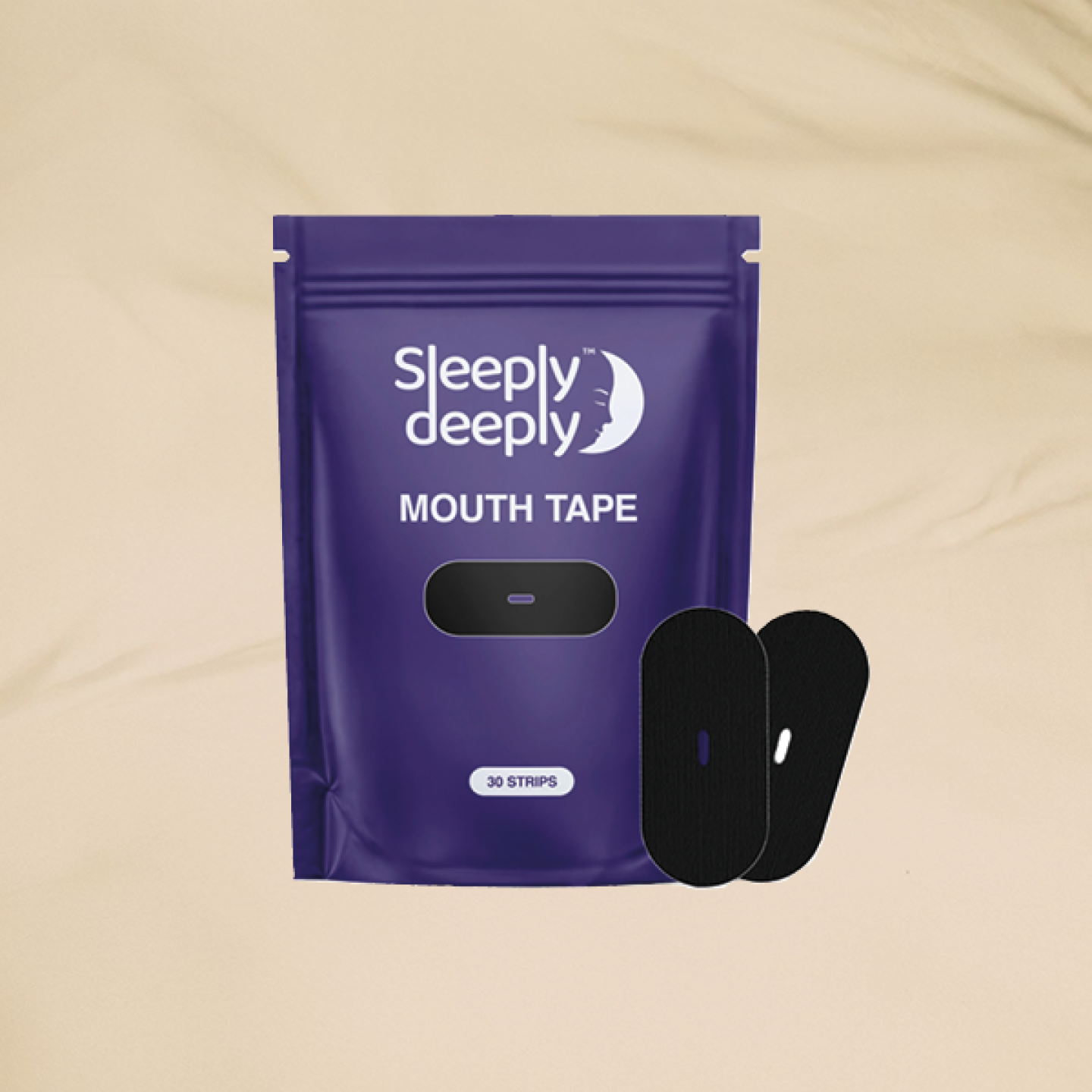
Sleep Deeply Mouth Tape, £8.99 (30 strips)
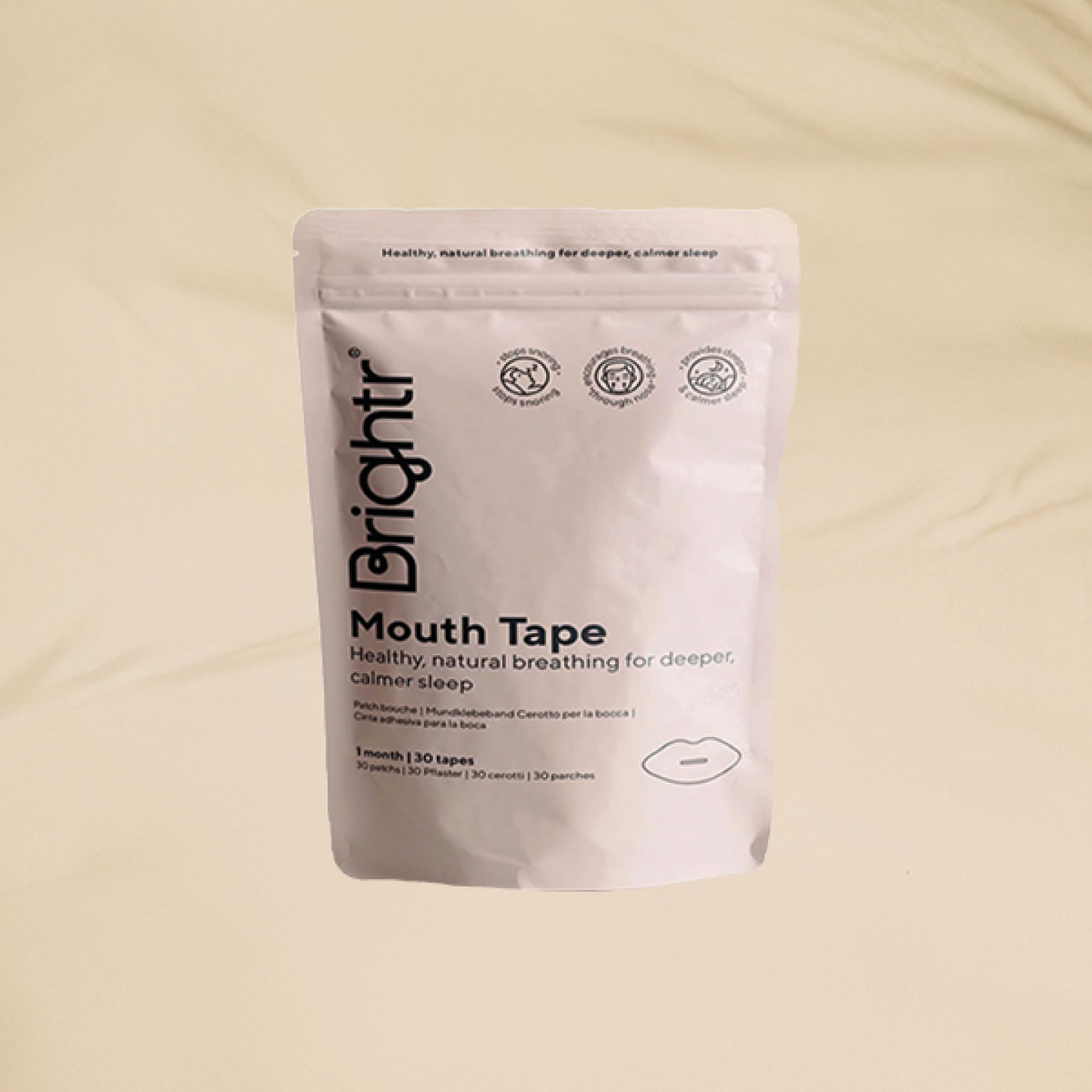
Brighter Sleep Mouth Tape, £14.90 (30 patches)
For individuals who tend to breathe through their mouth at night, taping may act as a gentle reminder that promotes better breathing habits – assuming there are no underlying medical concerns like nasal obstruction or sleep apnea.
But, say the experts, mouth taping is not without its own risks. Some find it hard to adjust to nasal breathing but ‘for individuals already struggling with conditions like nasal obstruction or chronic allergies, mouth taping introduces an unacceptable level of risk,’ explains sleep medicine specialist Dr. Chen of the Cleveland Clinic. ‘Having your mouth taped closed forces you to rely on only your nose for air, potentially leading to severe respiratory distress, significant drops in oxygen levels and exacerbation of underlying health issues during sleep.’ Instead he suggests safer solutions to snoring such as sleeping on your side, using nasal strips to improve airflow or decongestants to help relieve congestion.
Still keen to give it a go? And much of the coverage you will find, on social media especially, is very positive and persuasive, so make sure any strips you do buy are made from non-toxic, skin-friendly, hypoallergenic material which is gentle on the lips and beard-friendly.