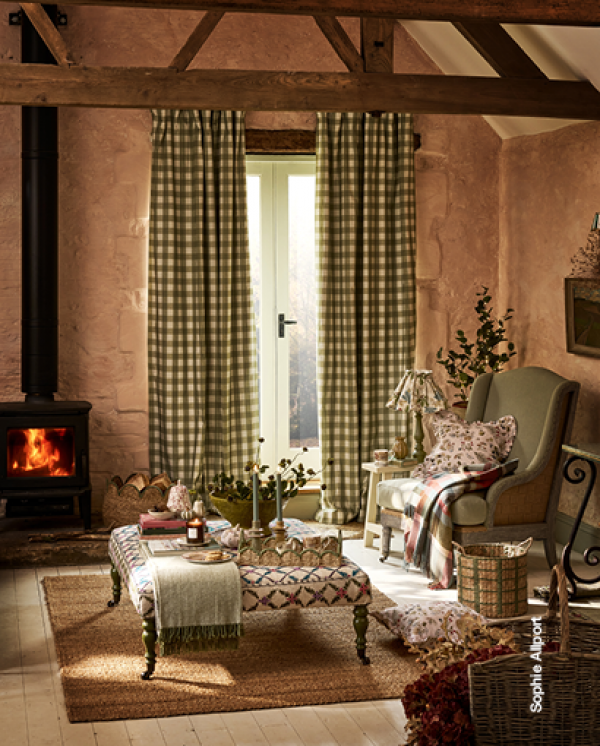
Find Floors That Work With You, Not Against You
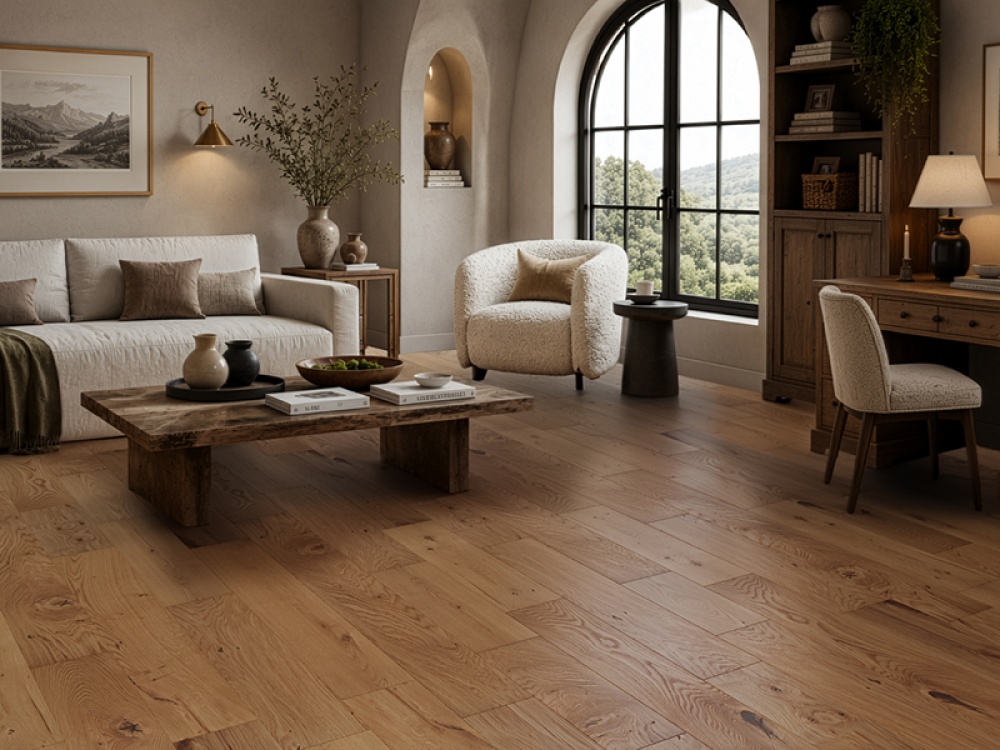
Finding the right floors for your home can be hard, but not if Luxury Flooring can help it!


And that’s the question: how do you pick flooring that suits the bones of your home, regardless of the era it’s from?
Period Homes Have Already Done the Hard Work
If you’re lucky enough to own a stunning period property, you’ve already got the high ceilings, cornicing and big sash windows doing a lot of the work for you. The floor just needs to keep up!
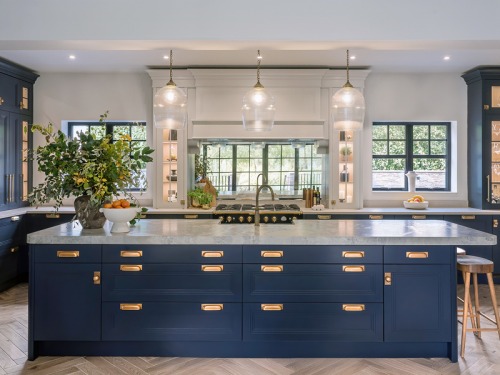
Parquet flooring, like herringbone and chevron, remain popular for a reason. Their intricate patterns feel right at home in older properties, echoing the same craftsmanship you’d have found when the house was built. Solid wood is the traditional route, but engineered wood gives you that same look with a bit more durability for modern life.
Try to stick to tones that complement any original woodwork rather than clash with it. If your skirting boards and doors are a warm, aged wood, then a cooler grey floor might feel a bit out of place.
Barn Conversions Need a Different Balance
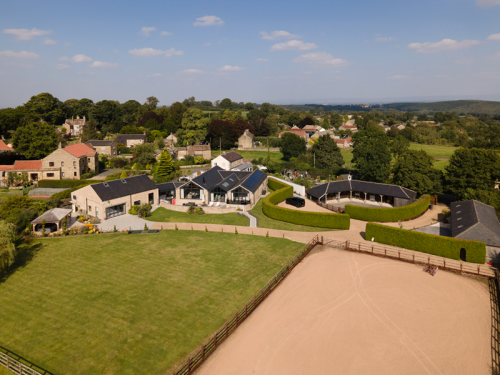
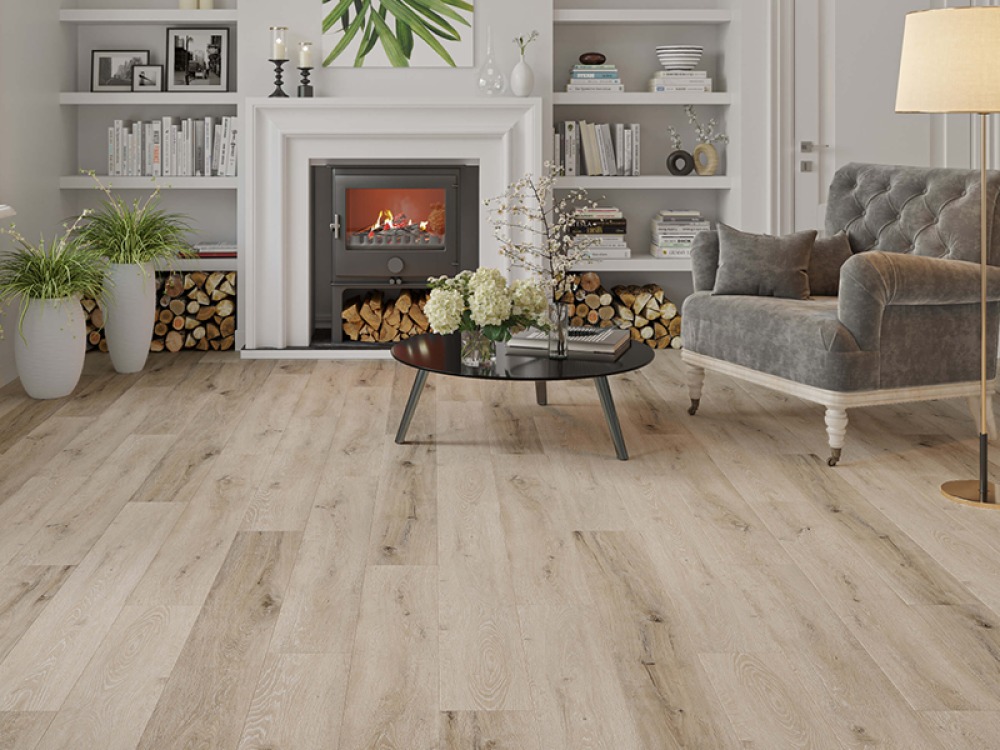
Barn conversions are a bit of a mixed bag: exposed beams and stone walls on one side, open-plan living and underfloor heating on the other. The floor needs to bridge both worlds.
Engineered wood flooring works well here. It’s compatible with underfloor heating and still brings a natural material into a space full of rustic features. If practicality is your priority, luxury vinyl tiles (LVT) can achieve a similar look while it stands up to muddy boots and dogs shaking themselves dry by the door.
New Builds Give You More Freedom
Contemporary properties don’t come with the same restrictions though. Clean lines, larger windows and open-plan layouts mean you can be a bit bolder with your choice.
Light oak or white-toned floors make the most of all that natural light, while a darker floor can add contrast against pale walls and give a room some structure. Grey flooring is worth considering too, particularly if your décor mixes warm and cool tones, as it tends to sit nicely between the two.
Think About How the Room is Actually Used
Character matters, but so does day-to-day life. A beautiful solid wood floor won’t thank you for a leaky washing machine, and a delicate finish won’t survive a household with kids and pets for long.
Kitchens and bathrooms usually call for something water-resistant, if not waterproof, like LVT or laminate. Hallways and entrances tackle the most wear and tear, so it’s worth choosing something durable there even if you’ve gone for a softer finish elsewhere. And if you’re planning on underfloor heating, make sure to check your chosen floor is compatible before making any purchases.


Colour Can Do More Than You’d Think
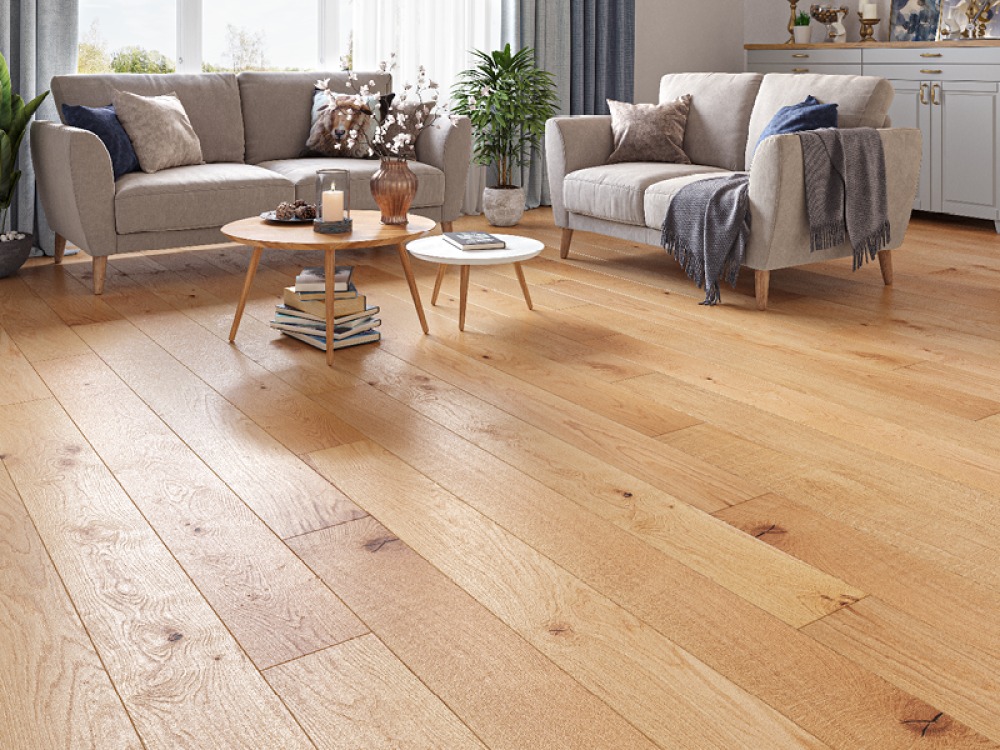
Like paint, the colour of your floor influences how a room feels, not just how it looks.
Smaller or darker rooms tend to benefit from lighter tones, which bounce light around and make the space feel bigger. Larger rooms with plenty of natural light can handle darker shades without feeling closed in.
If you’re not sure which way to go, medium tones offer a delightful middle ground that works with most interiors. Plus, it doesn’t pin you to one style.
Getting the Balance Right
There’s no single answer for every home, and that’s the point. A floor that suits a Victorian terrace in Leeds might look completely wrong in a new build outside of Newcastle. Look at what your home already has going for it, work out how the room is used and choose a material and colour that supports both.
If you’d like to see how different floors would look in your own space, Luxury Flooring offers unlimited free samples, so you can compare tones and textures at home before deciding.