How the North Pennines Stargazing Festival is Celebrating 10 Years of Events
Starry-eyed visitors are preparing to celebrate the 10th North Pennines Stargazing Festival


Astronomer and science communicator Gary Fildes came into astronomy through a fairly unconventional route. ‘I was a bricklayer originally and astronomy was simply something I loved. Eventually that passion rather took over my life,’ he admits. He founded Kielder Observatory around 2002 and it opened in 2008. Then he spent around five years developing and running Grassholme Observatory in the North Pennines. ‘I’ve also worked extensively on dark sky protection both here in the UK, and more recently in Saudi Arabia, where I was responsible for securing International Dark Sky recognition for some extraordinary areas of desert,’ he adds.
Some of the best places to see stars in the North Pennines have been designated as Dark Sky Discovery Sites and the North Pennines Stargazing Festival shines a spotlight on these amazing places, including Burnhope Reservoir, Allen Banks, Hamsterley Forest, Grassholme Reservoir and Cow Green Reservoir.
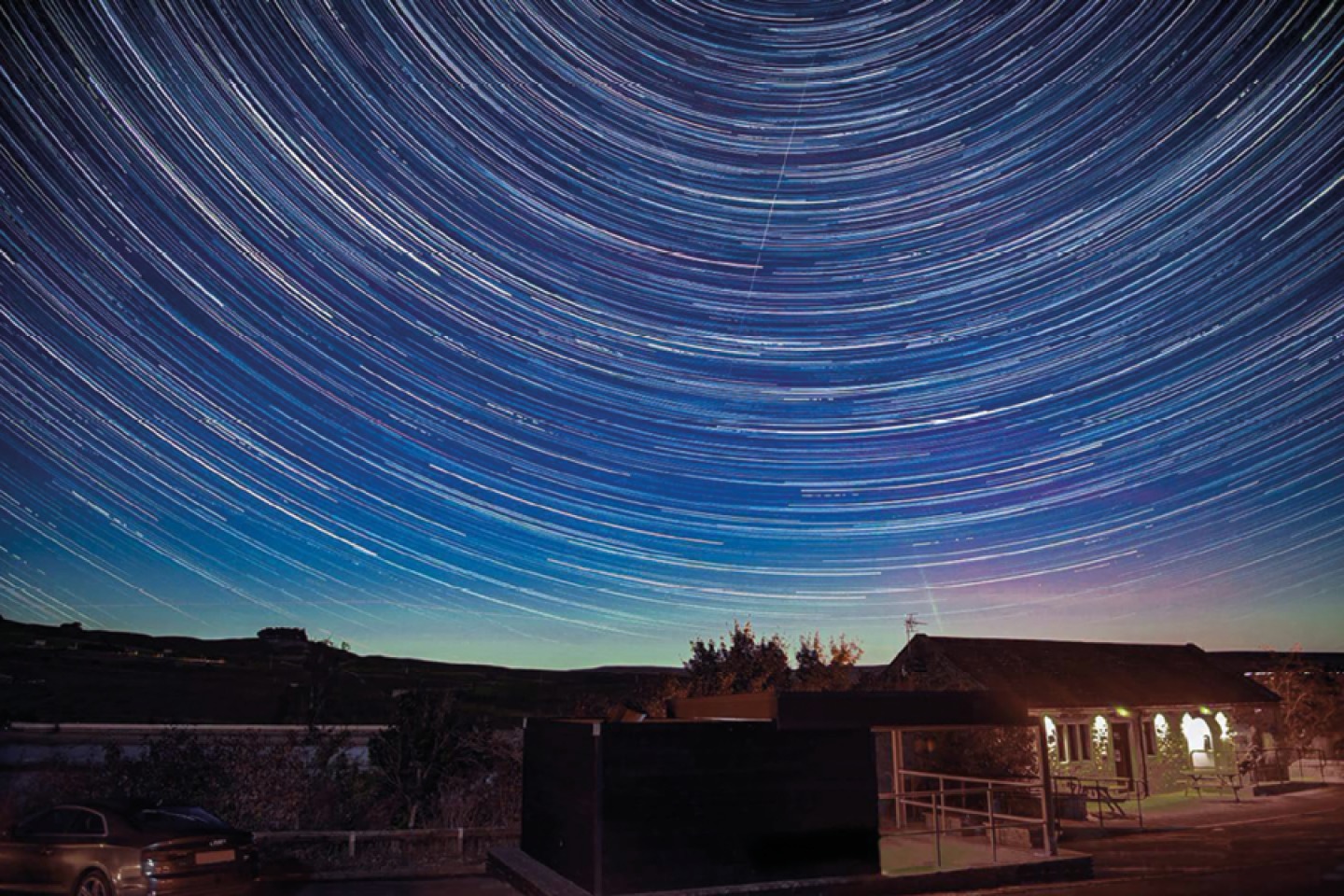
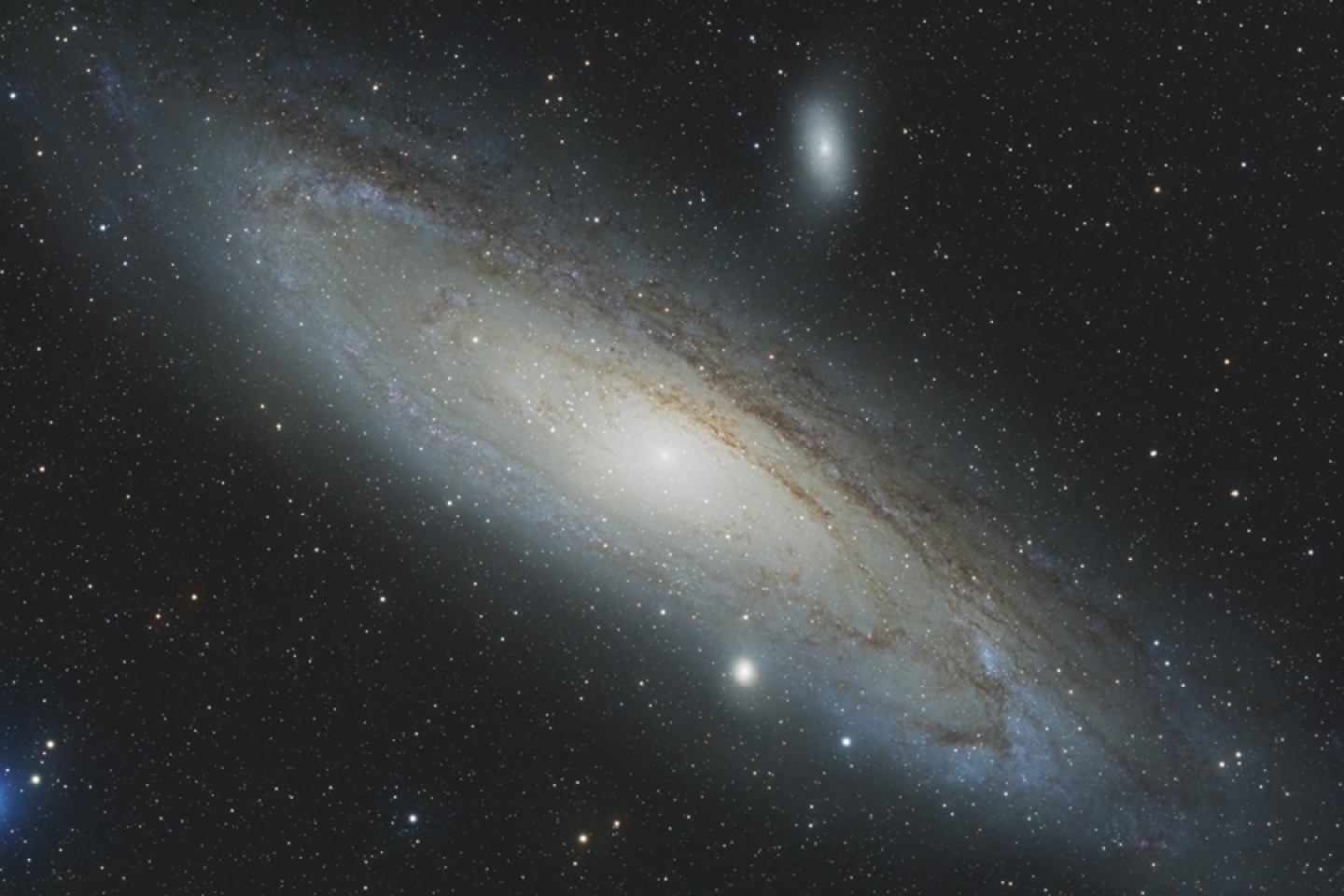
‘It really does cover the North Pennines rather than being centred around a single venue, and I think that’s one of its strengths,’ says Gary. ‘Grassholme Observatory is obviously somewhere very close to my heart, but there are events around High Force and Bowlees in Teesdale, Carrshield in the West Allen Valley, Alston Moor, Nenthead and Blanchland, as well as the Weardale Railway and the Star Camp at Cotherstone. So people aren’t simply coming to an astronomy event. They’re getting out into the North Pennines landscape at night, often somewhere they might never normally think of visiting after dark. That landscape and the darkness really belong together.’
Gary has been involved in the North Pennines Stargazing Festival through Grassholme Observatory for a number of years. ‘I love these sorts of events because ultimately astronomy is about sharing the sky with people,’ he explains. ‘You can talk about astronomy all day long, but nothing really replaces getting someone outside and letting them see Saturn or the Milky Way for themselves.’
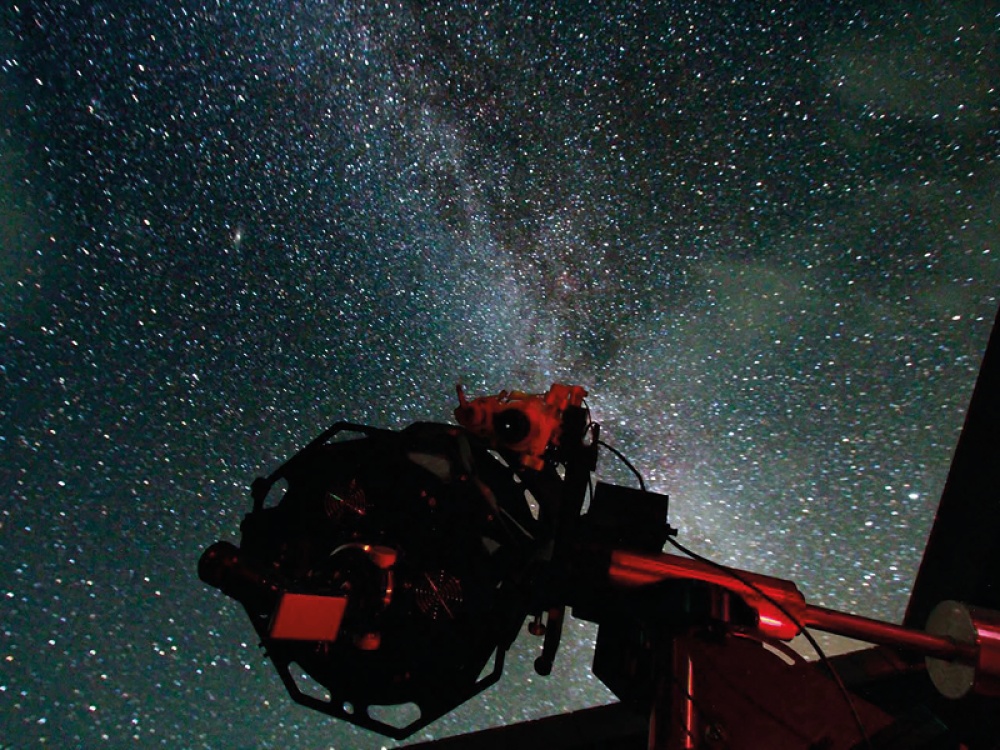
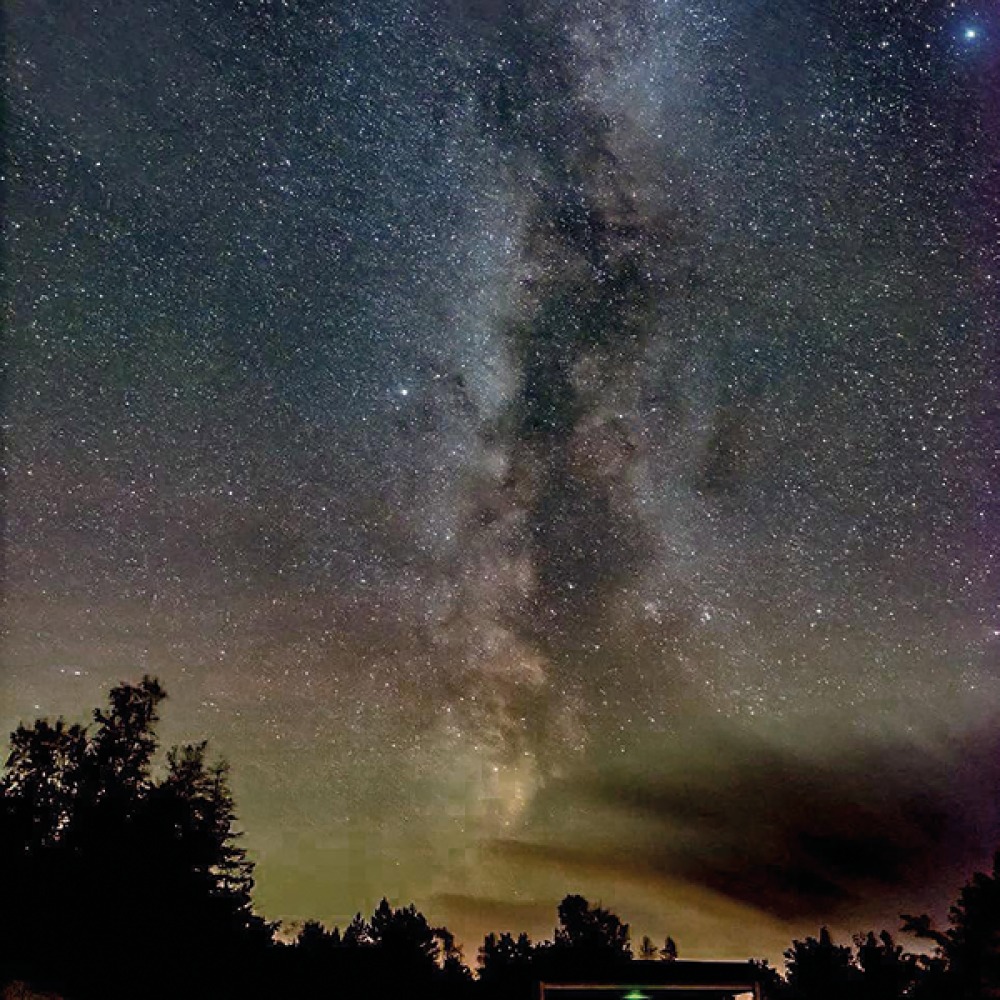
The North Pennines has some of the darkest skies in the country. ‘It’s actually quite difficult to describe a properly dark sky to somebody who has never seen one,’ explains Gary. ‘I’ve watched people walk outside, look up and just stop. Quite often they can’t believe that the Milky Way is actually visible with the naked eye. We’ve become so accustomed to light pollution in our towns and cities that many people simply don’t know what a natural night sky looks like anymore. And then, of course, you put a telescope in front of them. You can point it towards what looks like a completely empty bit of sky and suddenly there’s a galaxy sitting there, or a nebula or a beautiful cluster of stars. I’ve been doing this for a long time now and I still get excited by it. The North Pennines has some genuinely exceptional dark skies and we’re incredibly fortunate to have them.’
Festivals such as this one emphasise the continued importance of protecting our dark skies. ‘For me, the first step in protecting dark skies is getting people underneath one,’ Gary adds. ‘You can explain light pollution to somebody and show them maps and photographs, but once they’ve actually stood somewhere genuinely dark, and seen the Milky Way overhead, they understand immediately what we’re talking about. The frustrating thing about light pollution is that much of it is completely unnecessary. Protecting the night sky doesn’t mean plunging villages into darkness or switching every light off. It’s about sensible lighting – putting light where we need it rather than throwing it upwards into the sky. And this isn’t just about astronomers wanting to see stars. Darkness is part of the natural environment. It matters to wildlife and ecosystems as well. The festival gives us a great opportunity to have those conversations whilst actually showing people what it is we’re trying to protect.’
Events are being organised by the North Pennines National Landscape team and local organisations and businesses, with expert astronomers to show you the best ways to enjoy the dark night skies across the landscape. This year Gary says visitors can expect all sorts of fun activities and events. ‘One of the things I like about the festival is that you absolutely don’t need to know anything about astronomy before coming along,’ he says. ‘In fact, some of my favourite visitors are the people who arrive saying, “I know absolutely nothing about this”.
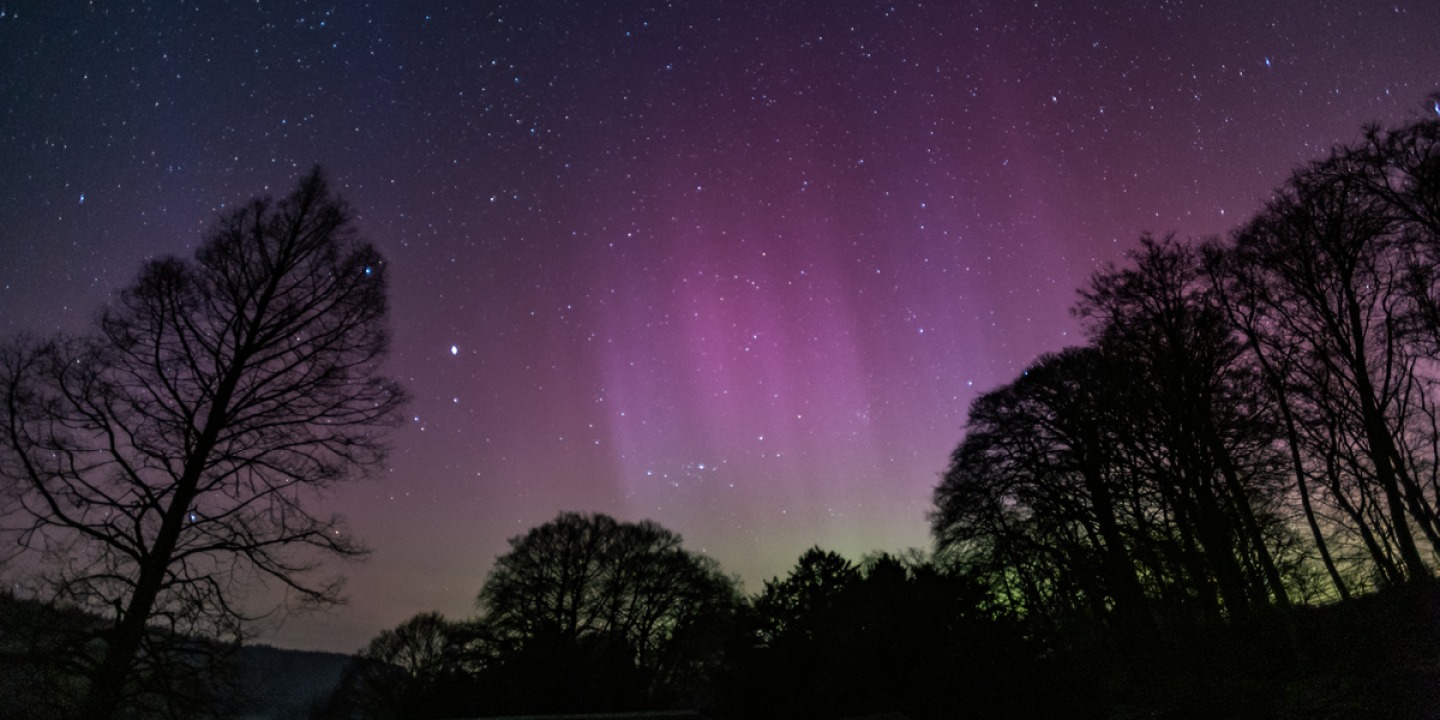
‘There’s a real mixture of events – stargazing, telescopes, astrophotography, family activities, talks, night walks and some slightly different experiences too, including stargazing from the Weardale Railway. At Grassholme there are several astronomy and stargazing evenings covering things like the Milky Way, the Aurora and Saturn. Of course we’re in Northern England in October, so I’m certainly not going to promise clear skies every night! But good astronomy events aren’t dependent upon having perfect weather. There is an enormous amount we can explore and talk about, and when those North Pennines skies do clear, they can be absolutely spectacular.’
This is all made extra special by the 10th anniversary celebrations. ‘Ten festivals is quite a milestone, particularly when you consider how much attitudes towards dark skies have changed during that time,’ Gary says. ‘There are almost 30 activities planned across this year’s programme, from things aimed at complete beginners and families through to more dedicated astronomy and astrophotography events. But I think the anniversary also gives us a chance to reflect on what’s happened over those 10 years. When we first started seriously promoting dark skies in the North East, it was still quite a niche idea. I remember some of the early conversations around Kielder and the Northumberland Dark Sky Park and having to explain why anybody would travel somewhere simply because it was dark! Now they do exactly that. Dark skies have become an important part of tourism in this part of the country and that’s a wonderful thing. But it also means we have a responsibility to look after them.’
Gary hopes visitors take on new opportunities when visiting the North Pennines this year, and leave with wonder. ‘I want somebody to go home, walk out into their garden a few nights later, look up and recognise something they didn’t know before,’ he says. ‘Perhaps they’ll find the Plough, spot Saturn or look for the Milky Way the next time they’re somewhere properly dark. Astronomy does something else as well. It gives us perspective. You can be worrying about all the usual things we worry about and then somebody shows you a galaxy through a telescope whose light has been travelling towards us for millions of years. Suddenly your place in things feels slightly different. I’ve seen that reaction thousands of times over the years and it is still the reason I enjoy doing this. If somebody leaves the festival knowing a little bit more about the universe, wanting to look up again and perhaps thinking that our dark skies are something worth protecting, then that’s a pretty good result.’
WHAT’S ON
Just a few events you won’t want to miss
Dark Sky Astronomy and Stargazing
16TH OCTOBER
Grassholme Observatory
Gary will take you on a whistle-stop tour of the universe.
Stargazing Supper at High Force
16TH OCTOBER
High Force
An evening of stargazing and fine dining at High Force Hotel and Waterfall.
Creatures of the Night Trail
17TH OCTOBER
Bowlees Visitor Centre
A family-friendly trail to discover the creatures of the night.
Introduction to Astrophotography
20TH OCTOBER
Carrshield Village Hall
The basics of night-time photography.
Stargazing at the Lord Crewe
31ST OCTOBER
The Lord Crewe Arms, Blanchland
Good food, drinks and the chance to see the stars.