
How Pawsitive Relief Can Relieve Your Pet's Pain
With a brand-new canine hydrotherapy pool in Langley Moor, Pawsitive Relief is the vet-led rehab clinic that's taking pet pain seriously


The clinic, which started as a mobile acupuncture service at the end of 2023 by veterinary surgeon Dr Emma Rogers-Smith, has since expanded and offers a whole range of treatments for pets presenting with pain. From hydrotherapy and therapeutic ultrasound, to veterinary acupuncture and clinical massage therapy, Pawsitive Relief ensures that whatever treatment a pet undertakes, it's bespoke to them.
‘Generally we’ll see patients initially for a consultation and initial assessment. It’s quite a comprehensive appointment, so typically that will last about an hour and a half to two hours,’ says registered veterinary nurse Lottie. During the appointment, everything is discussed from a pet’s full medical history to events leading up to a pet’s physical state and what concerns owners may have. From this point, the team take time to work with owners to find rehabilitation programmes to suit their pet, taking into consideration time commitments and accessibility.
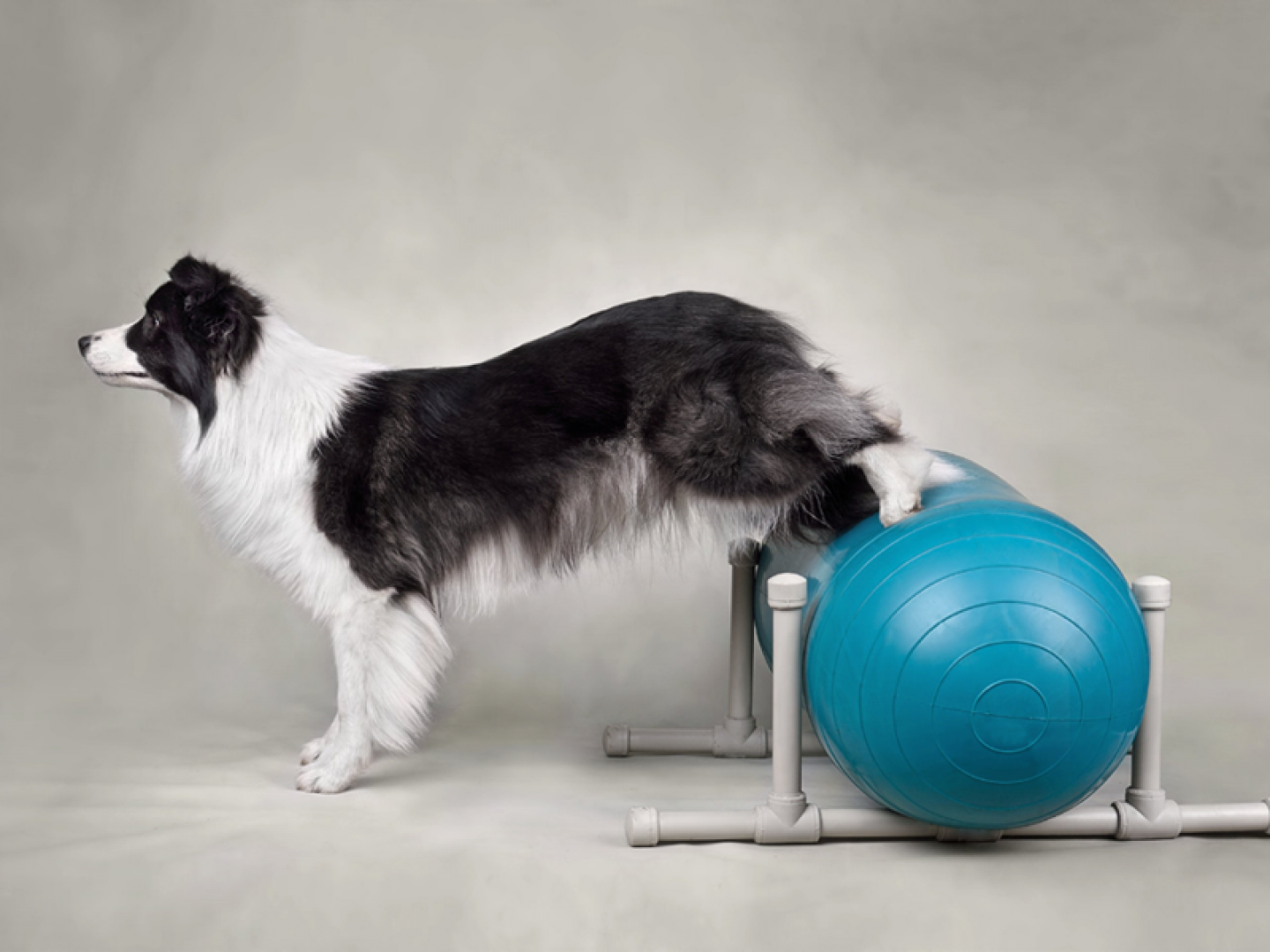
Pain can present differently from pet to pet, with the majority of issues being chronic pain in older pets, but not all cases are the result of age. ‘We also have surgical cases, either pre-surgery or post-surgery,’ says Lottie. For issues like hip dysplasia, strength is key before a surgery. ‘We want them to be as strong as possible before they go in for surgery,’ she explains. ‘We see quite a lot of spinal cases like IVDD (intervertebral disc disease) and we provide rehabilitation to try and get them moving and walking again.’
As Lottie explains, there can be many common misconceptions around chronic pain in dogs, especially concerning older pets where owners can accept their pet slowing down as a given without looking for further answers. ‘People just accept that as normal,’ says Lottie. ‘Obviously it kind of is, but also there’s generally something we can do to improve that comfort level.’
Every pet owner will tell you what a character their dog is, and how completely different each personality is to the next. This, Lottie suggests, can be key to spotting the warning signs of chronic pain in your own pet. ‘It depends on the dog really because some of them do hide it well,’ she explains. ‘It might have been normal throughout their whole life that they would jump up onto the sofa, and then they just stop one day.’ Noticing this change, and acting on it, is the best way to get ahead of chronic pain worsening. ‘Most likely that’s because there’s a pain point somewhere that means that they can’t do it anymore. It can even just be really simple stuff like if you’re taking your dog for a walk and you start noticing actually that they’re walking more behind you than in front of you.’
Success is also something that looks different from dog to dog, and when it comes to chronic pain, does not necessarily look like a total transformation. ‘A success for us isn’t necessarily your dog going from being slow to doing agility,’ she explains. ‘Success for us is actually maintaining what is their current mobility and making them comfortable. We’re managing the pain and we’re slowing down the deterioration.’
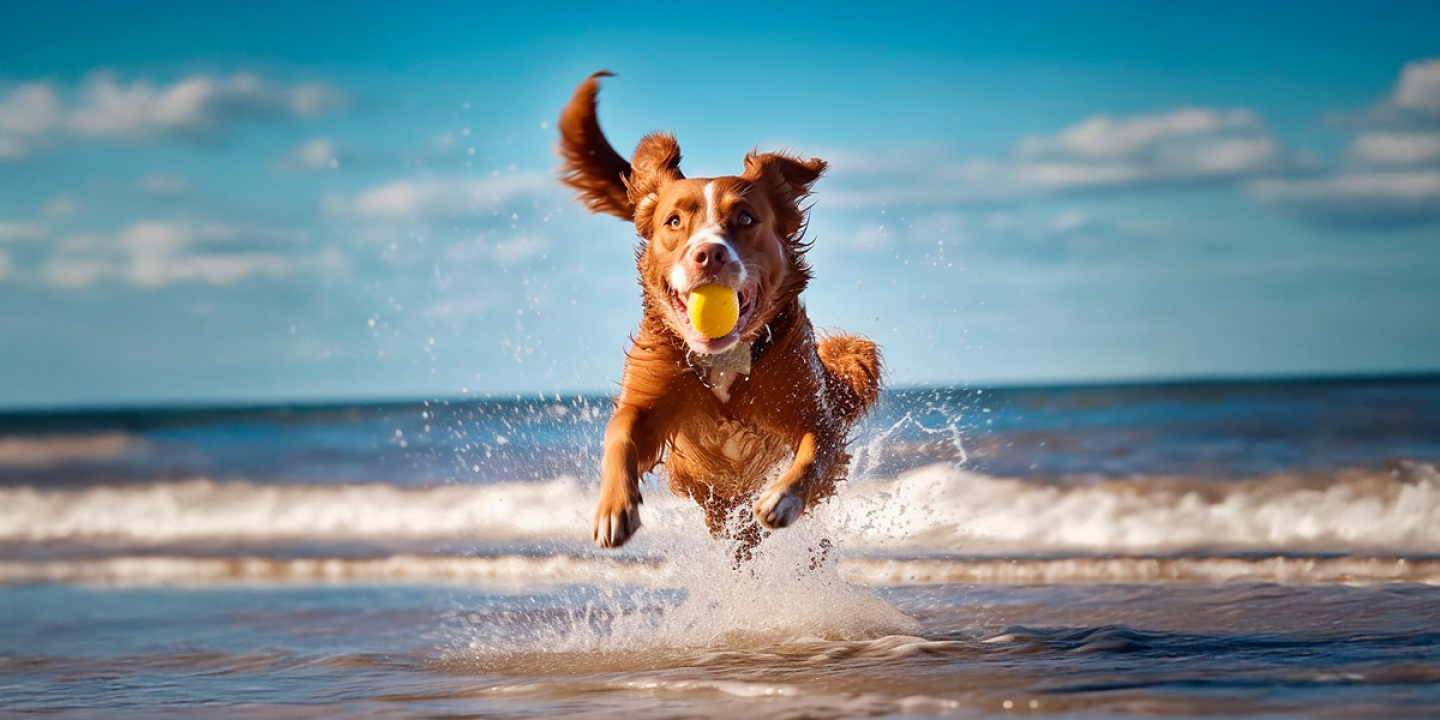
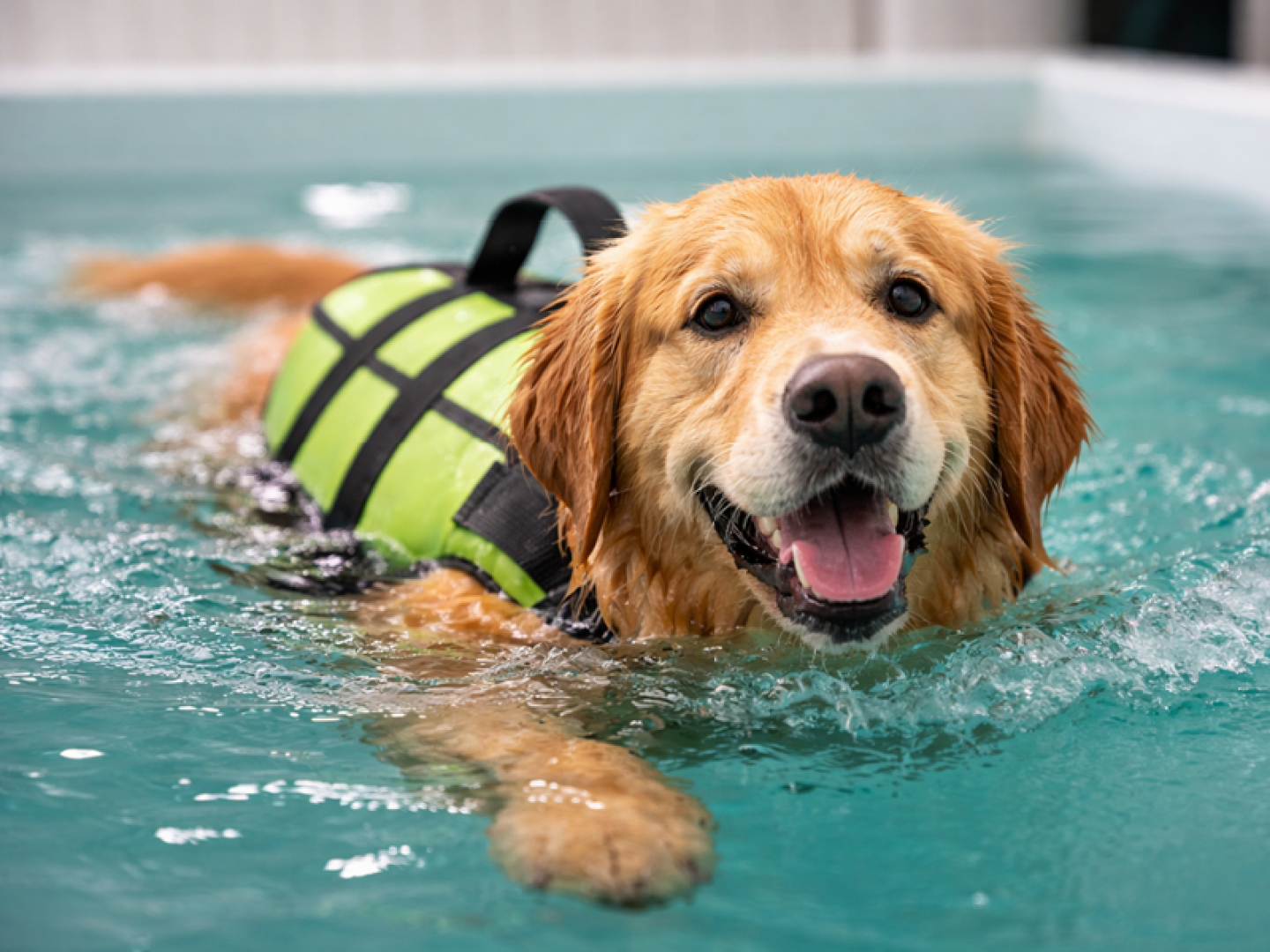
New for 2026, Pawsitive Relief is going a step further to tackle chronic pain with their hydrotherapy pool. Beginning with an initial assessment on arrival, dogs will be checked to make sure a swim is safe and appropriate for their physical health. If the dog is given the all clear, they’re free to have a good swim. However, if the physiotherapist does identify issues, there is the possibility of a dry physiotherapy session, a referral back to the clinic for a more in-depth assessment, or a guided medical swim at Emma’s discretion following a review with her.
‘What we’re not saying is if your dog’s got a problem we can’t help, it’s just that not every dog is going to be suitable for a swim,’ Lottie explains. ‘If there’s a dog that’s got a knee problem for example, and they just get in the pool and go swim, we could end up doing more damage than good.’ For the team at Pawsitive Relief, safety and support are at the core of what they do. ‘The safety aspect of it is the most important thing for us,’ says Lottie.