How Scarborough is Celebrating 400 Years as a Spa Town
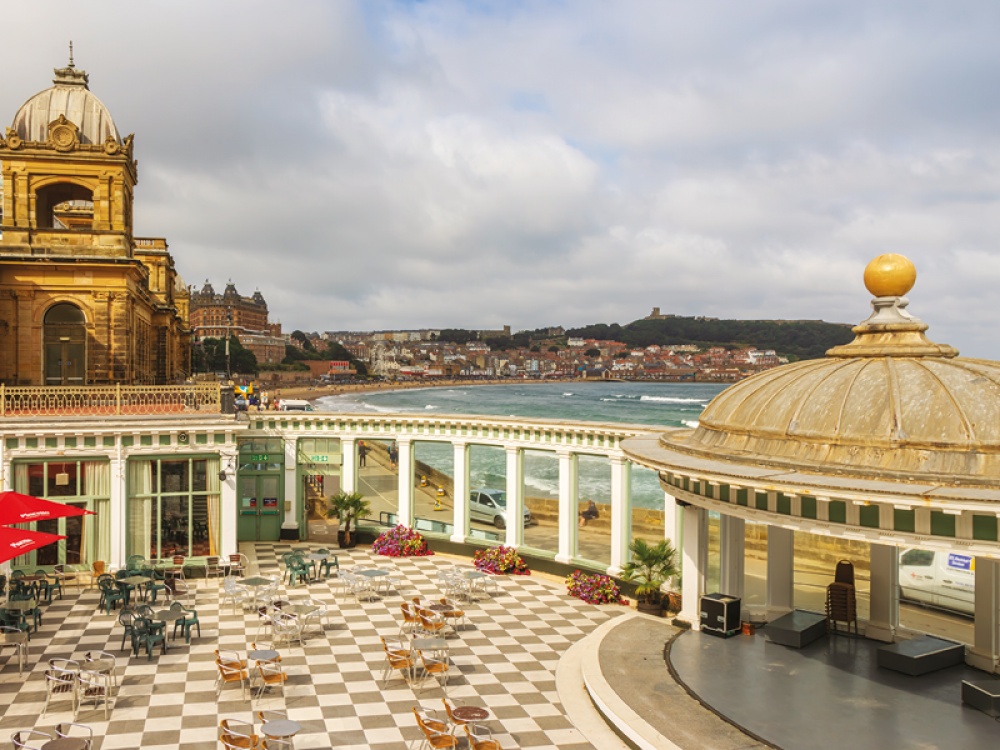
This year marks 400 years since the discovery of Scarborough's spa waters, which established it as Britain's first seaside resort


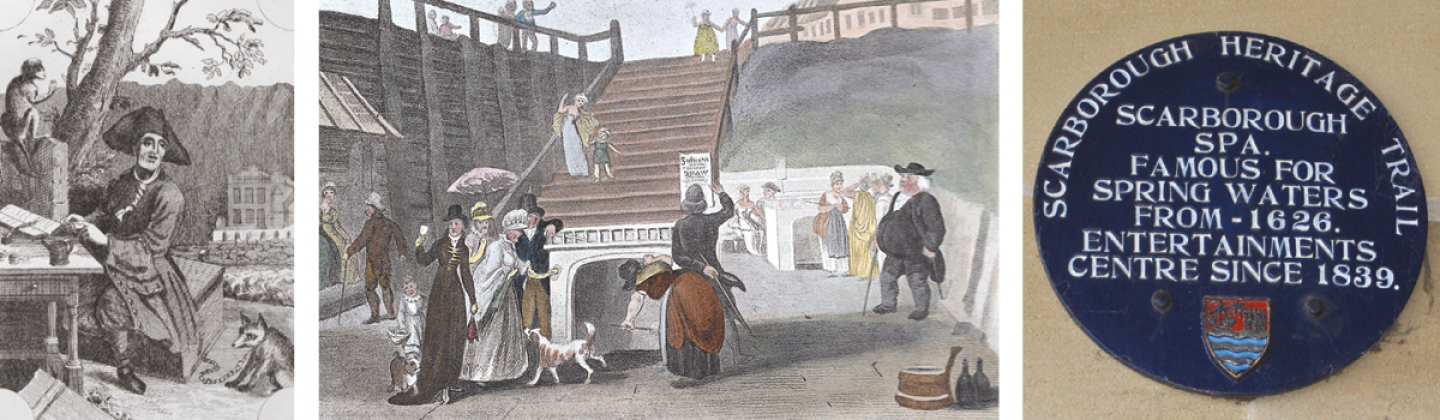
Les Shannon, a local historian and volunteer at Scarborough Maritime Heritage Centre, has been working on the Scarborough 400 exhibition, beginning with the discovery of Scarborough’s spa waters back in the 17th century by Thomasin Farrer. ‘Walking along the beach she noticed the rocks had turned a russet colour,’ says Les. Thomasin found that the mineral waters coming from a spring in the South Bay tasted slightly bitter – these were later said to improve digestion and cure minor ailments as the water contained magnesium, iron, lime and salt. ‘She told a few of her friends who found it also benefited them,’ Les adds. Word quickly spread and visitors headed to Scarborough to benefit from the waters and their supposed medicinal qualities.
‘In 1660, Dr Wittie [a physician in York] wrote about the spa waters, suggesting people should come to Scarborough for the spa. And later, he wrote another book where he again suggested people should come to Scarborough for the spa waters, but they should also partake in seawater bathing,’ says Les. At that time swimming in the sea wasn't really seen as a recreational sport, and Dr Wittie’s recommendations meant that Scarborough had an advantage over other spa towns – you could take your spa waters at the spa, and go swimming at the beach too.
It was Dr Wittie who got hoards of visitors coming to Scarborough for the spa waters, but he actually was in conflict with another physician who'd written a book essentially saying Dr Wittie was talking a load of rubbish. ‘The conflict went on for a couple of years,’ continues Les, ‘and was followed by the newspapers, but what it did was encourage visitors to come and try for themselves.’
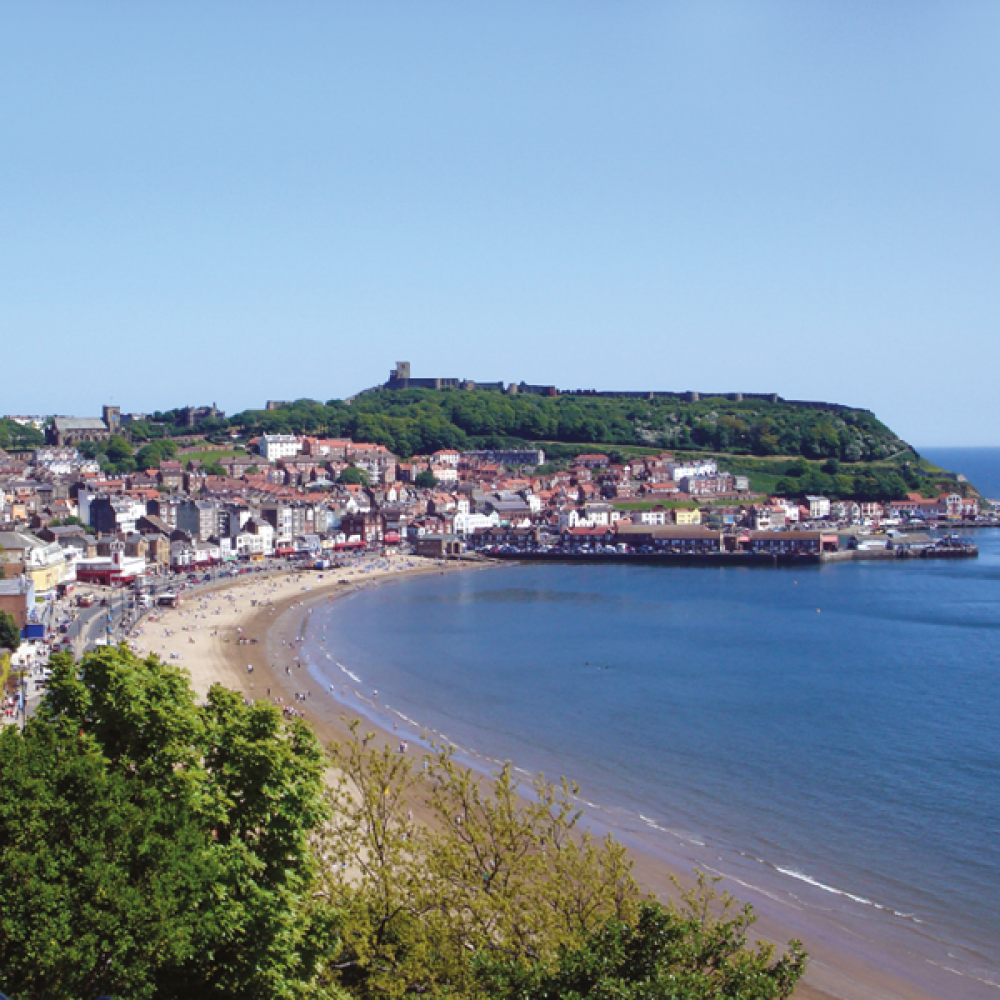
‘Mrs Farrer found the waters. Dr Wittie gave them publicity, but Dicky actually put us on the international stage’
By the early 1700s, the council had built a cover over the spa waters and started charging people for their use. Then local entrepreneur Dicky Dickinson came along and became the first governor of Scarborough Spa, managing the original Spa House. ‘He asked if he could take over the running of the spa from the council, and they saw it as a good prospect,’ explains Les. ‘He built some little shelters down there, a little house for himself and some toilets to give people privacy. He actually became an international figurehead. He was known in France and Italy as the governor of Scarborough Spa. Mrs Farrer found the waters. Dr Wittie gave them publicity, but Dicky actually put us on the international stage.’
The water was bottled and shipped to London and other parts of England, and by the mid-1700s Scarborough was established as a seaside resort and a spa town, with horse racing on the beach, boating and seawater bathing.
In 1737, the spa was damaged by a landslide. ‘The council had to make a big effort because people stopped coming for Scarborough’s spa waters,’ says Les. ‘The council dug it all out. But Dicky had died, and they said it was from a broken heart – it would be the stress because he lost a lot of business down there.’
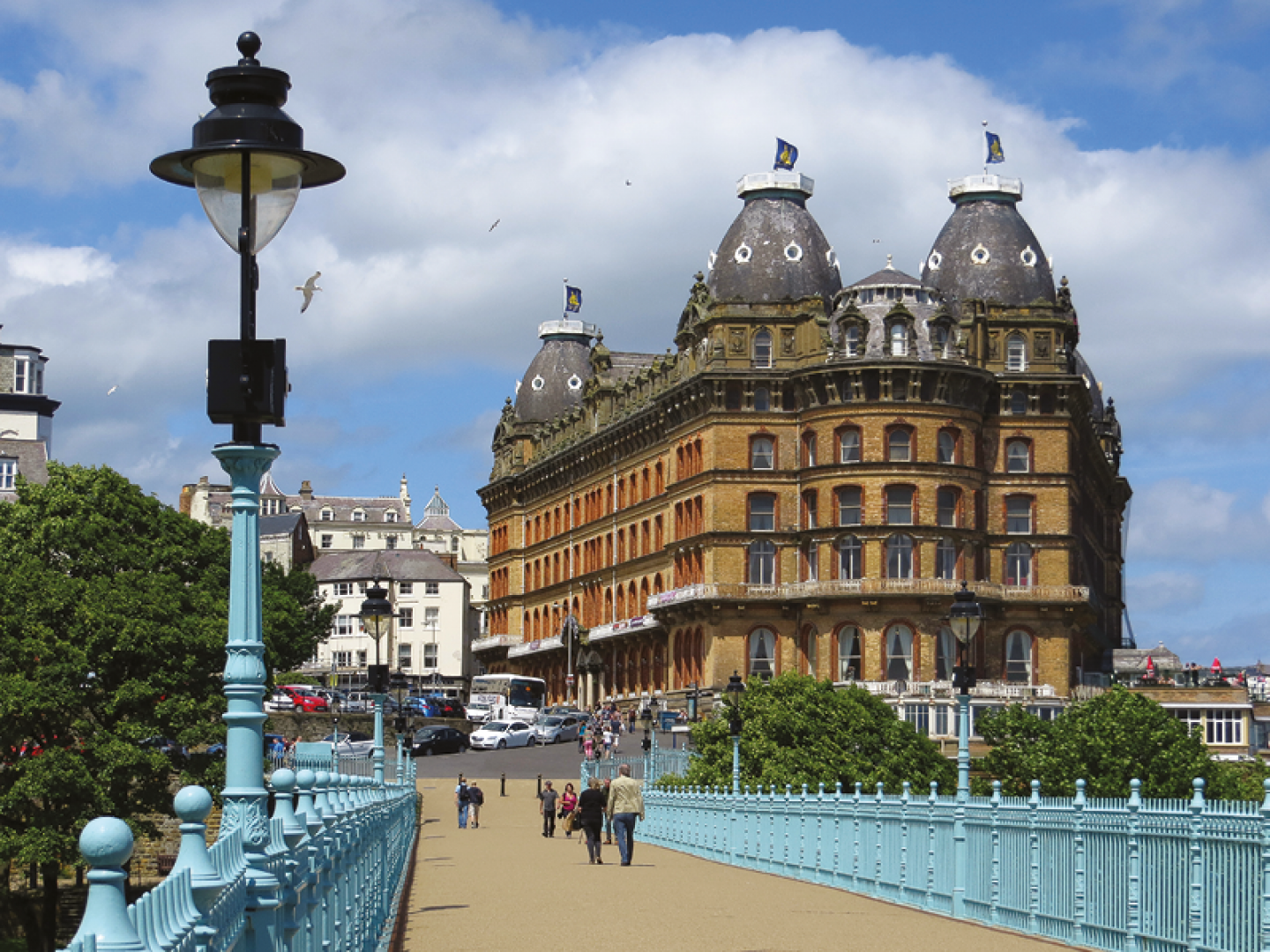
After this setback, more development followed. In 1739 a saloon with views over the sea was built, and in 1827 the Cliff Bridge (previously known as the Spa Bridge) opened to improve access, followed by the Gothic Saloon in 1839 (which had a concert hall, garden, promenade and area for outdoor concerts).
‘The Cliff Bridge Company were charging visitors to access the spa waters but there'd been a clause from time immemorial that the spa waters should be free to access for local people,’ says Les. ‘The company was getting fed up with the locals in their rags coming to where all the wealthy people were promenading, so they eventually built a pipe from the spa (where it was underground) through to some steps and onto the sand. Halfway up the steps there's an outlet, and you can see where it's all gone red – definitely don't be drinking it!’
In 1875 the first cliff tram was built to provide easier access and stars flocked to Scarborough to perform at the spa. However, by the 1960s the waters had changed and it was advised that public consumption of the waters should cease. Luckily there were plenty more reasons to visit the seaside resort, and today Scarborough Spa boasts a Grand Hall, Victorian Spa Theatre, the sea view Ocean Room and Sun Court. It owes its legacy to Thomasin Farrer.
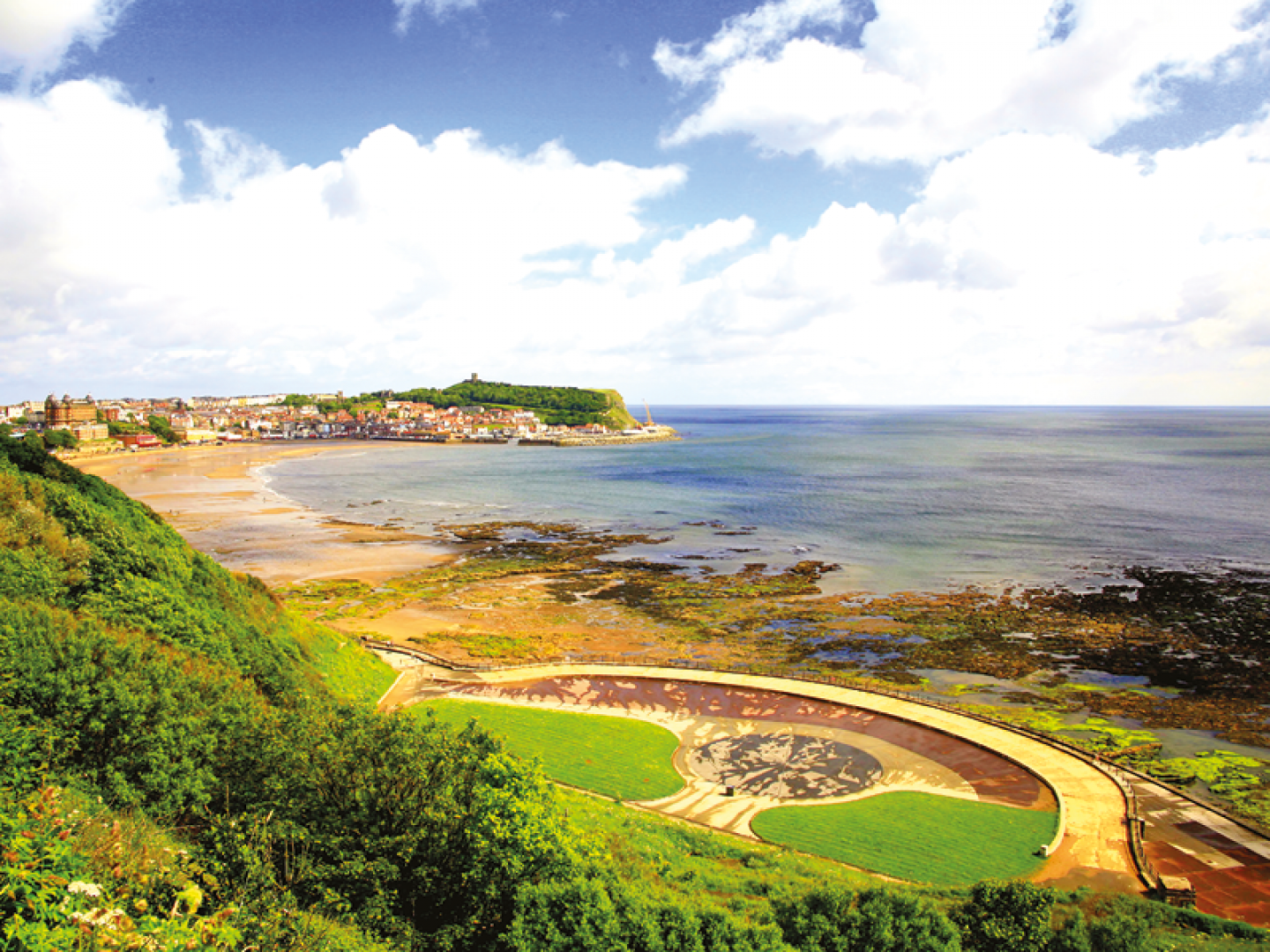
With an open-air theatre, castle, water park and sea life centre in addition to Scarborough Spa, the seaside town continues to attract visitors to the Yorkshire coast. As well as this special exhibition explaining the past 400 years of Scarborough Spa and the town, the anniversary is being celebrated with a varied programme of events, including a giant deckchair trail across the town and an illuminated art installation in Peasholm Park.
‘Scarborough Spa is going to be unveiling a statue on the site of where the spa waters used to be,’ says Les. ‘Around the town there's going to be all sorts of things taking place. I know that [art organisation] The Old Parcels Office are trying to recreate the parades that they used to have on the esplanade where the ladies in their finery used to parade up and down. They're putting some workshops on for making bonnets so that people can hopefully parade up and down the esplanade. I'm hoping we do more work on the history of Scarborough because we've got such a wealth of history to look at, and it is a good tourist attraction nowadays.’
Scarborough Maritime Heritage Centre is open from Wednesday to Sunday and the exhibition will run until the end of this year.
Scarborough Seafest
17TH–19TH JULY
Scarborough Spa
Live music, chef demos and fun for the whole family as Seafest takes place at Scarborough Spa.
Scarborough 400 Giant Deckchair Trail
27TH JUNE–31ST AUGUST
Across Scarborough
A new trail to North and South Bay to key landmarks, each marked by an oversized deckchair.