How to Support the Shipyard Heritage Museum Project
A new initiative hopes to create a permanent place where the history of shipbuilding on the Rivers Tyne, Wear and Tees can be preserved and shared


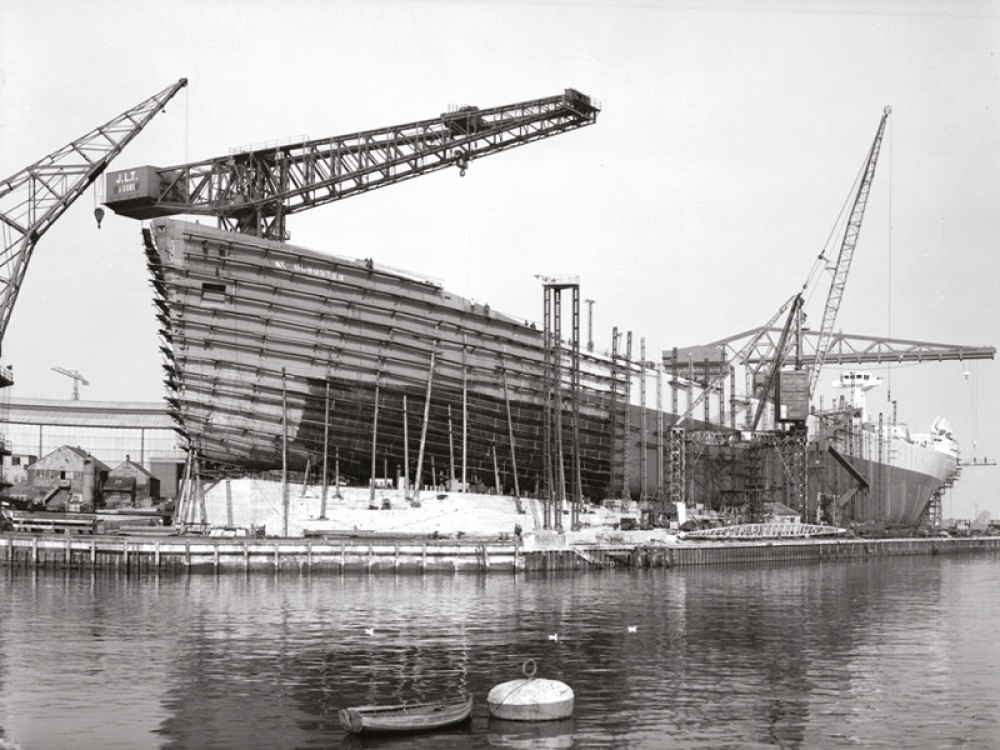
For generations, the Tyne, Wear and Tees were synonymous with shipbuilding, and generations of the same families built ships that travelled all over the world. In 1294 Newcastle built a galley for King Edward I’s fleet, ships were built at Sunderland from at least 1346 and in Stockton from at least 1470, but shipbuilding really developed in the 18th century.
Thomas Richardson from Castle Eden and John Parkin from Sunderland established a shipyard at Old Hartlepool in 1835, where they built The Castle Eden ship. South Shields-born shipbuilder Charles Mark Palmer established a yard at Jarrow in 1851 and in 1852, Charles Mitchell from Aberdeen started building ships at Walker. Teesside’s first iron ship was a screw steamer called The Advance, built in 1854. Swan Hunters built their first steel ship at Wallsend in 1884 and their first oil tanker in 1889. Sunderland developed as a coal port, but later became the largest ship building town in the world. At their peak, the yards along these rivers produced around one third of all ships built in the world.
The North East produced some of the most famous ships in history, including RMS Carpathia which rescued hundreds of survivors from the RMS Titanic, RMS Mauretania (the world’s largest ship until 1910), Esso Northumbria (which, when launched by Princess Anne in 1969, was the largest vessel to have been built in Britain) and Turbinia (the world’s first ship powered by steam turbine). But from the 1930s to the 1980s, the industry declined due to pressures from global competition and resistance from the unions which ultimately led to closures. Sadly, most of the yards were demolished as soon as they closed. Now, the Shipyard Heritage Museum project is collecting stories, memories, photographs and family histories connected to the shipyards so that these important stories and the shipyards’ heritage can be preserved and shared.
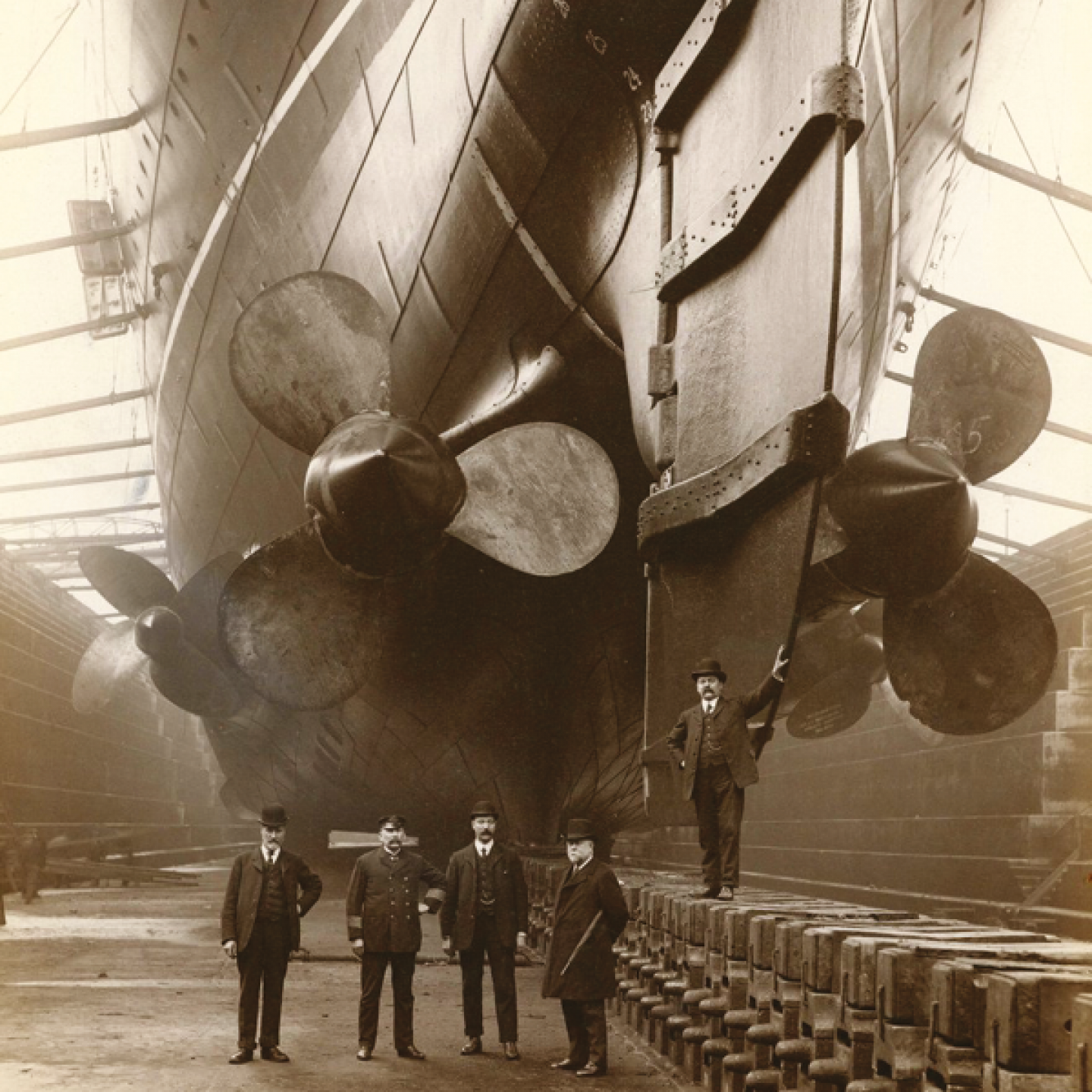
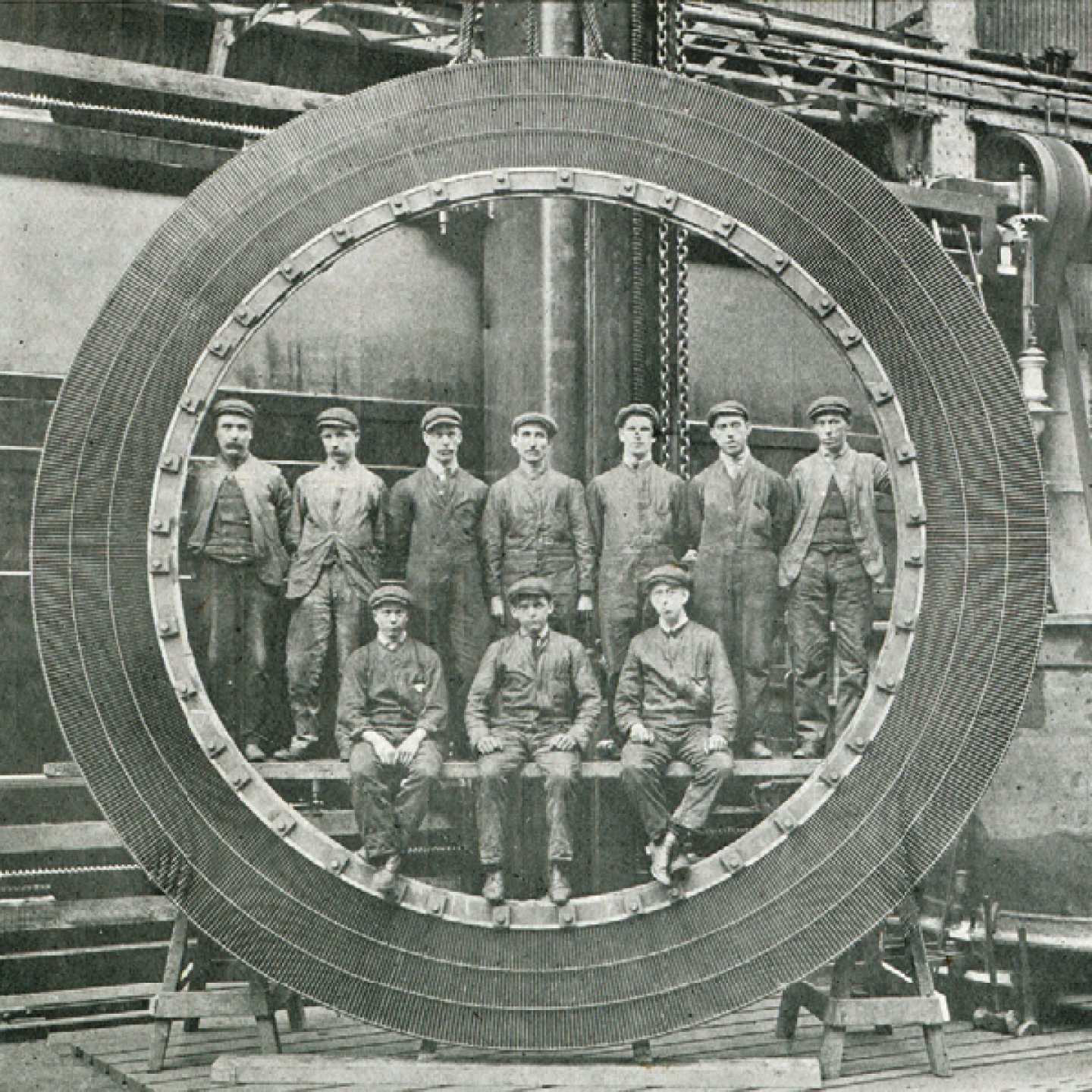
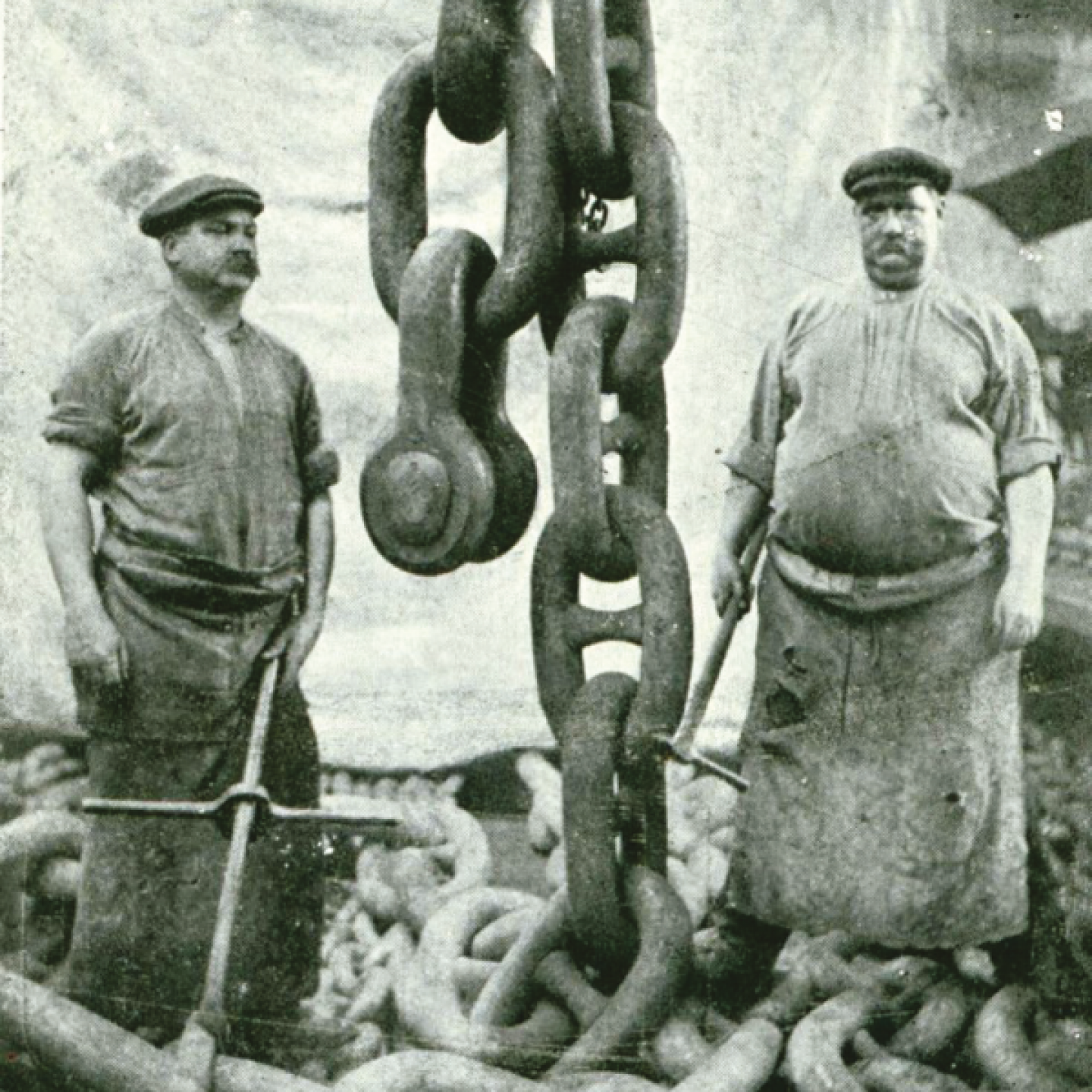
Bronwyn Mogie is originally from Jarrow, and has spent her career working in communications and marketing. She’s always been aware of the region’s shipbuilding heritage. ‘My dad worked in the yards along the Tyne and Wear and when looking into our family history we discovered all the men in our family worked in the North East yards from the 1870s,’ she says. ‘It was a shame to think generations after them can’t follow in the same footsteps, and I found nearly every local family had a similar story.
‘The next best thing I could do was campaign for a Shipyard Heritage Museum. So it started as a personal project but has grown into a wider community campaign focused on preserving and celebrating our region’s industrial heritage.’
Shipbuilding shaped the North East economically, socially and culturally for generations. ‘Communities were built around the yards, and the skills developed there were recognised around the world,’ says Bronwyn. ‘As more former shipyard workers grow older, there is a real urgency to capture their stories, memories and experiences before they are lost forever. Preserving that heritage isn’t just about looking backwards; it’s about helping future generations understand where they come from and the role the North East played in global history.’
Bronwyn hopes to establish a permanent Shipyard Heritage Museum on the River Tyne that preserves the history of shipbuilding in the North East, including the Tyne, Wear and Tees, while creating an educational and cultural asset for future generations. ‘It’s about ensuring that the stories, skills and contributions of those who built ships are not forgotten,’ she says. ‘We are more than a museum, it’s a centre. A place where apprenticeships will be available, dining experiences and also celebrating our past.’
‘The aim is to create something that genuinely belongs to the people of the North East’
The campaign has already attracted support from more than 1,500 people through an online petition and has generated interest across social media too. ‘I’ve met with heritage organisations, academics, museums, local historians and former shipyard workers to discuss the project and gather support,’ says Bronwyn. The campaign has also led to the development of educational initiatives, including a children’s book series called The Shipyard Kids, which introduces younger audiences to the region’s heritage in an engaging way. ‘The books are fictional and are to encourage children to ask more about the shipyards from the adults in their lives, so we can keep the conversation going,’ Bronwyn adds. As part of Northumbria University’s business clinic, a group of masters students have been working with an academic supervisor, looking at the feasibility of establishing the museum and long-term funding.
This year marks 90 years since the Jarrow Crusade and Kate Osbourne MP held a round table meeting earlier this year with Barbour, North East Museums, Jarrow Hall, Bronwyn and others to discuss ideas about how to commemorate it. ‘I didn’t want to just mark the occasion with one sole event, I believe we should be thinking bigger,’ Bronwyn says. ‘And this was the first time since launching the online petition that I was presenting this idea to wider stakeholders in the region. Everyone was supportive and Kate continues to be an avid supporter.’
Community engagement will continue to sit at the heart of the project. ‘I want local people to help shape the museum by sharing stories, photographs, artefacts and memories,’ says Bronwyn. ‘Through social media, events, partnerships with schools, heritage organisations and community groups, the aim is to create something that genuinely belongs to the people of the North East. The children’s books are also part of that effort, helping to connect younger generations with local history.’
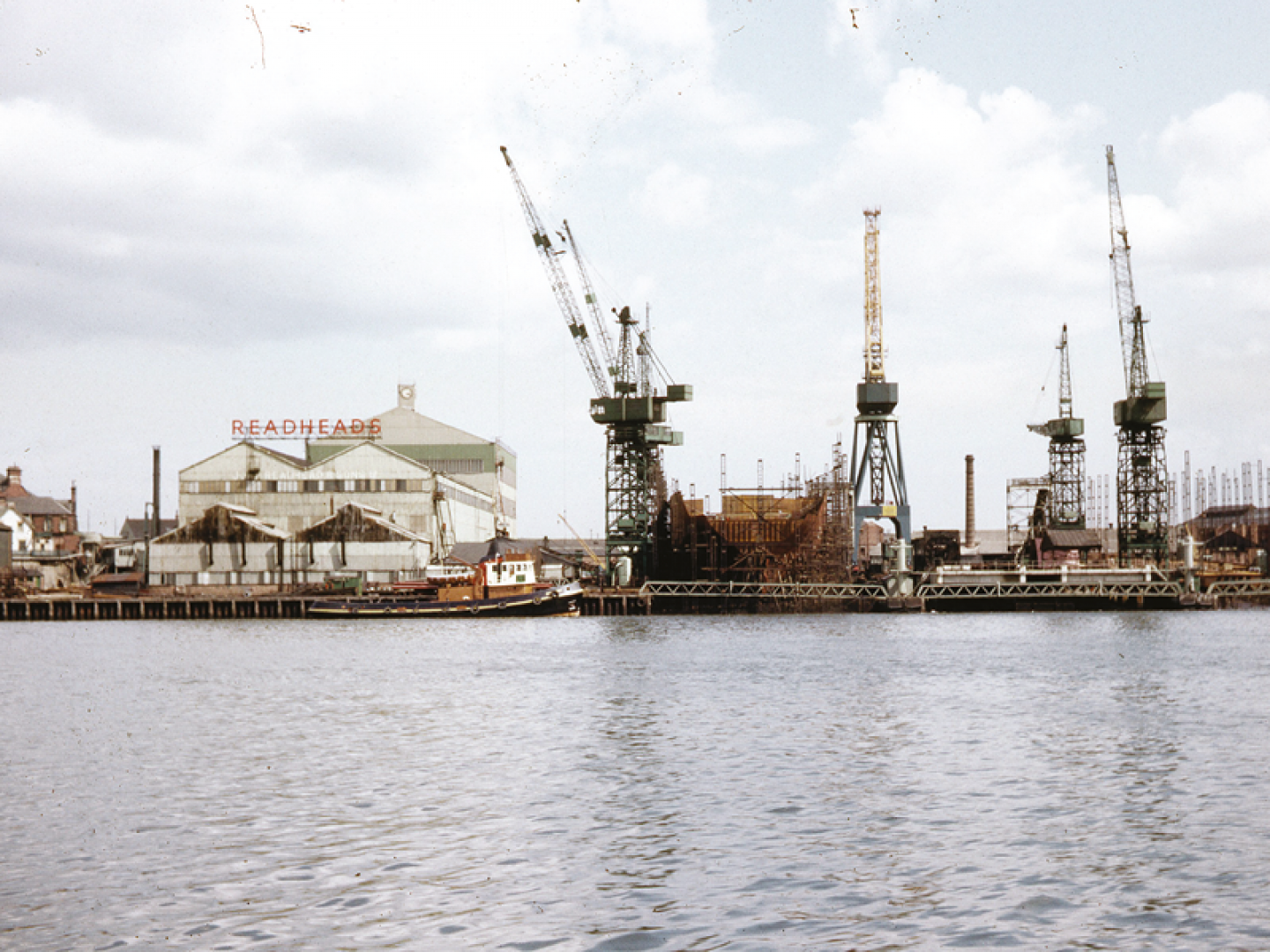
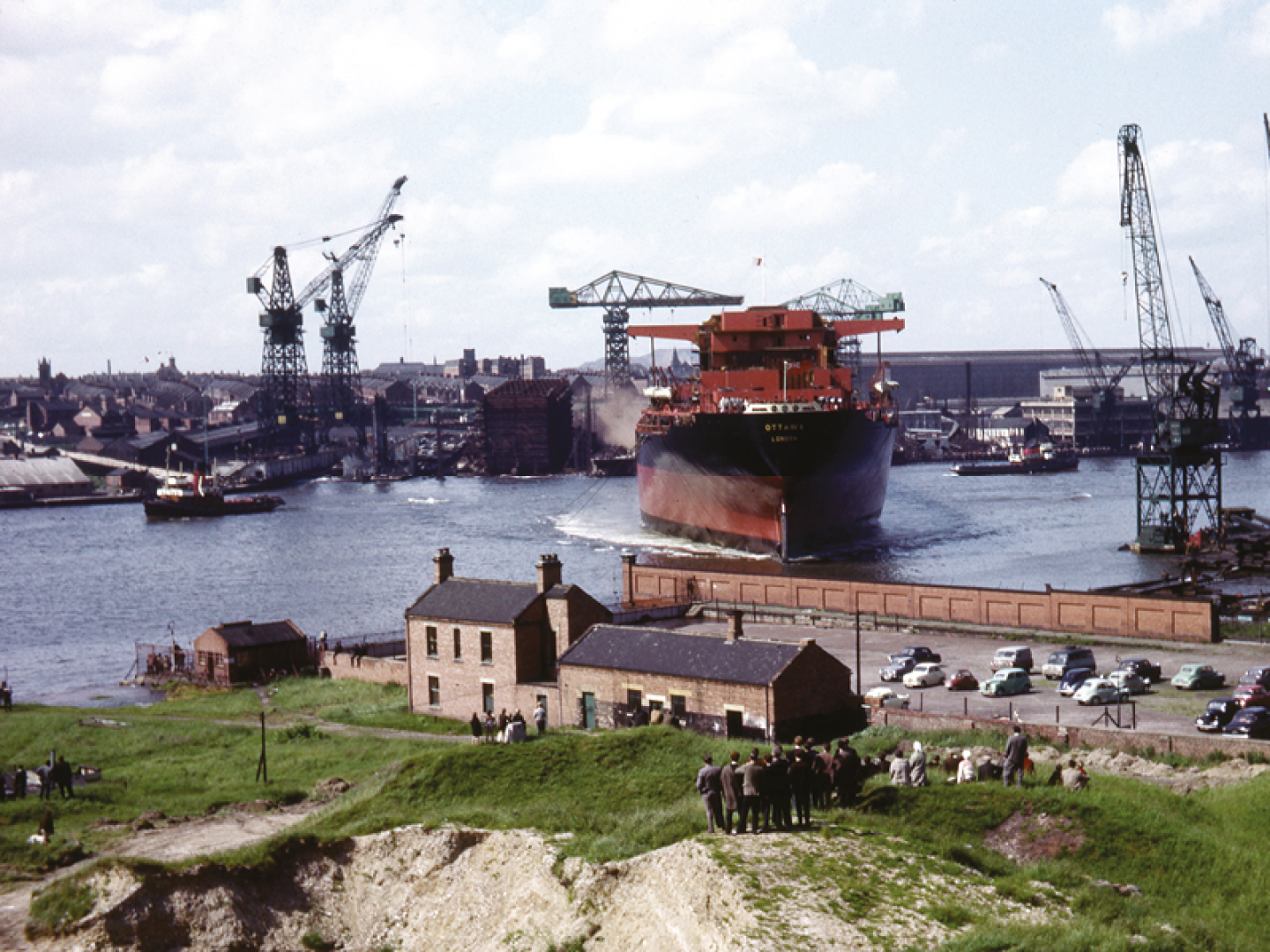
Online, Bronwyn and the team are sharing the progress, as well as archival documents and images, and stories and memories in different forms, including a poem which captures life on the Tyne during the final years of heavy industry (Hebburn Ferry by Alastair Greason).
Bronwyn’s real hope is that the project results in a permanent museum that becomes a source of pride for the region. ‘More broadly, I want to ensure that the stories of the men and women who built ships on the Tyne, Wear and Tees are preserved, celebrated and passed on to future generations,’ she says. ‘If the project can inspire people to take pride in our heritage and encourage families to share those stories with one another, then it will have achieved something meaningful.’