Join This Campaign to Save our Red Squirrels
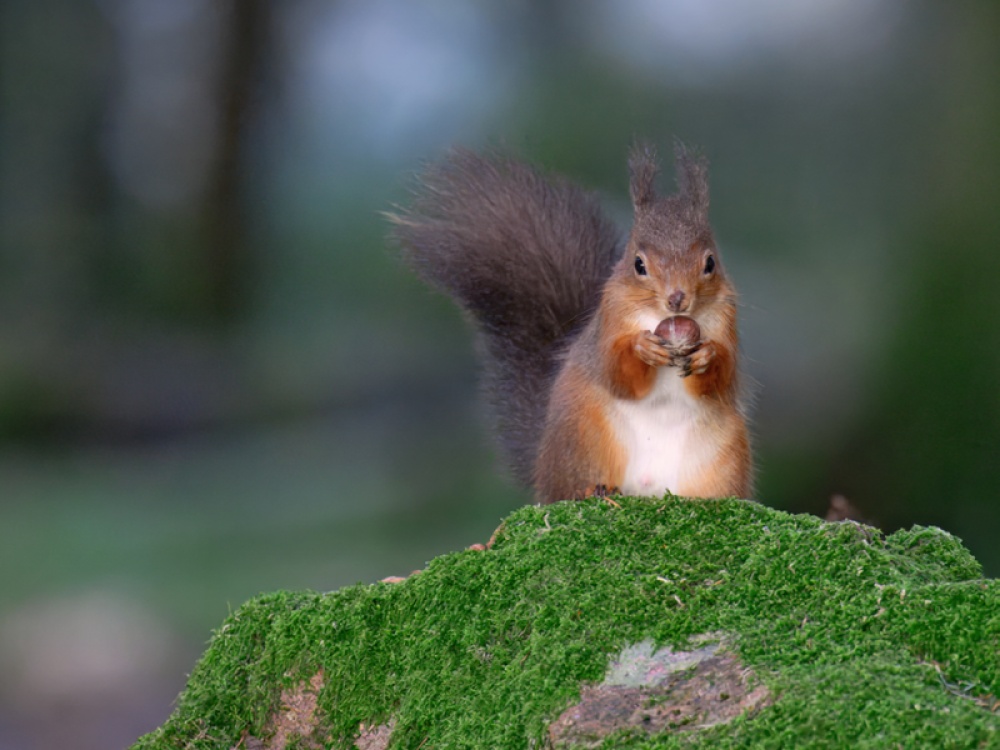
A national conservation campaign backed by more than 85,000 people is calling for improved protection for our native red squirrels


Once common across the UK, red squirrels now fight for survival, and are classified as Endangered on The Mammal Society's Red List for Britain's Mammals. Core red squirrel populations remain in Northumberland, County Durham and parts of North Yorkshire, but Natural England warns they could vanish from mainland England within 25 years. County Durham-based journalist and campaigner Marie Carter-Robb hopes she can play a part in changing that.
Marie has a passion for animals and has launched the Save Our Reds campaign, which is now a registered community interest company. ‘In late 2022 it was a very difficult time, and I was actually thinking about my darling Sophie, who was a beautiful ruby-coloured dog. I lost her at 14,’ says Marie. ‘I can remember having tears in my eyes walking through the house when I felt eyes on me. I happened to look up and just a couple of yards away from me, sitting on the stone step in the garden, was this beautiful red squirrel, just watching me. I thought it was a sign.
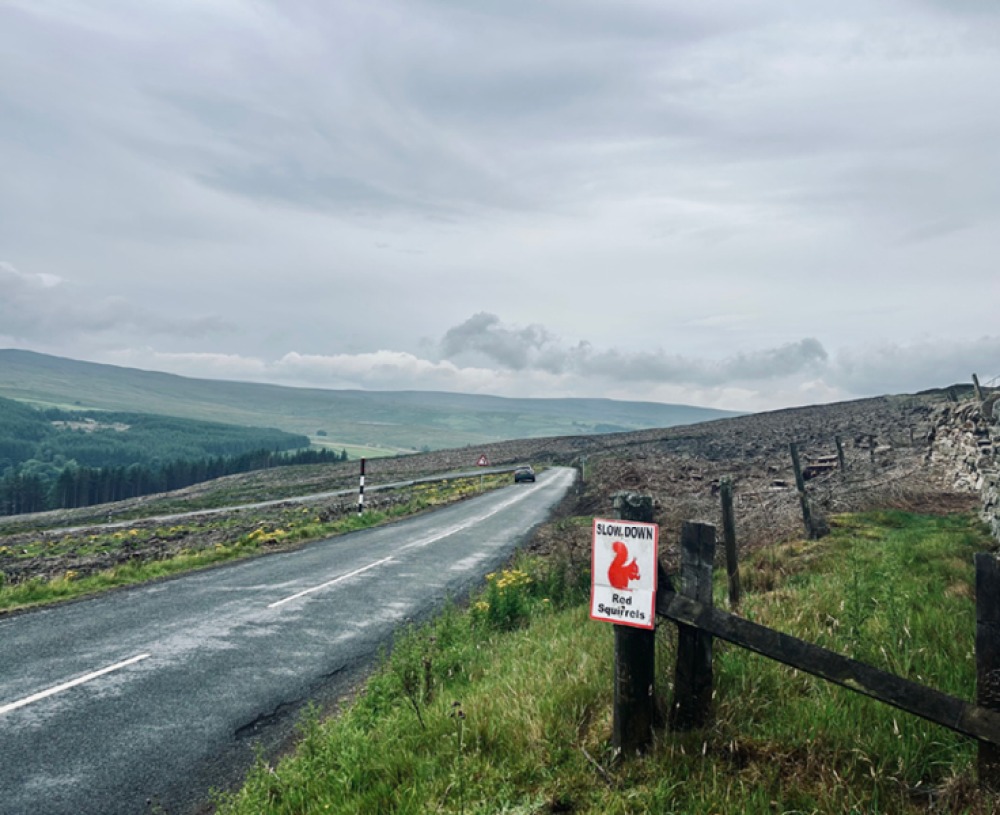
'I had been lucky enough to see them before on holiday in Scotland and in the Lake District, but I hadn't seen them in Darlington. It ignited something in me and I decided to look into what was being done about the plight of the red squirrel. Coincidentally, I found out that there was an action group meeting – Alston Moor Red Squirrel Group – which was a public meeting, so I thought I'd go along to learn more about what was happening in red squirrel conservation.’
It was later that Marie was encouraged to take action. ‘I was driving through areas in the outskirts of Northumberland, where there are conifer plantations and red squirrel signs. I’d seen them crossing the road and running around which was lovely. These were beautiful conifer plantations, and there was one in particular that I was passing regularly but over the space of several weeks it started to be felled. I thought, this is so awful! What's happening to all the wildlife, and particularly the red squirrels? Where are they going?’
This ignited a spark in Marie. ‘I got in contact with local groups and conservationists, reached out online, and had meetings with people including the UK Squirrel Accord (which unites various groups),’ says Marie. According to Red Squirrels Northern England, it is an offence to intentionally kill or injure a red squirrel or intentionally or recklessly damage or destroy any structure or place a red squirrel uses for shelter or protection, or disturb a red squirrel while it occupies such a place – so extra care must be taken when felling trees. ‘That was the key thing at the start,’ Marie says. ‘Gradually it’s evolved into getting more rangers on the ground, properly deploying them, and crucially properly funding a vital squirrelpox vaccination. For reds, it’s generally fatal. Grey squirrels were imported by the Victorians from North America into Hensbury Park in Cheshire in 1876, and they’ve spread throughout the whole of the UK.’
A key part of the Save Our Reds campaign is an interactive map which has been produced, showing the long-term decline of red squirrels and what will happen if nothing changes. In April, the England Red Squirrel Recovery Strategy by Natural England warned that our native red squirrels face a high risk of mainland extinction within 25 years without grey squirrel management. ‘That demands a national response,’ says Marie.
Now Save Our Reds is calling for a coordinated recovery framework for red squirrels and their habitats across Great Britain, and that includes legally protecting red squirrel woodlands immediately, enforcing existing wildlife law, with named accountability, delivering and auditing biodiversity set-aside properly, funding and fast-tracking vaccine and fertility control with a public timetable, and getting rangers on the ground. ‘We’ve come up with a conservation action framework which we released on Save Our Reds Day [15th May], and it ties in with Endangered Species Day which is celebrated on the third Friday of May every year.’
This action has led to a huge increase in petition signatures. ‘I have to say it's not just about the petition, it's so much wider than that,’ Marie explains. ‘The petition is a spark and it's a platform, but it's far from being the only thing. When I started this campaign, I toyed with the idea of doing a campaign to parliament. But I want this to be fast and agile, and I want to have more control over it.’
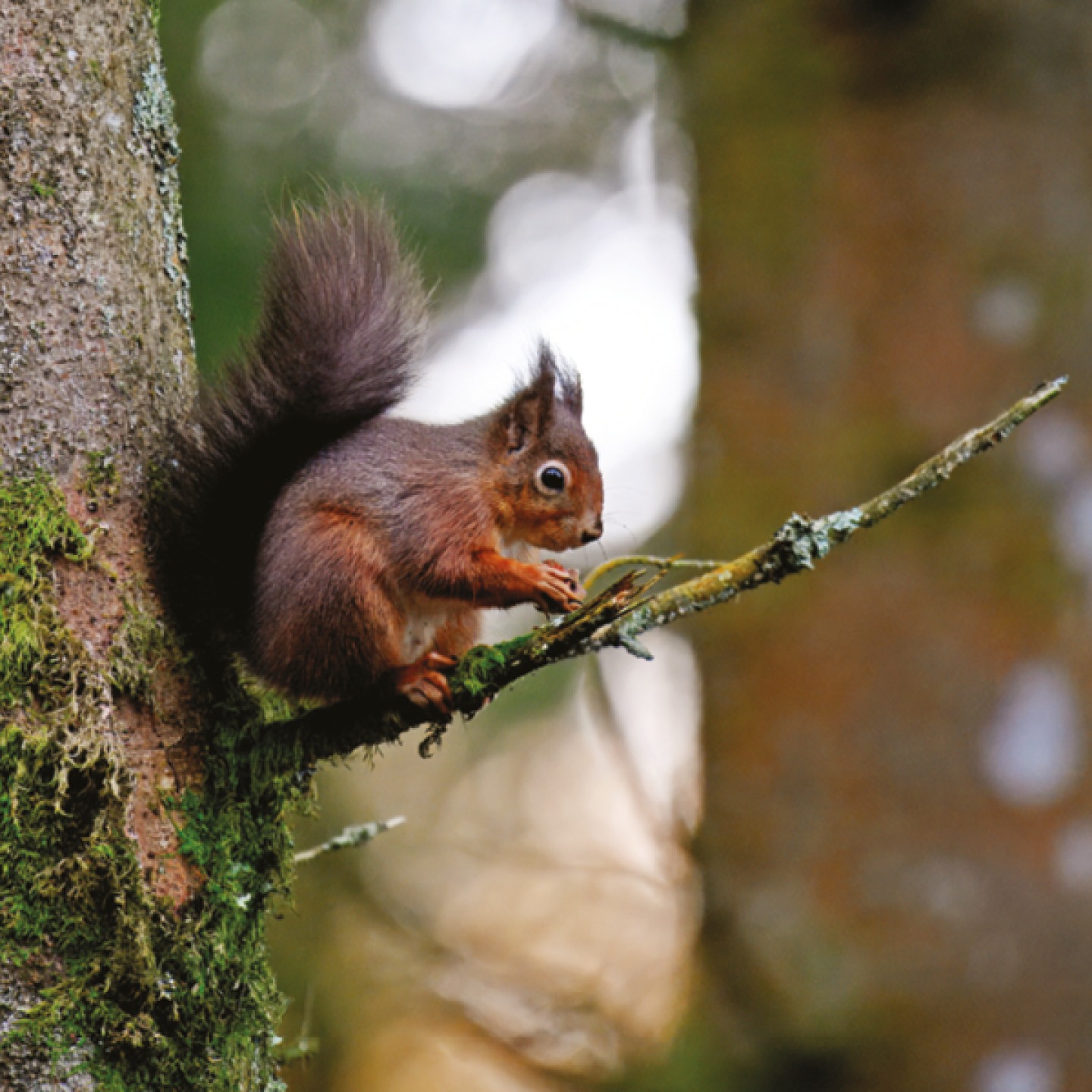
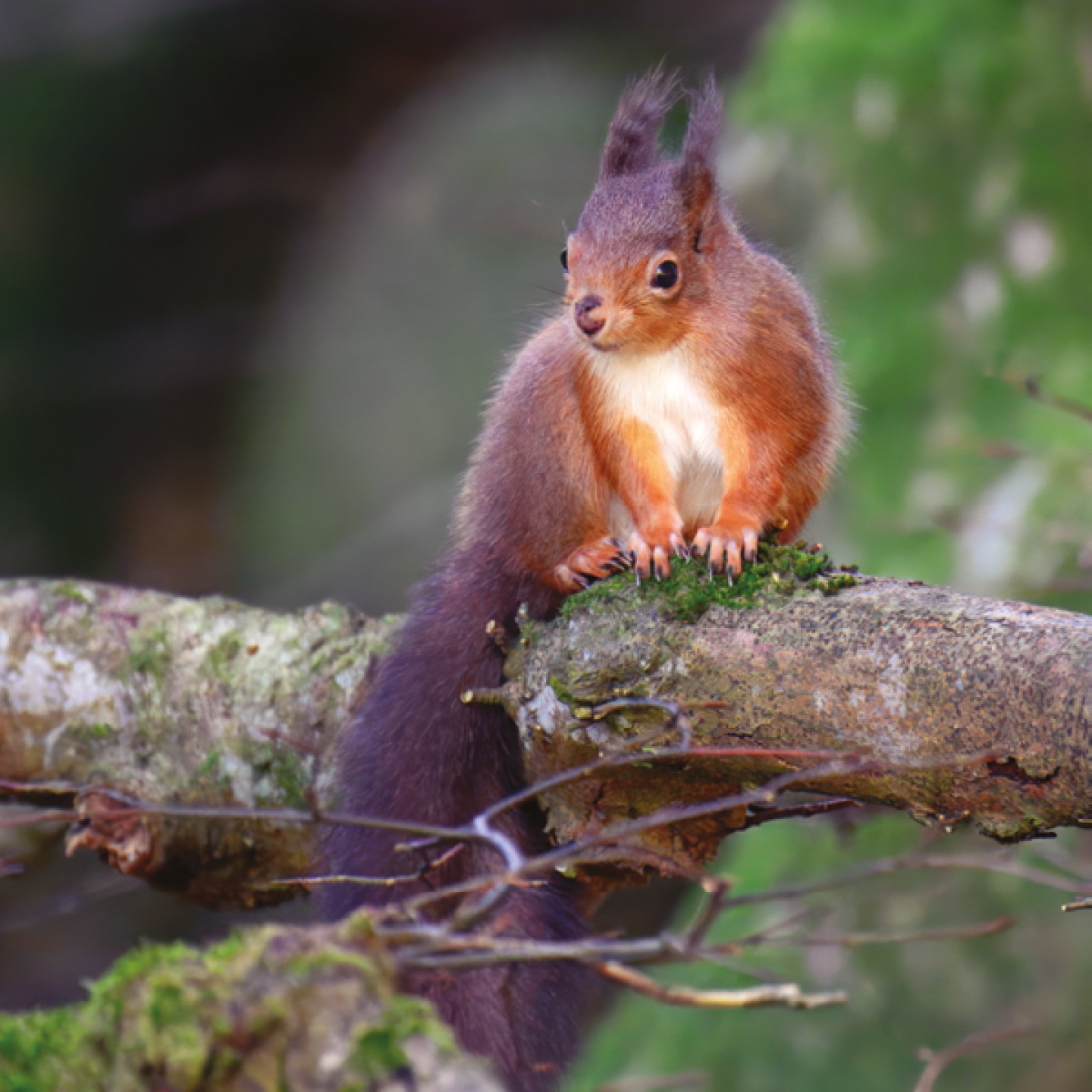
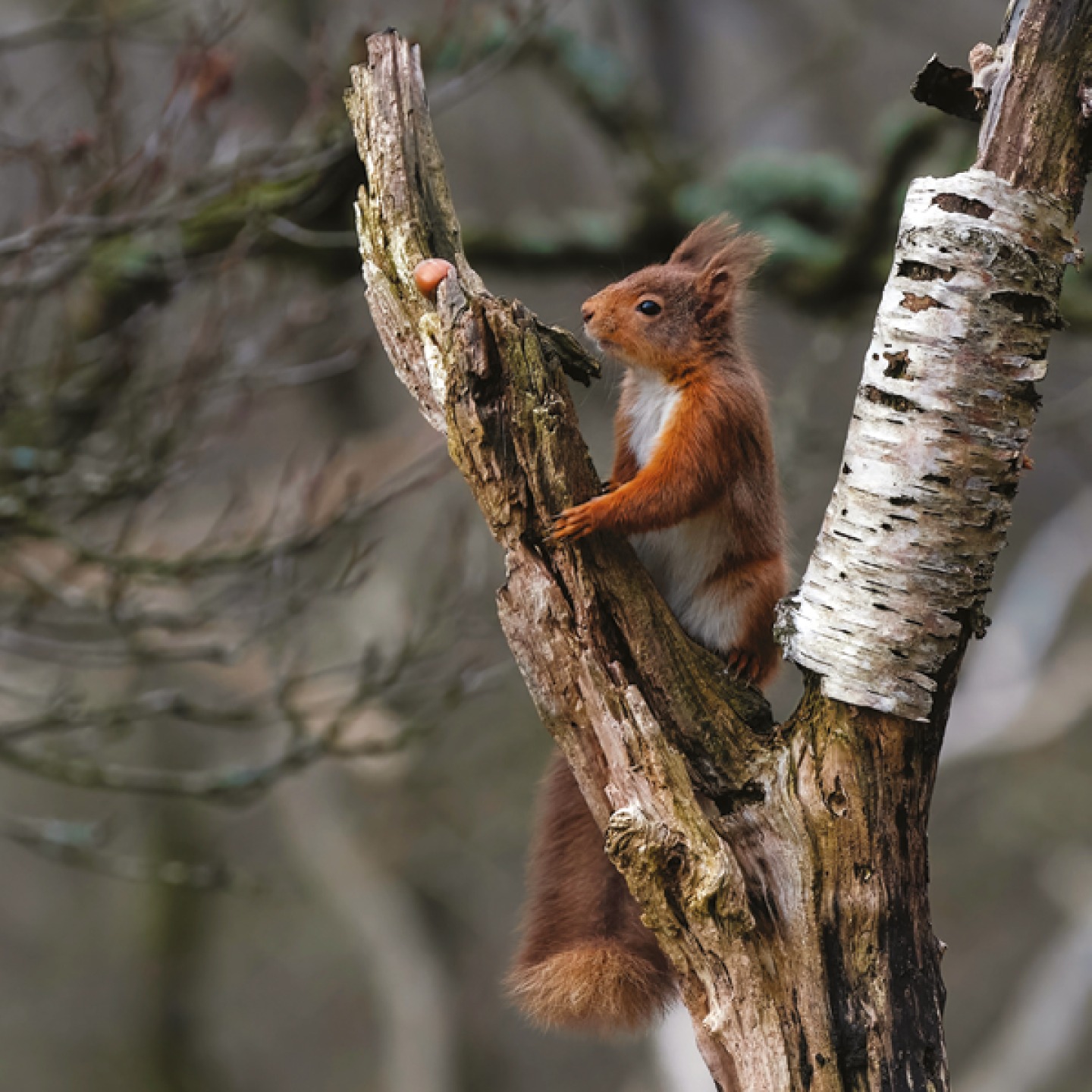
Marie is keen to get the message out to younger people too, and last year she published Little Red: Warrior Squirrel, for children aged aged two to eight years old, with North Pennines Press. ‘It’s doing really well on Amazon, and it's in Waterstones and other bookstores, so another one in the series will be coming out that will focus on grey squirrels and the vaccination,’ says Marie. ‘It’s to make it simpler for a younger audience.’
Support keeps coming and Save Our Reds’s first ambassador is Terry Abraham, the multi-award winning documentary filmmaker of Cumbrian Red. ‘He’s famed for being a red squirrel advocate in Cumbria, the UK and internationally,’ says Marie, ‘and he's been a huge inspiration for the campaign as well. It's great to have him on board.’
Marie explains how the interactive map and the policy document are designed to elicit action. ‘It feels like the petition is part of a bedrock for Save Our Reds, as is the interactive app, as is the policy document, and as is the awareness building, which has been phenomenal as well – it’s all building blocks,’ she says. King Charles III serves as patron of the Red Squirrel Survival Trust and has long championed our endangered red squirrels. ‘They're even featured on the commemorative two pence coin,’ Marie adds.
‘So many people in the South have never actually seen a red squirrel; if they knew what we're losing (and they're starting to), it’ll really start to resonate. It's become a sort of cultural moment. In the video that was produced by the palace for David Attenborough’s 100th birthday, it had a relay of animals delivering a card to Mr Attenborough. A key part of the relay was a red squirrel. It's a symbol of what we're going to lose. I do think it's a time to act rather than to talk about it.’