This New Book Celebrates The History and Future of Climbing in Northumberland
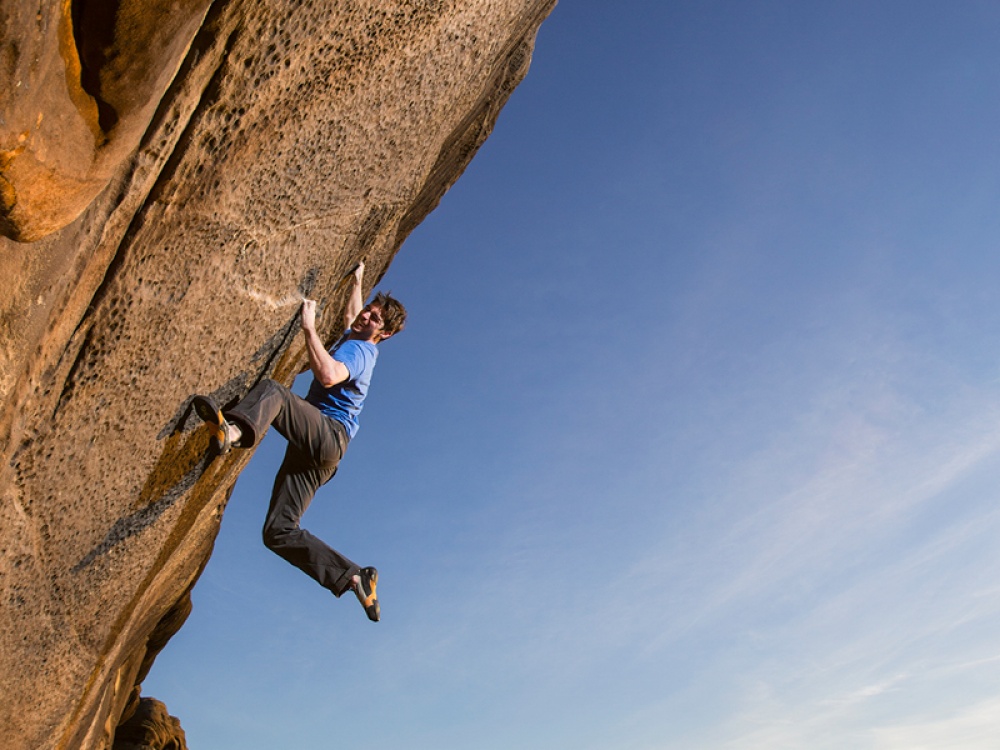
A new coffee-table book featuring inspiring photographs by award-winning photographer Mark Savage is celebrating over a century of rock climbing in Northumberland


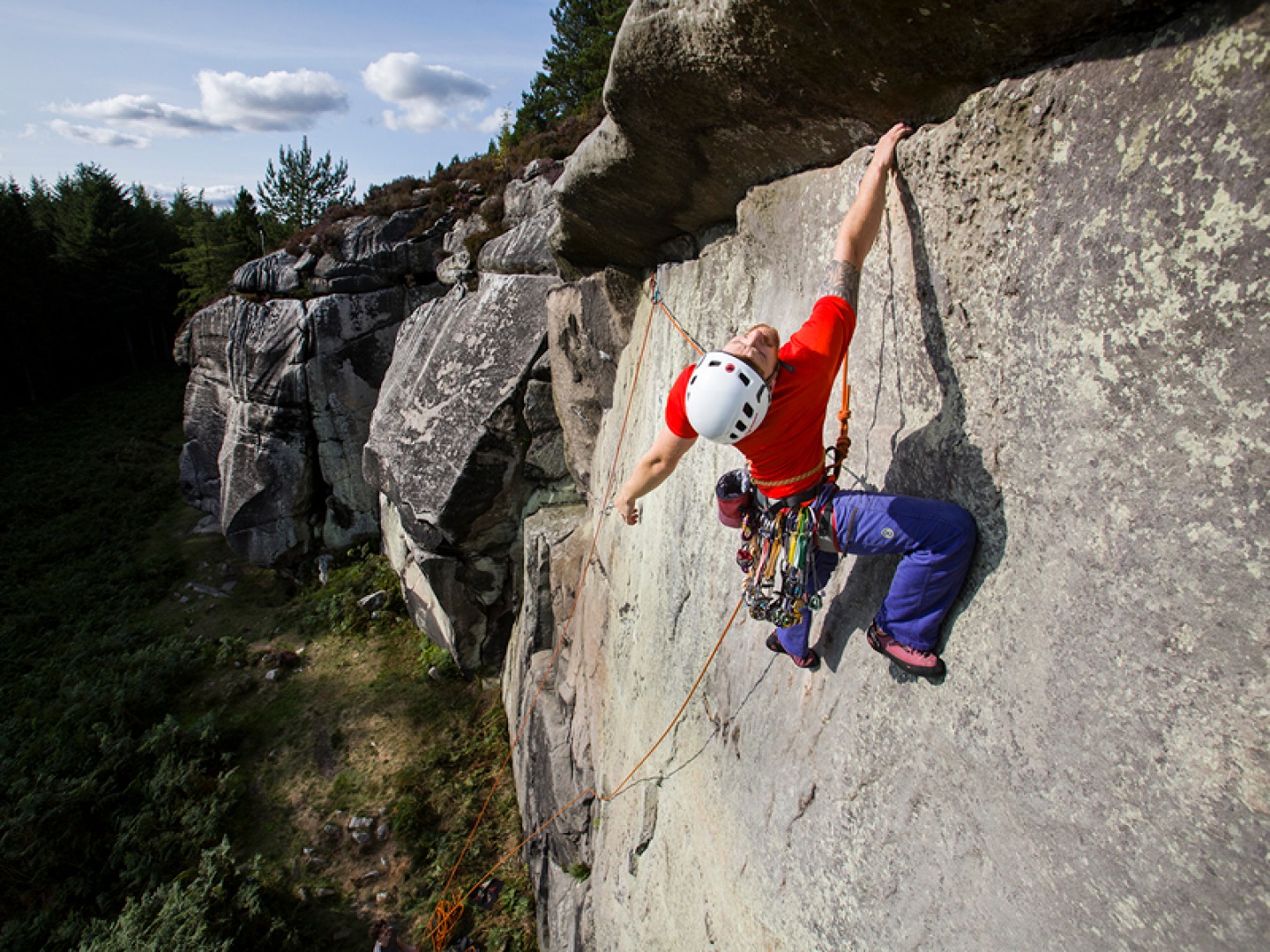
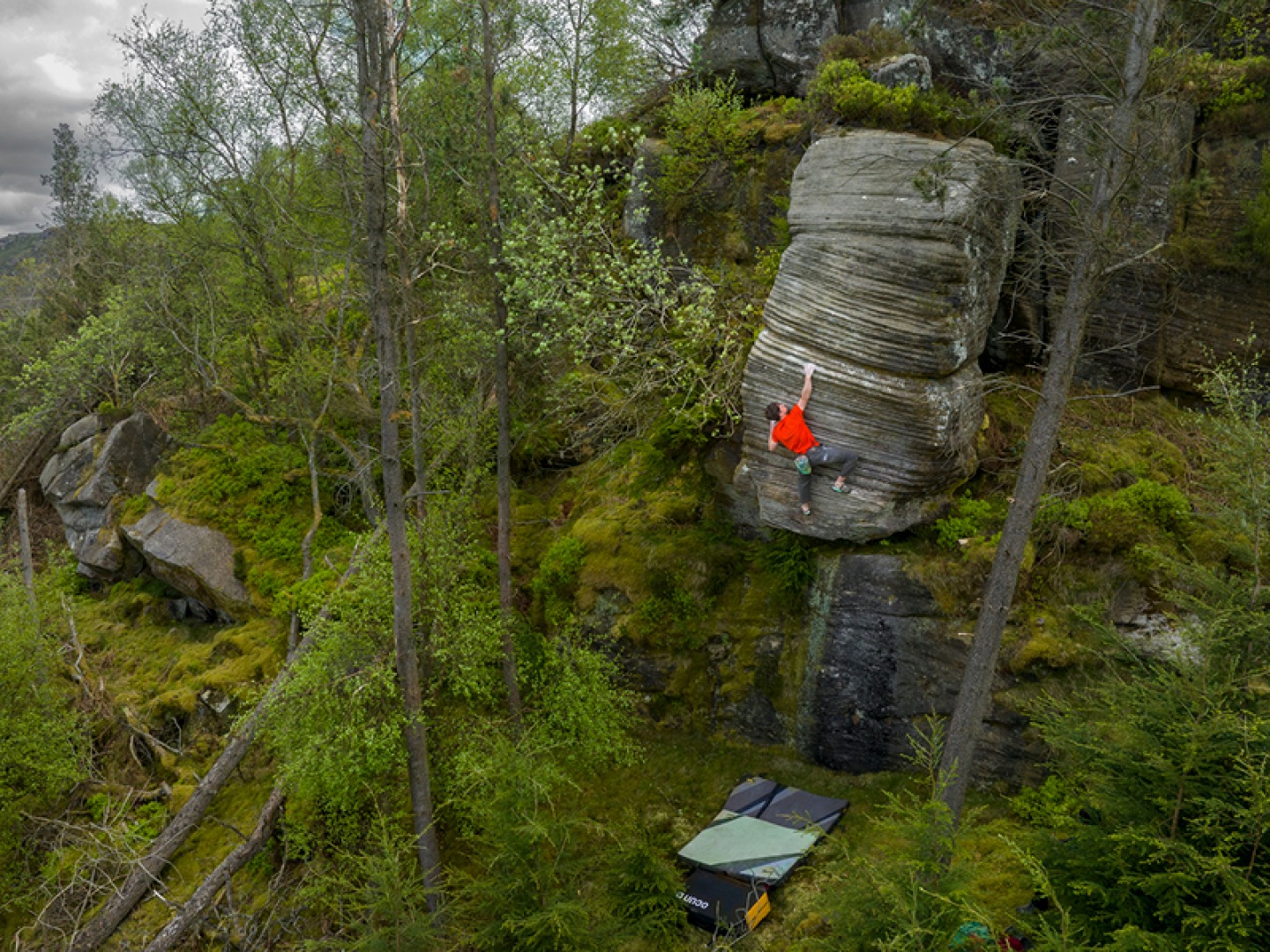
Northumberland – The Story of Climbing in the County is written by Steve Blake and John Spencer, and illustrated with photographs by Mark Savage. Sharing stories from over a century of climbing across more than 470 pages, it explores the routes, achievements and traditions that make climbing in Northumberland so special. This is the most complete record ever produced of this corner of British climbing.
Mark was perhaps destined to climb, with a father keen on hill walking and a grandfather who loved climbing in the Lake District. ‘I grew up surrounded by books about climbing and adventure,’ he says. ‘I actually said to a friend that I’d really like to try rock climbing and he played five-a-side at Eldon Square and said there was a climbing wall. I went there and did the beginner’s course and never looked back – I felt like I’d really found my thing.’
Until that point Mark had been in a few bands in the North East, and was a singer in heavy metal band XLR8R, then got into photography. ‘I started by going around lots of designers during London Fashion Week, then ended up working in New York, Paris and London,’ he says. Mark studied photography at Northumbria University and then taught photography there whilst he dipped his toe into the world of climbing. ‘The thing is, when you’re climbing, you don’t really take many photos,’ says Mark. But an injury changed all that.
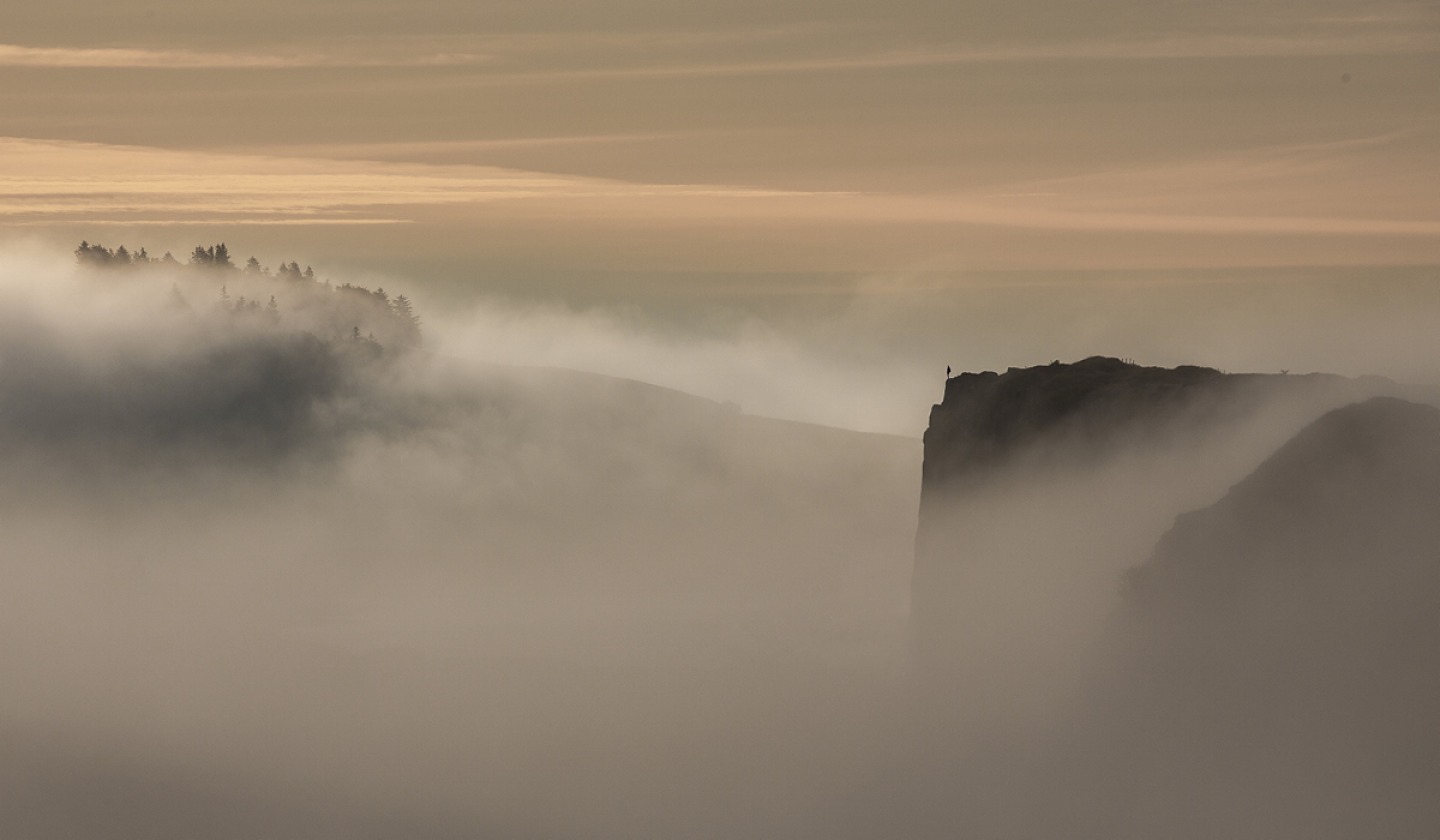
‘This is the most complete record ever produced of this corner of British climbing’
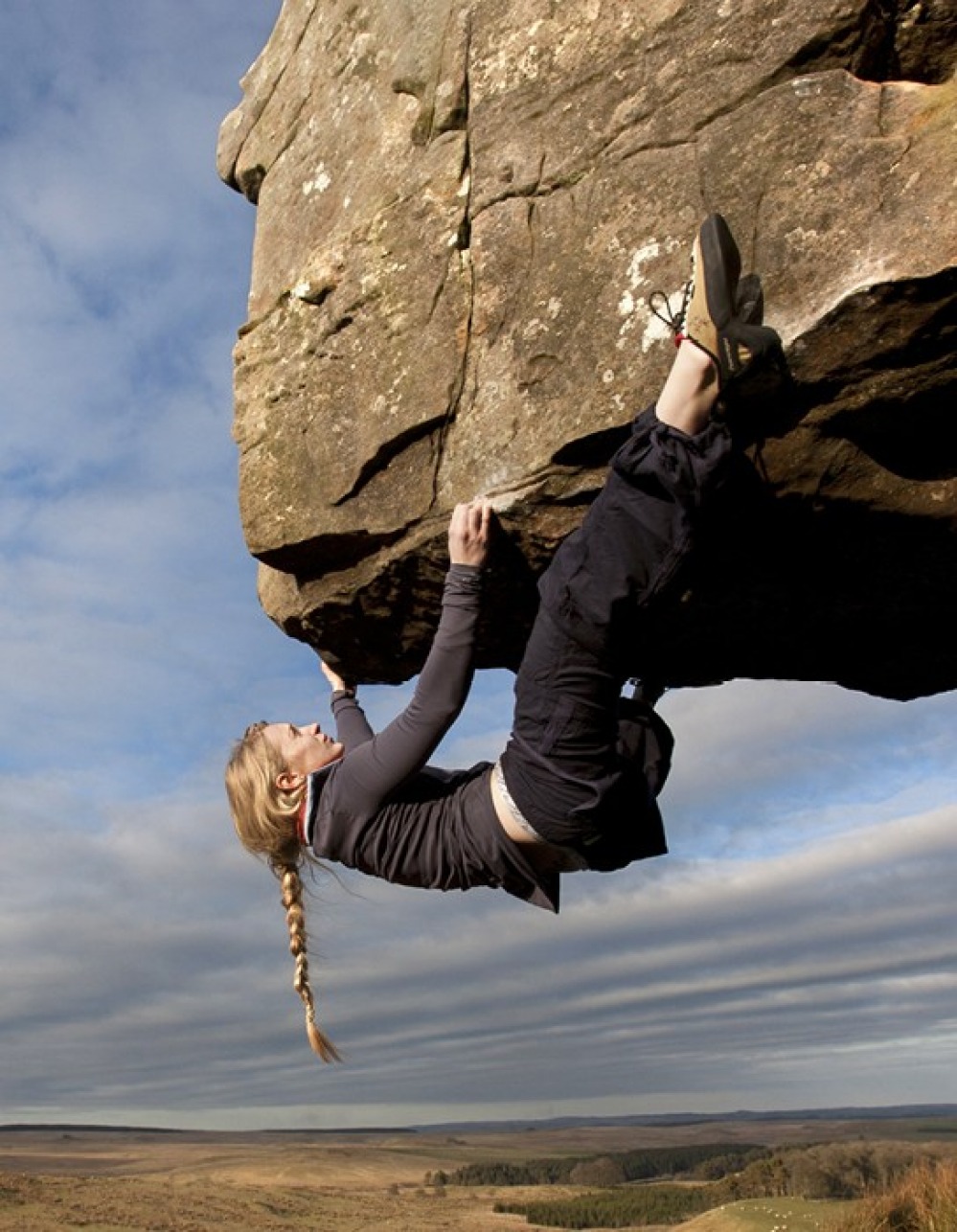
‘I used to do a lot of climbing but when I injured my shoulder I couldn’t really climb so I started going out and taking photos of people climbing so I could continue going out to all these beautiful places in Northumberland – but my bag was heavier,’ he laughs. ‘After a few years it became a regular thing and a few people asked if I’d thought about doing a book. In the back of my mind, that’s kind of what I was doing and the two authors, Steve Blake and John Spencer, approached me.’
At this point The Northumberland Mountaineering Club were coming up to their 75th anniversary and it was suggested to publish a book in line with that. ‘After three years we realised we weren’t going to make it to 75 but here we are for the 80th anniversary this year, and we’ve managed to get it out there,’ says Mark. ‘They’ve been very supportive and have helped with the costs of printing too. I’ve really been trying to showcase Northumberland because a lot of people who go walking in Northumberland and feel like they know the area probably won’t have been to these crags (some of them are quite remote and really beautiful places). I feel it’s a real showcase of these remote places in Northumberland.’
The first recorded rock climb in ‘The County’ (as climbers refer to Northumberland) was in 1899, but details of this pioneering exploration weren’t published until 1907. The book covers this history with in-depth research, as well as the rise and fall of climbing in The County before sharing the major crags grouped geographically, taking you on a journey from Hadrian’s Wall, through the hills and moorland to the crags and coast – highlighting climbing locations from the mighty Jack Rock upstream from Warkworth and the mouth of the Coquet to the imposing Spittal Quarry at Berwick with a north-facing steep, pocketed sandstone wall.
‘The history of rock climbing in Northumberland is not something that’s going to sell a million copies but hopefully it will raise awareness of the beauty of Northumberland,’ says Mark. ‘It’s a bit off the beaten track here in terms of rock climbing even though the climbing here is really cutting edge. If people travel from abroad to climb in England they’ll usually go to the Peak District where there are lots of famous climbs, but actually Northumberland has the best collection of hard climbs in the country. People have just started realising that. A few really strong, famous climbers have been coming here recently. One guy called Niky Ceria has been here twice to climb and he said the reason he came here was because of my photos, which I thought was pretty amazing. He goes to a climbing wall in Italy and has one of my photos on the wall, and he wanted to come here to do that climb.’
The book was also supported by a couple of Mark’s heroes who provided quotes for the back cover of the book. ‘Simon Carter and Heinz Zak are both really famous climbing photographers, and I sent them an early draft of the book and asked if they would write something,’ he says. ‘I was pretty blown away by the lovely words that they sent; they were very complimentary.’
Mark personally enjoys photographing climbs at the Simonside hills. ‘I know a lot of people are familiar with Simonside but a lot of people who don’t climb wouldn’t go to the crag, they’d walk along the top of it and would see people climbing,’ he says. ‘Lots of times when I’m taking photos, I’ll see families getting closer to take a look and see the kids’ eyes light up. It’s just beautiful there, and a fairly easy place to get to. The views are spectacular. I love the sandstone outcrops around Belford too which are really beautiful. There’s the crags in the Cheviots. The walk up the College Valley to Hen Hole is really beautiful, following the stream, and there’s the famous Three Sisters waterfall. Climbing up there is wonderful (there’s always people skinny-dipping as well!).’
‘Mark says anyone can give climbing a go’
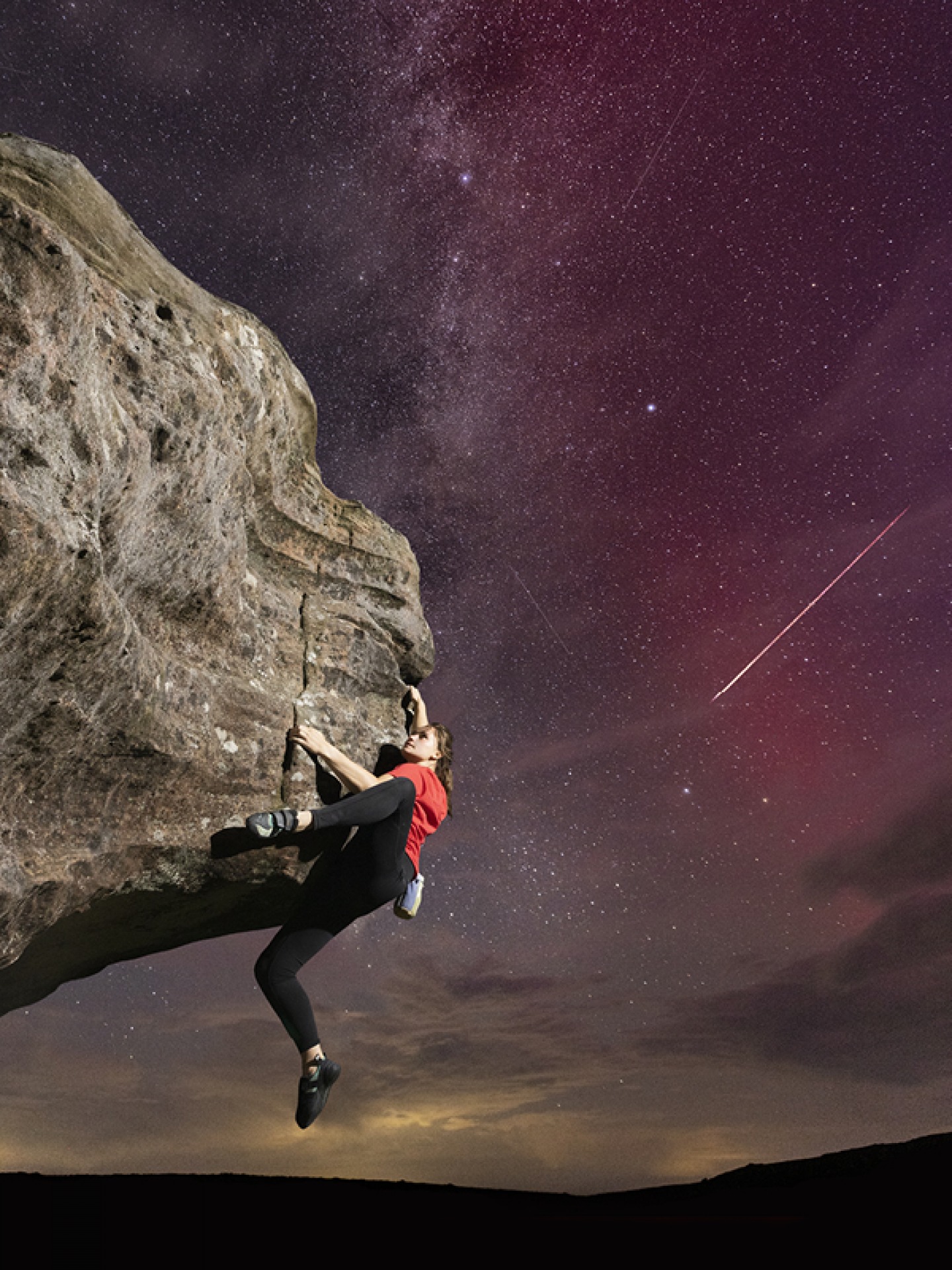
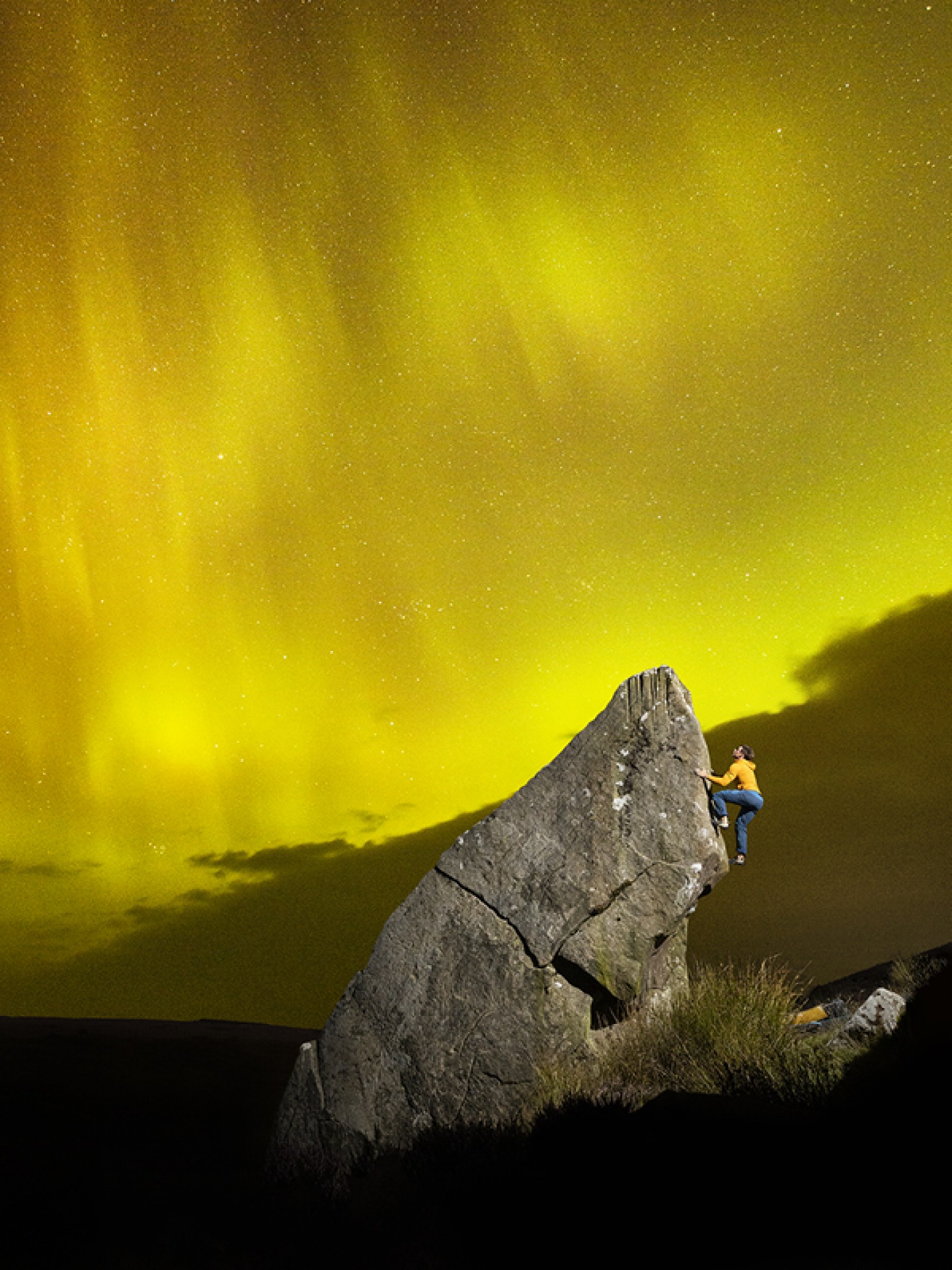
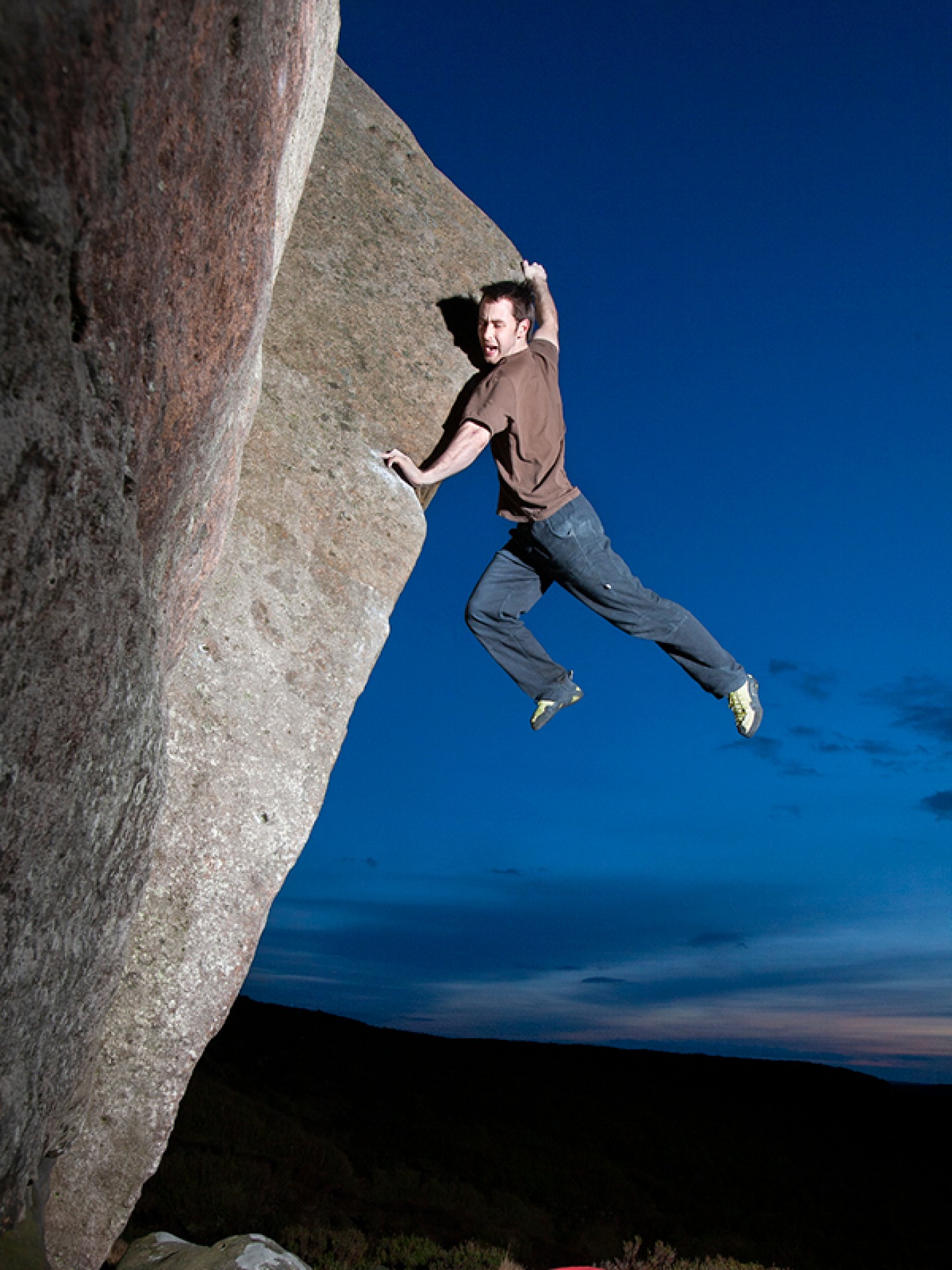
Mark is sure climbers will appreciate the depth of the research that Steve and John have gone into. ‘This is the first time all these stories have been gathered together and collated in one place and the research they’ve done is pretty extraordinary,’ he says. ‘They’ve been researching in The British Library, they’ve been getting in touch with people around the world and climbers’ families for letters or photos, and they’ve uncovered some really fantastic stories. This book would’ve been nothing without those guys. They’ve been working on the book for years and they haven’t stropped. The amount of research, photos and stories that aren’t in the book is quite extraordinary too; we could probably do volume two straight away. At one point the book was an extra 140 pages and we had to whittle it down – one of the first things I did was take out all the landscape photos which really hurt because I’d been photographing Northumberland landscapes for years. There still are a few in there. I think climbers will appreciate it for the history and photos altogether in one book. For non-climbers, I think it still has a strong attraction. I’m sure they can see it’s a real passion project.’
Feeling inspired? Although climbing outdoors, especially in rural Northumberland, might seem intimating, Mark says anyone can give climbing a go. Northumberland’s first-ever bouldering wall at The Coliseum will open in Morpeth in December. ‘There are quite a few climbing walls across the North East,’ Mark adds. ‘There are plenty in Newcastle to choose from where you can learn about the equipment and how to move on rock. Anyone can do it. One of the wonderful things about climbing is that it doesn’t matter what level you’re at, you can always have a great time. Don’t be intimated by some of the climbs in the book, because they’re some of the hardest in the UK, but it’s not all about climbing on small holds and being frightened.
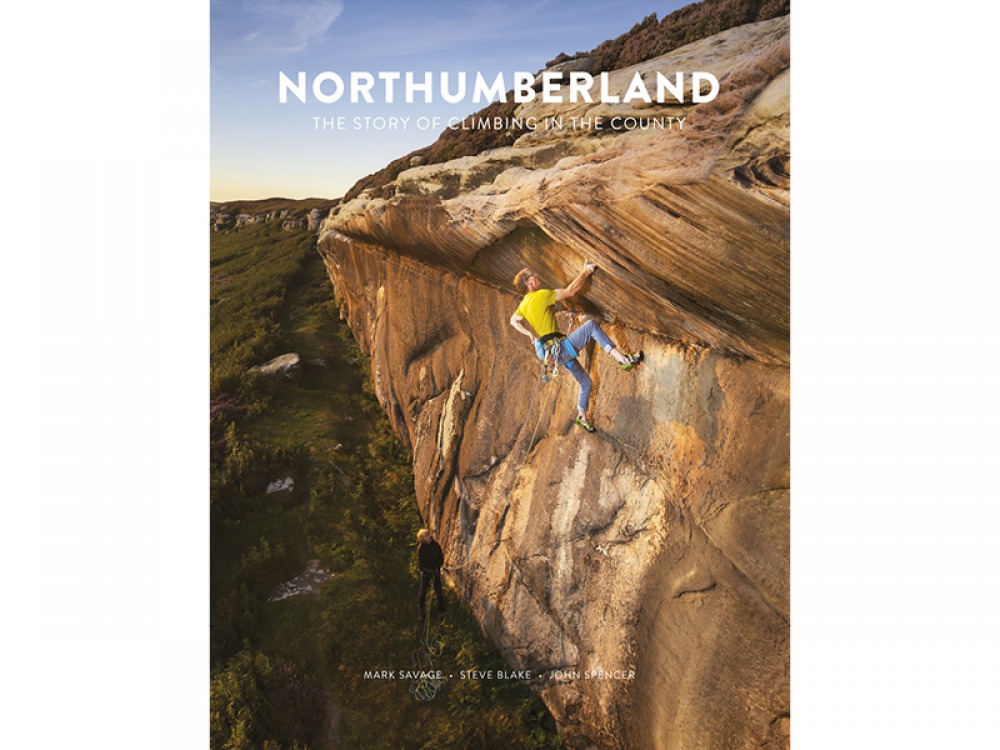
‘We’ve always been quite lucky in Northumberland that there’s been a climber who’s operating right at the cutting edge. There was Bob Smith in the ‘70s and ‘80s, who features prominently in the book, and he’s still climbing strong today. We had two boulderers, Malcolm Smith and Andy Earl, who were right at the cutting edge in Northumberland. Now we’ve got a climber called Dan Varian, and he really is the reason why Northumberland is so prominent in terms of hard climbs. He’s known all around the world, his wife’s family are from Holy Island and he’s here all the time. The future is really with Dan because he brings some of the other best climbers in the country, and the world, here to Northumberland; he has a list of projects that haven’t been covered and he’s working through those. There are places which are still being developed.
‘Most of the major crags have been found and climbed on but there’s always gaps in between, and people try to fill in those gaps. Anything that’s left is pretty hard because the climbers who’ve gone before us are all so good!’
With the success of sport climbing at the 2024 Paris Olympics, the opening of new climbing walls, and the endless beauty of must-visit climbing locations across Northumberland, we’re sure the future for climbing in Northumberland will reach new heights.