
Review: Northern Stage's Innovative Take on Shakespeare's Othello
A dramatic co-production of Othello is bringing Shakespeare's ever-popular tragedy to new audiences in Newcastle


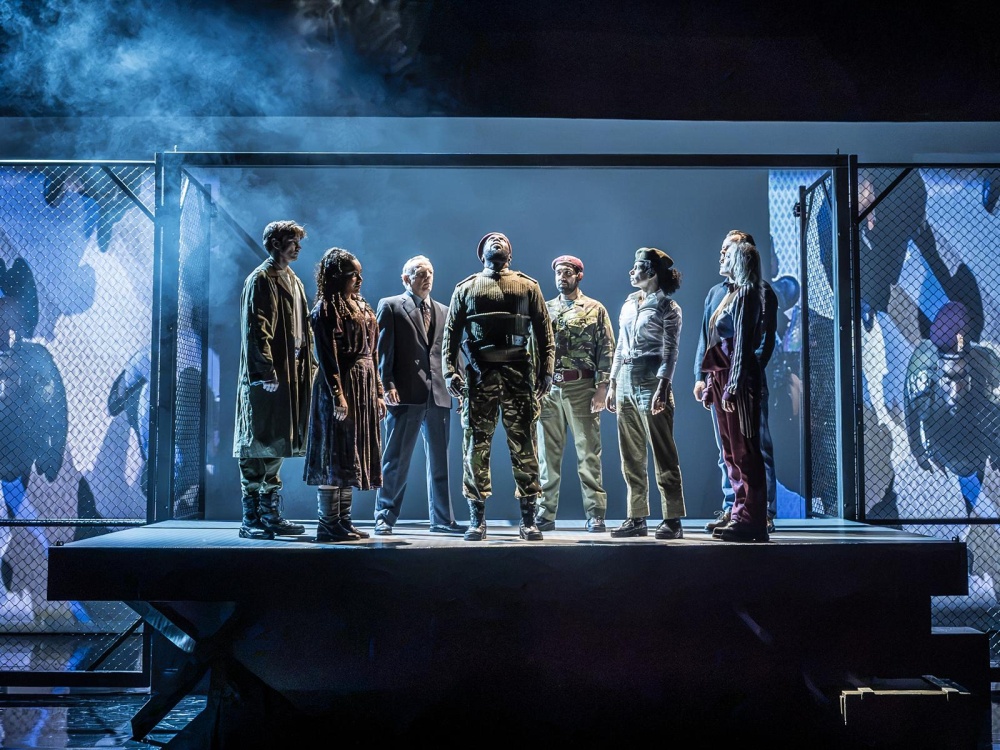
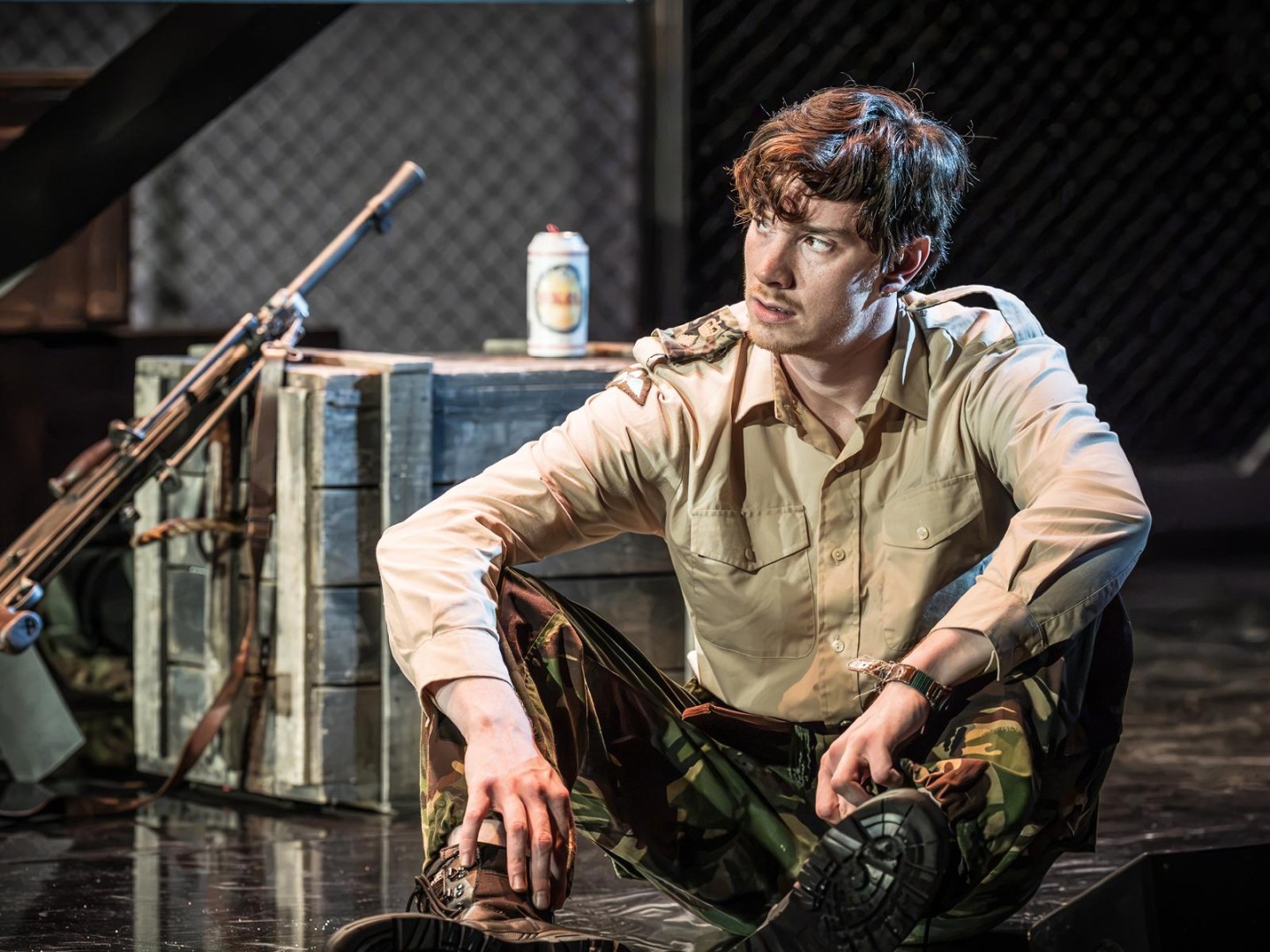
Northern Stage, HOME Manchester and Citizens Theatre have come together to produce The Tragedy of Othello, the Moor of Venice (to give it its full title), and whilst it’s a far cry from the original setting of 16th-century Venice, its new setting of the Falklands War in the 1980s remains relevant, allowing a bold and interesting take on the story’s themes of battle and betrayal.
With little introduction, the audience is thrown into a world of intense social unrest, racial violence and resurgent nationalism. Director Anthony Almeida says the Falklands War provides the military context for Cyprus, adding that ‘it is close enough to feel recognisable, but distant enough to let us see the architecture of our present more clearly’.
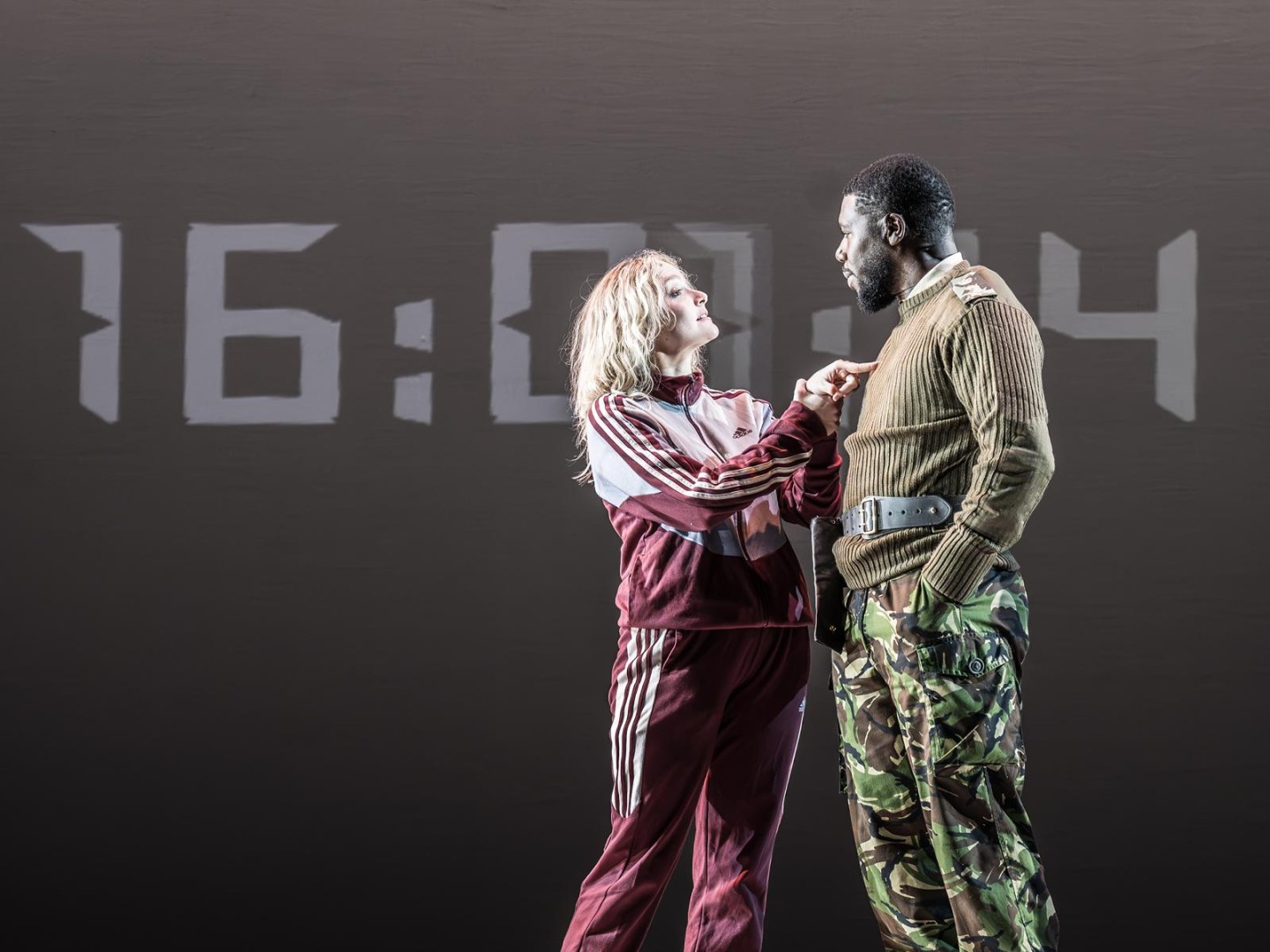
Taking the approach of a psychological thriller, the production focuses on a key theme – belonging. Dwane Walcott’s Othello is a Black man at the top of a British military establishment and Maanuv Thiara’s Iago is a British South Asian man who has worked within the same system but feels overlooked. It’s the clashing relationships and Maanuv’s skill of commanding the stage (especially whilst breaking the fourth wall) that let the audience in on his manipulation. Anthony explains it best: ‘Iago discovers how to weaponise the fears Othello has had to suppress in order to survive within it. Jealousy is part of the tragedy, but it is a symptom rather than the complete diagnosis.
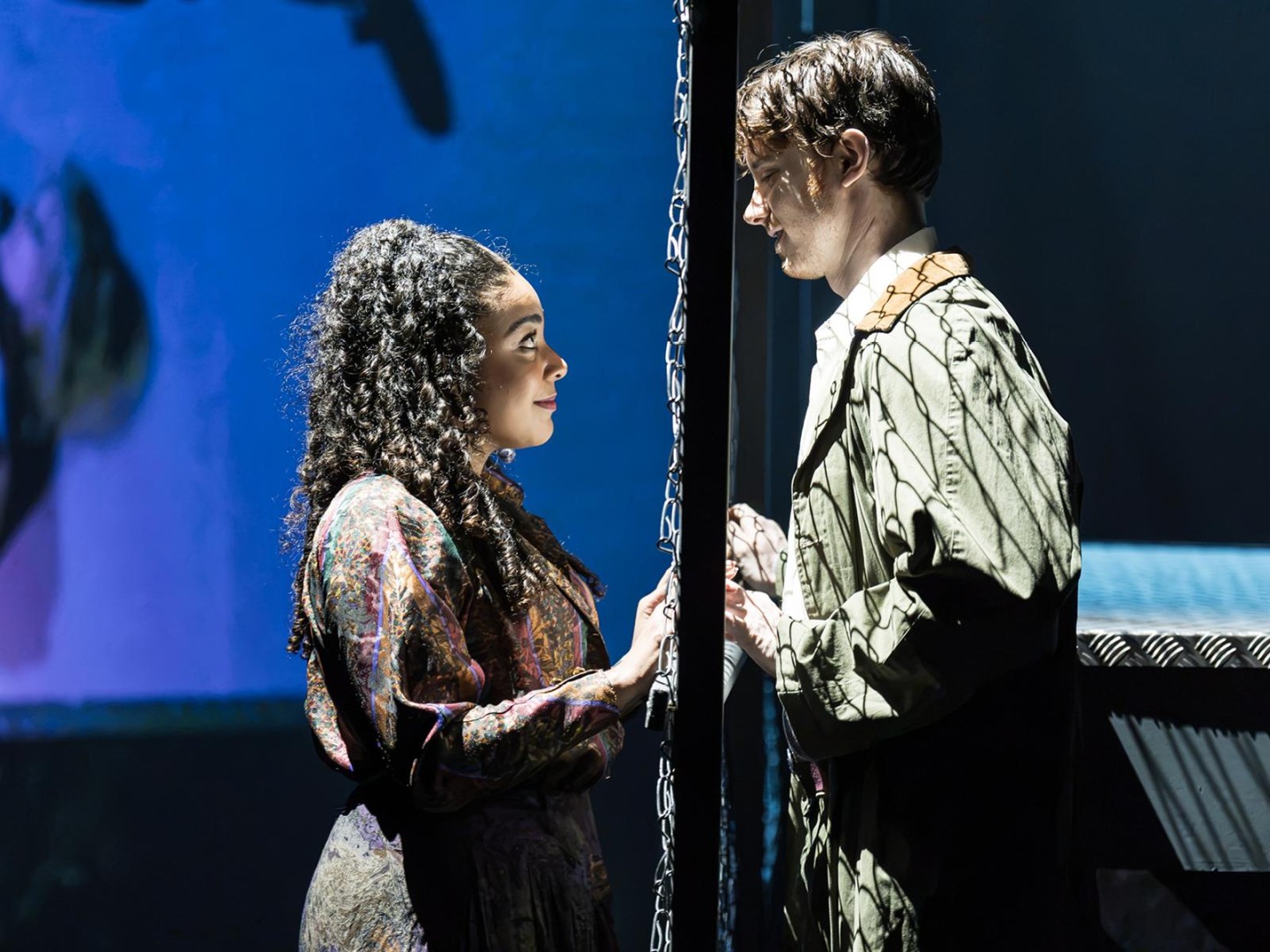
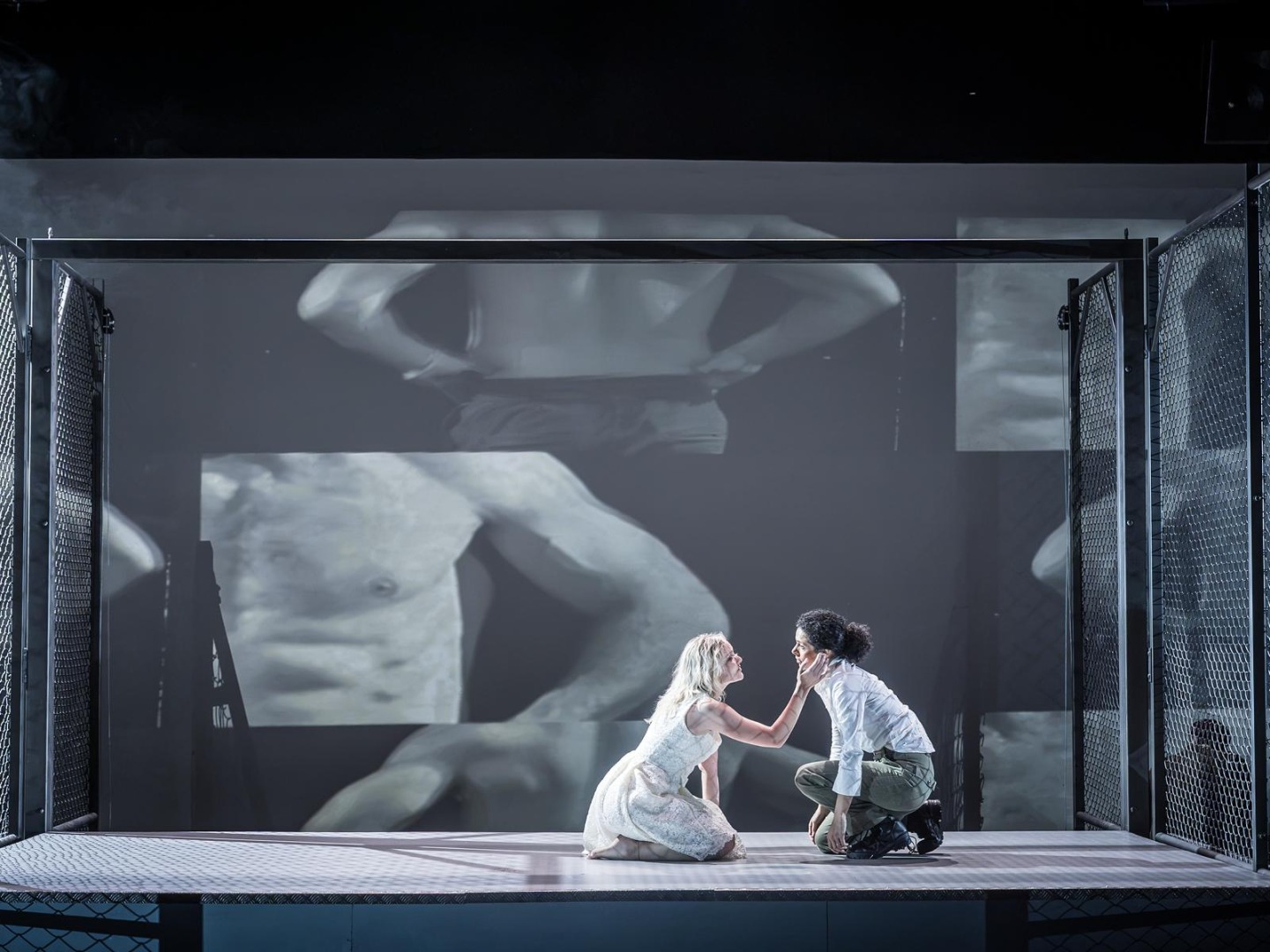
‘Iago recognises Othello’s vulnerabilities and gradually replaces his lived experience with a fabricated reality. He does not simply tell Othello what to think; he creates the conditions in which Othello begins to persuade himself. That feels painfully contemporary. We live amid algorithms and political rhetoric that can take a private insecurity, feed it, affirm it and turn it into grievance. The play is also acutely relevant in its examination of masculinity. These are men who have been taught to understand love as ownership, vulnerability as weakness and violence as a legitimate means of recovering control. The tragedy is not that Othello feels deeply; it is that he has no accepted language through which to understand or express what he feels. At the centre of all this are the women, who see the truth with increasing clarity but are forced to navigate structures designed to discount their knowledge. The play asks whose testimony is believed, whose interior life is valued and who pays the price when male grievance is allowed to become a worldview.’
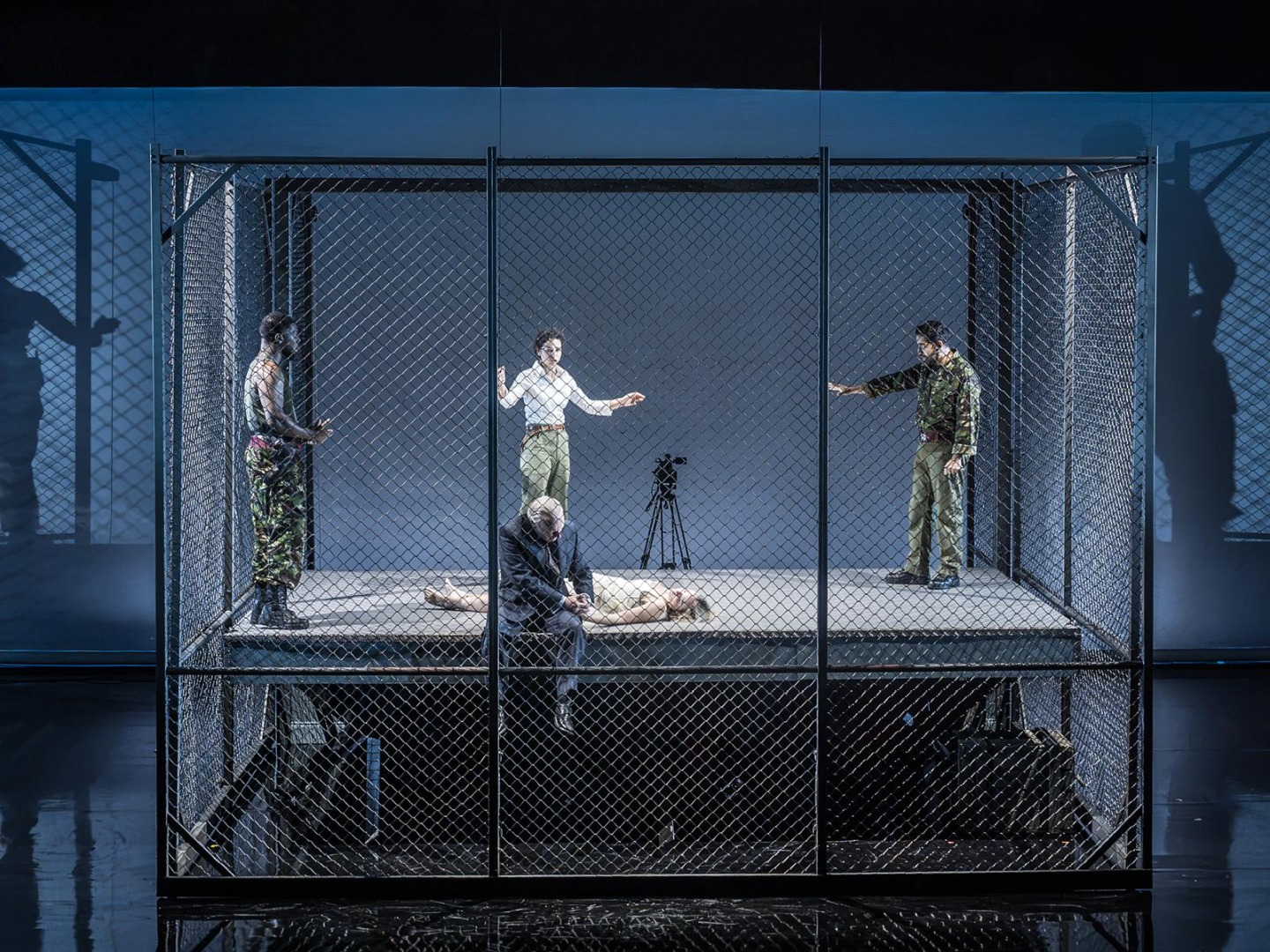
The entire cast put on a strong performance and applause should go to Phoebe Smyth who is enjoying her professional debut as Desdemona. Despite clever use of archive footage, overhead cameras and time stamps, the set is purposefully simplistic whilst the costumes are brilliantly detailed. We particularly enjoy the transformations throughout, where a wall drops down to become a stage upon a stage and barbed wire fences eventually form a cage as the play reaches its deadly final moments. ‘It begins with military and political crisis, but its final battlefield is a bedroom,’ says Anthony. ‘A story about nations, race and war ultimately contracts into the space between two people who once loved one another.’
Anthony hopes audiences see the characters as complicated human beings rather than cultural symbols whose meanings have already been settled, and that the play shows how catastrophe doesn’t arrive from nowhere. 'It is constructed through choices, silences, institutions and small permissions – through the moments when somebody could have interrupted the story being told but did not,’ he says. ‘More than anything, I hope audiences feel the play before they analyse it: the love that existed, the trust that is dismantled and the unbearable waste of what follows. If people leave talking about race, assimilation, masculinity, mental health and the ways grievance can be cultivated, that matters. But I also hope they leave carrying the emotional fact of the tragedy: these people might have had a future, and it is destroyed in front of us.’