Walking St Oswald's Way in its 20th Year
This year marks the 20th anniversary of St Oswald's Way. Martin Paminter, chair of St Oswald's Way Management Group, tells us what not to miss along the route


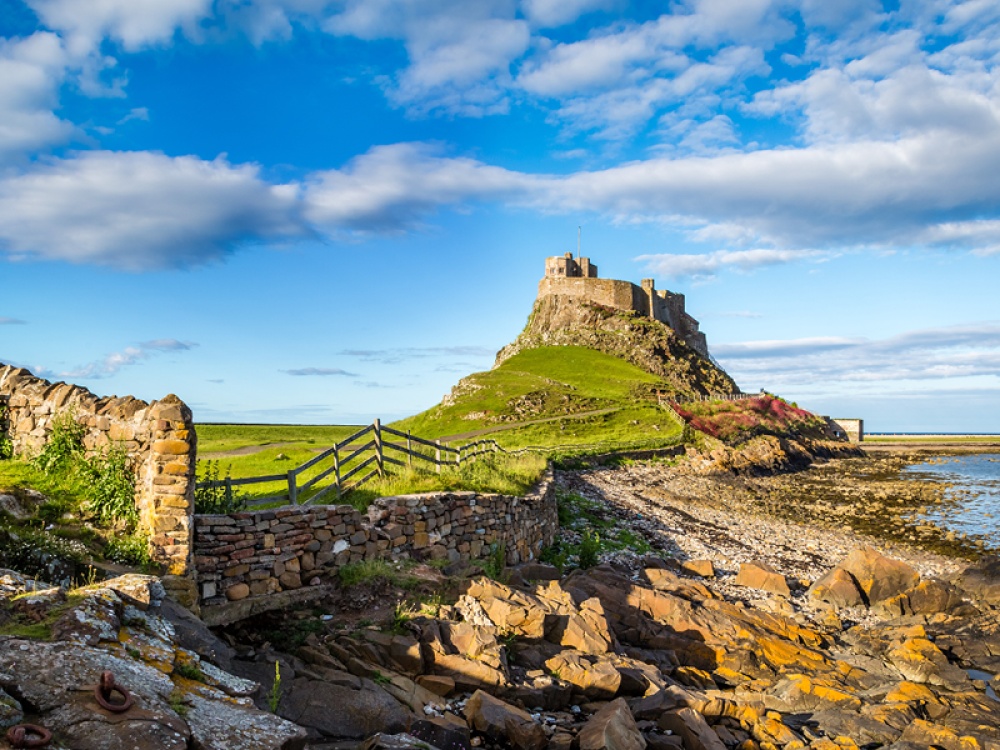
The original concept of St Oswald’s Way, named after the saint and seventh century king of Northumbria, varied in route from its final form, and was first suggested by a local vicar from the Embleton area. ‘I think he called it King Oswald’s Way originally,’ says Martin. The original points of interest on the route linked key sites associated with the life of St Oswald, including Bamburgh, an ancient stronghold of power, Heavenfield, the site of a famous victory for the king, and Lindisfarne which was given over to St Aidan as Oswald helped the spread of early Christianity.
Though the route was spiritual in origin, it was also important to make it as accessible as possible, and so the decision was made to alter its course to join some pre-existing routes in the area. ‘People were keen for the route to follow the Northumberland Coast Path, rather than having two separate routes that were parallel,’ Martin explains, who was appointed Project Officer for St Oswald’s Way in its earliest days. ‘It was just trying to find a route that was useable for everyone, so they wouldn’t have to go too far without bus services and somewhere to stay.’
‘As well as highlighting the life of St Oswald, the route was designed to be abundant in Northumberland’s beauty, both natural and manmade,’ says Martin. ‘St Oswald’s Way brings most of the exciting bits of Northumberland together and visitors to the area get to see lots of different and beautiful places, and get an overall feel for Northumberland.’
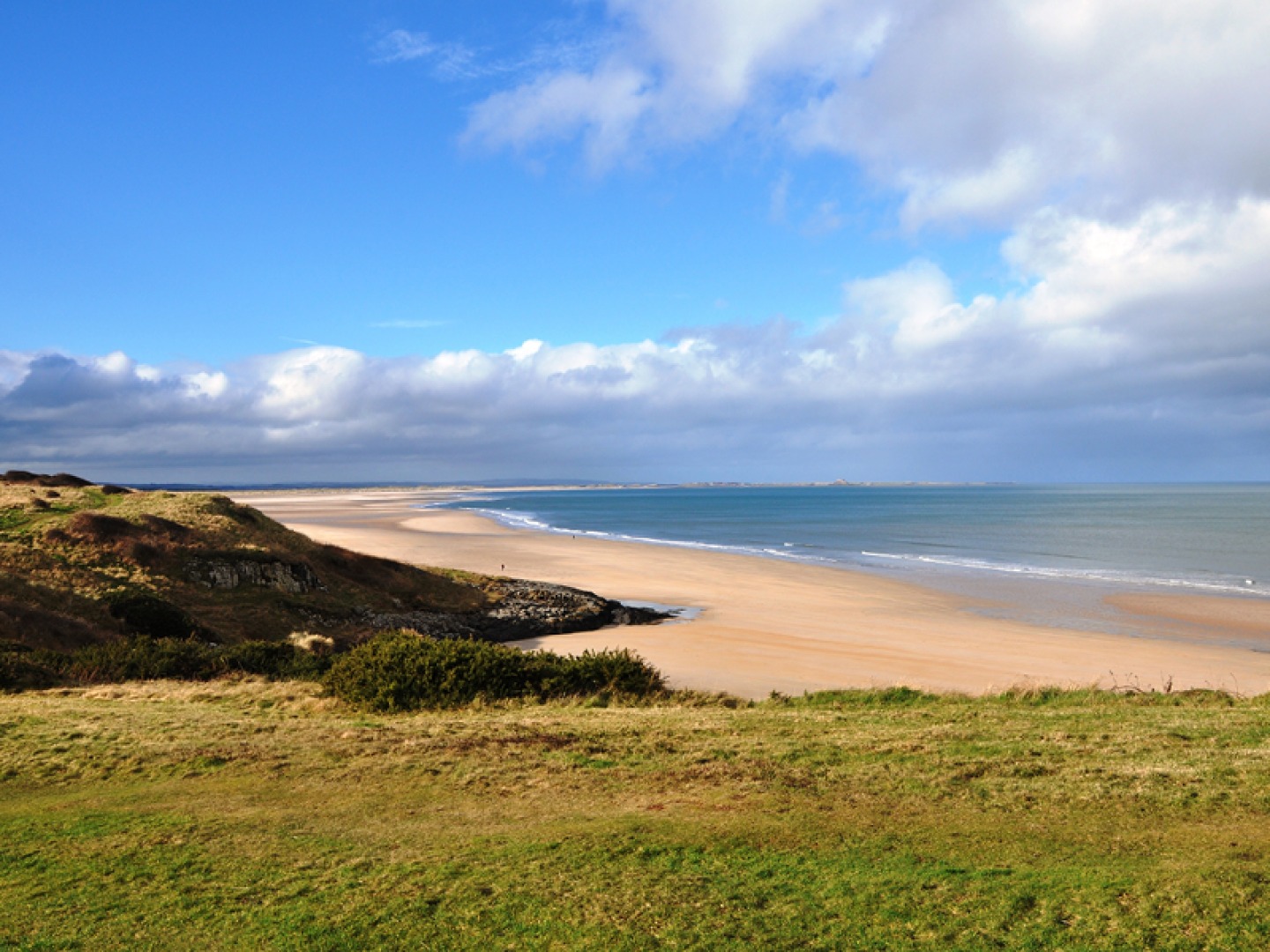
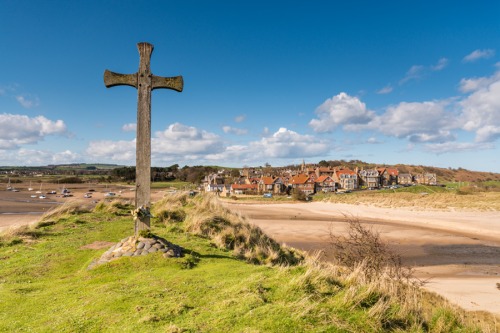
Beginning in north Northumberland, the established route is best split into sections, starting at Lindisfarne. The first and longest section covers 19 miles in total, and crosses the tidal causeway of Lindisfarne and the Lindisfarne National Nature Reserve. Walkers will also find both the Northumberland Coast Path and St Cuthbert’s Way in this area, as the route heads through Belford.
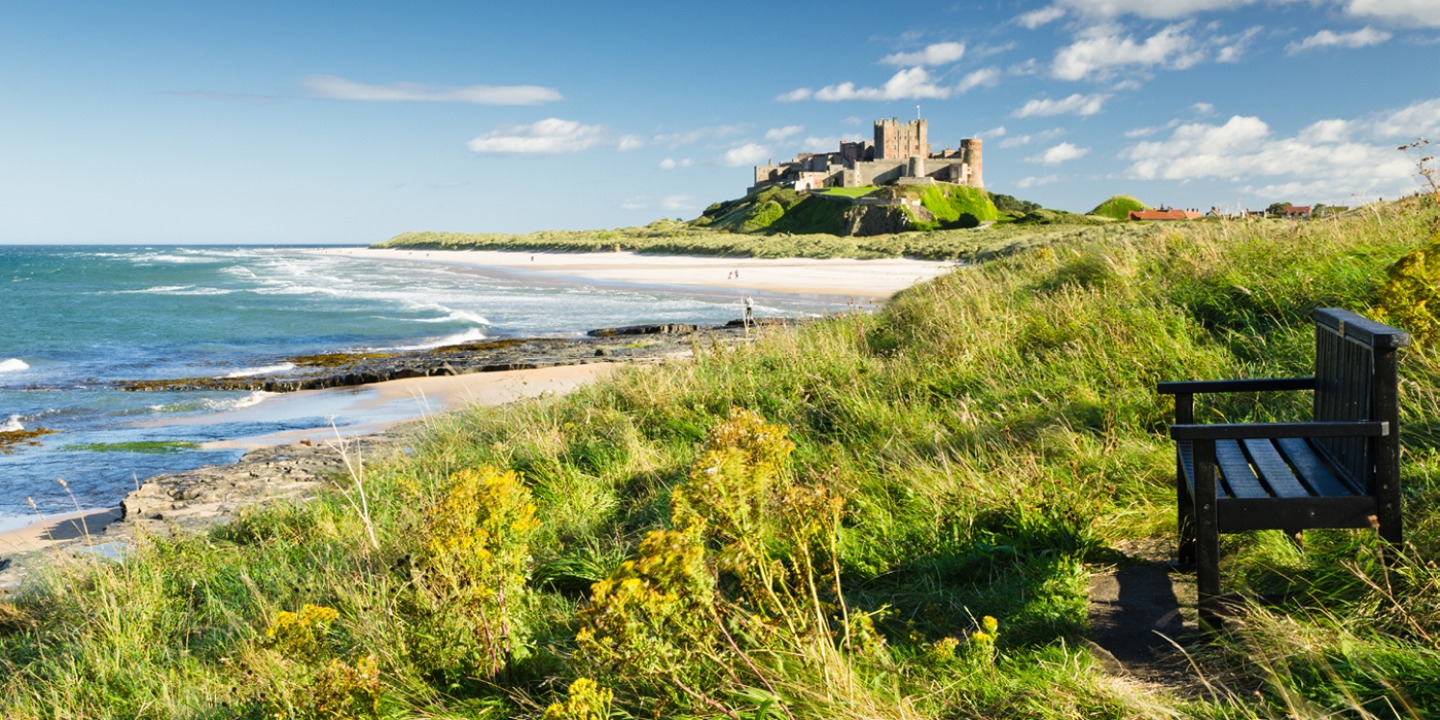
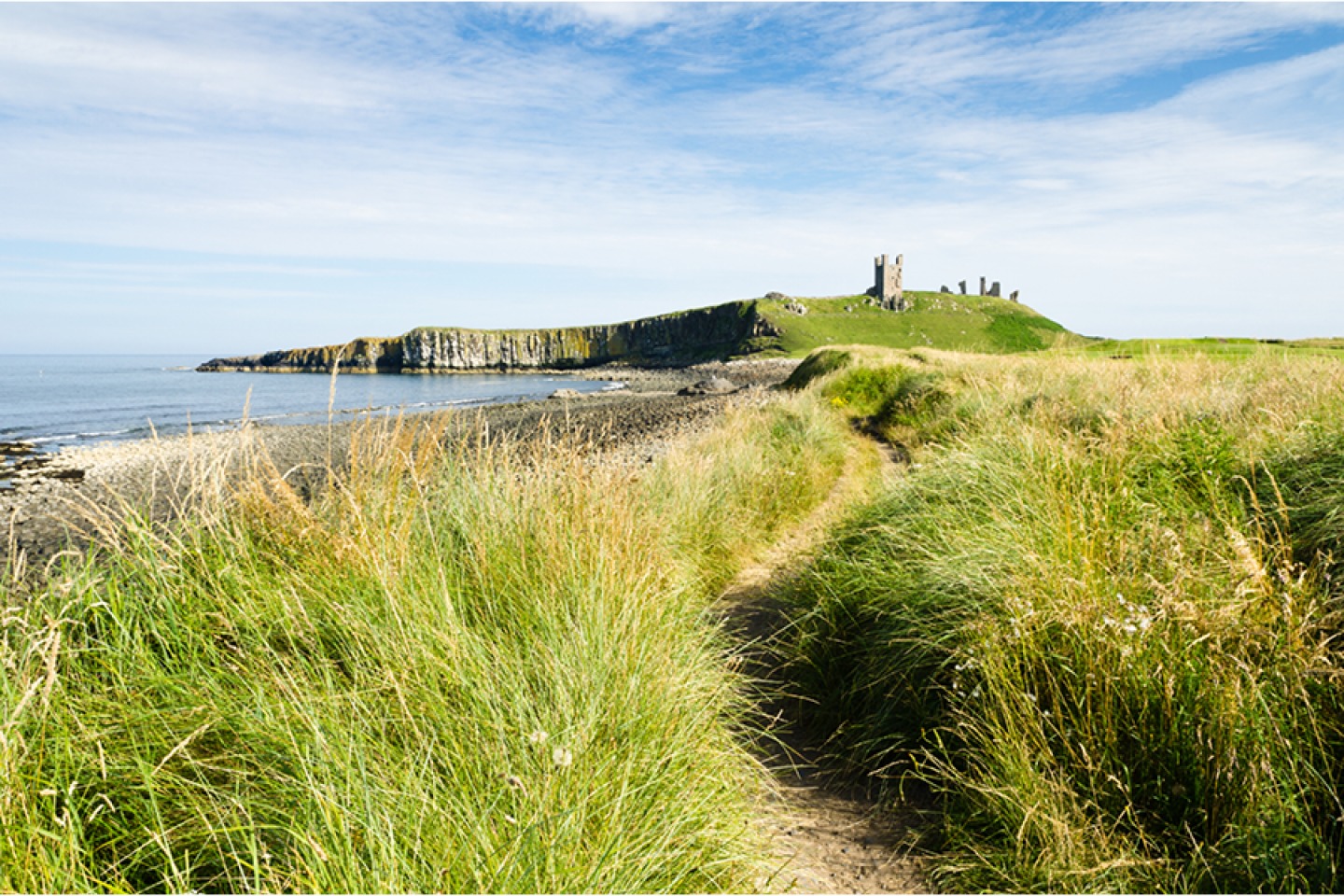
The coastal beauty of this section continues past Budle Bay to the village of Bamburgh and the iconic castle which dominates the area. The route then continues south along the coast, tracing the same path as the Northumberland Coast Path, passing Seahouses, Beadnell, Craster and the romantic ruins of Dunstanburgh Castle, before continuing on to Alnmouth. Each stopping point is packed with rich history, from L Robson & Sons famous Craster kippers which date back more than 250 years, to the violent storm of 1806 which changed the course of the River Aln at Alnmouth, cutting off the old church from the village. ‘There’s a lot of history,’ Martin says. ‘You can get a snapshot of all of Northumberland in the different places. The coast, the castles, Holy Island, Hadrian’s Wall and really nice countryside.’
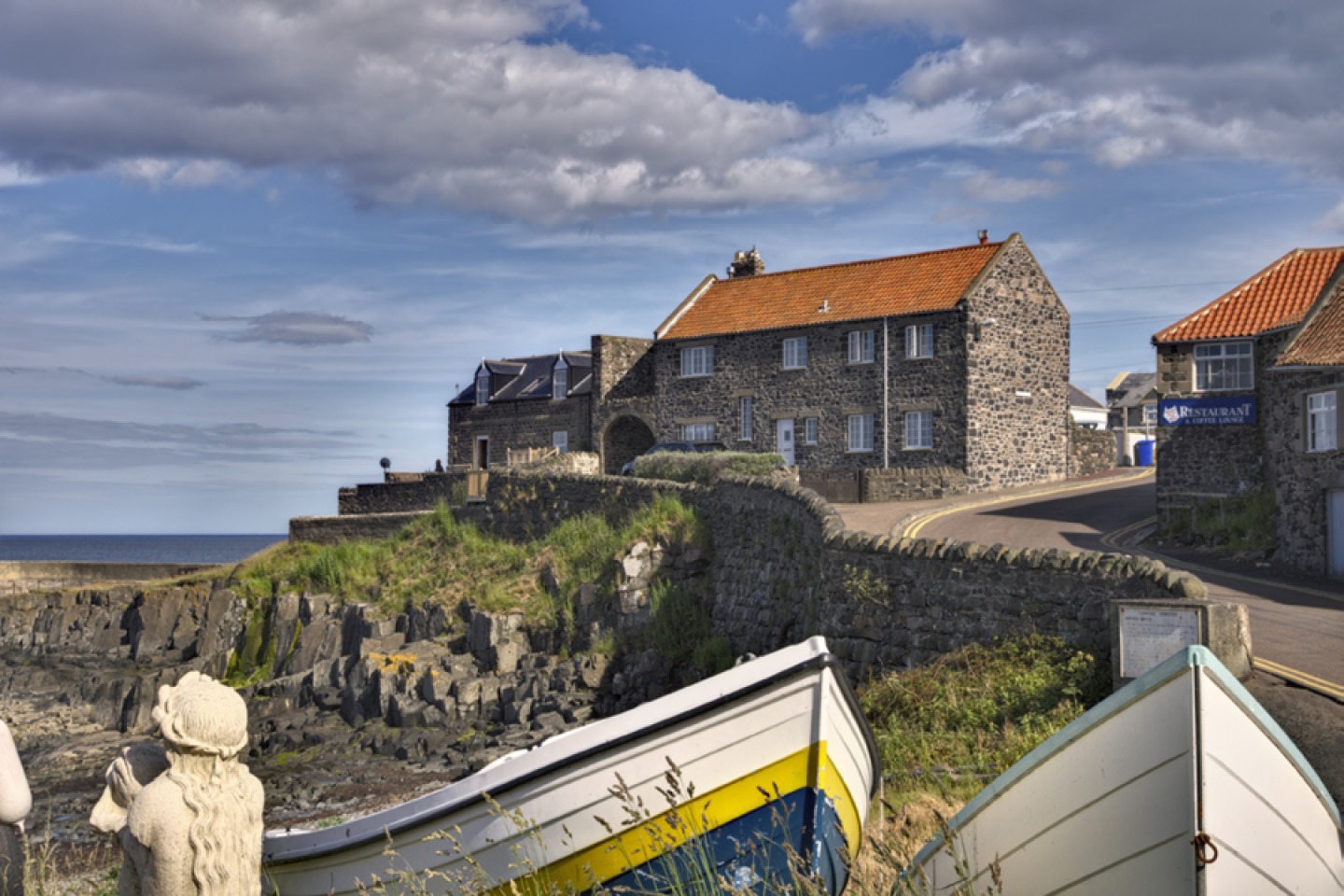
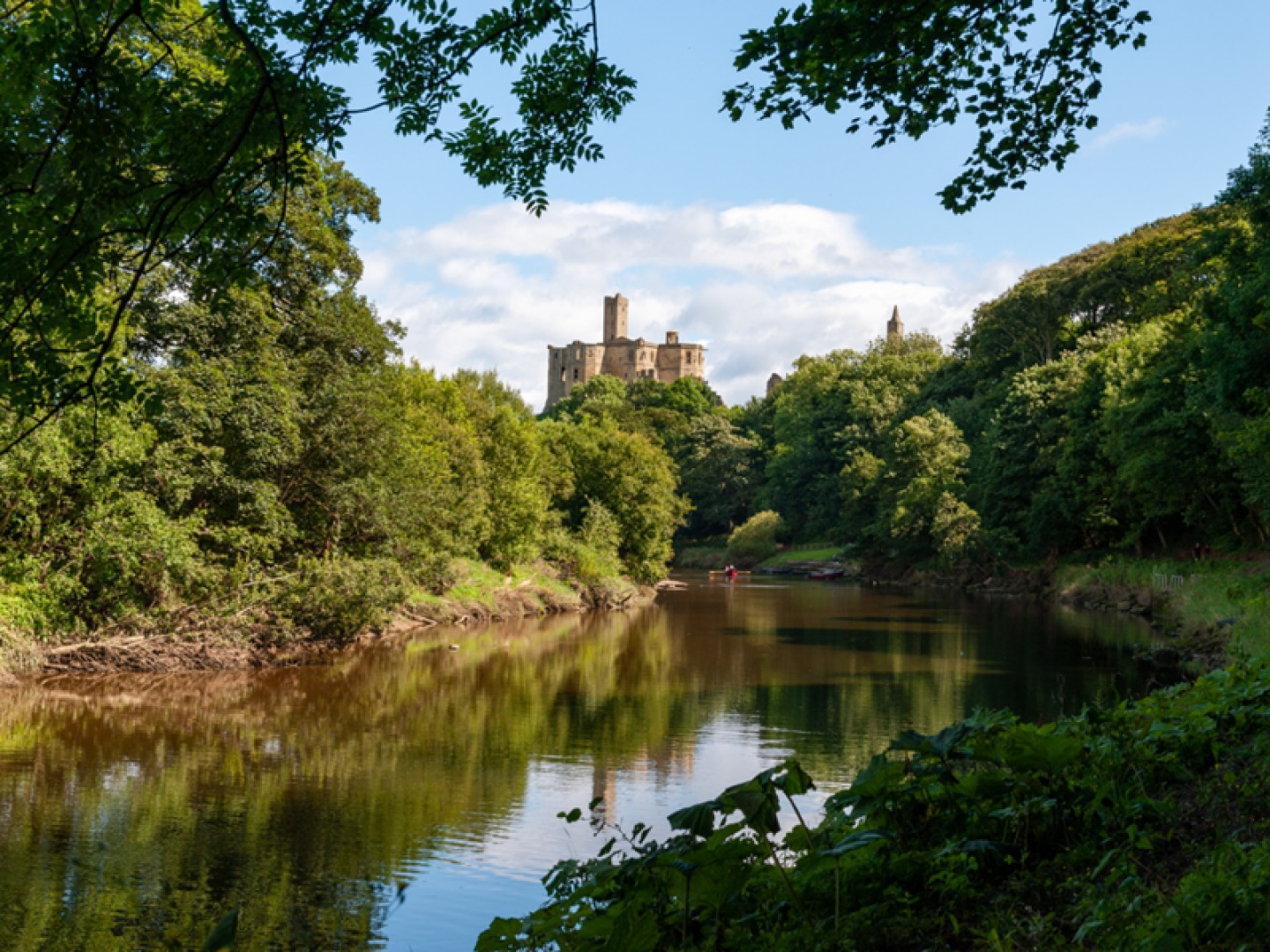
Passing around the Aln Estuary, the route then heads to the mouth of the River Coquet, following it upstream to the charming village of Warkworth with another of Northumberland’s famous castles. Here, St Oswald’s Way splits from the Northumberland Coast Path, heading inland through Felton and the Coquet Valley towards Rothbury. Managing a trail of this scale is a group effort, and Martin leads a team of volunteers who, together with other local organisations, ensure the route remains usable for walkers. ‘I’m the route manager as well,’ explains Martin. ‘I try to maintain the bit from Warkworth to Hadrian’s Wall.’ As you can imagine, maintenance of such a rich and diverse landscape is a constant, hands-on job; ‘We’re always cutting back vegetation, checking on waymarking, and keeping the place looking tidy,’ he says.
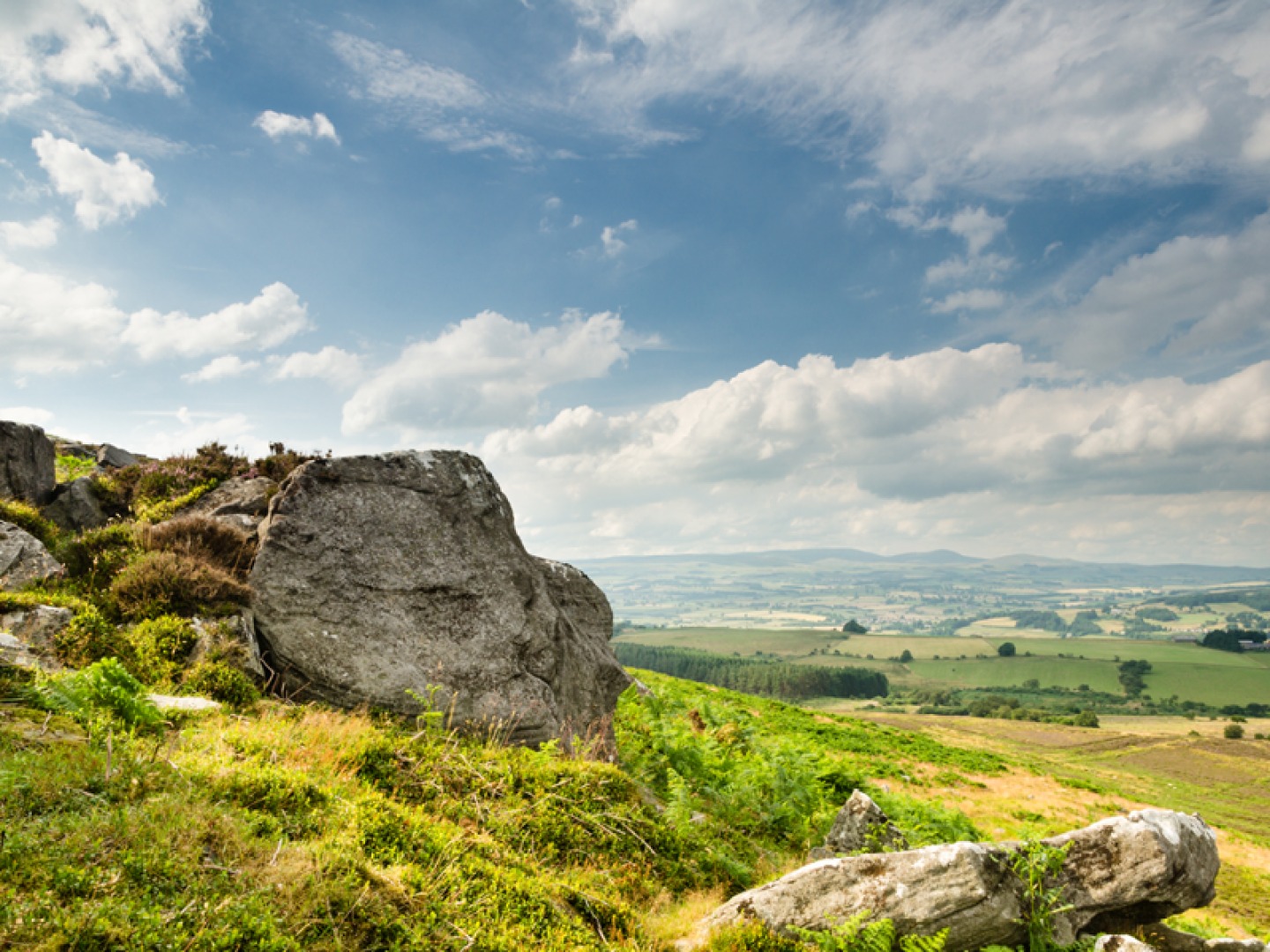
From Rothbury, the route heads south and crosses beautiful and remote countryside, including the heather-clad Simonside Hills which boast stunning views across the rolling landscape, as far as the coast in the east. Keep your eyes peeled here for the remains of an Iron Age hill fort and fascinating rock carvings at Lordenshaws. Eventually the route comes to the quiet village of Kirkwhelpington.
The final section of St Oswald’s Way crosses rolling farmland, connecting Kirkwhelpington to Heavenfield. This is one of the most remote sections of the walk, with fewer amenities available to walkers. Not far from Heavenfield, the route joins with Hadrian’s Wall Path.
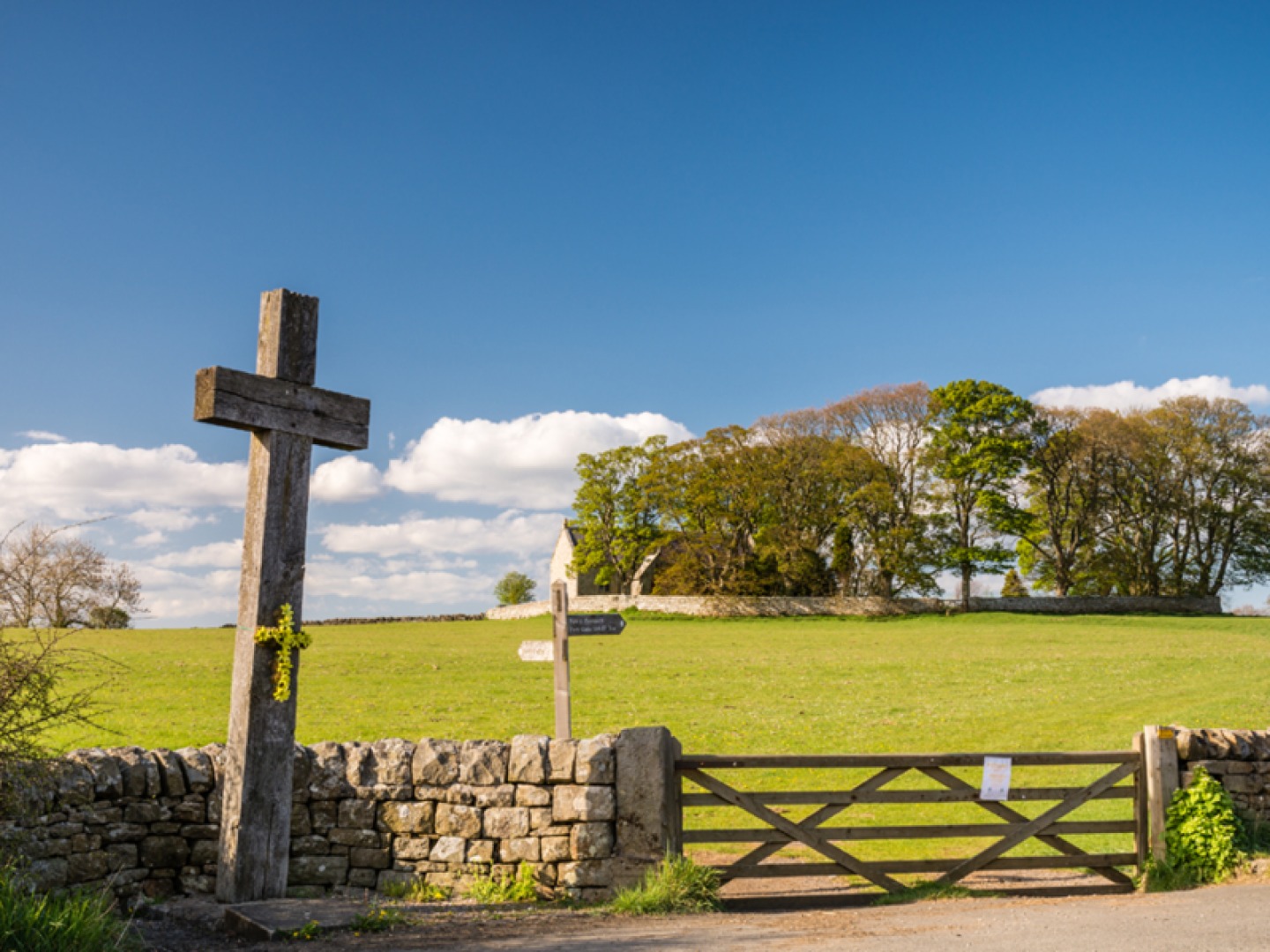
Heavenfield, the official end of the trail, has a fascinating history and is purported to be the site of Oswald’s victory against Welsh ruler Cadwallon, marked by a wooden cross and tiny church (St Oswald’s). It’s worth noting public transport options and parking are limited here, so walkers are encouraged to continue on to the nearby village of Wall, where they can enjoy a local pint at the newly refurbished Hadrian’s Hotel.
Adventure, Martin says, is a core theme that makes the route stand out. ‘There must be something there if people have gone to the trouble of creating a route!’ he says. ‘It’s a good way to get a feel for an area, and immerse yourself in the history and culture of it as much as you can.’ Martin also thinks there’s much to be said for the growing interest in modern pilgrimage. ‘The idea of pilgrimage has been coming through quite a lot recently, even for those who aren’t religious at all,’ he says. ‘[It’s about] discovery and exercise.’
At a time when new trails are appearing regularly, including the new Watch House Trail in North Tyneside, new pilgrimage trails in North Yorkshire, the completion of the King Charles III Coast Path, and the recent designation of the Coast to Coast Path as a new national trail, Martin has much simpler aspirations for the trail he has so diligently cared for. ‘I wouldn’t want it to become a national trail, but maybe it could continue to draw people to Northumberland,’ he says. ‘I hope the people of Northumberland, the local people, will go out walking and discover more about their county. It’s really just about the continuation of what we’ve got now!’
For more information on St Oswald’s Way, visit stoswaldsway.com.