The Duchess of Northumberland on The Alnwick Garden Turning 25
A positive mindset can overcome a thousand problems so it's handy that the subject of this interview has a hugely determined nature, coupled with a creative and captivating character


While The Alnwick Garden may have shown parts of its current face 25 years ago, it has remained a constantly evolving project. Significantly, as with all these projects, it required a dream and a plan, and in turn a dreamer and a planner. Thankfully, the Duchess is both of those, and unlike many projects of the day hers was not given financial support from the lottery.
‘The difference was with the Garden I could never get National Lottery funding,’ she says. ‘Even to this day to have survived when so many projects didn't is fabulous, but they just couldn't see past me.'
It's just as well Jane is made of strong stuff, and perhaps that also makes the story and the accomplishment even more noteworthy. But what was the initial driver? What was the dream? 'It was almost exactly what it is today. It was a dream to create a public garden,’ she explains. ‘It was about making somewhere beautiful that was a public space.’
Jane goes on to say, ‘I sometimes look at the number of visitors of all ages and I just know that my initial dream has absolutely become a reality, but in all honesty I didn't expect it to be at the level it is now. It's got a life of its own now and I honestly can't take credit for that.
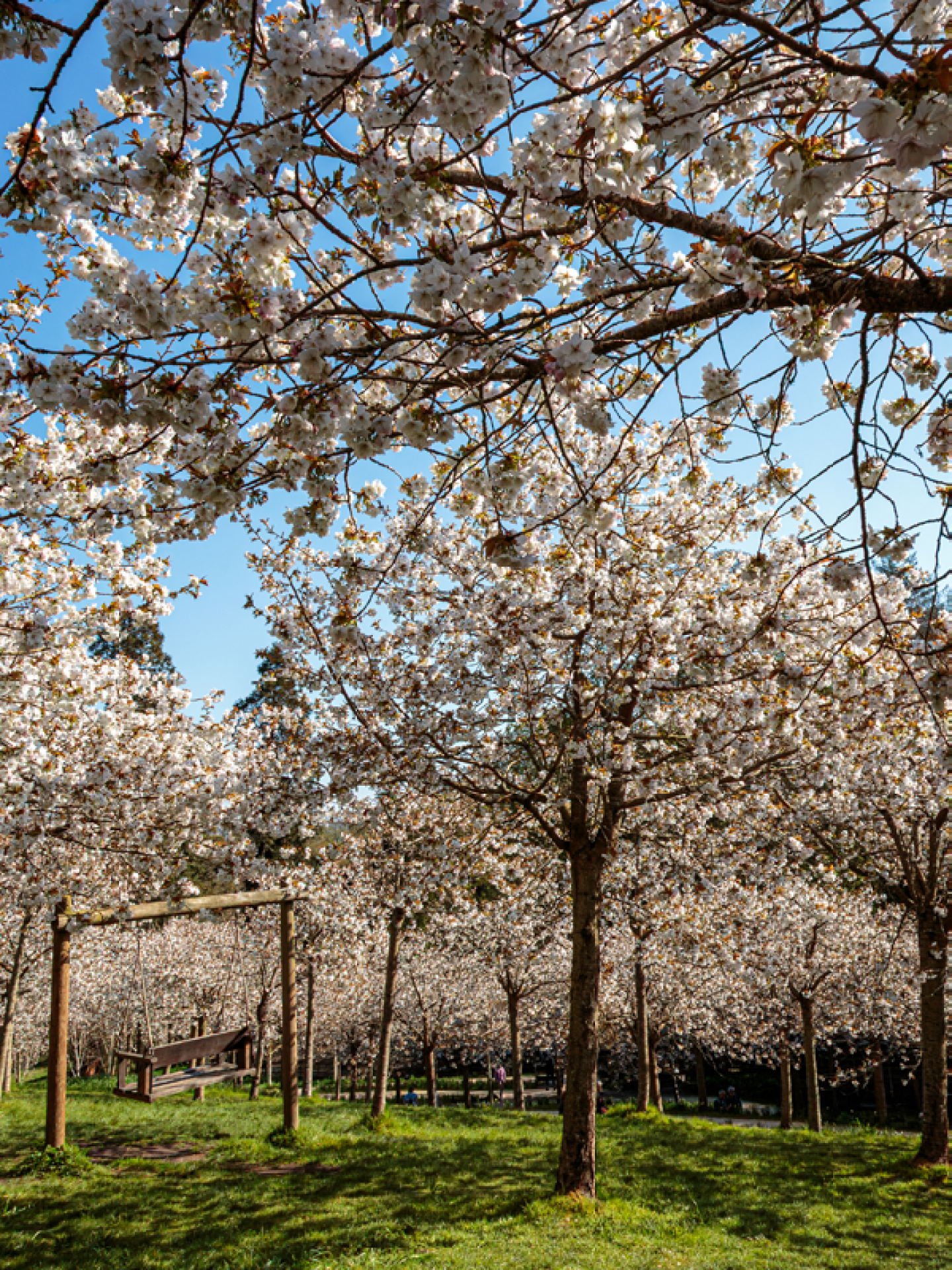
'I remember when Ian August suggested that we must start a Friends of the Garden scheme which was hugely helpful. In those early days people used to call it the Duchess’s Garden, can you imagine that now? I think it's a huge achievement that the Garden is absolutely not mine. Yes I created it, but it belongs to the users, to the community. Jane adds. ‘The most classic example is the cherry orchard. People started to write to us asking if a tree could be given over in memory of someone, and before we knew it, every tree had a name beside it and I certainly didn't plan that. I remember going to the first cherry blossom dedication ceremony, which was held at the most magical time for the Garden. I was asked to say a few words and all around me there were people in tears and I just wasn't ready for that. People came up to thank me and said “this has changed everything, I can come here and remember my son or my wife or husband”, and that's what I mean about it taking a momentum of its own, I honestly never expected that to happen but how incredible that it has.’
It's also interesting to see that the Garden is now very much a multi-faceted destination. 'It was important that we were appealing to all sections of the community,’ she explains. ‘It seemed that I was just wanting publicity when we agreed to do the cage-fighting in the Garden. But actually, what I was trying to do was to get to a demographic that's really hard to reach – teenage boys – so I asked what an average teenage boy was going to want to go to at The Alnwick Garden, and if you do something like a cage-fighting event you actually get a completely different group of people coming in. My sons went to it and they said it was incredible, and those were people who would never have gone into the Garden normally, and that was important.'
One of the most alluring parts of her character is this playful sense of ‘come on let's give it a go’, backed up by a determination that many of us lack.
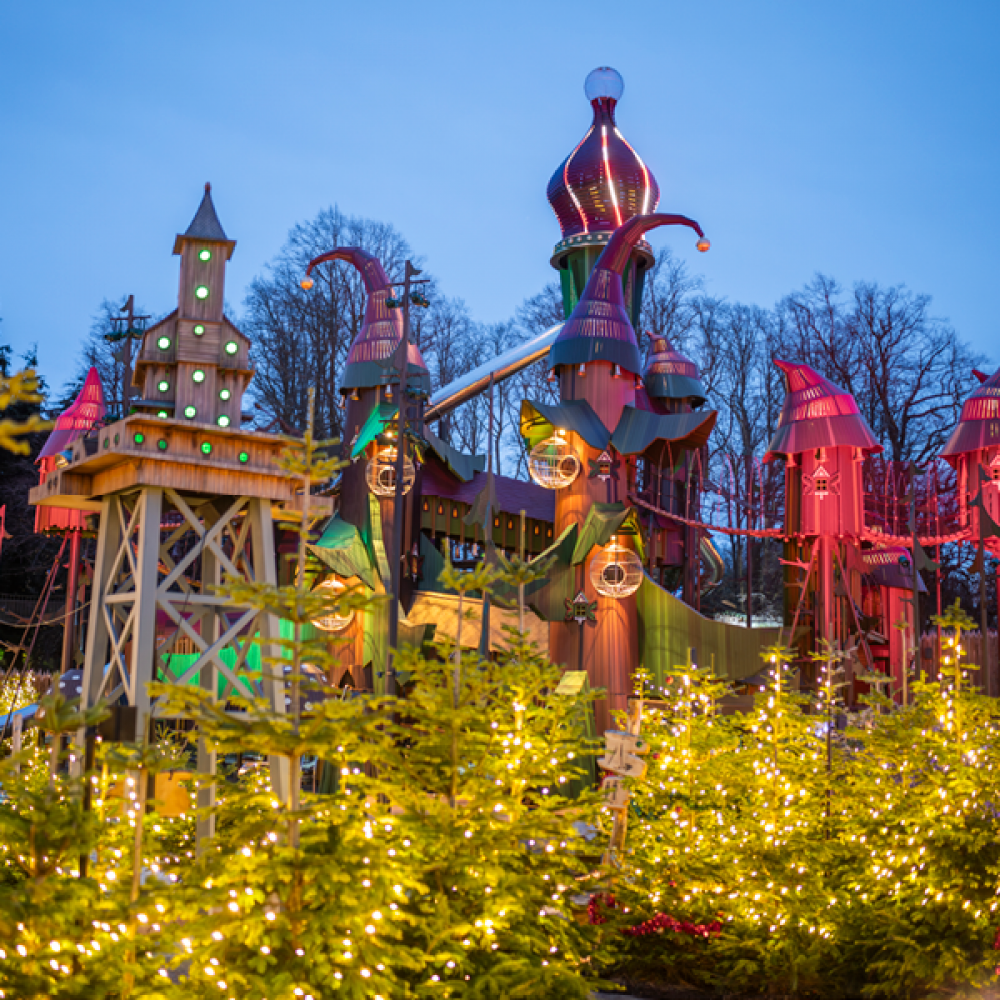
One other aspect that can't go unmentioned when assessing how the Garden’s roots have grown is seen in the tourist and tourism stats. It's generated over £400 million pounds worth of extra spend in the region to date. ‘To have achieved that is extraordinary, and now I see it growing even faster because, thanks to having an incredible garden director, the winters are now busier than the summer. We've got a big light show at Christmas as well as a big Halloween offering, and Lilidorei has obviously helped with that too.’ She mentions Lilidorei as a near afterthought but it is in fact a whole new dimension and face to the Garden itself. She continues: 'So the Garden has grown but I think this has had to happen. Before Mark arrived the Garden was doing fine until September and then we had to batten down the hatches and we’d lose money until the following Easter. We became totally dependent on Easter, but now we have a much stronger offering.'
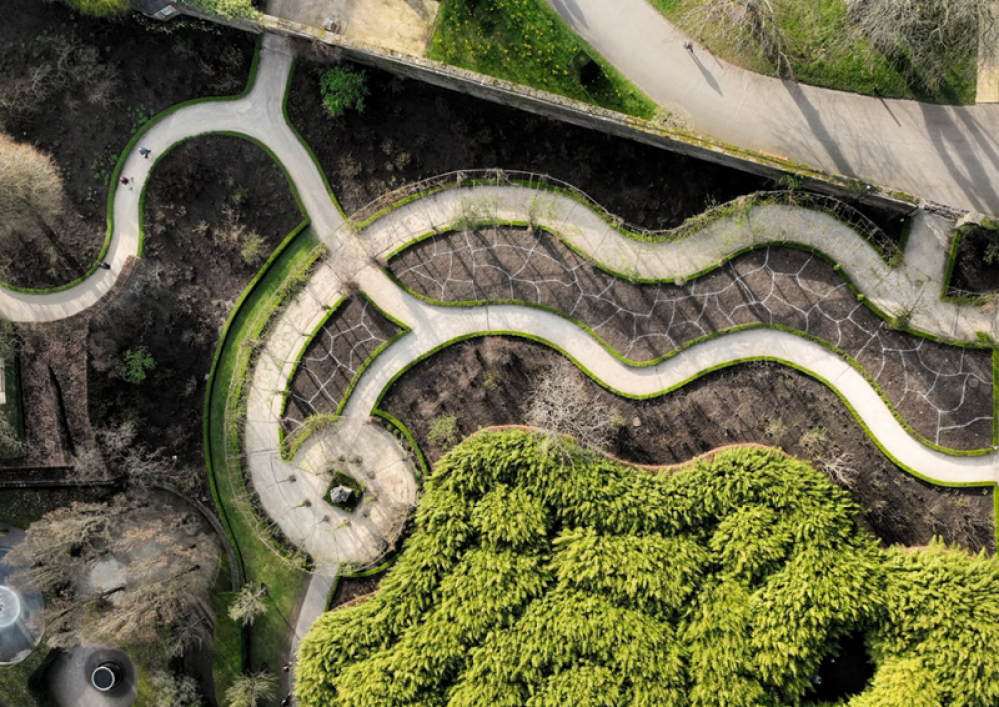
Given its success, would Jane have changed anything about The Alnwick Garden? It’s a fitting question and she answers it with certainty. 'Yes, I wouldn't have done the Pavilion,’ she admits. ‘I would 100 percent have changed that and would have gone for a far simpler design which would have fitted in far, far better, instead of trying to make a statement.'
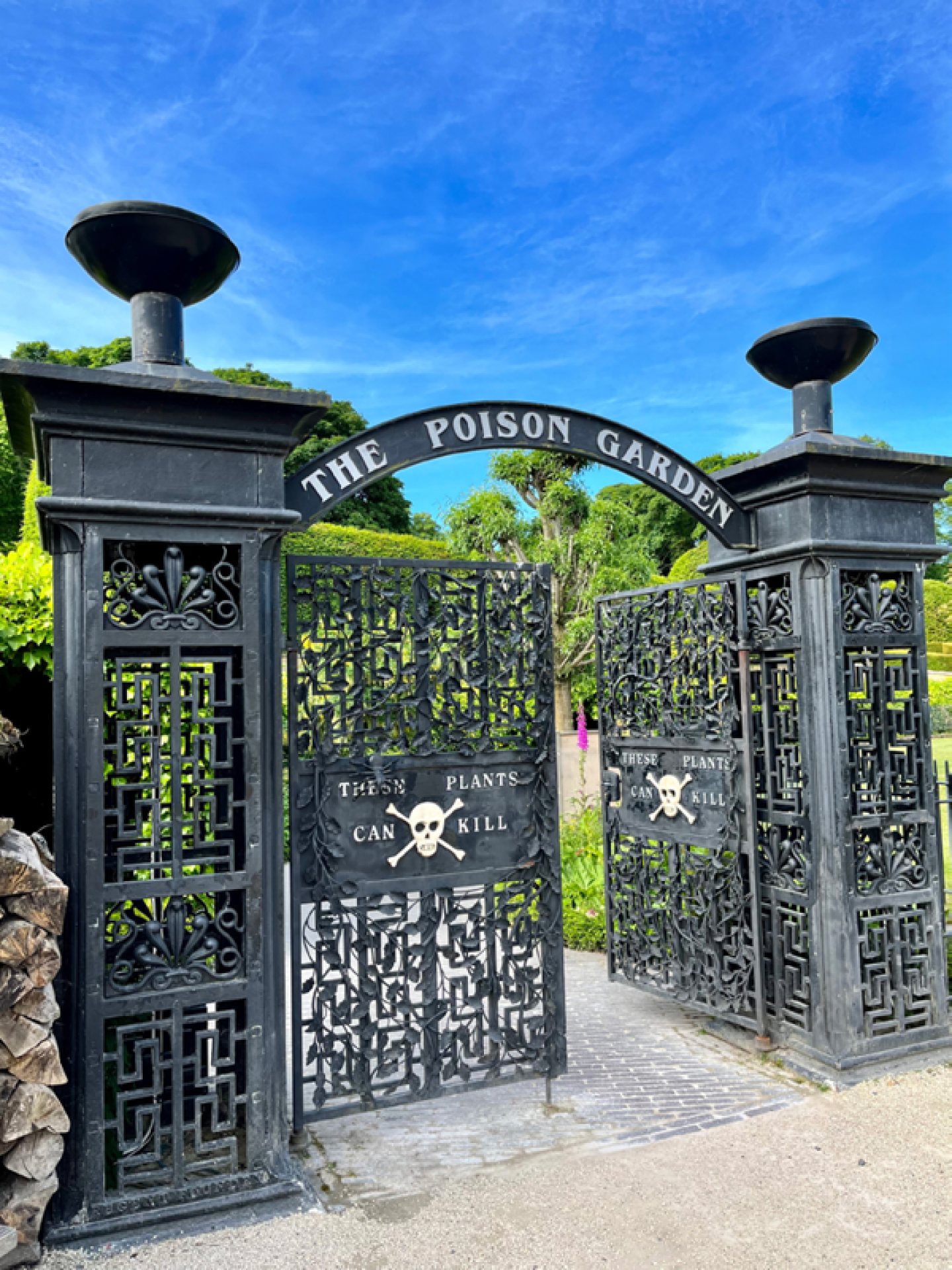
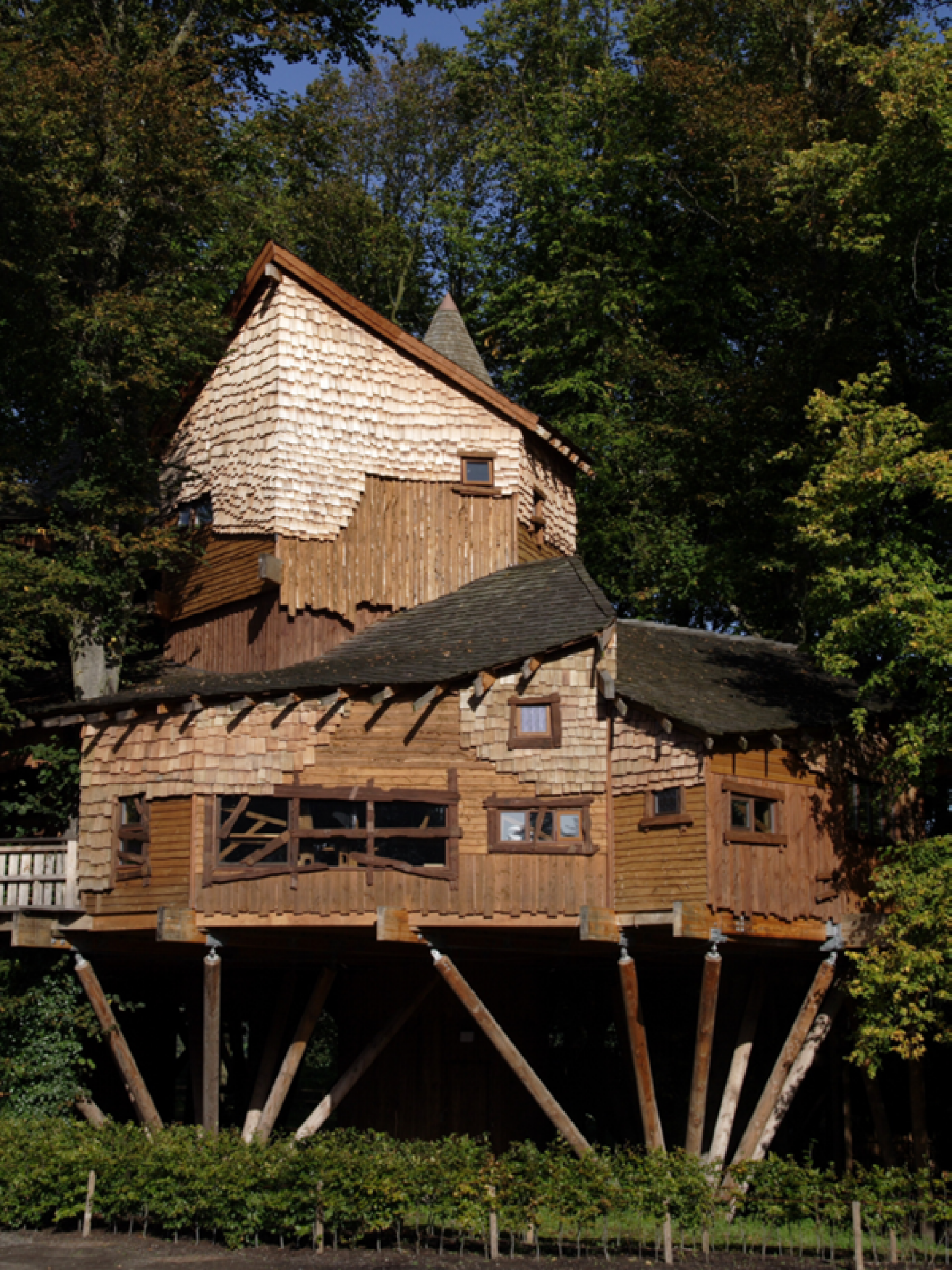
Ironically, while the Duchess clearly sees this as a project disappointment, there are other elements that also seem to frustrate. 'I would have made bits bigger,’ she continues. ‘I would have doubled the size of the Tree House. I would have put on another floor, and that's something I'll definitely look at in the future. I’d also have doubled the size of The Poison Garden. I didn't really realise how popular they would both be.’
It might be easy to think, and I suspect some people still do, that this has been her life's work. But nothing could be more wrong. Yes it's been a constant, but alongside this, the workload of her public facing role, particularly as Lord Lieutenant, would have flattened the best of us.
Along any journey on a scale such as the Garden there were bound to be bumps in the road and some of the worst were close to the start and not on account of what she was doing, but more perhaps because of who she was. 'The biggest challenge was people in the press saying things like “who does she think she is?”. They called it “The Duchess’s vanity project”, and those sort of things, and I just had to think “I'll show them”,’ she says. 'The real satisfaction was walking by the Pavilion one afternoon and watching elderly people at a tea dance and thinking to myself that this was what this was all about. There were also plenty of opportunities to help groups who simply needed support, and now I think the Garden speaks for itself and that's my satisfaction.' It's fair to say that all the charitable threads have always woven themselves seamlessly through the roots of The Alnwick Garden, and as she adds, 'are fundamental to its existence and its success’.
Today, her biggest moment of happiness might well be when the cherry blossom is at its best with everyone just enjoying its beauty. Mind you, in line with her always interesting take on life she's equally delighted when she hears of a new dangerous plant for The Poison Garden. ‘That's the paradox in me. I love the cherry blossom in full bloom, but I also love a plant like Gympie Gympie that can kill in such an agonising way!’ she laughs.
To say the woman I'm talking to is a character is something of an understatement, but there's an infectious energy about her, and frankly a steely determination to succeed. And while many at her age would be looking to slow down, the ideas just keep coming and, if anything, are becoming even more enigmatic and vivacious. Following on from the incredibly successful launch of her Lilidorei 'play-park' and the book that followed it last autumn, it appears her characters are getting ever more vibrant and have taken on a momentum of their own. ‘The spores from mushrooms blow to all corners of the globe and new Lilidoreis begin to sprout,' Jane says with relish. ‘And now I have meetings to talk about building other Lilidoreis in different countries around the world.’
I contemplate what she's saying… it's a grand plan but who would back against her? As she said 25 years ago 'I'll show them' – and she did.
Today, the importance of the gardens is not lost on her, they are after all a huge part of her life and the importance of them in other people's lives is paramount as well. 'If I was still a young mum with children I would absolutely want to get them out into the fresh air here,’ she adds. She's not lecturing, and her other life's work in the charity sector makes her hugely qualified to talk on many aspects of life. No, what the Duchess is doing is celebrating life at its simplest. ‘Green spaces are so important for your soul. But I'm also interested in the Elderberries. It’s so easy to do things for children, but it's equally easy to forget about older people, and loneliness and isolation, and I think places such as ours should be rolled out,’ she says.
Once again Jane talks with a rare energy and spirit but in thanking the Halbert family, who made the Elderberries project possible, she also remembers those who have helped along the way and there have been many. What's more, while the end product today is vast, the journey has been long, she admits. 'When there were hard times, and there were some really hard times, what made the difference was other people helping. I can think of three examples when without other people's kindness I couldn't have done what I've done.’
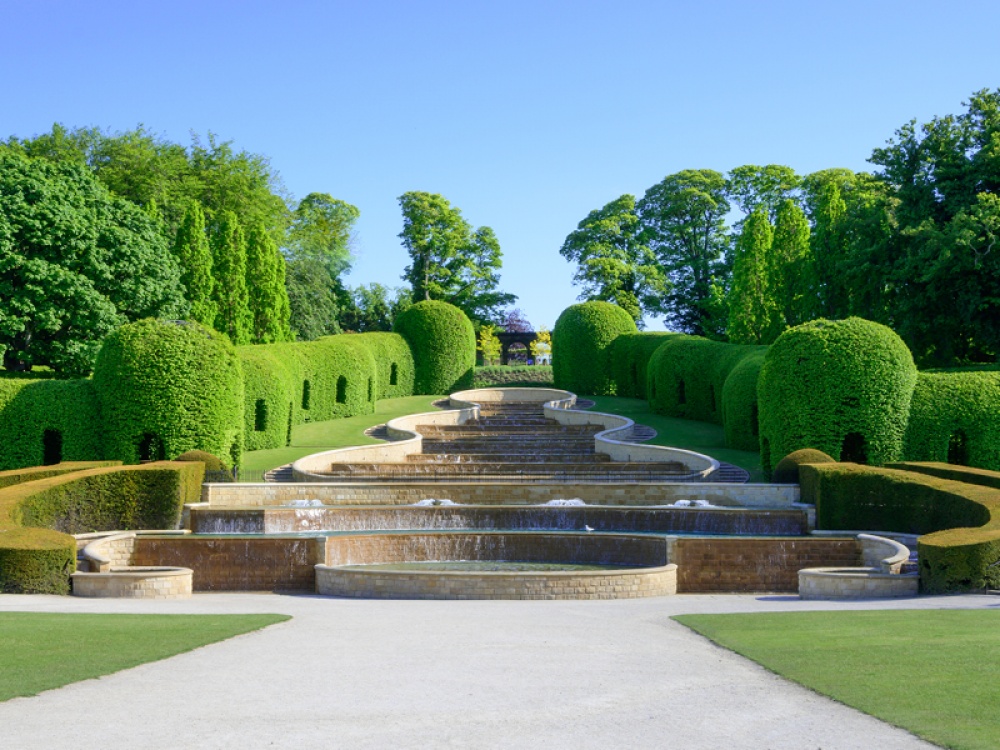
In the building and design of the garden she was at pains not to follow others. Standardisation was not a soulmate of her creative spirit she might say, which is why many of the Garden's features are unique. But despite this, or perhaps in spite of it, there’s a sense that things can’t stand still. 'The cascade fountain was so important, but in my dreams it needs an overhaul. Technology has moved on so much in the last 25 years after all.'
I sense more plans, more ideas, and yes more dreams are afoot and it seems that this is a story to be continued.