

What to Do in the Garden in February

Living North's gardening expert Ross Pearson shares his advice on what needs to be done in the garden this month


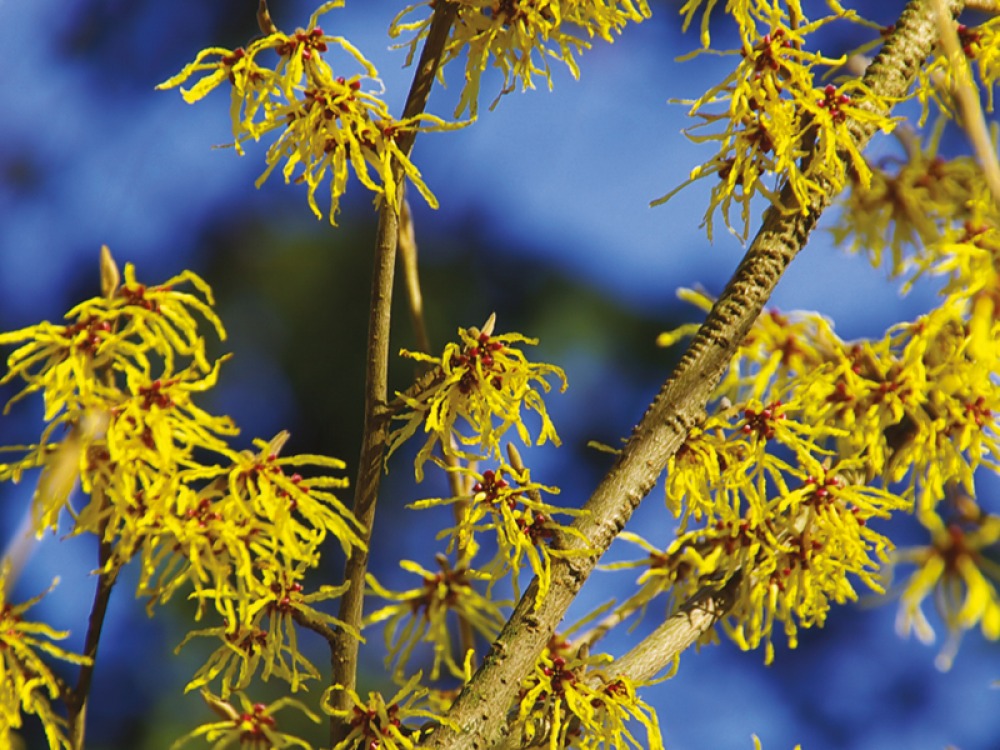
Witch Hazel (Hamamelis)
There is a point in late winter when Witch Hazel steps into the spotlight and completely steals the show. And boy does it do it in style! In February, the entire garden seems asleep or sulking. Then suddenly, there it is. A tangle of slender branches adorned with strange ribbon-like petals that shimmer in the cold. They look like tiny explosions of citrus and flame. If a firework had a botanical cousin, this would be it.
The scent is extraordinary. It drifts in gentle waves, subtle, spicy and intriguing. The sort of fragrance you notice only after you have wandered past and then immediately turn back to investigate. The colours range from lemon to clove orange to deep mahogany. Some varieties glow like embers while others sparkle as if dusted with frost. Even the spent flowers remain interesting as they curl and twist like a drawer full of unravelled ribbons.
Planting
Give Witch Hazel a generous spot where it has space to grow into its own slightly eccentric shape. It prefers acidic soil with plenty of organic matter. Good drainage is essential because sulking is a genuine danger. Partial shade works well although morning sun can intensify the colours. Plant it where you will walk past in winter because that is when it does its finest work.
Care
Pruning is rarely needed. Witch Hazel dislikes fuss. Remove only dead or confused branches after flowering. Feed in spring and mulch around the base to retain moisture. Leave the plant alone otherwise. It knows what it is doing.
Cut Back Ornamental Grasses
By February, most ornamental grasses carry the sagging posture of things that have survived winter by pure stubbornness; wind battered, floppy and slightly tragic. Now is the moment to restore dignity. Cut them down close to the base and reveal the fresh new blades waiting to surge forward. There is something deeply satisfying about watching a bedraggled clump become neat and hopeful in a matter of minutes.
Prune Late Flowering Clematis
These clematis varieties flower on new growth so they can take a proper prune. Cut them back to low buds and you will be rewarded with vigorous growth later. It feels a little brutal, but February encourages decisive action. Just make sure you are cutting back the right group of clematis, group three, or you’re in trouble!
Wake Up the Soil
Even though it feels arctic, the soil begins to stir in February. It appreciates a bit of attention. Spread compost across borders and gently fork it through. The worms will do most of the work, you only need to provide encouragement. It is amazing how different a garden feels after the soil has been refreshed – as if someone has changed the bedsheets.
Tidy Evergreen Shrubs
Many evergreens look like they made poor lifestyle choices over winter. Give them a light trim to restore shape. Nothing too radical, just tidy the edges so they look confident again. This simple chore slightly restores order to a garden still half asleep.
Deal With Winter Debris
Branches fall, leaves accumulate in odd corners and old seed heads collapse like a knackered pooch after a long walk. February is a good moment to collect all this debris. Not with ruthless tidiness but simply to stop it smothering the brave new shoots emerging below. A small tidy makes the whole garden feel as though it can breathe again.
Observe the First Signs of Life
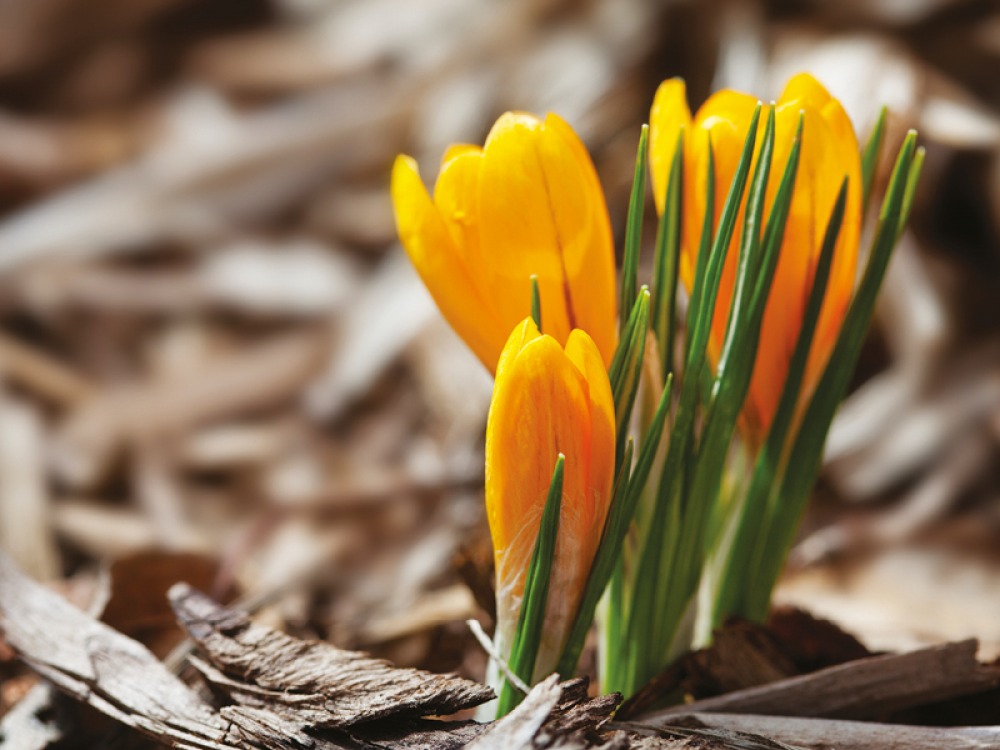
This isn’t a chore, it’s a pleasure. Wander through the garden and inspect the soil for the earliest hints of life; crocus tips, iris reticulata blooms, buds swelling on magnolias. Do not rush. Notice everything. February rewards quiet curiosity.
Prepare Beds for Spring
The soil may still feel unpleasantly icy but the allotment benefits from early preparation. Remove weeds before they gain momentum. Rake the surface lightly. Add compost generously. Stand back and admire your efforts. You will feel industrious and forward thinking even if you did very little.
Plant Early Potatoes in Bags Indoors
If you have a bright porch or cold conservatory, place seed potatoes in bags of compost to get an early start. They will not race away but they will enjoy the sheltered conditions. Later you can move them outside and impress visitors with your ridiculously early crop. It feels faintly magical in a modest sort of way.
Sow Broad Beans Outdoors
Broad beans are sturdy fellows and quite willing to start life in February. Sow them directly into the soil in double rows. Cover with netting if pigeons prowl your patch. Nothing attracts pigeons quite like fresh planting – it’s their version of an invitation.
Start Sweet Peas Indoors
Sweet peas are slow starters with ambitions for world domination by midsummer. Sow them now in deep pots or recycled cardboard tubes. Keep them cool and bright. They will grow into strong seedlings that climb with exuberant joy in the warmer months.
Check Supports and Structures
Before everything becomes lively again, inspect canes, nets, frames and arches. Winter storms have no respect for human construction. Replace anything that looks tired or wobbly. It will save a surprising amount of frustration later.
Plan Your Crop Rotation
Now is the time to map out what will grow where. Not in a rigid or overly mathematical way. Simply consider which beds had potatoes last year or brassicas or peas. Rotate sensibly to keep the soil healthy and pests confused.
Tidy Paths and Edges
A quick trim or tidy along the paths transforms the entire allotment from sad winter dormancy to something with potential. It takes little time but has enormous visual impact. Also, it prevents the romantic spring walk from becoming a swampy obstacle course.
Check Fruit Bushes and Canes
Raspberries, currants and gooseberries appreciate attention. Remove damaged wood. Tie in loose stems. Feed the base with compost. These small acts of kindness in February lead to generous crops in summer. Plants remember.
February in the North has a special way of testing a gardener’s spirit. The wind arrives at the front door before you do. The cold sneaks into your socks no matter how determined you are. The rain comes at you sideways as if it has a personal grudge. Even the bins look fed up. My own garden would be a lovely sight if our ducks had not spent the winter stomping araound and eating anything that dared look alive until the whole place resembled a deluxe spa treatment made entirely of mud. It is all wonderfully theatrical in a grim sort of way.
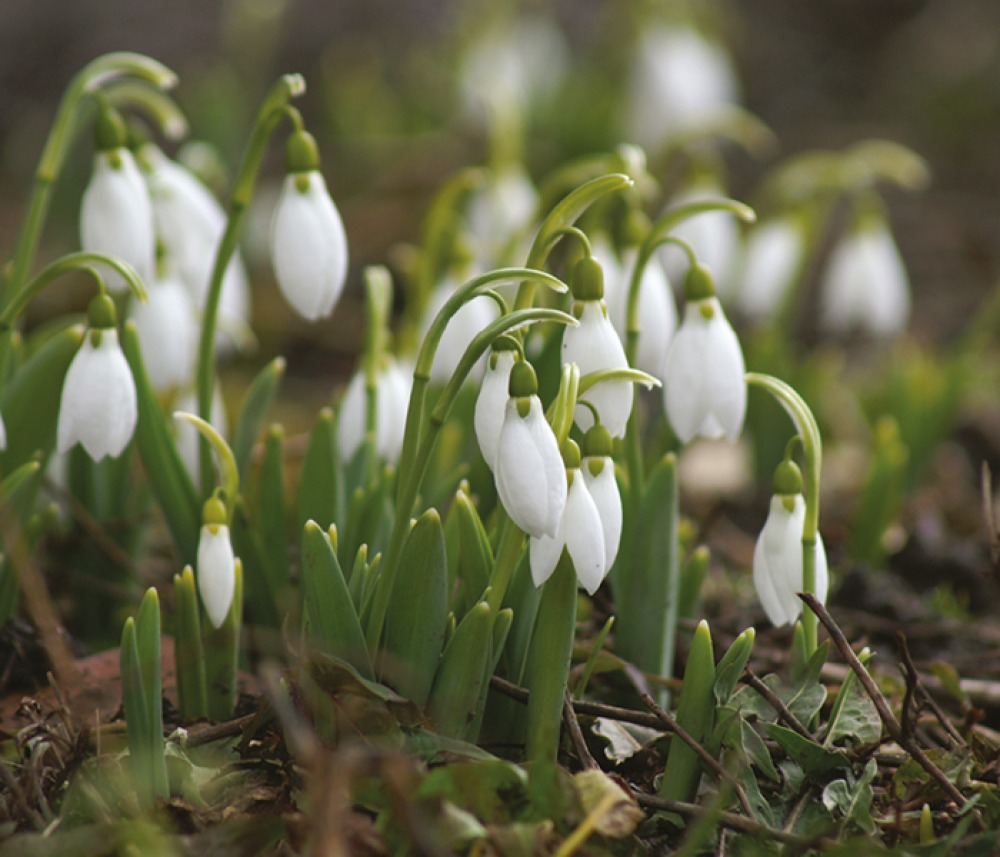
And yet the moment I start muttering about moving to a warmer country, something small and brilliant appears. A snowdrop. A tiny leaf. A bud so determined it looks ready to shout encouragement. It happens every year and every year it catches me off guard. One minute I am considering hibernation and the next I am rummaging for my boots because something exciting might be happening out there.
This is the charm of February. It keeps you guessing. It gives you just enough hope to stop you selling your gardening tools and taking up indoor hobbies. So here is my advice for the month: Keep watching. Keep laughing. And trust that even in a Northern gale, your garden is quietly working on its comeback.
Garden writer, and lecturer of horticulture and outdoor education leader in Morpeth, Ross has won seven RHS Gold Medal awards to date.