What to Do in the Garden in November
Living North's gardening expert Ross Pearson shares his advice on what needs to be done in the garden as November looms


This is the month when the garden becomes properly autumnal. The trees are rapidly emptying their wardrobes, the paths are covered in leaves and every outdoor surface seems determined to become slippery. You step outside in perfectly sensible footwear and within 30 seconds discover that the lawn has developed the consistency of soup.
And yet, I rather enjoy the whole miserable spectacle. There is something satisfying about seeing the garden stripped back to its essentials. You notice the things that usually disappear behind summer growth: the shape of a tree, an old wall, the ridiculous bend in a path you have been meaning to straighten for years. It gives you a much better idea of what you’ve actually created, although occasionally it also reveals a few decisions you would rather have remained hidden until spring.
The light disappears early, the evenings stretch out and there is a definite temptation to spend the entire month indoors pretending that gardening magazines count as practical experience. November is also the month when gardeners begin to discover just how many things they have accumulated over the summer, from pots, labels, lengths of string and a half a packet of something you cannot identify, to a mysterious plastic tray that clearly belongs to something but nobody can remember what. And approximately 14 pairs of gloves, none of which appear to be a matching pair.
The shed becomes an archaeological dig. You start looking for something simple and 20 minutes later you are standing in the doorway holding a rusty plant support and wondering whether it has sentimental value, just to avoid throwing anything away.
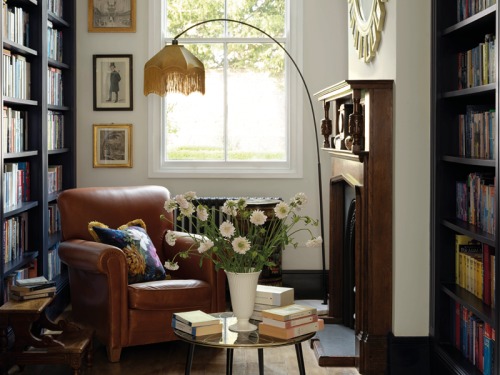
This is also the month when I become increasingly interested in gardens that can be enjoyed from indoors. There is a lot to be said for looking through a window at the weather while remaining completely dry. A robin hopping across a lawn suddenly becomes entertainment. Rain running down the glass becomes atmospheric. A particularly dramatic gust of wind becomes somebody else’s problem.
But November isn’t all retreat; there are wonderful things happening outside. The last leaves cling stubbornly to branches. Seed heads catch the light. Winter flowering plants begin to make their presence known. Berries glow against bare branches and the first proper frosts can turn an ordinary garden into something quite spectacular. There is plenty to look at if you slow down enough to notice it.
And then there is the smell. Wet earth, leaves, wood smoke, the unmistakable scent of a garden settling down for winter; November may be cold, muddy and occasionally ridiculous, but it has personality. And frankly, I would rather have that than a garden that behaved itself.
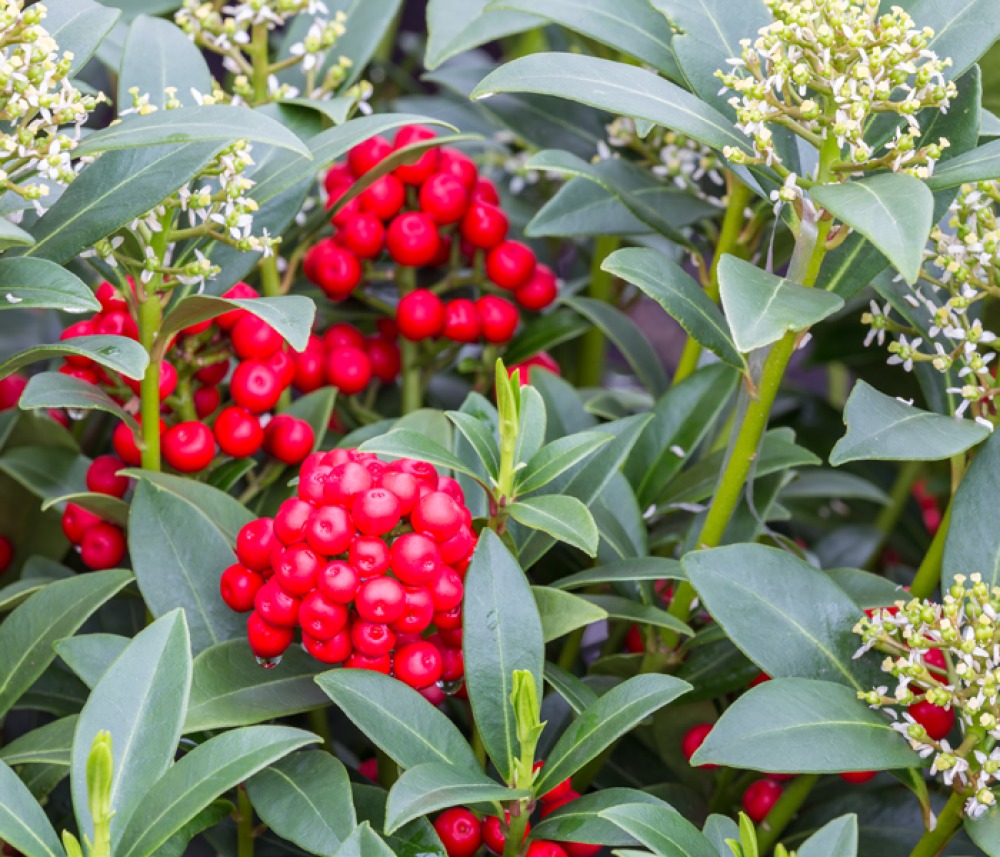
Skimmia
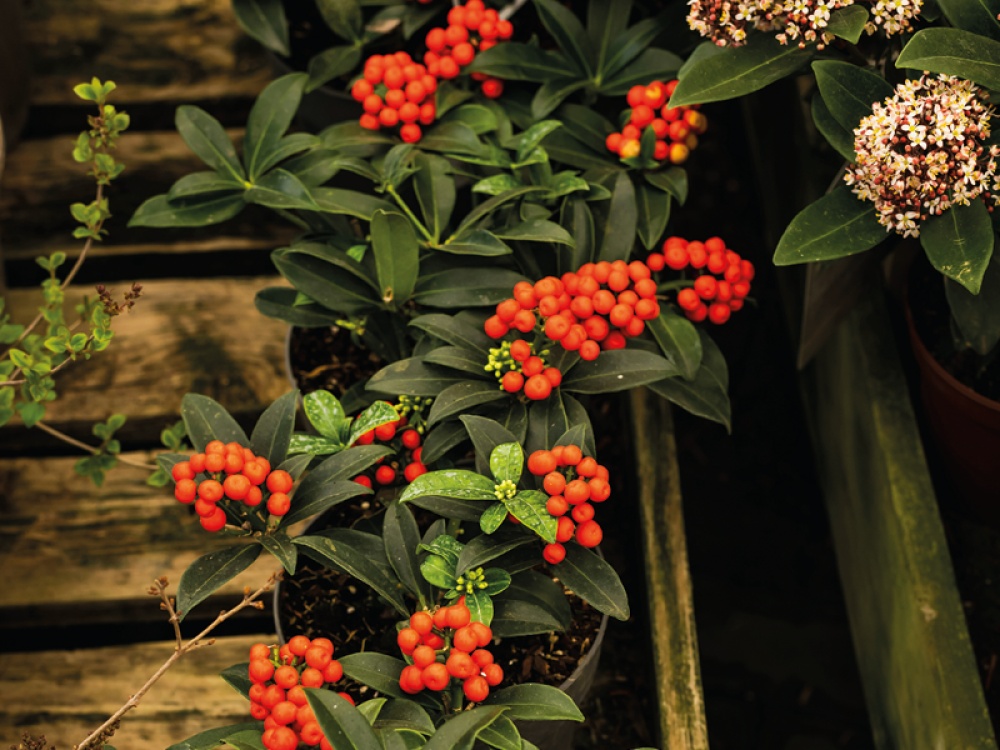
If November were a person, I think it would be Skimmia. Quietly attractive, dependable and completely unfazed by the weather. Skimmia does not demand attention, it simply sits there looking handsome while everything around it starts losing leaves and generally falling apart.
The evergreen foliage provides welcome structure when borders begin looking increasingly skeletal, while the clusters of berries bring colour just when you need it. Some varieties produce white flowers in spring followed by berries later, while others are grown primarily for their glossy foliage and winter interest. It is also wonderfully useful in smaller gardens and containers.
Planting
Skimmia prefers partial or full shade and a sheltered position. It likes moisture retentive soil that drains well and will particularly appreciate an addition of organic matter when planted.
Care
Keep the soil reasonably moist during dry periods and give plants in containers an occasional feed during the growing season. Avoid excessive pruning. Skimmia has a naturally neat shape and knows what it’s doing. Frankly, we could all learn something from it.
Plant Winter Bedding
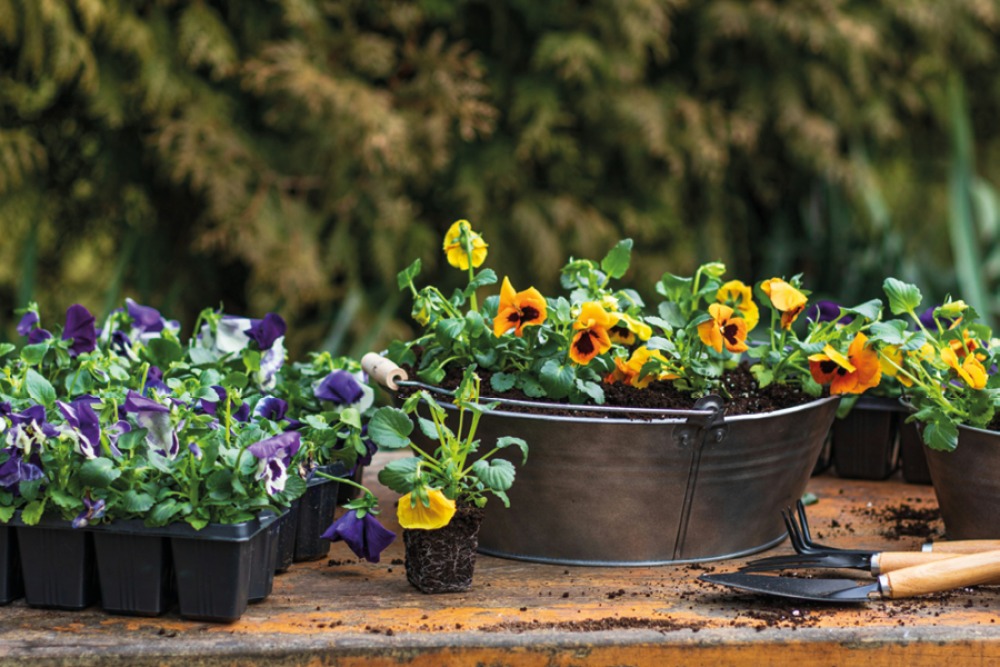
November is a good opportunity to introduce plants that will keep containers and borders looking cheerful during the colder months. Violas, pansies, cyclamen and ornamental grasses can all provide colour and texture when summer has packed its bags. Nothing is more satisfying than planting a container now and knowing it will still look good when the rest of the garden is looking slightly confused.
Clean Out the Bird Boxes
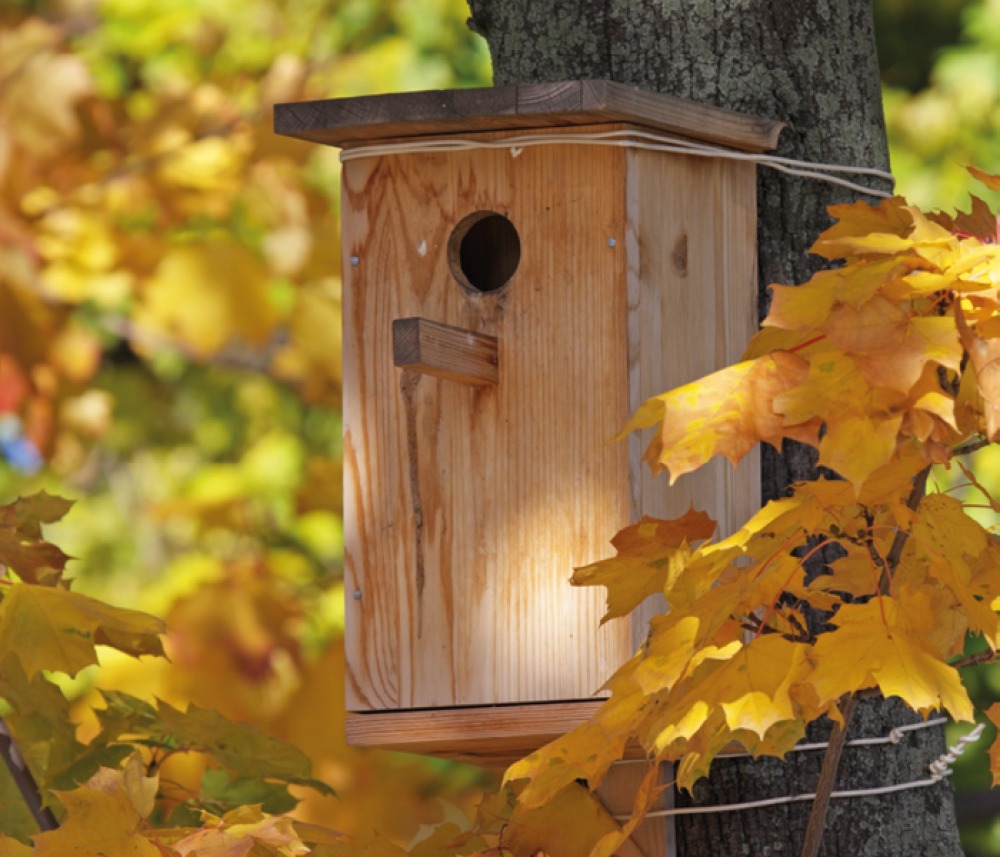
Birds may have finished nesting for the year, making now a good time to clean out old nesting material. It is one of those jobs that takes five minutes and makes you feel like an exceptionally responsible member of the wildlife community. Just don’t expect a thank you note – birds are terrible at correspondence.
Inspect Fences and Gates
November winds have a particular talent for finding weaknesses in garden structures. Give fences, gates and trellis a proper inspection before winter gets into full swing. Tighten loose fixings and deal with anything that looks as though it might end up halfway down the road. Your neighbours will appreciate it.
Look After Your Secateurs
Not sharpening them, actually look after them. If they have been living at the bottom of a bucket of questionable water since July, rescue them. Clean the blades thoroughly and give the moving parts a little attention. Good tools make gardening considerably more enjoyable. Bad tools make you question every decision that led you here.
Plant Winter Flowering Honeysuckle
Lonicera fragrantissima is a wonderful addition for anyone who wants fragrance during the coldest months. Its tiny creamy flowers may not win any beauty competitions individually, but together they produce a delicious scent that can stop you in your tracks on a cold afternoon. It is one of those plants that reminds you there is always something happening.
Create a Winter View
Stand inside your house and look out at the garden, really look. What do you see from the kitchen window? From the sitting room? From the front door? November is the perfect time to notice which trees, shrubs and structures actually provide interest when summer flowers have disappeared. You may discover that your favourite view is currently dominated by a wheelie bin. This is valuable information.
Look for Fungi
November is prime time for fungi. Take a walk around the garden and see what has appeared. Some will be tiny and delicate, others astonishingly elaborate. Do not eat them. This should go without saying, but apparently the internet has created a generation of people who are prepared to put almost anything in their mouths after watching a 12-second video. Admire them instead.
Plant Asparagus Crowns
November is an excellent time to prepare for asparagus if your soil is suitable and conditions allow. Choose a permanent position because asparagus is not interested in being moved every few years. Prepare the ground thoroughly and give the crowns plenty of space. It is a long-term investment, but one that eventually pays you back in delicious spears.
Grow Winter Radishes
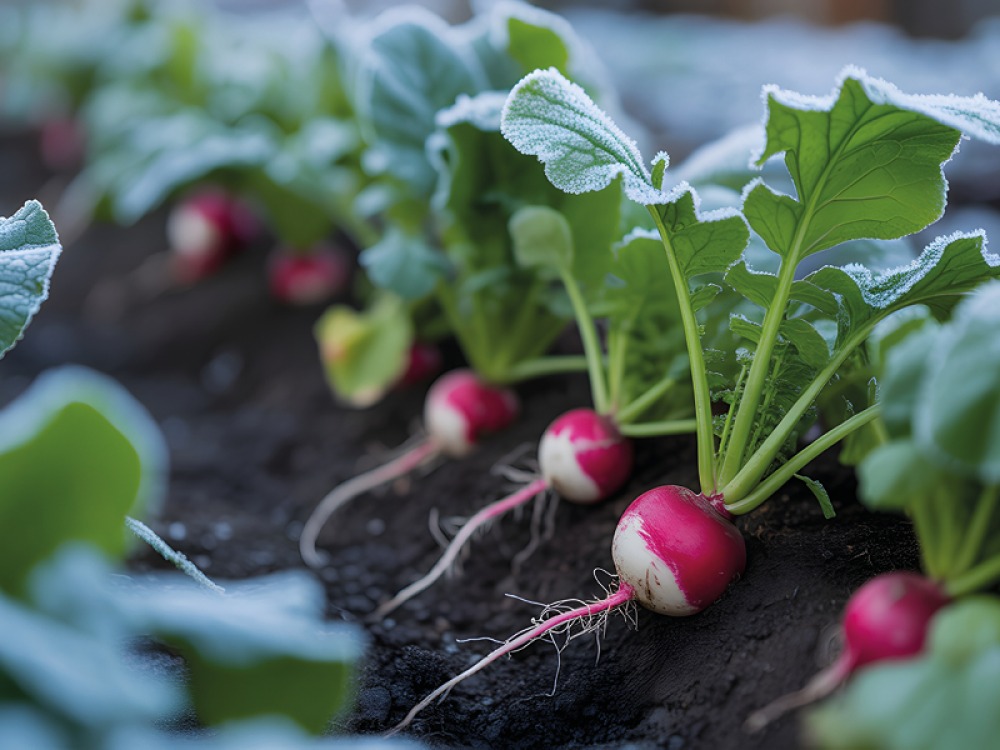
Winter radishes such as Black Spanish radish can be surprisingly useful additions to the plot. They produce larger roots than their summer relatives and can be harvested through the colder months. They also look slightly alarming when pulled from the soil, which is always a bonus.
Make a Comfrey Bed
If you have space, consider establishing comfrey as a future source of homemade plant feed. It is vigorous, productive and extremely useful. Just make sure you plant it somewhere permanent unless you fancy spending the next decade negotiating with it.
Sort Your Crop Records
Before you forget everything you grew this year, write it down. Which varieties performed brilliantly? Which were disappointing? Which tomatoes were so good that you ate them before remembering to save the seeds? A few notes now will be surprisingly useful when choosing next year’s crops.
Try Winter Peas
Certain pea varieties can be sown in autumn and overwintered for an early crop the following year. It feels slightly strange sowing peas when your allotment looks as though it should be wearing a scarf, but the plants establish quietly and then get going when spring arrives.
Start Forcing Sea Kale
If you are after something genuinely unusual, sea kale is worth investigating. Established crowns can be encouraged to produce tender shoots under cover in late winter. The young shoots are edible and beautifully delicate. It is not going to feed the nation, but it will give you something interesting to talk about when somebody asks what on earth you’re growing.
Build a Compost Thermometer
If you take compost seriously, November is a good time to start monitoring the temperature of your heap. A proper compost thermometer lets you see what is happening inside rather than simply poking the surface and declaring it ‘probably fine’. It is the closest most gardeners will get to being a scientist.
FINAL THOUGHTS
November has always struck me as a month that gardeners either embrace completely or spend trying to escape. Personally, I have decided to embrace it. I just love walking around the garden when there is nobody else about, everything is damp, the trees are losing their leaves, and you can hear the occasional squelch of your own boots.
It is quiet. Not silent, because gardens are never really silent, but quiet enough that you start noticing things you would normally miss. The robin that follows you around. The last stubborn flower refusing to give up. The ridiculous amount of leaves that have somehow accumulated in one particular corner despite the complete absence of trees anywhere near it. Where do they come from?
I also find November strangely liberating. There is no expectation that the garden should look immaculate. Nobody is judging a slightly tatty border or expects a spectacular display. If something is looking a bit tired, it is perfectly acceptable. Because everything is tired, including me.
After a long gardening year, November gives us permission to slow down a little. We can still potter, we can still experiment, we can still make plans. But we can also stand in the doorway, look at the garden, decide it can wait until tomorrow and go back inside. And sometimes that is exactly what gardening is about; knowing when to get stuck in and knowing when to put the kettle on, shut the door and admire it from the other side of the glass. November understands.