Yorkshire's Most Haunted Places are Featured in This New Book
In the search for thrilling places to visit this Halloween, and the spooky stories to discover when you're out and about, we check out Sheffield-based writer Peter Naldrett's new book, Spooky Britain

Peter has a background in both writing and teaching, and travel and exploring found its way into both of those passions. He has published guides, including Around the Coast in 80 Days and Days Out Underground, and the idea for this new book came when he was in Paris. ‘I went into the Paris Catacombs, which are below the streets and full of old bones and skulls, and decided it's extremely interesting as a way to learn about the history of the city, but also quite dark and spooky,’ he says. ‘I was thinking, are there things like this in the UK that I could turn into a book? It turns out that there are loads! There are so many places that are able to provide a window into history, I guess.’
In order to compile his list of 100 must-sees, Peter headed out and about across Britain. ‘I didn’t encounter any ghosts or anything like that on the way, but came across plenty of stories,’ he laughs. ‘The main bit of research was going out and visiting places, but also talking to people who have been affected by some of those places – maybe to do with the haunting or maybe it's a part of history that they like. I read up on quite a lot of these places too. There are websites that people can share their own experiences on, and it gives you a feel of how many are touched by some of these places.’
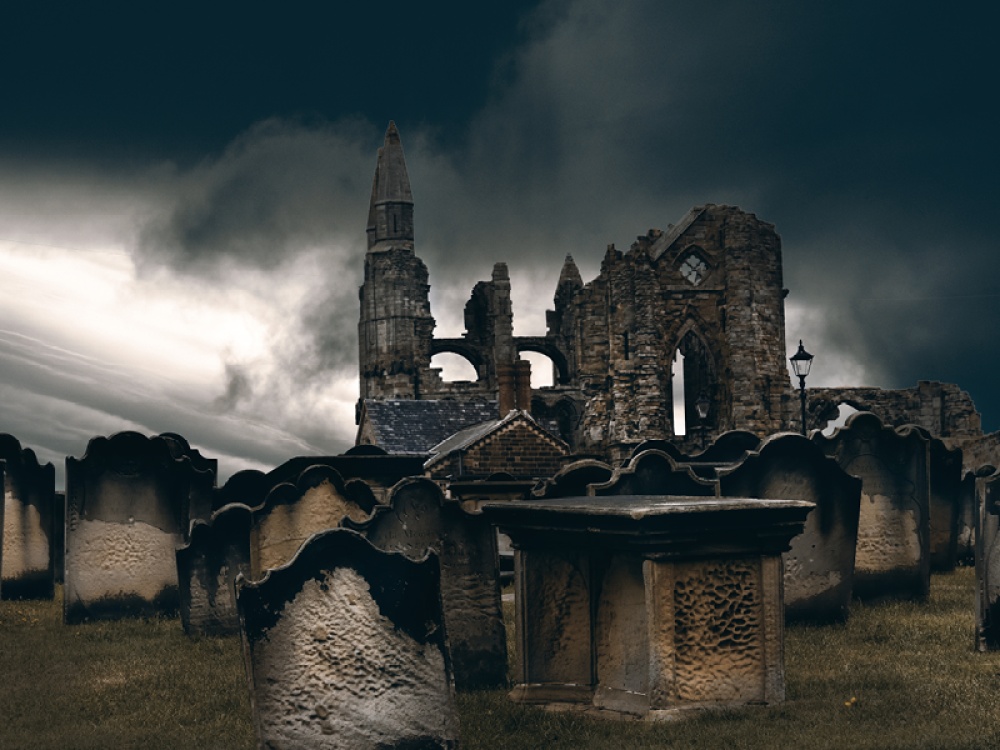
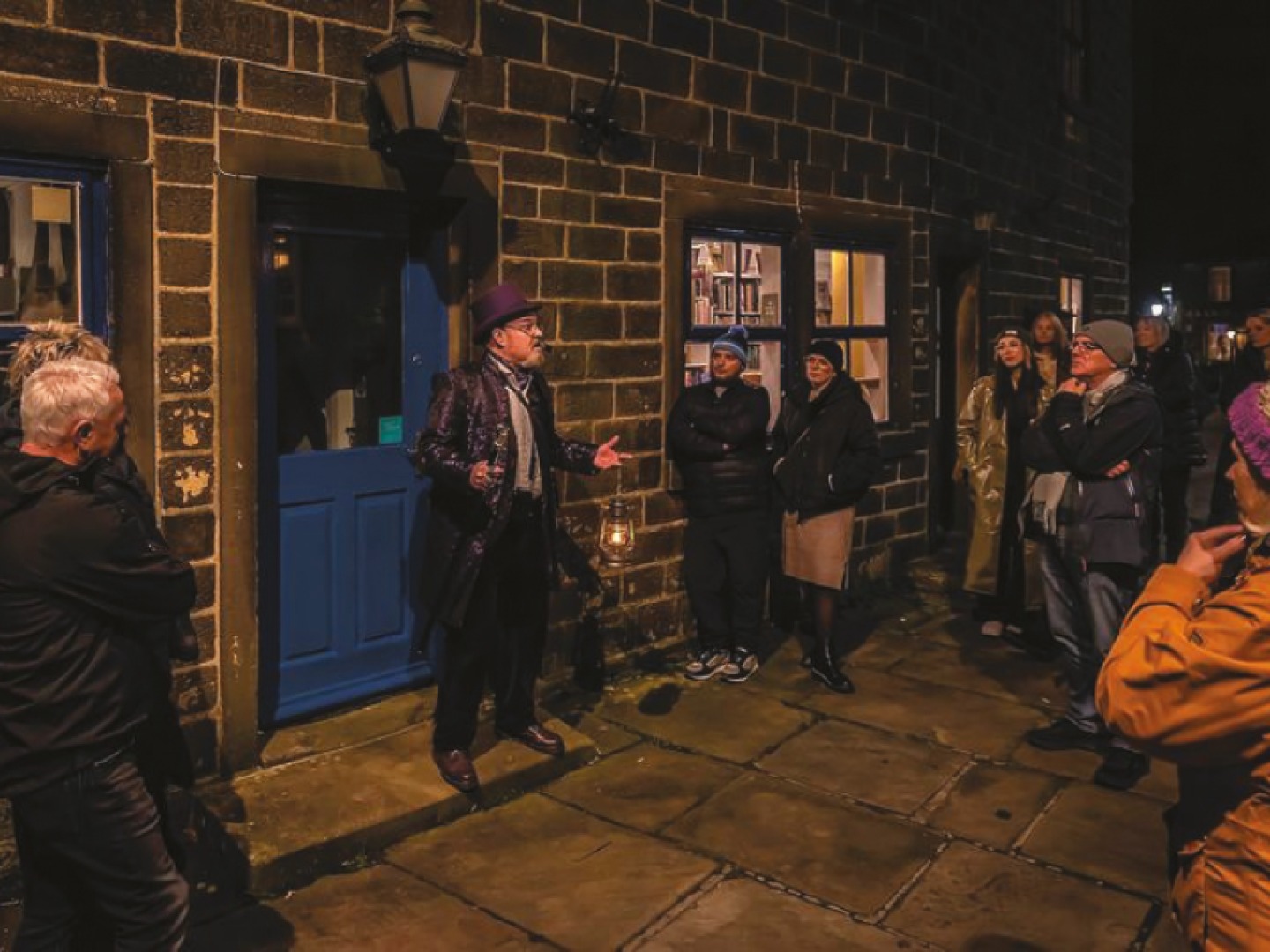
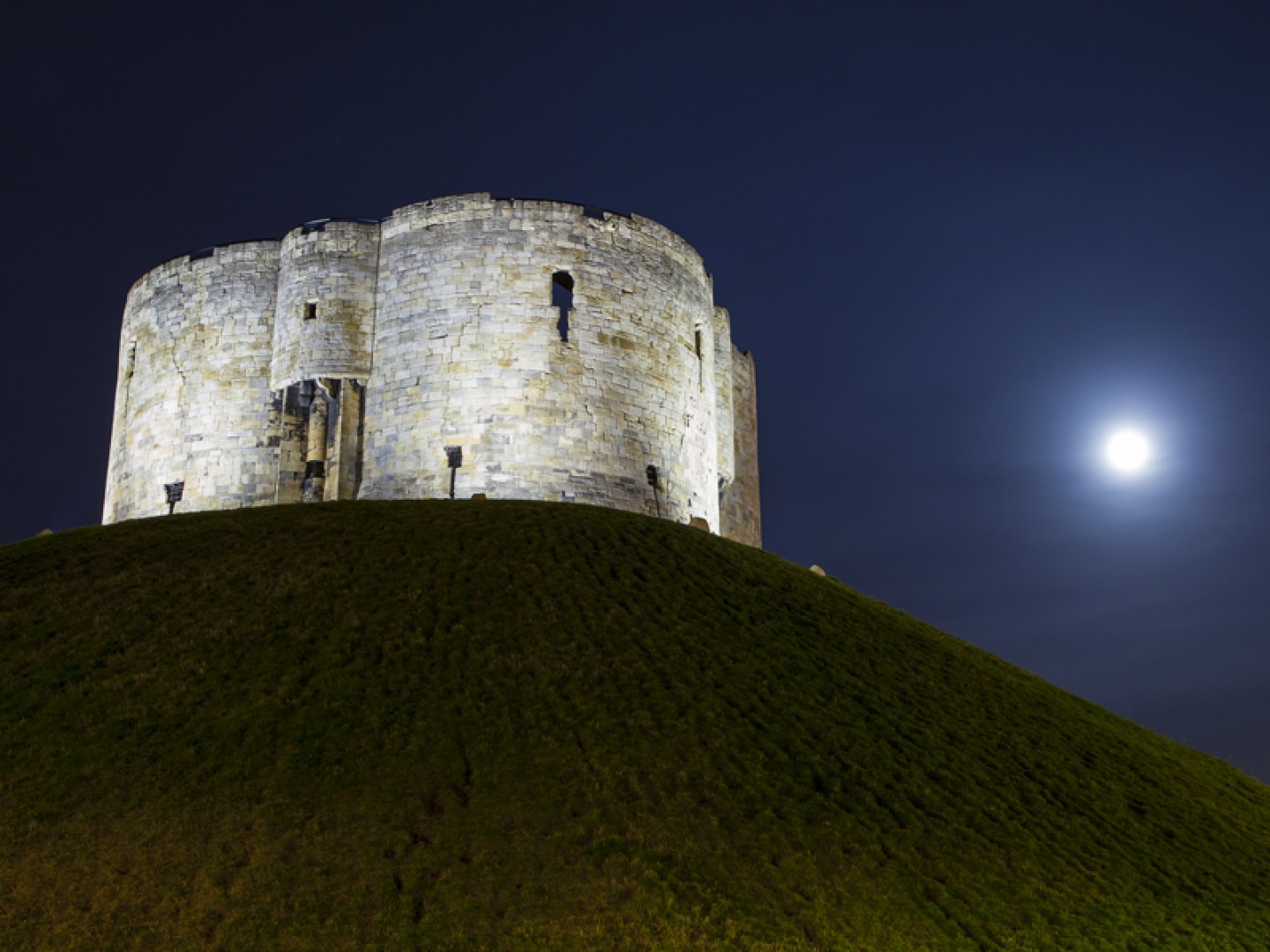
Time spent exploring Yorkshire led Peter to discover more about ghostly drama at Lyceum Theatre Sheffield including the Lavender Lady, Haunted Haworth Ghost Walks and the potential of hauntings in the Parsonage at Top Withens, Clifford’s Tower’s turbulent past, ceramic spectres at The York Ghost Merchants, the iconic York Dungeon, and, of course, Dracula at Whitby and Whitby Goth Weekend.
Peter highlights York as a special place, packed with stories and therefore plenty of spooky places, many of which you can discover about if you’re brave enough to join one of the many ghost tours across the city. ‘I think the main spooky places when it comes to ghost tours or rumours of hauntings are Edinburgh, London and York,’ says Peter. ‘There are lots of places that do walking tours now, but I think that doing a ghost tour of York is an absolute essential if you visit, and there's a great one in the book which is Mad Alice's Bloody Tour of York. The gifted performers doing it tell engaging stories as you walk around York, and the great thing about this is that it includes places that you would usually just walk past without even acknowledging them. But they’re suddenly part of an important story in the history of the city. There’s so much history in York and ghostly stories go right back to the Roman times and Dick Turpin.’ Infamous highwayman Dick Turpin was hanged at the Knavesmire Tyburn in 1739 and his grave is in St George's Churchyard in York.
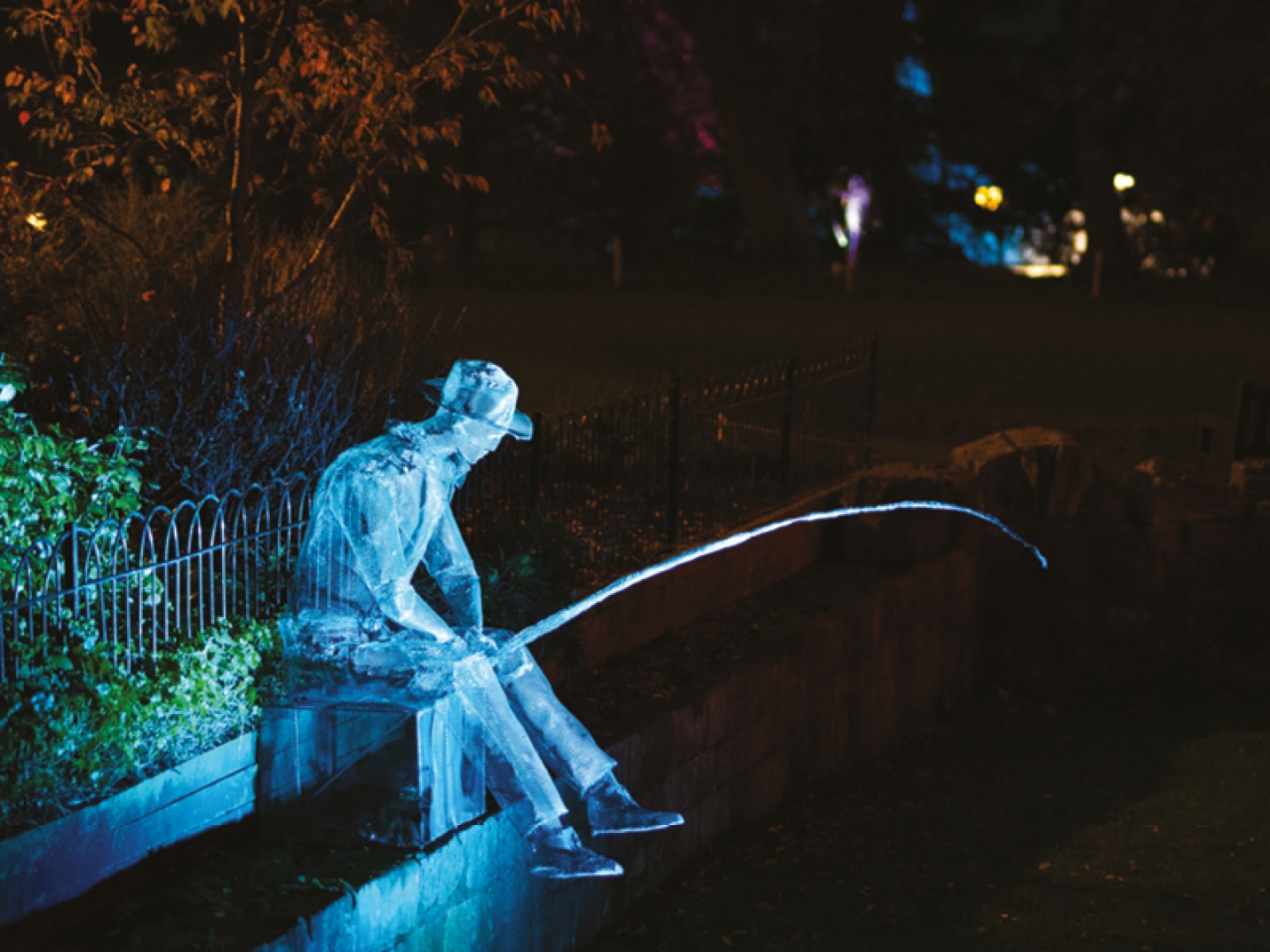
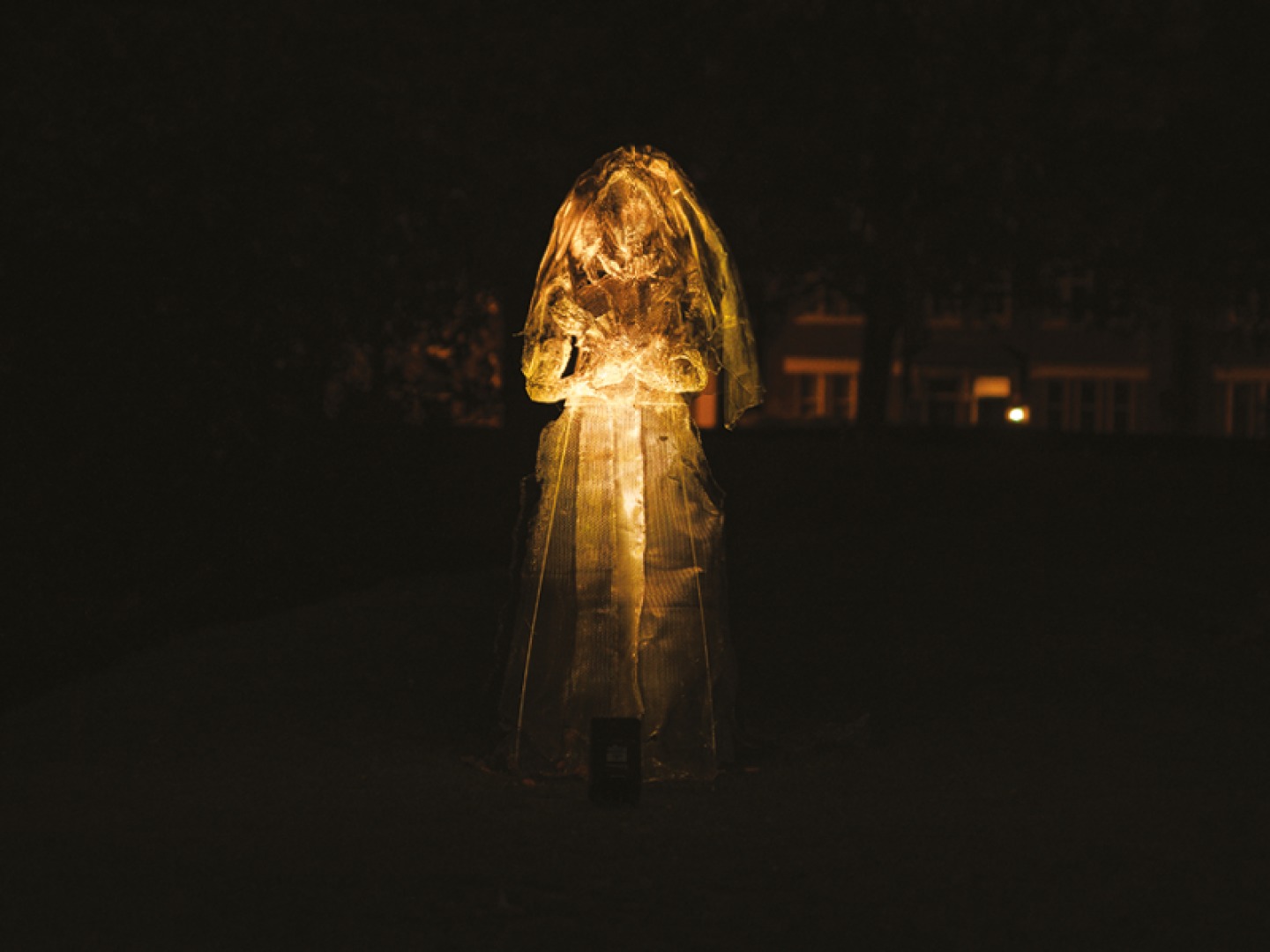
York’s Treasurer's House is highlighted as a must-see in Peter’s book too. ‘It’s really strange,’ he says. ‘It was one of the creepiest places I visited actually. I didn't have an experience myself, but it really did feel creepy when you went down into the basement. The National Trust guard talks to you about what numerous people have seen there.’ The most famous spooky story from this building is that of Roman soldiers in uniform marching through the cellar. In 1953 a plumber is said to have seen them. ‘They only appeared from the knee up,’ Peter adds, ‘and that is because at that time the land would have been lower down.’ Even if you don’t spot a ghost in York this Halloween, you can see ghosts made of wire when Ghosts After Dark (4th–8th November) returns to York Museum Gardens, with more wire sculptures in King’s Manor courtyard and Library Lawn, the Anglian Tower, Edible Wood, Artists’ Garden, St Olave’s Churchyard and the area beside York Art Gallery.
‘I would love people to enjoy exploring these places, and honestly there are so many things that I couldn’t include so I would like to do a follow-up book on it’
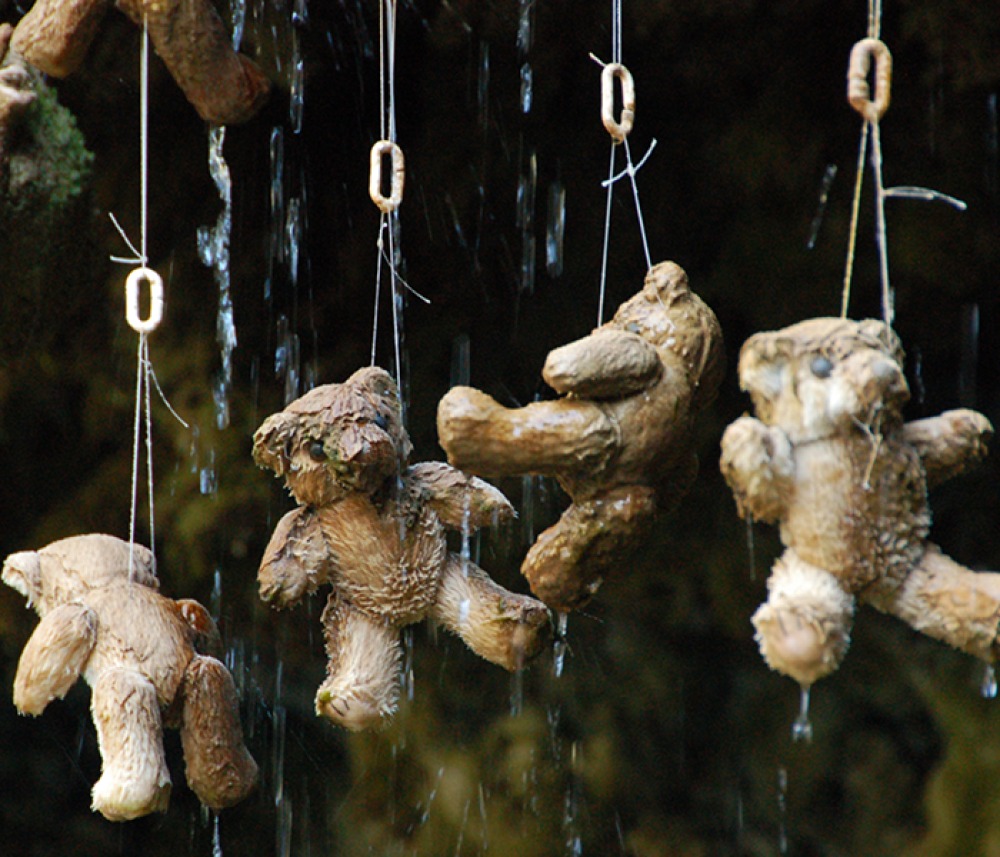
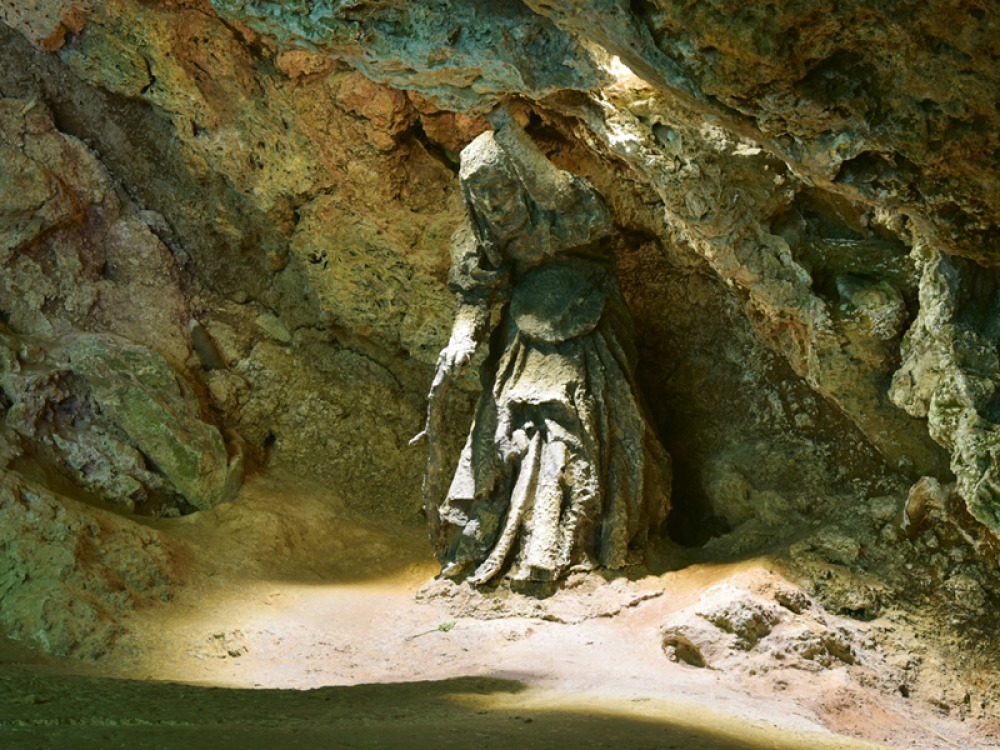
But it’s not just ghost stories that are told in Peter’s book. ‘There's quite a lot about witchcraft in the book, and what I found interesting about Mother Shipton’s Cave is that Old Mother Shipton was predicting all kinds of things back in the 15th century – things that would come to pass later,’ says Peter. Mother Shipton’s Cave in Knaresborough is England’s oldest tourist attraction, having been open since 1630, and is the birthplace of Old Mother Shipton, England’s most famous prophetess. Visitors head to the cave where she was born to hear the story of her life and legacy, and marvel at the geological phenomenon of the petrifying well which turns objects to stone (yes, really!). The uniquely high mineral content in the water coats the objects over a period of time and gives them a hard stone-like crust – but make sure you tell your kids it’s magic.
‘Old Mother Shipton was outcast by the community and went to live in a cave, but she was also treated with curiosity,’ says Peter. ‘People would visit her to find out about their future or their fortunes, and I think there were even “well to do" people who would send messages to Old Mother Shipton's cave in the hope that they might be able to get some treatment for themselves – or perhaps curse one of their enemies. But the fascinating thing is that she went down as a bit of a legend – but if she was born 150 years later, she'd have been persecuted and hanged during the witch trials. She escaped that and became this curious figure. The whole place is wrapped up in a lot of history.’
So many of these stories, and the places associated with them, attract visitors and offer a chance to learn more about our history. ‘These stories have evolved and hundreds and hundreds of years go by, but they get passed down, and they get changed, and become part of the culture, I guess,’ explains Peter. ‘If you're in the United States and you hear something about the Wild West, for example, that's seen as ancient history but it was actually the 1860s. We’ve got places still standing in this country that date back to 1100 (and before), so we’re lucky in that regard.
‘I think, as a nation, we are pre-programmed to like a good ghost story, Going right back to Charles Dickens' times, people used to find it fascinating. If anybody you know has got a ghost story or something strange or creepy happened, when you start talking about it, other people pay attention and listen. People have got a curiosity about the unexplained. There are lots of things that have tapped into our predisposition to like a good spooky story. We’re that used to things being black-and-white and scientific now, that if something comes along and it just can't be explained, I think people find that really interesting.’
With a focus on walking guides, Peter is continuing to encourage people to get out and about to discover new places (or their forgotten stories), and there could be more to come from Spooky Britain. ‘I would love people to enjoy exploring these places, and honestly there are so many things that I couldn’t include so I would like to do a follow-up book on it,’ he says. ‘I could do a special one just looking at pubs, for example, because there are that many.’