
How James McLeod is Navigating Grief - One Mile at a Time
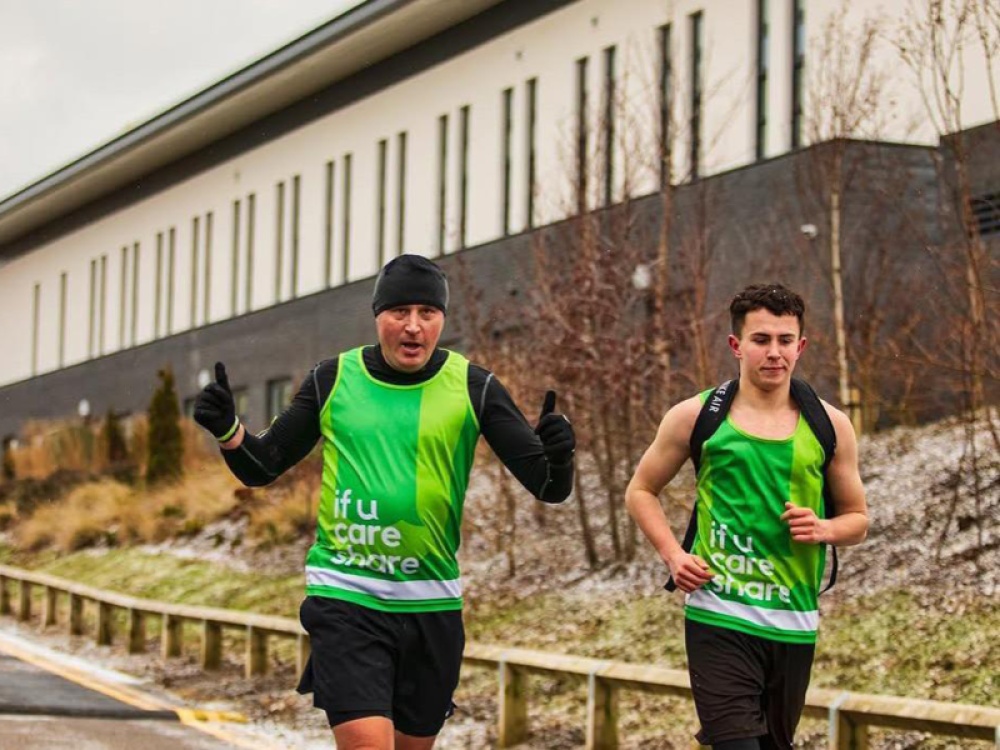
This local lad from Gateshead is turning his tragic loss into a powerful message for suicide prevention


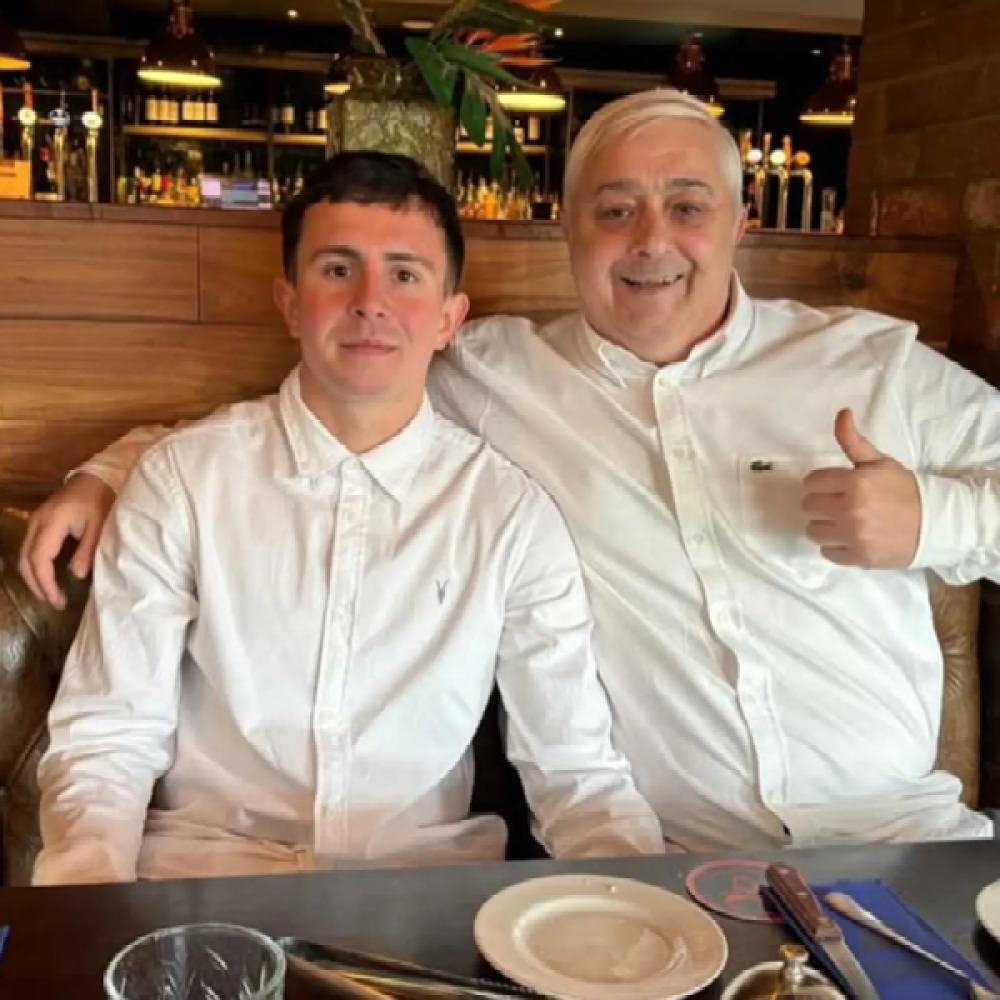
‘My dad was a loud, bubbly and boisterous character,’ James tells us. ‘He was my best mate, and family meant everything to him.’ Jimmy lived with long-term sickness, but James says that never stopped him from being there for the people he loved. ‘He would never miss out on spending time with any of us. He often would come to the rescue of others when it came to their own wellbeing, and he always told me from a young age to try and help others who were struggling – so that’s what I’m trying to do.’
James has been an avid runner for almost six years so, on paper, running 52 miles a week may seem like a challenge he would be more physically equipped than most to take on. But in the aftermath of his dad's death, he found himself in a difficult place. ‘I was injured from April to November, and then didn’t do my first run until the 28th December,’ he says. ‘When I started on the 1st January you would’ve thought I’d never ran in my life. It was really difficult. My knees were hurting, my back was hurting, the only place I looked like I’d ran to was the kebab shop, to be fair.
‘When my dad passed I put on a bit of weight, so I decided to show up for myself and take some accountability. I know my dad wouldn’t want me to let go of myself, he’d want me to try and make a difference. So committing to this just felt right.’
And so, what began as a daunting commitment has slowly but surely gotten easier. James is now running as far as 100 miles a week – a remarkable transformation from the lad who struggled to get moving at the start of the year.
Before Jimmy died, James wrote him a letter containing six promises. One of those was simple but profound – that he would never let his dad’s name be forgotten. ‘This is a way of me honouring my promise to my dad,’ he says. ‘It’s given me a huge sense of pride because he’ll never be forgotten. He’ll be remembered through my name as much as through his own and now it’s all over the internet,’ he adds. The story has travelled further than James first anticipated, with countless strangers reaching out to offer their support. He tells us, ‘Ultimately, our biggest fear as a family was that dad would be forgotten. But we know he’s never going to be now.’
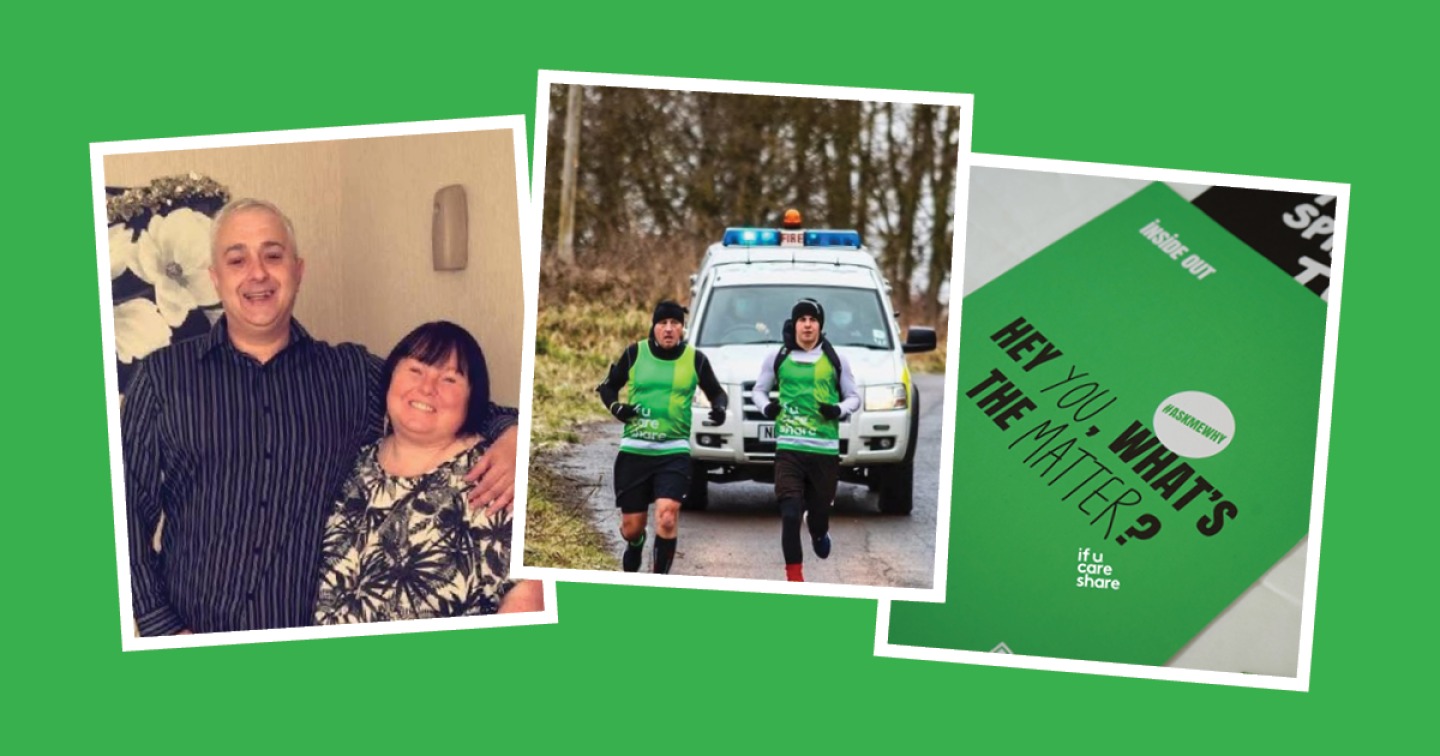
James is associated with If U Care Share Foundation, a local charity based in Gateshead that supports families who have lost a loved one to suicide. Prior to Jimmy’s death, he and James participated in running events and fundraising for the charity – its cause has now become even more personal to James. ‘Until you’ve lost someone to suicide a lot of people don’t know charities like my own exist,’ he says. ‘So being able to raise awareness through my story helps massively, to let people know there is support out there. It’s an unforgiving task, the demand outstrips capacity – but there are people that care and who will try to help you.’ He wants men to understand that vulnerability is not weakness, and that asking for help is not something to be ashamed of.
When asked about how he thinks he’ll feel when the challenge finally comes to an end, James admits he doesn’t really know. ‘Obviously losing my dad has hit me, but I am anticipating how much it’ll hit me once the challenge is done,’ he says. ‘I think people have been surprised at how well I’ve taken it on the surface – but I’m not ashamed to admit behind closed doors I’ve cried a lot. I don’t care about admitting that as a bloke, I want men to know it’s all right not to be okay.’
In his final run, which he has called The Long Way Home, James plans to run from the If U Care Share Foundation’s office to Gateshead Stadium – a place where his dad once competed. ‘I think that’s the one that will probably hit me the most,’ he says. ‘The last one will bring the entire year into perspective, from the start of the challenge being so vulnerable and out of shape, to now where I’ve came back the closest to who I was before it happened.’
James’ message is simple, ’I don’t want to be cliche and say just talk, because my dad did talk and he didn’t get the right help,’ he tells us. ‘But there will always be people that care. There is always a way out of whatever you’re struggling with, and suicide is not the answer. It is a permanent solution to a temporary problem. Reach out if you need help.’
He tells us that if he could speak to his dad one more time, there are three things he would say. ‘I would tell him that I love him, that I’ll never forget him and thank you for making me into the person I am today,’ he says. ‘I just hope he’s proud up there. I’d rather not be in this position, but I am, so I’m grabbing the bull by its horns and making a good change.’
Since beginning the challenge, James had heard from friends and family, and complete strangers. Some have shared their own stories. Others have simply sent a kind message or two. ‘Even strangers have reached out to me, so I know my dad’s story is helping people,’ he says. ‘Alongside the support from my inner circle, the messages from random people saying well done is the motivation. It keeps me going.’
As every week passes, it brings James closer to the finish line and further from the fear that his dad’s name might be forgotten. ‘Preventing suicide is my purpose now, it’s like my fire,’ he says. ‘It’s shown me just how much I can achieve in his name with him as the driving force.’
James tells us that every like or share can help. ‘Even just pointing your friend in the direction of the story or charity helps raise awareness,’ he tells us. ‘And that awareness – that there are people who care and that help is available – will help to keep people who are struggling alive.’