
Meet The Canine Heroes Saving Lives in Swaledale
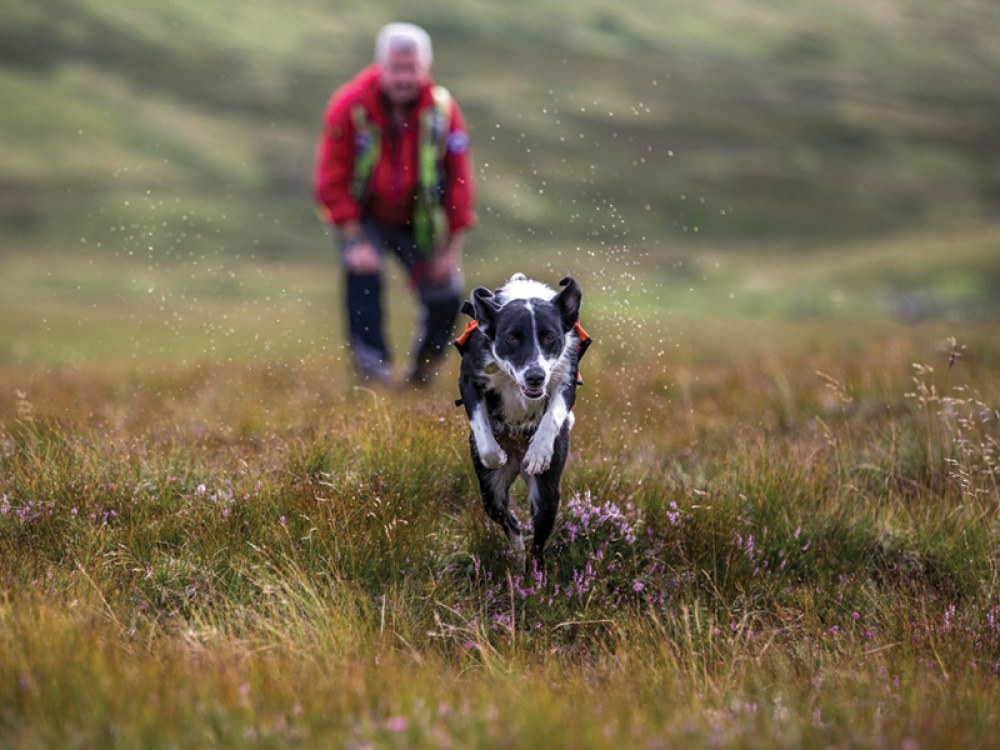
Search dogs have been a vital part of Mountain Rescue since 1965


Search dogs have been a part of Mountain Rescue since the creation of the Search And Rescue Dog Association in 1965, and Tim Cain MBE (who is one of the Mountain Rescue Search Dogs England handlers working with Swaledale Mountain Rescue Team) says the search dogs are an integral asset to the overall search effort.
Mountain Rescue Search Dogs England are a volunteer organisation manned entirely by individuals who volunteer their services to provide a rescue service using search dogs up and down the whole country. This organisation trains air-scenting search dogs to find people in wild and remote places.
Swaledale Mountain Rescue Team provide rescue cover above and below ground and on water, and the team are on call 24/7, 365 days a year, providing a vital service and assisting the police. The Swaledale team got its first search dog in 2005 and currently has three operational air-scenting search dogs, all trained and assessed through Mountain Rescue Search Dogs England. ‘The search dog handlers must be a member of a mountain rescue team and each dog is part of Mountain Rescue Search Dogs England,’ explains Tim. ‘Their role is to search wild and remote places to find missing or lost people.’
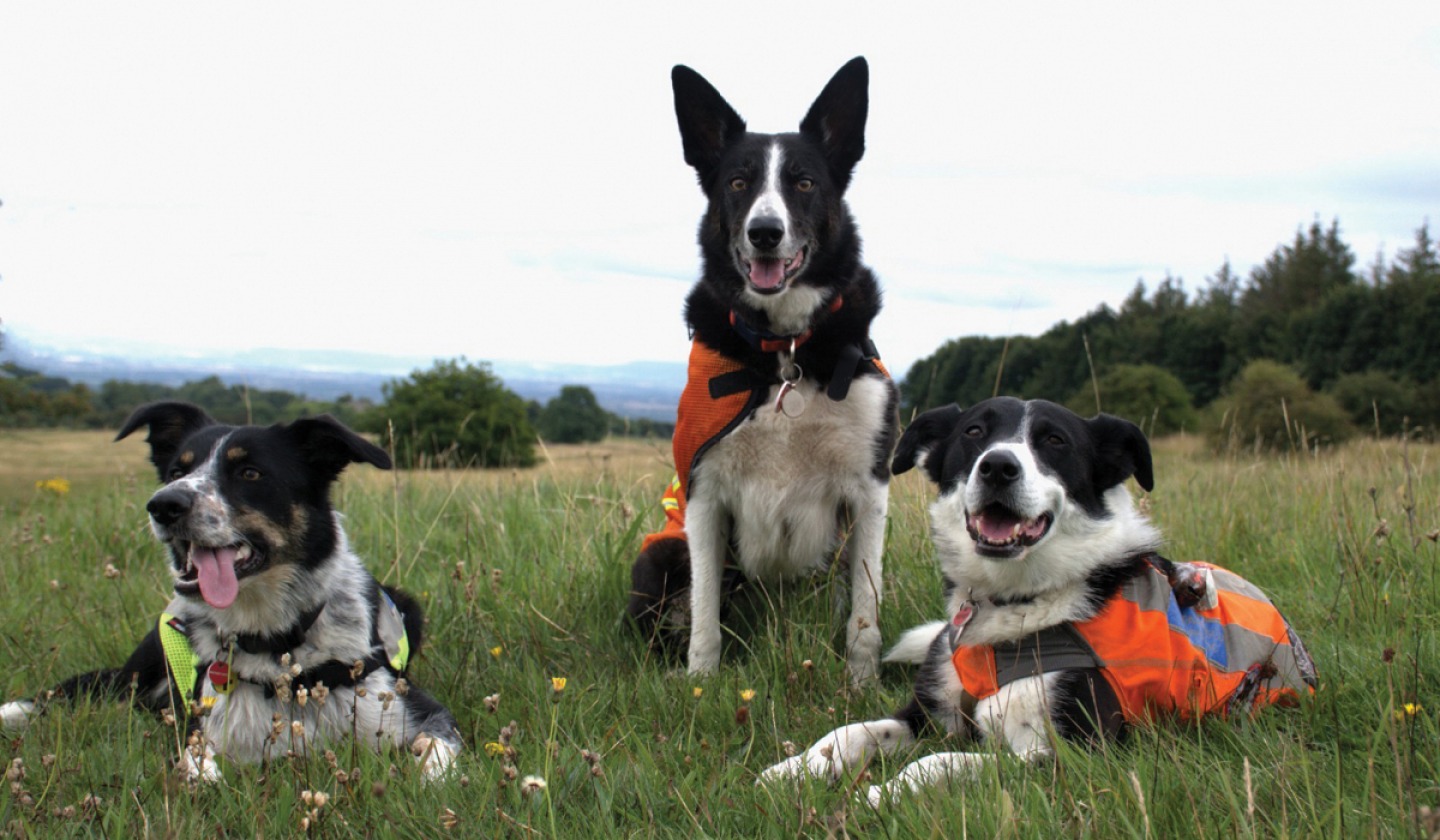
The four-legged finders are trained to follow human scent and the training process usually lasts between two to three years. ‘Although they're a working dog, they belong to one person and they’re handled by one person,’ says Tim. ‘I’ve had two search dogs in my time with Mountain Rescue Search Dogs England.’
All dogs will naturally hunt and air scent. ‘It's in their DNA if you like, but there are certainly preferred breeds currently,’ says Tim. ‘When Mountain Rescue Search Dogs came over to England in the ‘60s (from Switzerland), most of the dogs were German Shepherds. Over the years, a preference has developed for Collies, specifically Border Collies.’
The Swaledale team’s current search dogs are Border Collies. Olly has already attended more than 150 callouts, and along with his handler Ian Speirs, was awarded the Novice Shield for their performance during operational assessment.
Tim’s first search dog was Border Collie Cassie, and he now also works with another called Gem, who began callouts in 2024. After a successful career as a mountain rescue search dog, Cassie will retire this year.
Up and down the country volunteers are giving up their time to provide this service in all weather conditions. As this work is voluntary, Tim is passionate about raising awareness for this amazing effort. ‘We're on call 24/7 to assist mountain rescue teams and the police,’ he says. ‘We get a call out as a result of somebody going missing, and are given an area to search, and use our dogs and knowledge of the ground and how the wind moves (so how scent moves) to search the area.’
Swaledale Mountain Rescue Team have had many successful missions with search dogs. ‘My first dog Cassie found a missing person who was actually submerged in the river. In fact, she's done that several times,’ says Tim. ‘Olly found a missing person in an area that had already been searched by humans, and they'd missed the person. Those are the two most memorable rescues for me.’
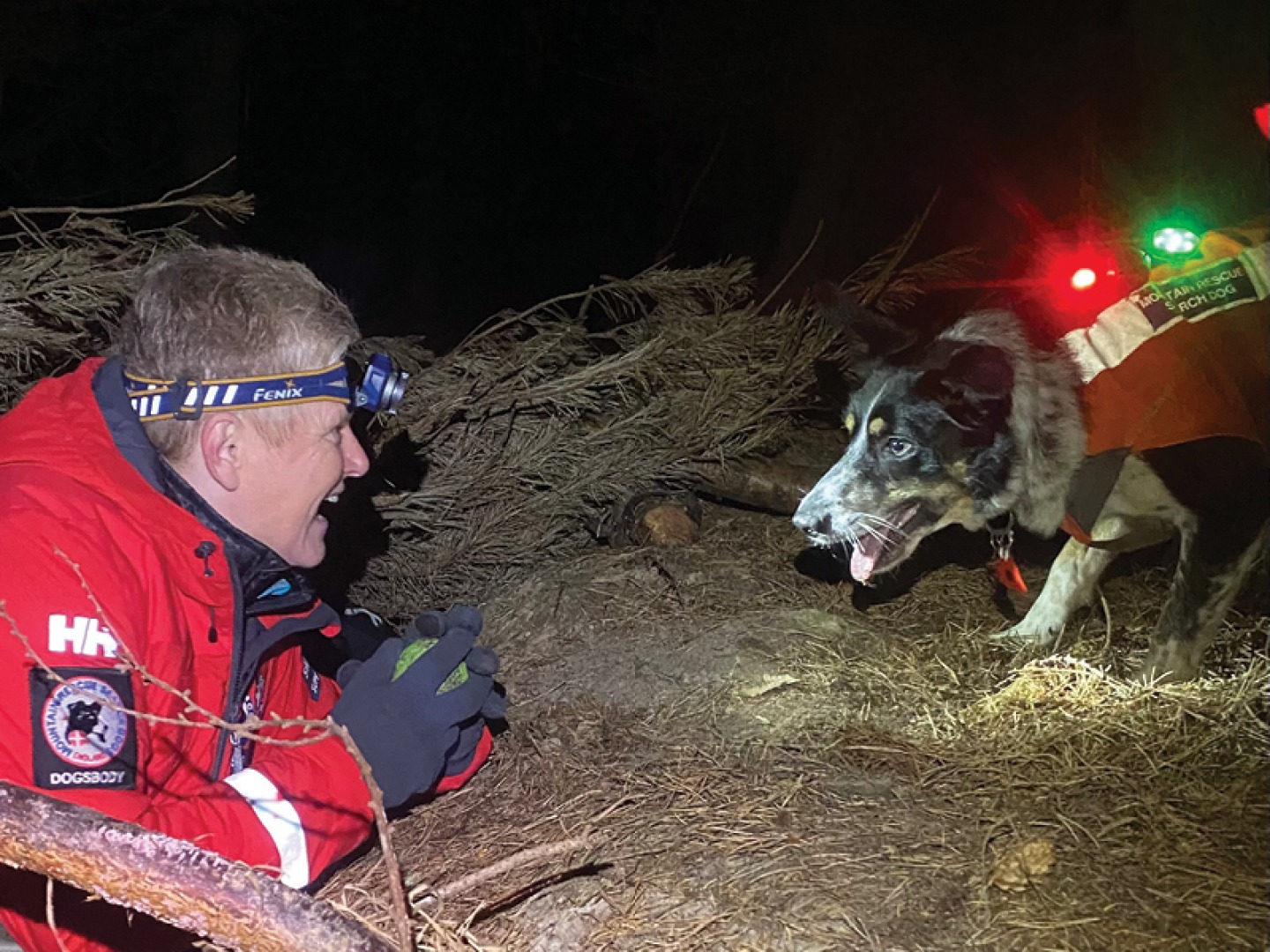
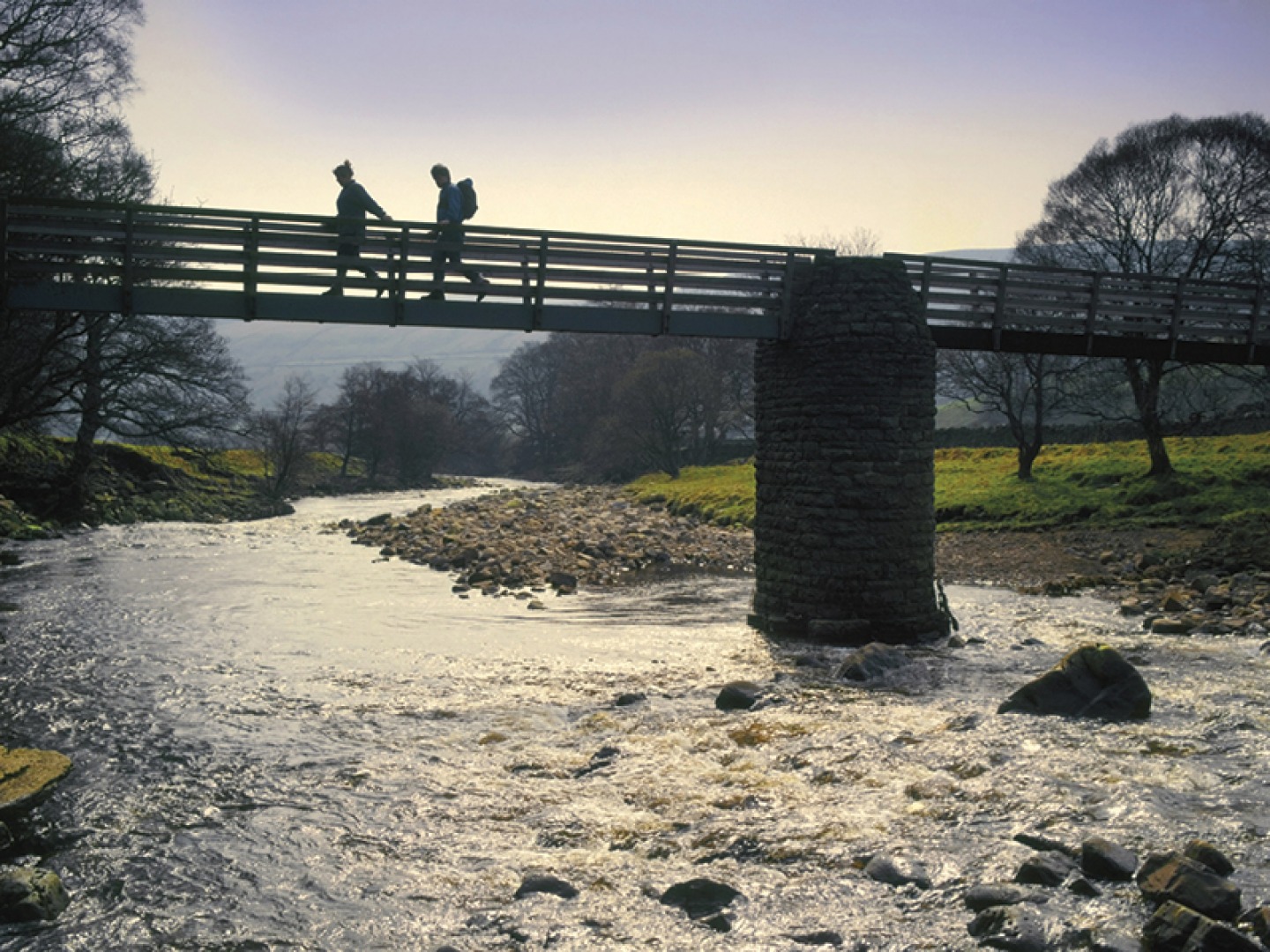
You have to be a member of a mountain rescue team before you can train a search dog, and then have to spend a period of time doing what the team call ‘dogsbodying’, essentially acting as a casualty or missing person for the dog to find.
‘The dogsbodies are the people who spend their time lying on the fellside waiting for a dog to come and find them,’ explains Tim, ’and these are some very dedicated people who spend time in very unpleasant and exposed positions, and there's a lot of people who do that which is really great.’
When you get your search dog, the first part of your training is obedience work. The handler is expected to have the dog lie down when they tell them to, and stay lying down for 10 minutes. ‘Five minutes of that time is when the dog’s alone; it’s probably the longest five minutes of your life,’ says Tim. 'You're assessed on that and then you move into stage one where the dog and the handler learn how to play a game that we use to get the dog to want to find people. In that stage, the dog is taught to find somebody, and that's done by dogsbodies, starting with the dog playing with a toy and then getting a little bit further away, and eventually going and hiding somewhere.
‘We build it up to a point so that the dog can go and find somebody over probably around 50 to 100 metres away from the handler. Also in stage one, when the dog does find somebody, they develop what's known as indication, where they come back to the handler having found the body and bark at the handler. The dog then goes back to the body and shuttles between the body and the handler until the handler is brought to the body. At the end of stage one, there’s a test for all that.’
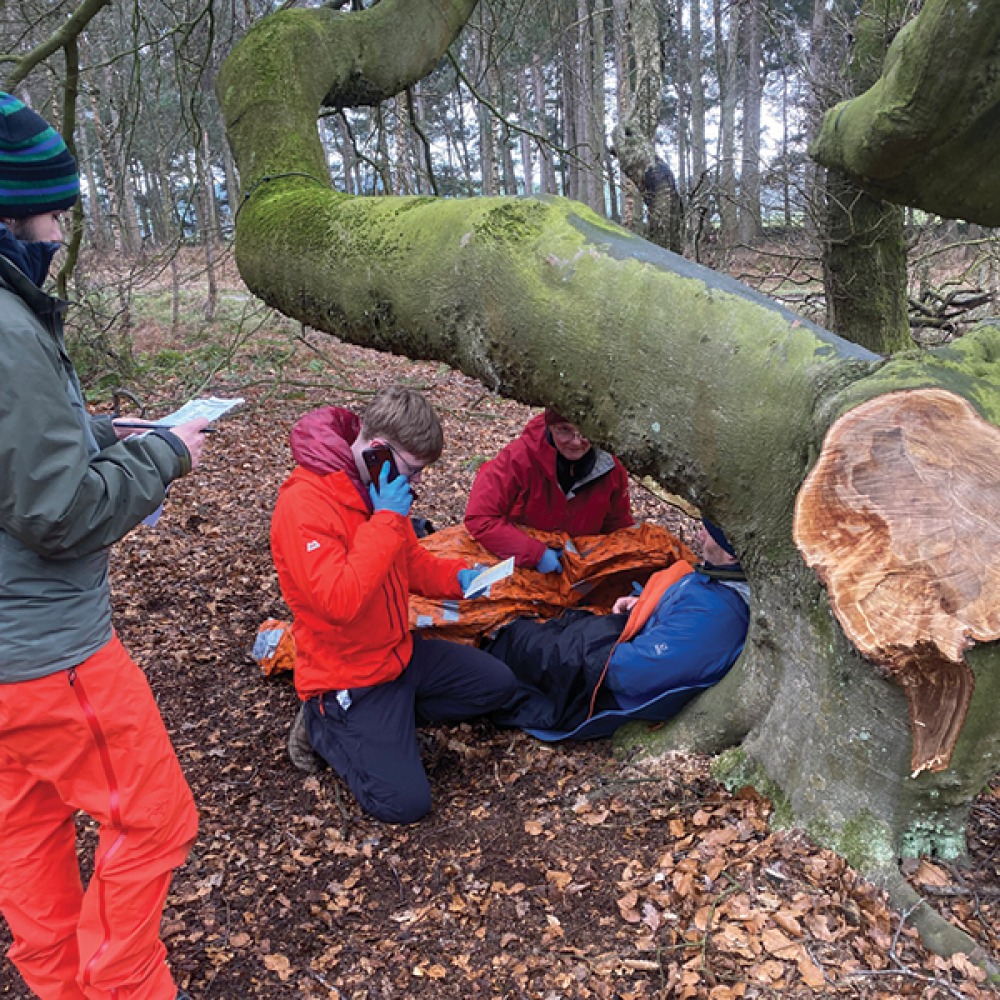
Stage two moves that process onto a larger area. ‘The area becomes progressively more complex, so it might start on a big open field or on a hillside, and the hillside will get bigger until the dog can search an area for approximately 40 minutes,’ explains Tim. ‘The dog is then assessed on its ability to do that before moving to stage three where the dog is required to search woods, footpaths and hillsides covering an area up to an hour and a half, building up gradually.’
Once the dog has got to the end of stage three, they go forward for assessment, searching areas for up to an hour and a half at a time. ‘You have no idea how many bodies are in the area,’ says Tim. ‘You have to just search it and then tell the assessors that the area is clear of people if you think you've found them all, and if you pass all four stages that's you qualified. It's a pretty intense experience!’
Every minute, everyone loses around 40,000 little pieces of skin (rafts) into the air. The composition of these rafts are unique to each person. Dogs’ noses have 300 million receptors compared to around six million for us, and the area of their brains processing smells is proportionally 40 times larger than ours, according to Mountain Rescue Search Dogs England, so they can pick up the scent from these rafts from a quarter of a mile away or more. ‘To see a mountain rescue search dog working is quite remarkable, when you see what the dogs are capable of with their noses,’ says Tim.
Dogsbodies and mountain rescue volunteers dedicate their time and costs to this in all seasons to help save lives, and you can support Swaledale Mountain Rescue Team by donating and raising awareness of their work. New dogsbodies are welcome, and will receive mentoring before moving through the stages of training.