What To Expect From the Great Yorkshire Show 2026
Now in its 167th year, we find out what's new at the Great Yorkshire Show for 2026
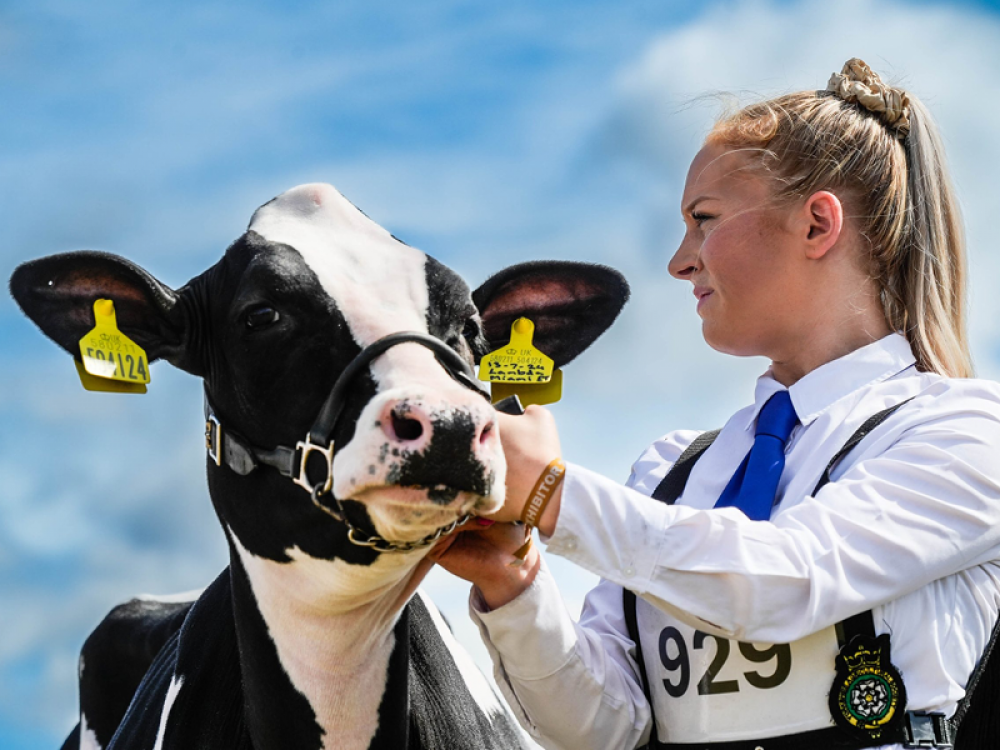
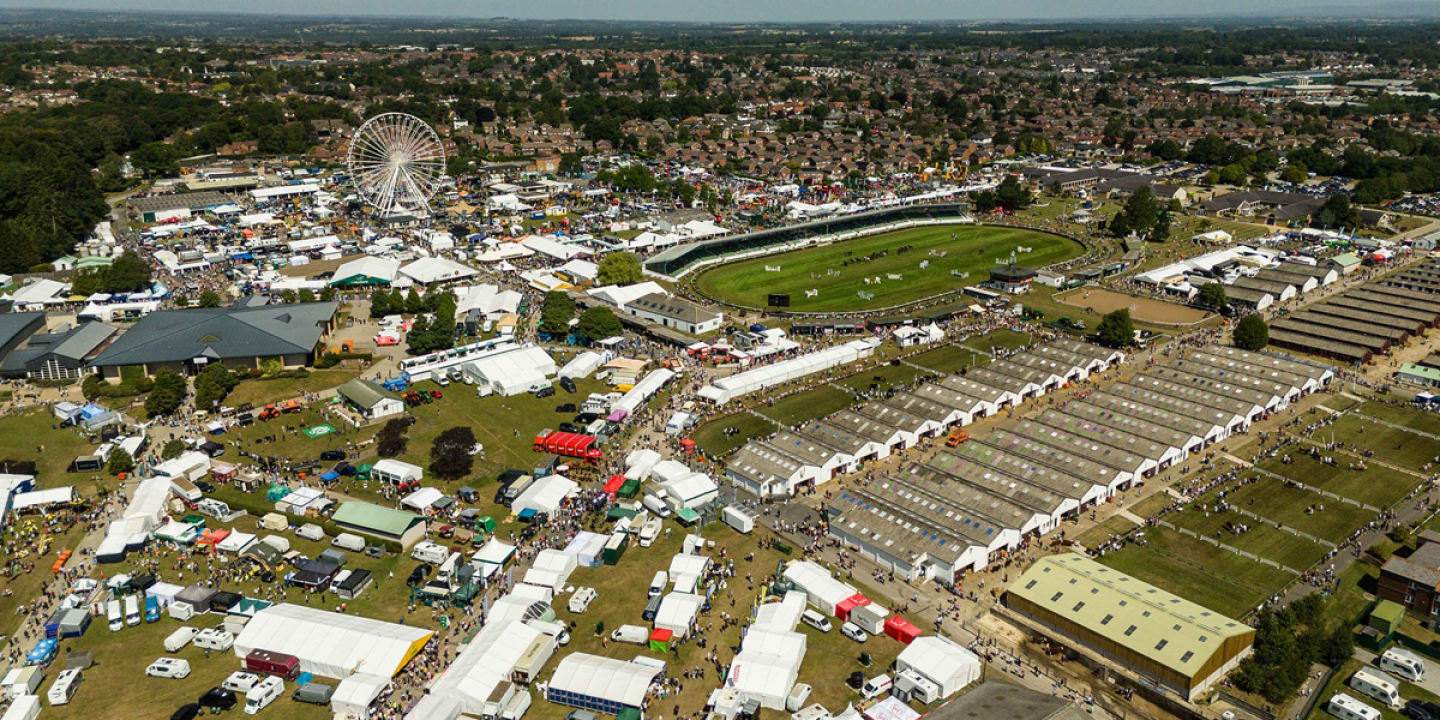
The Great Yorkshire Show returns this July (14th to 17th), once again celebrating the very best of British agriculture with animals, cutting-edge machinery and technology, food and drink, entertainment and shopping. This year one of the Show’s most prestigious livestock competitions has been renamed in honour and celebration of the Show’s late Chief Cattle Steward Margaret Chapman, the Discovery Zone for families has been expanded, high-tech solutions to farming’s big challenges will take centre stage in a new hydrogen-powered Agri-Innovation Village, and new entertainment for the show’s finalé includes line dancing and a multi-award winning choir. Visitors should also check out a photography exhibition which captures Yorkshire women in the rural landscape, including Show Director and farmer Rachel Coates.
Famous faces will attend the event, including Kelvin and Liz Fletcher of ITV’s Fletchers on the Farm on Tuesday, Peter Wright of Channel 5’s The Yorkshire Vet on Wednesday, Jules Hudson of BBC’s Escape to the Country on Thursday and Harriet Cowan, who featured in Clarkson’s Farm, on Friday. The Ariat GYS Stage is hosted by TV Presenter Christine Talbot, with chat shows running twice a day followed by meet and greets with the celebrities.
Amanda Stoddart-West is the Livestock & Entries Co-Ordinator at the Yorkshire Agricultural Society, organiser of the Great Yorkshire Show. She’s always thought of herself as a country girl, and says being involved in the local Young Farmers Club provided a great introduction into the farming community. ‘Growing up, there were always animals around,’ she says. ‘We'd often have some older dairy cows with suckler calves. There were sheep at times, as well as horses, and although horses aren't always seen as agricultural, more and more farmers have diversified and turned what were livestock buildings into stables for equestrian liveries.’
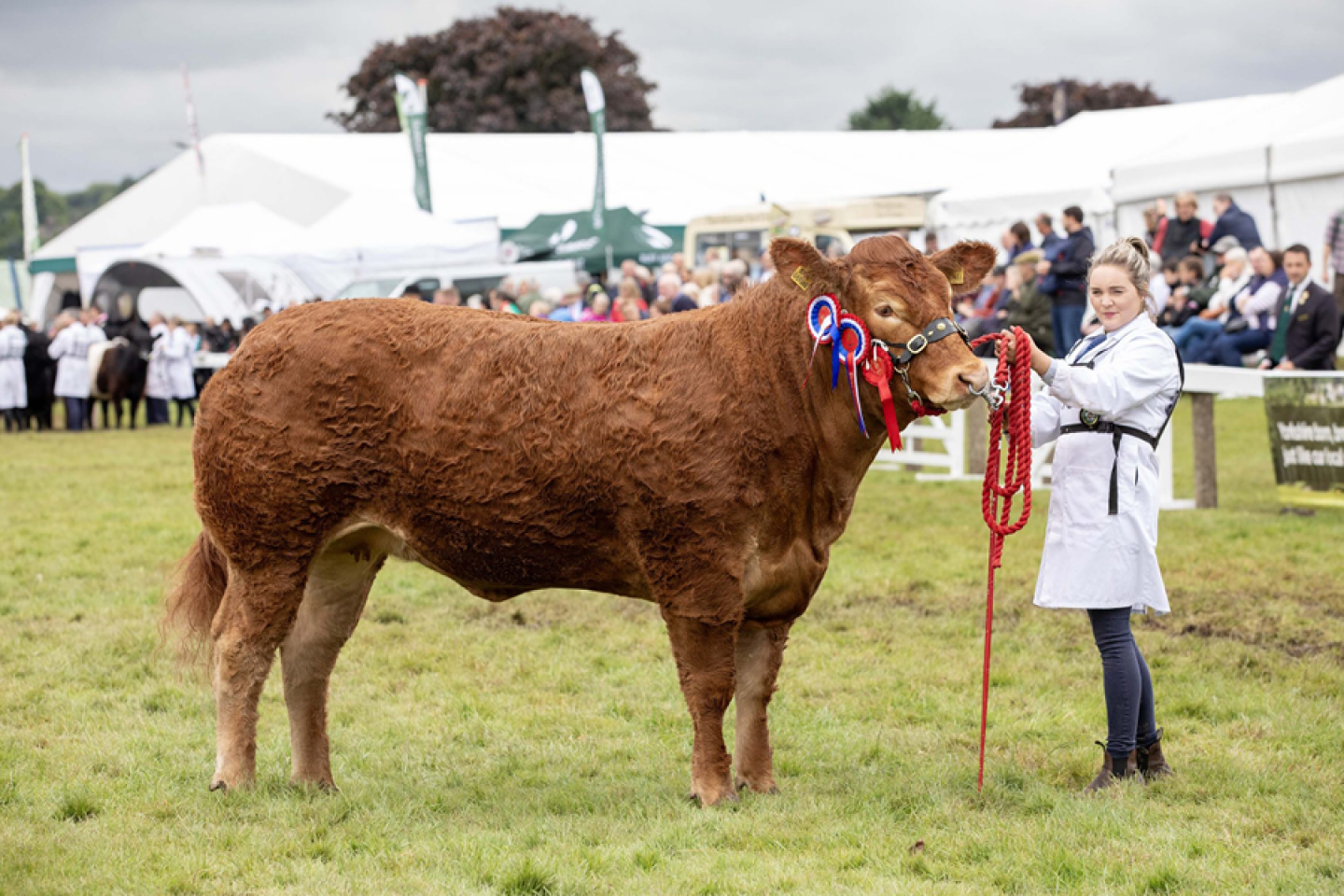
Amanda manages the competitive side of the Show. ‘That’s anything from horses, sheep, cattle, pigs and goats, right the way through to walking sticks and cheese and everything in between,’ she says. Straight after one show finishes, the team work on the following year's event. Amanda adds ‘I am very fortunate to have a great team around me as without this, the job is certainly far more challenging’.
With 13,500 entries the average in recent years, Amanda is often spinning a lot of plates. ‘I guess that's a challenge in itself,’ she admits. ‘Our first significant date comes in April when the animal housing is open for cattle and sheep; which are hugely popular sections. The three to four months before the Show is probably our most pressured as in that period everything has to be catalogued, checked, all the exhibitor packs go out, and judges and stewards need organising. What gives me the most pleasure is seeing it all come together, and just seeing all the people here that obviously really get a lot of enjoyment out of attending the Show.’
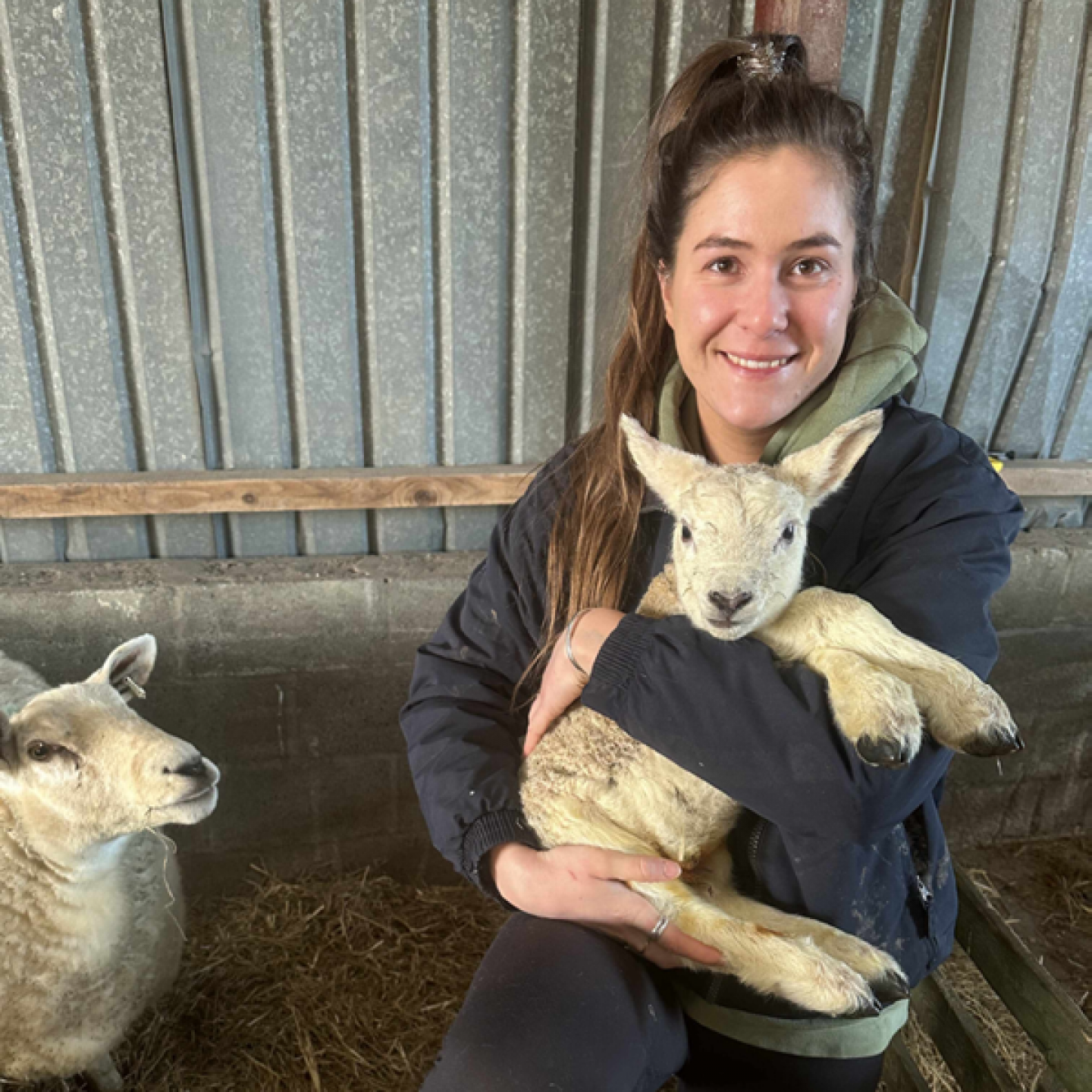
Rebecca Wilson is a fifth generation North Yorkshire farmer, and is sharing the story of the Great Yorkshire Show in the run up to (and during) this year’s event on social media. She was named in The Times Young Power List 2025, is an advocate for sustainable farming, and is the co-host of the Wilson & Ashley Podcast. She grew up on a family farm. ‘There really is a sense of history and heritage that goes with the everyday jobs on the farm, knowing people hundreds of years ago were still feeding sheep and working the land,’ she says. ‘Some of my earliest memories are of helping with livestock, being outdoors and wanting to be involved in whatever was happening on the farm. As a child, you probably take an upbringing like mine for granted, but as I got older, I began to appreciate just how special our life is. Of course, it’s not without its problems and challenges but no two days are ever the same and we’re always adapting and pushing forward.’
Through social media, podcasting, writing and speaking, Rebecca shines a spotlight on agriculture, and says the Great Yorkshire Show is a great place to do that. ‘I think there has never been a more important time to tell the story of British farming,’ she says. ‘Most people today are several generations removed from agriculture, yet every one of us depends on farmers every day. As that connection has weakened, misunderstandings about farming have inevitably grown and unfortunately, I see a lot of misinformation online and in mainstream media pushed through anti-farming narratives.’
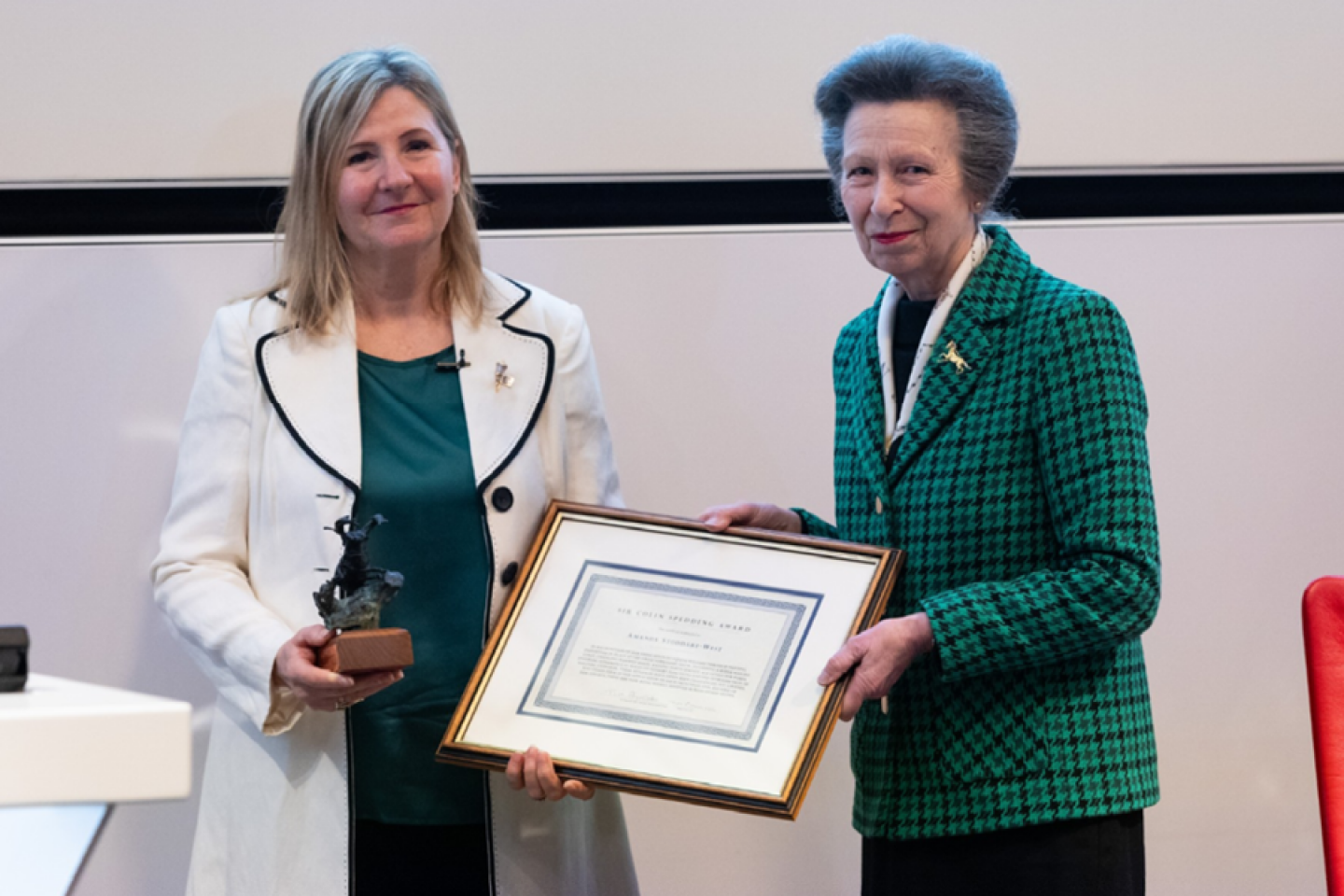
Amanda Stoddart-West receiving the Sir Colin Spedding Award 2024 from the National Equine Forum in recognition of her dedication to equine welfare through initiatives implemented at the Great Yorkshire Show.
One of farming's greatest challenges is uncertainty as farmers are heavily influenced by factors they can't control – weather patterns, global markets, disease outbreaks and political decisions. ‘There is also increasing pressure to balance food production, environmental goals and economic sustainability. Farmers are being asked to do more than ever before, often while working within tight margins,’ says Rebecca. ‘Yet despite those challenges, farming remains one of the most rewarding professions imaginable. There is enormous satisfaction in seeing healthy livestock thrive, producing quality food and knowing that you're contributing something essential to society. There’s also a unique connection to the seasons and the natural world. Farming teaches patience, resilience and perspective. It reminds you that not everything happens instantly and that some of the most worthwhile achievements take time.’
The Great Yorkshire Show has been a big part of Rebecca’s life. ‘I think I’ve only ever missed one,’ she says. ‘Like many farming families, attending the Show is always a highlight of the summer. It isn't just an agricultural event; it’s a chance to catch up with friends, see the best livestock in the country and celebrate everything that's great about Yorkshire and British farming. As I've got older, my appreciation for the Show has only grown. It brings together farmers, food producers, rural businesses and members of the public in a way that very few events can. The Show plays a hugely important role in connecting town and country. It gives people the opportunity to meet farmers, learn about food production and experience agriculture firsthand.’
Amanda agrees, and emphasises the importance of agricultural shows. ‘They have been a mainstay in the agricultural calendar for so long, and they are steeped in tradition and family heritage,’ she says. ‘They are also the industry's biggest shop window to the public, to explain what farming is really about, what's involved and how the countryside is looked after.’ That’s why she encourages visitors to come to the Show. ‘It's such a fantastic opportunity to see everything that's great about farming, food and the countryside, all in one place,’ she explains. ‘There's something for everyone, whether it's seeing the best British livestock up-close, enjoying a spot of retail therapy or just having a great day out watching demonstrations and displays that you won't see anywhere else on quite the same scale. Hopefully, it continues along the same lines. Each year, we try to evolve the Show to bring fresh features, whilst ensuring agriculture stays at its heart. Long may that continue.’
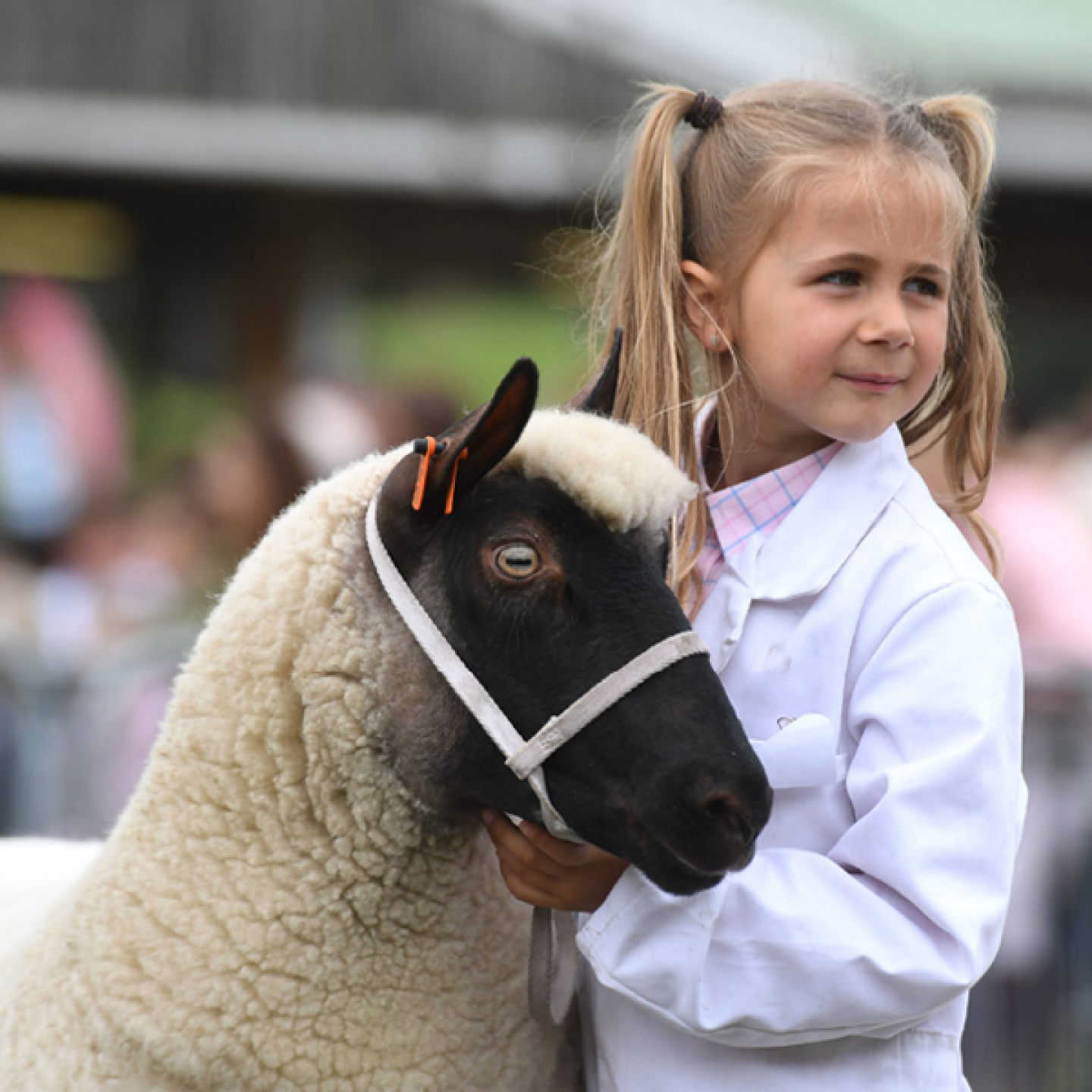
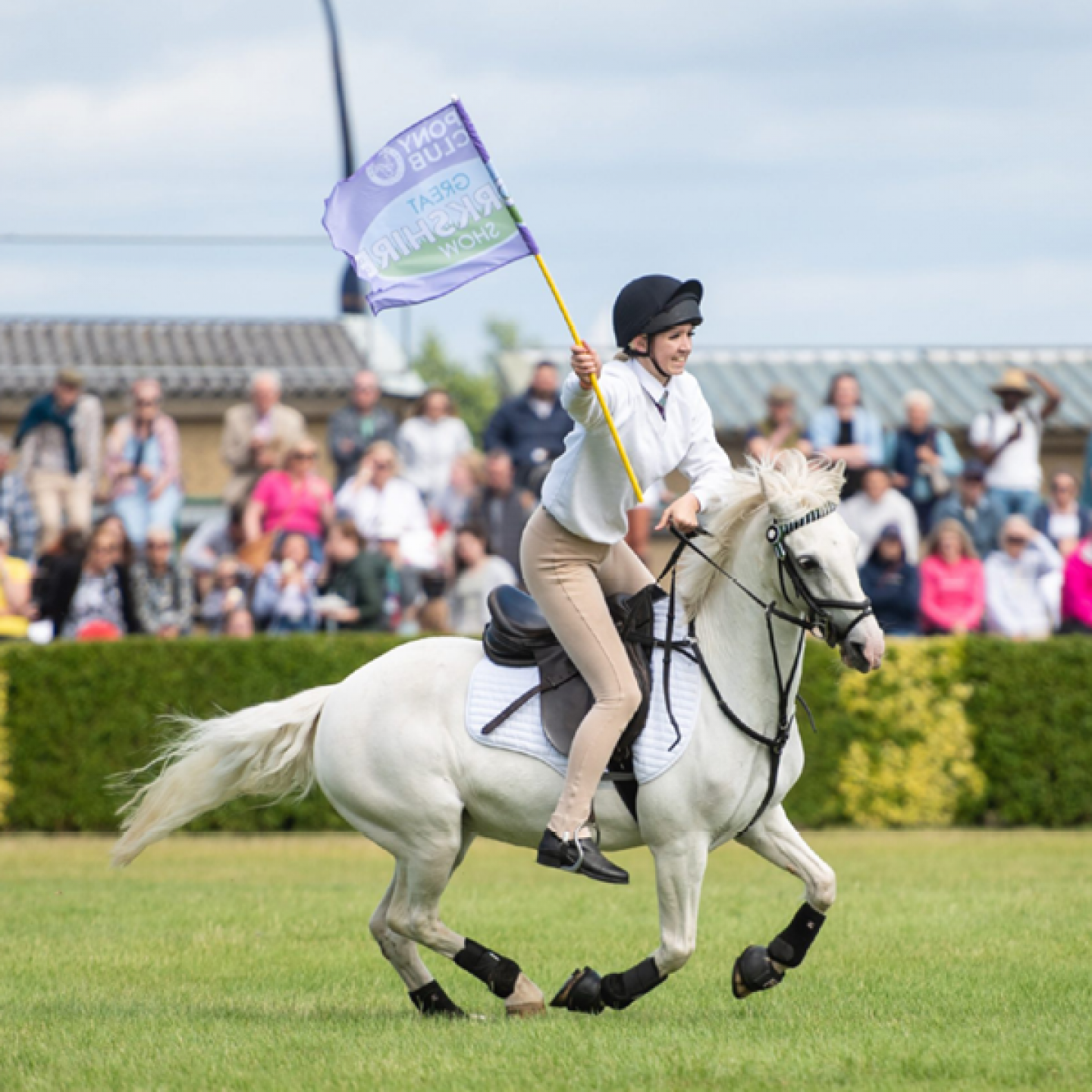
Visitors this year can expect to see packed rings with the very best British livestock on show, alongside the more quirky awards including People's Choice. ‘It's where we invite visitors to pick their favourite livestock in the rings,’ Amanda explains. ‘The whole aim of this competition is to educate the public in a slightly more casual way. The exhibitors seem to quite like dressing up and making it a fun thing.’
The equestrian offering is another highlight for visitors, and classes cover everything from native mountain and moorland to hunters, riding horses, cobs and many others. ‘Working with our honorary vet, Julian Rishworth, has enabled us to enhance welfare for horses and ponies during their time here, and that comes from addressing all sorts of issues,’ Amanda explains. ‘For example, in the early days it was simple things like changing the age limits on foals attending the Show from three to six weeks old as we felt this was too young. Interestingly, a lot of show societies have now also changed to six weeks.’
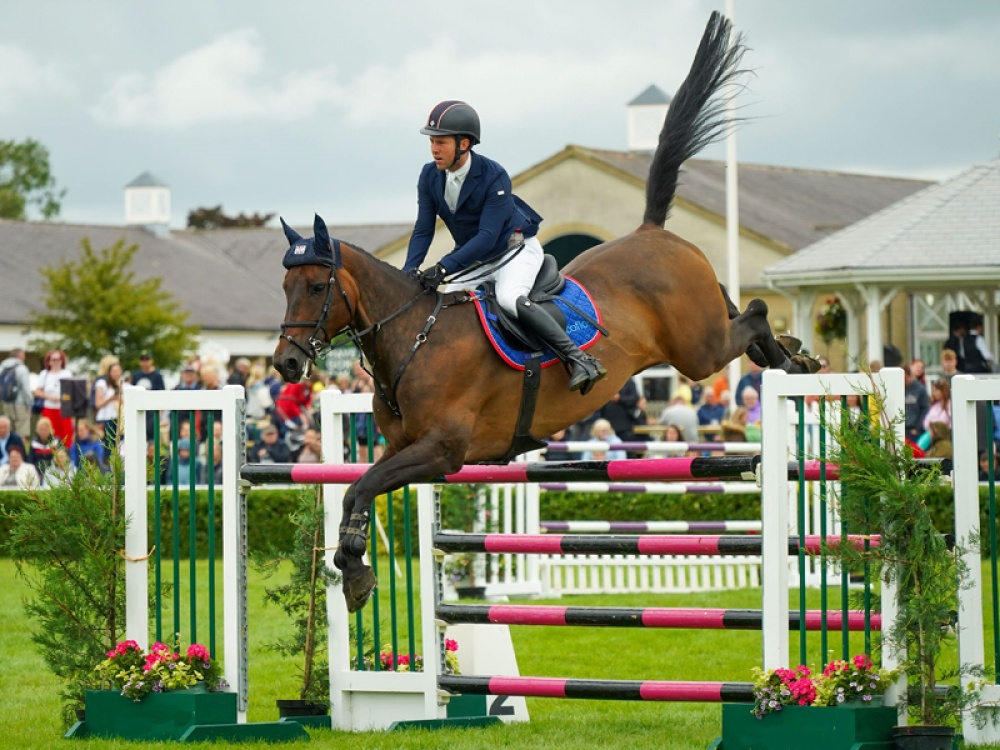
Rebecca is looking forward to all aspects of the Great Yorkshire Show, but highlights the Cock o’ the North showjumping competition as a firm family favourite. ‘The grandstand is always packed, and the showjumping is first class,’ she says. ‘You’re on the edge of your seat and I genuinely get an adrenaline rush just watching! I always enjoy catching up with friends and colleagues from across the industry, many of whom you only see once or twice a year, and it’s exciting to see the latest innovations in farming, from livestock genetics to machinery and technology. The Show really is a celebration of agriculture, food and rural life, and there's always a real sense of optimism and pride throughout the event.’
Rebecca hopes the sector can continue to produce sustainable, high-quality food, and that the relationship between farmers and consumers strengthens. ‘Ultimately, I'd like future generations to see farming as an exciting, respected and rewarding career,’ she says. ‘We need talented young people entering the industry, bringing fresh ideas and continuing the work of producing food, managing landscapes and supporting rural communities for years to come.’
‘That sense of community is so important and that is a great strength of the industry here in Yorkshire,’ agrees Amanda, who clearly hopes that the industry in Yorkshire continues to grow in the long term and for the community to continue supporting each other in a positive way, 'something that the Yorkshire Agricultural Society encourages all year-round through its work as a charity, bringing people together.’