
What Lymphatic Drainage Actually Does - And How to Do It at Home
It's time to drain the system...


Taking care of your lymphatic system is vital for energy, immunity, skin health and metabolism, and helps counter inflammation in the body. It can even affect our mood, making it a vital part of any wellbeing routine. It also needs regular attention, but the good news is that from self massage to simple breathing and lifestyle hacks you can get everything moving with ease.
Previously the domain of sculpting experts and in-spa manual treatments, lymphatic drainage is a specialised massage technique designed specifically to stimulate the flow of lymph fluid which helps to carry toxins, excess fluid and waste away from the tissues into the bloodstream to be eliminated or metabolised. Unlike the heart, the lymphatic system doesn’t have its own circulation so it is heavily dependent on movement, breathing and manual stimulation to keep lymph moving. When lymph flow is slow, or lymph gets stuck, the effects can show up in several different ways from puffiness to low energy, inflammation, frequent illness or just a general sense of heaviness and discomfort.
Why is it then, for something that plays such a fundamental role in how we feel day to day, most of us aren’t really aware of what the lymphatic system does or why it even matters? Because we don’t move as much, or as naturally as we once did, are exposed to longer term stress and often are sitting for long periods the lymphatic system doesn’t get enough stimulation to keep flowing freely. Our exposure to toxins through changes in lifestyle have also led to sluggish systems. We are continually exposed to toxins that need to be metabolised, including pollution, alcohol, medication, food additives and chemicals, skin care and even cleaning products. Dehydration is also a killer when it comes to the lymphatic system as lymph fluid is primarily water. When your body is dehydrated it hangs onto water, slowing the lymph system down.
Signs of a sluggish system can be subtle and are often dismissed as resulting from stress or hormonal imbalance. They rarely show up on blood tests. But if you are suffering from water retention, bloating, dull skin and fatigue amongst other things, then it could be that your system is slow.
So what is the best way to give your lymph some love?
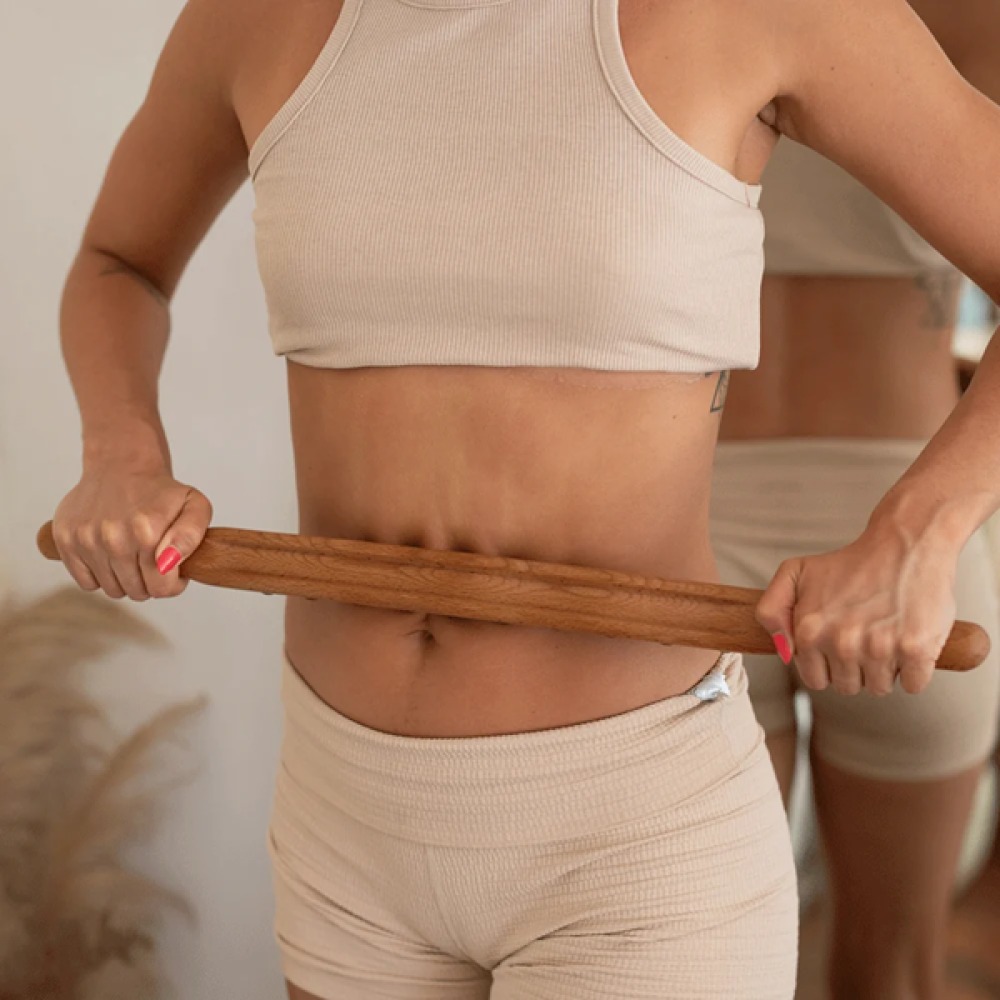
Lymphatic drainage massage is a gentle, rhythmic massage that helps move lymph fluid towards lymph nodes where it can be processed, allowing the body to naturally detox and rebalance. Unlike regular massage which concentrates on muscles, lymphatic massage works on fluid. It’s much slower and more precise, and lighter because lymph vessels sit just beneath the skin, so deep pressure isn’t necessary. Benefits can be immediate with less bloating, less puffiness, better overall circulation and a more sculpted appearance. Experts advise that regular treatments can result in long-term changes, retraining the system to work more efficiently, rather than just a temporary release.
And with so many of us unaware of the impact of a sluggish system, it seems we are often surprised by the benefits kickstarting the lymphatic system can bring. Which again might go some way to explaining why lymphatic drainage is now having a moment as more and more of us are only now understanding the impact of giving the lymphatic system some regular TLC.
Regular expert massage is of course ideal, but it does come at a price. So can you carry out lymphatic drainage effectively at home? Yes, is the answer, and it’s why you are seeing all those social media feeds full of hopping, trunk twists, dry brushing, massage and slow breath work. What experts do agree on is that whatever method you adopt, consistency is key. And it’s all about gentle, rhythmic movements. Overly aggressive massaging or movement can actually overstimulate the system and make you feel worse, not better. Aftercare is also important – hydration is vital to help flush toxins through the system.
How To Do Lymphatic Massage at Home
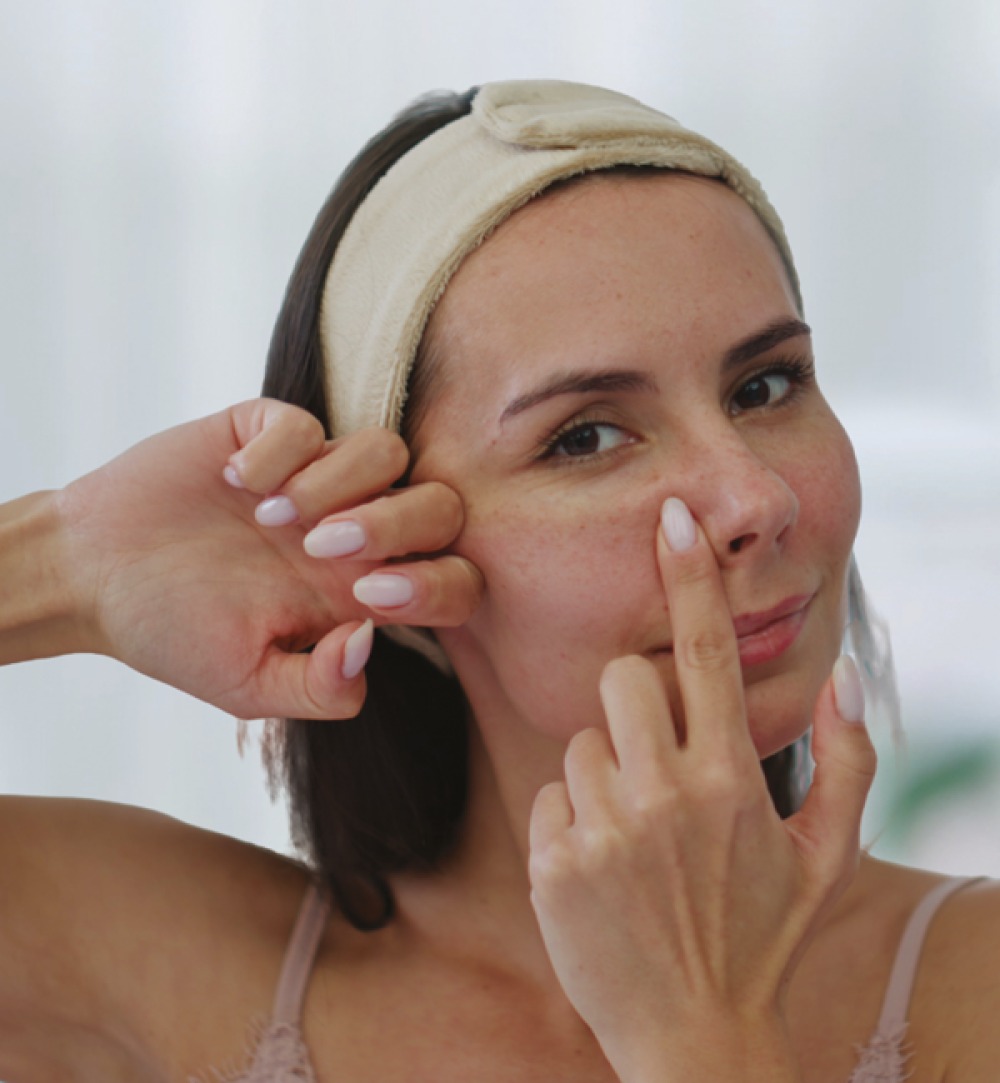
Always start at the neck as those lymph nodes are the primary drainage point for the upper body, so it’s a vital first step. Working on the face, start in the centre outwards but always finish with a downward sweep to direct fluid towards the neck. Body massage should focus on armpits, tummy and the backs of the knees where lymph nodes are clustered and where fluid tends to collect. Use gentle sweeping motions directed towards the heart and whether using hands or a toe (more of that later) a body oil helps hugely both for slip and for nourishing the skin. Regular and consistent massage as mentioned is more important than time spent, so aim for several sessions every week (five minutes daily on the face if you can manage) rather than one long one.
How to Get Your Lymphatic System Moving
Social media is full of wellness gurus hopping and swinging their way through daily routines in an effort to get everyone going in the morning. But is it really effective? Yes, we think so. The movements are based on the principle of encouraging circulation and lymph flow and only take a few minutes to wake up your system every day. There are many different versions but a simple, tried and tested one includes a minute of each of the following exercises; gentle bouncing, double arm swings vertical, single arms swings vertical, trunk twists, dead arm swings, marching with knee clapping, ballet squats and the horse stance (@mikerholland).
A more gentle, but still effective, way to start the day comes from Dr Perry Nickleston, with some gentle rubbing and tapping to get things moving, to be used alongside your daily body brushing.
Collarbone: Rub and tap around your collarbone, both above and below. Spend about 20 seconds on each side.
Upper Neck: Rub and tap the area just below your ear, where the jaw meets the neck. This is where the largest lymph node in the neck sits.
Armpit: Rub and tap the area under your armpit, where the lymph nodes are located. This helps drain lymph from the upper body.
Abdomen: Rub and tap around your navel in circular motions. This stimulates lymph flow in the abdominal region, which is critical for digestion.
Groin: Rub and tap along the crease of your groin. This helps to drain lymph from the lower body.
Behind the Knees: Rub and tap behind your knees. This is another key area for draining lymph from the lower extremities.
– The Tools to Help You at Home –
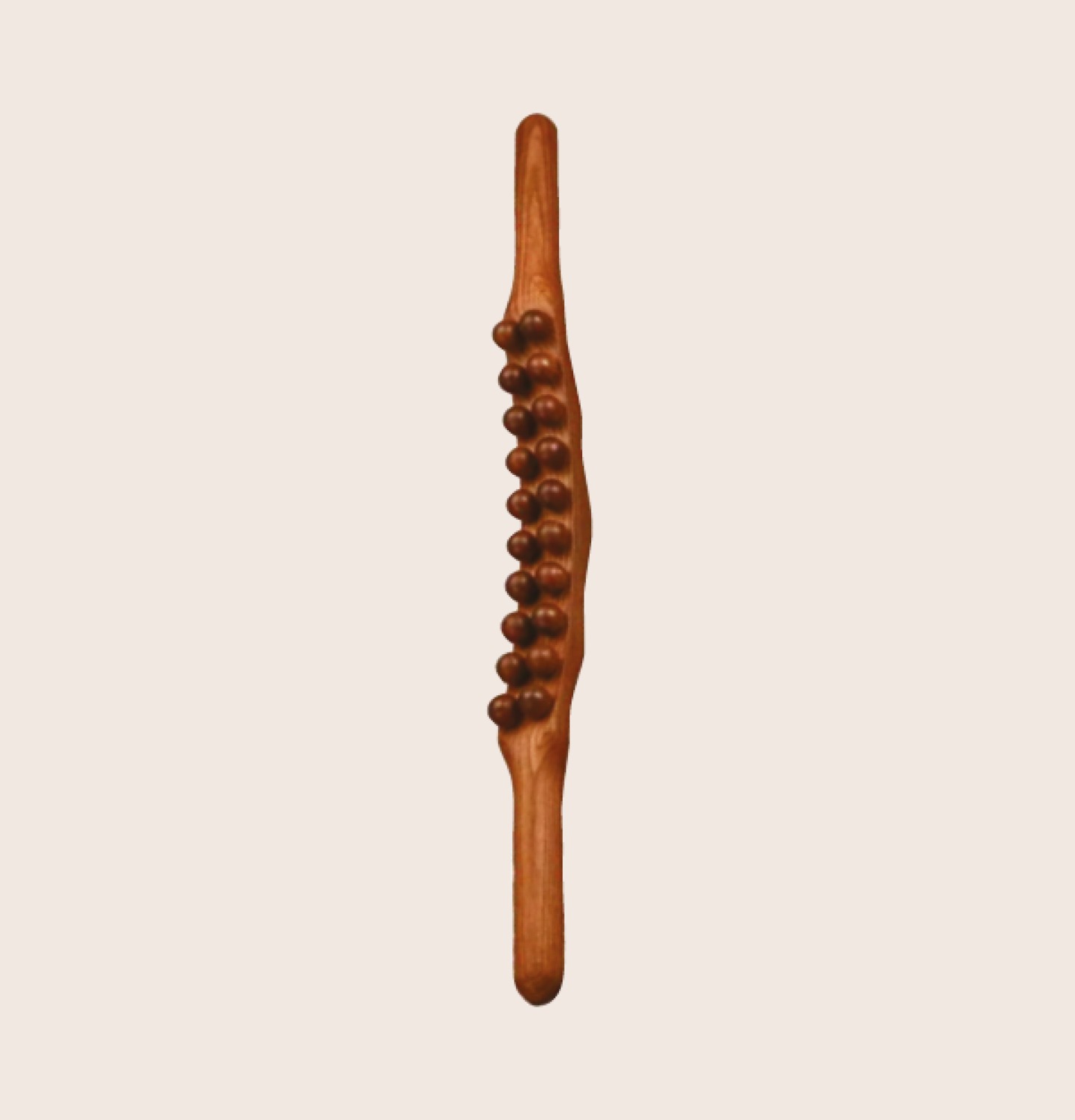
Body Therapy Bar
This gua sha therapy wand is designed to use on the body with rhythmic massage movements. The wooden balls along the bar stimulate lymph flow and circulation and relieve congestion.
Best Body Bar: Shiva Stick, £34 Shiva Wellbeing
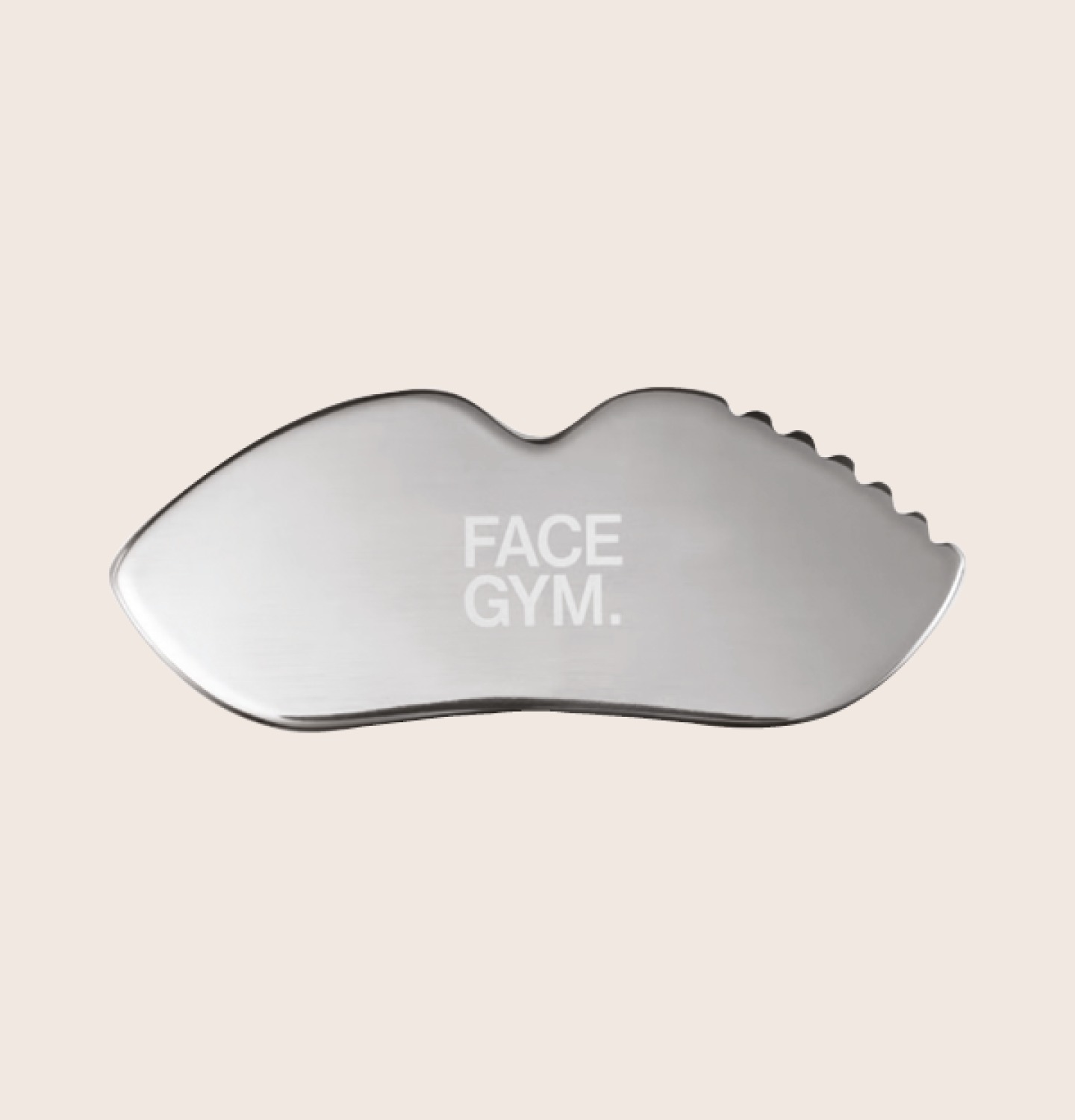
Facial Contouring
Gua sha is one of the most popular, and effective at-home tools for supporting lymphatic drainage and helping depuff and redefine facial features such as the cheekbones and jawline. There are many on the market, often made from jade or rose quartz, but we love FACEGYM’s stainless steel version.
Best Face Gua Sha: Multi-Sculpt Contouring Tool, £53 FACEGYM
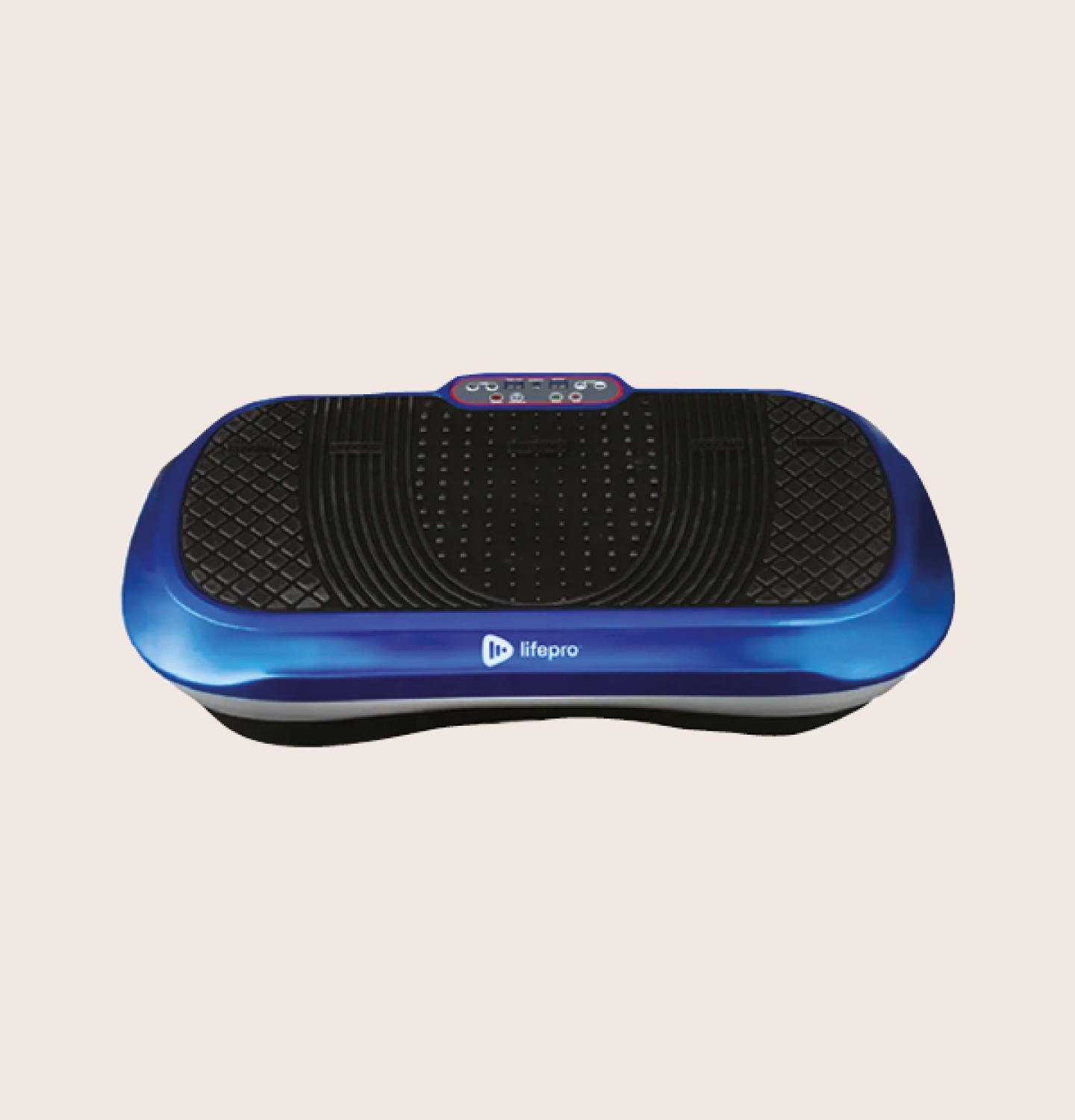
Vibration Plate
These were all the rage a few years ago but somehow seemed to fall out of the limelight, but a vibration plate can help improve lymph flow, circulation and muscle activation through gentle vibrating movement.
Best Vibration Plate: Waver Vibration Plate, £189.99 Lifepro
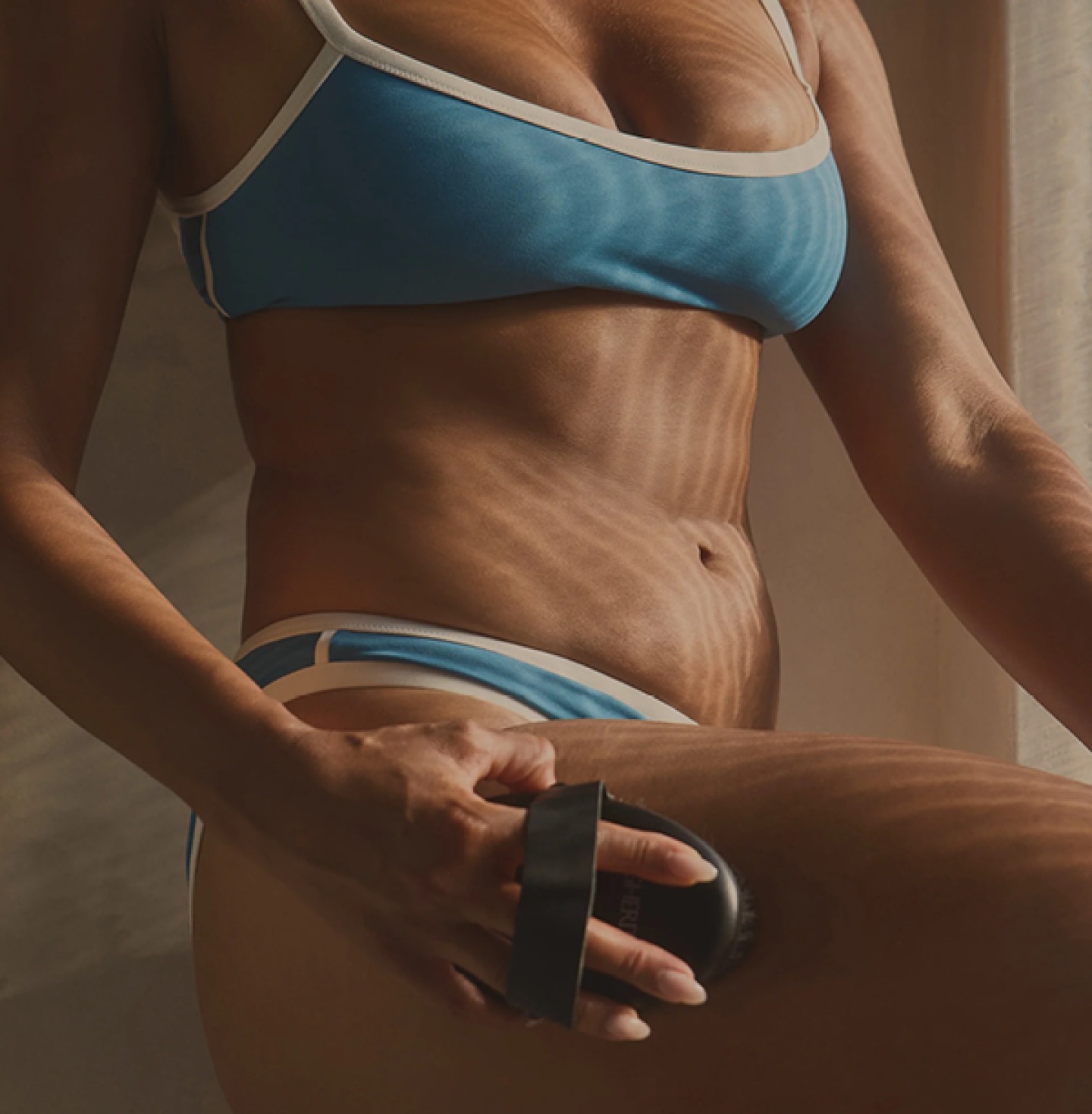
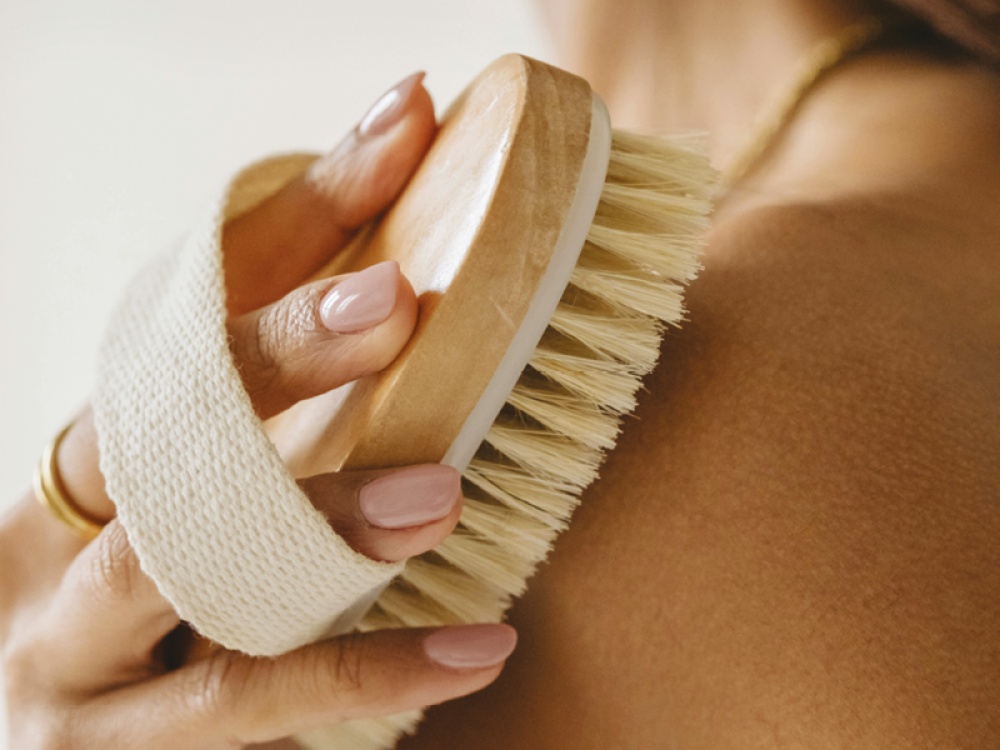
Dry Brushing
Long advocated for smoother skin and as an aid in the fight against cellulite, a pre-shower dry brushing session will boost circulation and help lymph flow, depuffing and clearing congestion. Use a natural body brush with firm but not harsh bristles for best results.
Best Body Brush: Supercharge Copper Body Brush, £69 Higherdose
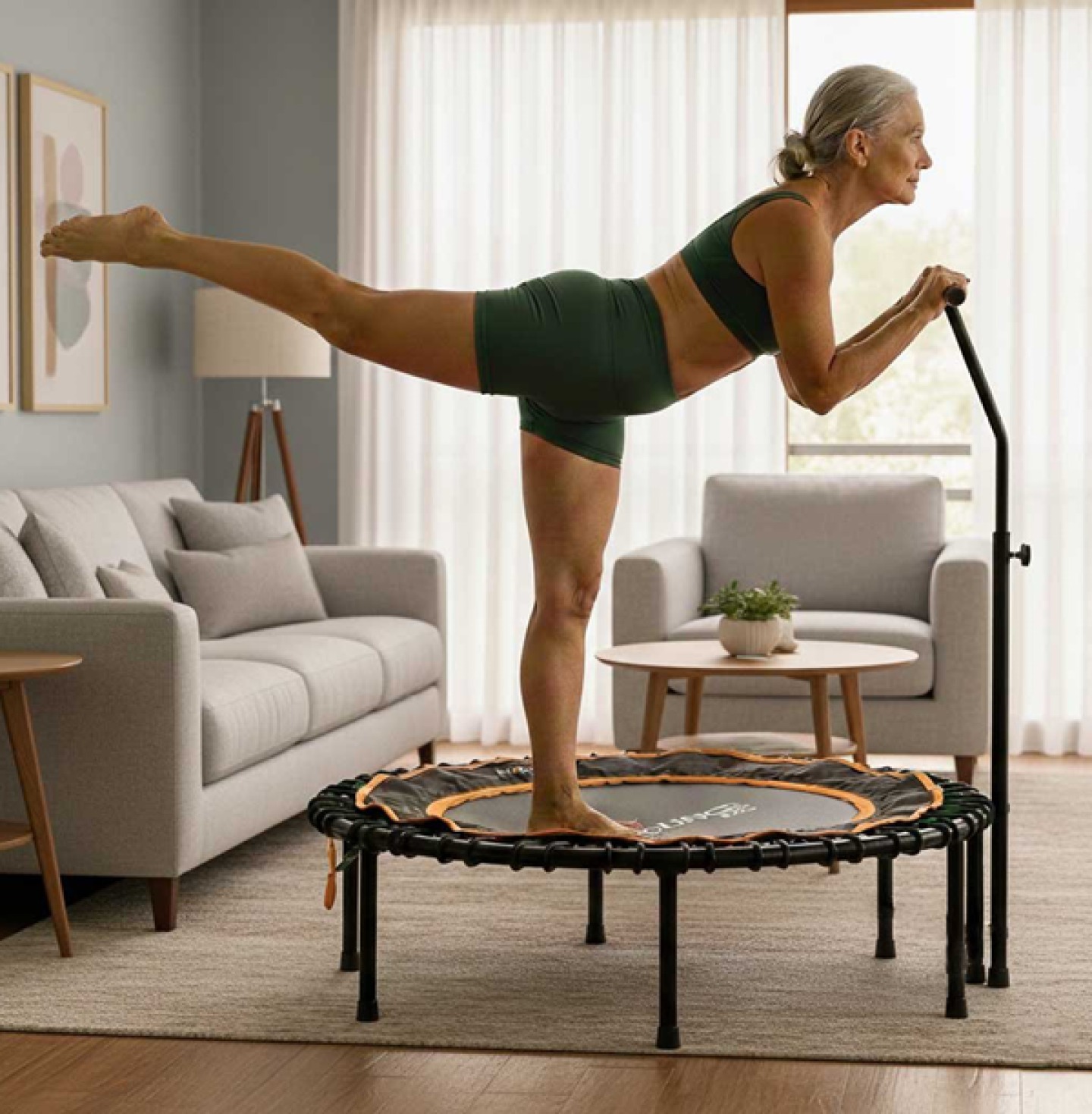
Rebounding
Jumping on a mini trampoline is a great way to support the lymphatic system. Short sessions of three or four minutes help pump the lymphatic system, stimulate circulation, and drainage.
Best Mini Trampoline: Rebounder Trampoline, £319 Fit Bounce