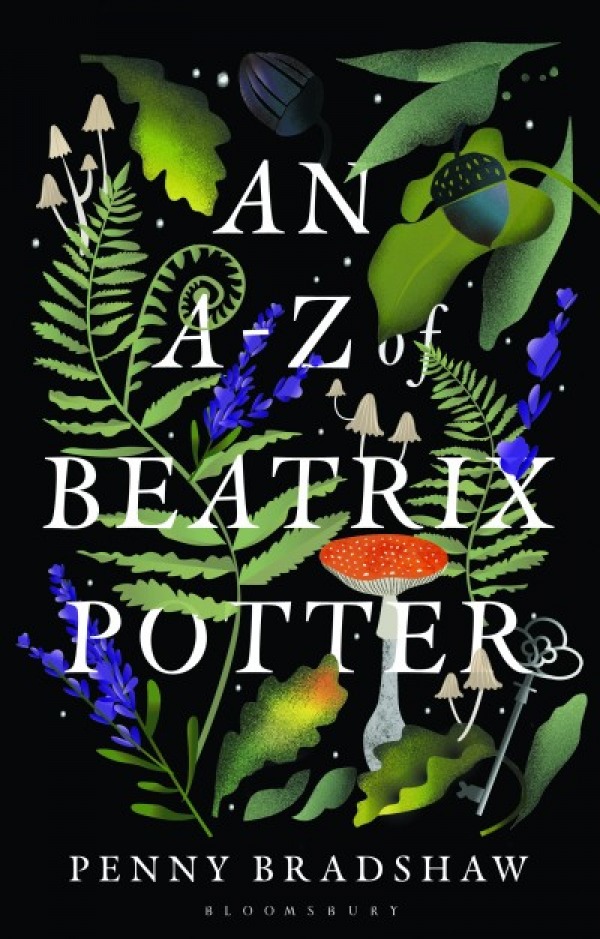
An A-Z of Beatrix Potter is available to buy now. For more information on Hill Top, visit nationaltrust.org.uk, and to keep up with The Beatrix Potter Society, visit beatrixpottersociety.org.uk.


Join Our World... Sign up for our exclusive newsletter.
Be inspired every day with Living North


To uncover the full picture of Beatrix Potter, we spoke to author and university lecturer Dr Penny Bradshaw about her new book, An A-Z of Beatrix Potter, which brings together a collection of short essays unpicking themes, motifs and influences from Beatrix’s vast archive of writing, and to Libby Joy, from The Beatrix Potter Society, who tells us about the enthusiasm that still exists for the writer. We also caught up with National Trust Property Curator Katy Canales, who cares for Beatrix’s home and archive at Hill Top in the Lake District.
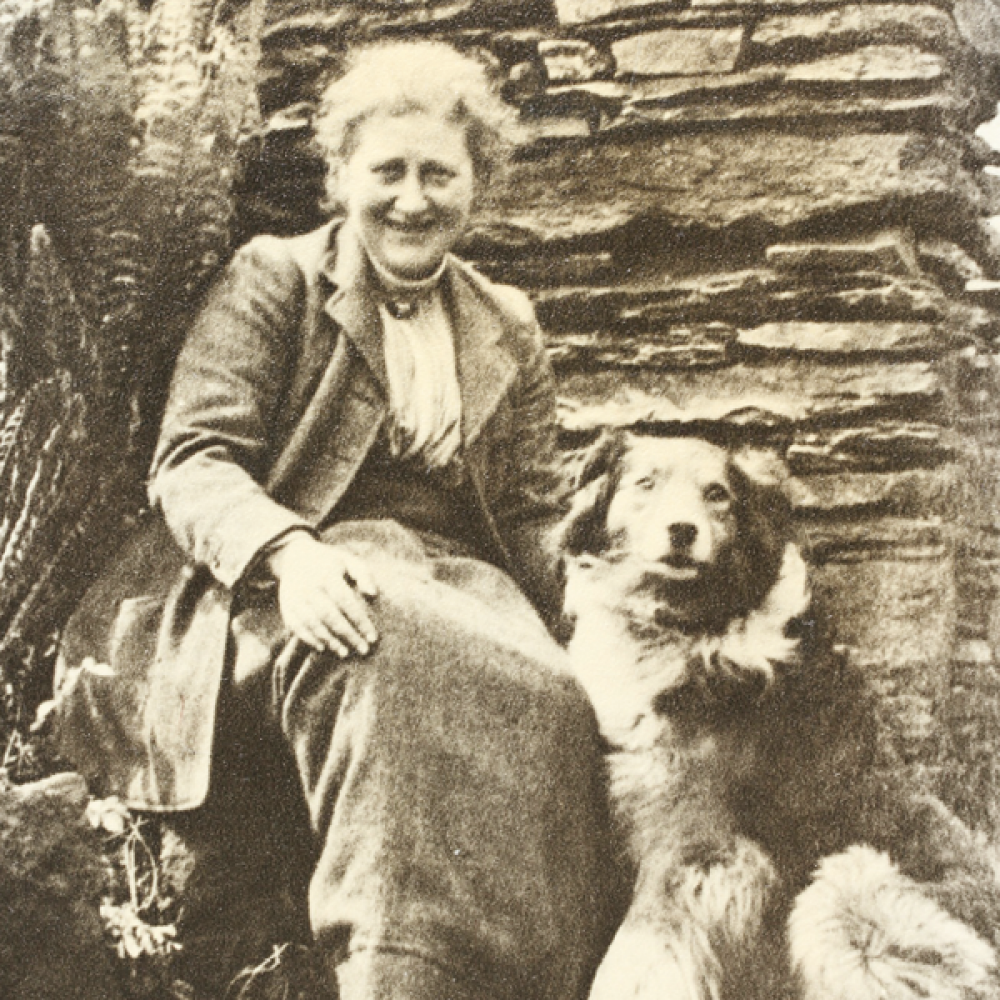
Penny, who has taught on Beatrix Potter for more than 20 years at the University of Cumbria, clearly wasn’t new to the writer when she began work on her most recent book, but still found herself surprised by what she uncovered. A key element of Beatrix that Penny feels is overlooked is her importance as an environmental writer. ‘That was definitely one of the points of inspiration for this book, because even though we study her in those terms, very few people talk about her relevance as an environmental writer,’ she explains. ‘One of the books we study on the MA is a book called The Fairy Caravan, published in 1929. It’s far less well known than the Tales, but to me it’s a really important piece of environmental writing. So I think it was that which really inspired me to start writing about her myself.’
Beatrix’s knock-on impact for children, even today, cannot be understated. ‘It makes her more important than ever at this moment in time. We know for example that levels of nature literacy are in decline at the moment. Words have been taken from the children’s dictionary like bluebell and acorn, because they’re seen as being as not in such common use for children anymore,’ says Penny. ‘Beatrix Potter stories give children a rich, imaginative encounter, not only with the words themselves but with the way they exist in the environment. A child gleans all sorts of ecological understanding from the stories but without didacticism, it’s all there in a very natural and beautifully presented way.’
The structuring of her book as an A-Z has allowed Penny to create a broad, three dimensional picture of Beatrix Potter, picking up on unusual elements like Beatrix during wartime, her fascination with the Gothic and uncanny, and her deep love of the Ginnett Circus in the Lake District. ‘I think a lot of people are not aware at all that she was a writer in a much wider sense. She had the itch to write as a teenager and her first experiments in writing are her journals which amount to about 250,000 words of prose,’ Penny says. ‘One of the disappointments of her life really is that she felt that in Britain people were looking at the pictures first and the words second. She said that her books were seen as toy books, not as literature.’
In contrast, Beatrix took her own work very seriously, rigorously editing and sharpening her prose. ‘This tells us quite clearly that she did see them as literature and she continued writing after the Tales project was over – she continued writing all the way through to the end of her life,’ Penny continues. ‘I think Potter, as a literary figure and as a more significant writer than simply the author of the famous Tales, is something I hope the book challenges.’
Libby Joy, current newsletter and journal editor for The Beatrix Potter Society is also keen to emphasise how multi-faceted the writer was, even outside her prose. ‘Basically there were three stages to her life. That’s how I like to explain it to people,’ she says. The first was her Victorian childhood which could be somewhat restrictive and stifling. The second was Beatrix’s move to independence with the writing of the Tales. ‘The first thing she wanted to buy was a printing press. That was her impetus, so she started selling her drawings on greetings cards and then ultimately the little books.’
The final substantial stage of her life was in the Lake District at Hill Top, where Beatrix dedicated her time to farming and land conservation, making her an environmentalist not only in writing but also in deed. On her death, Beatrix left the land she had bought up to protect from future development (totalling 15 farms and more than 4,000 acres) to the National Trust, and it remains one of the largest donations of land to the National Trust in its history.
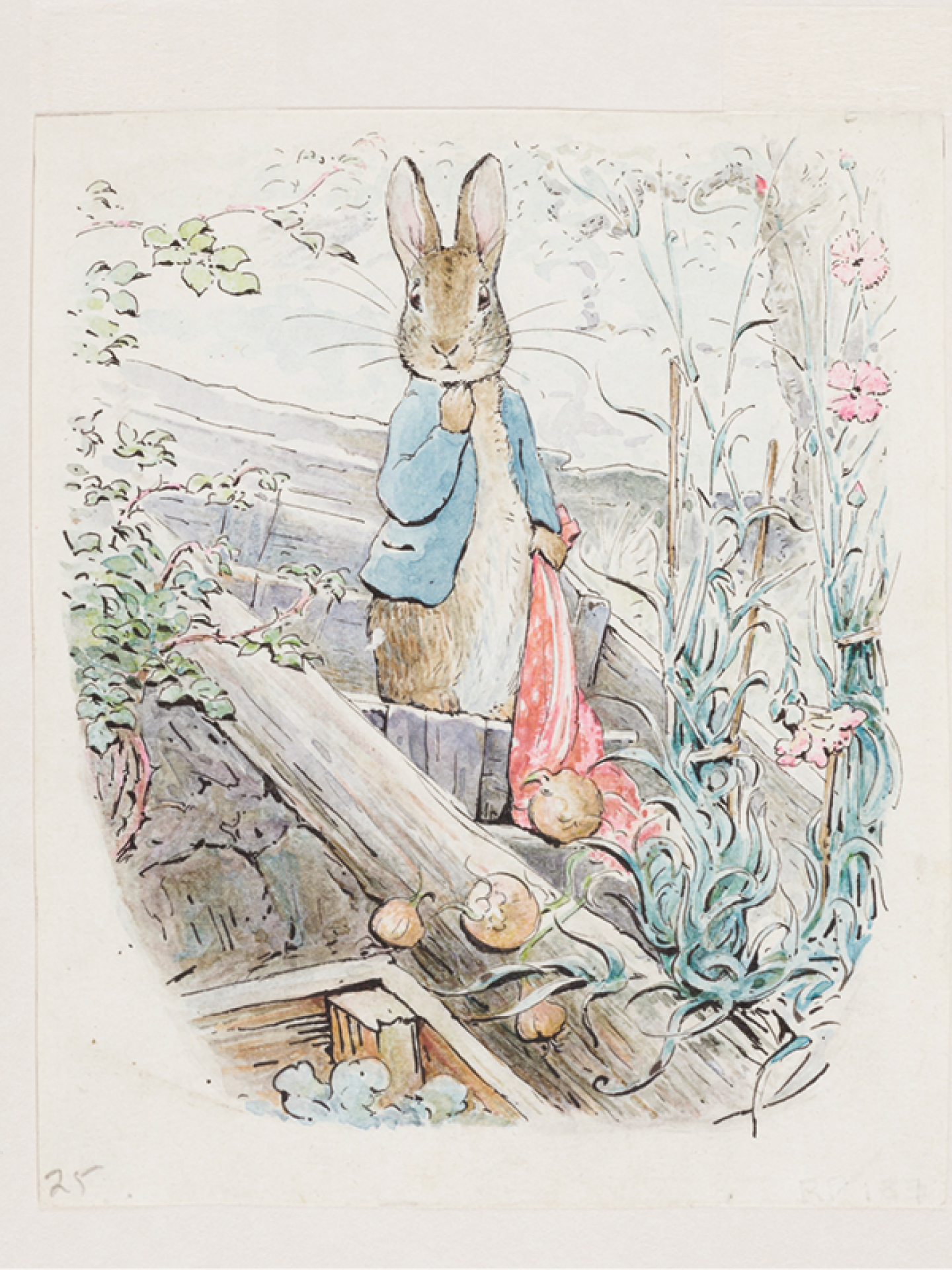
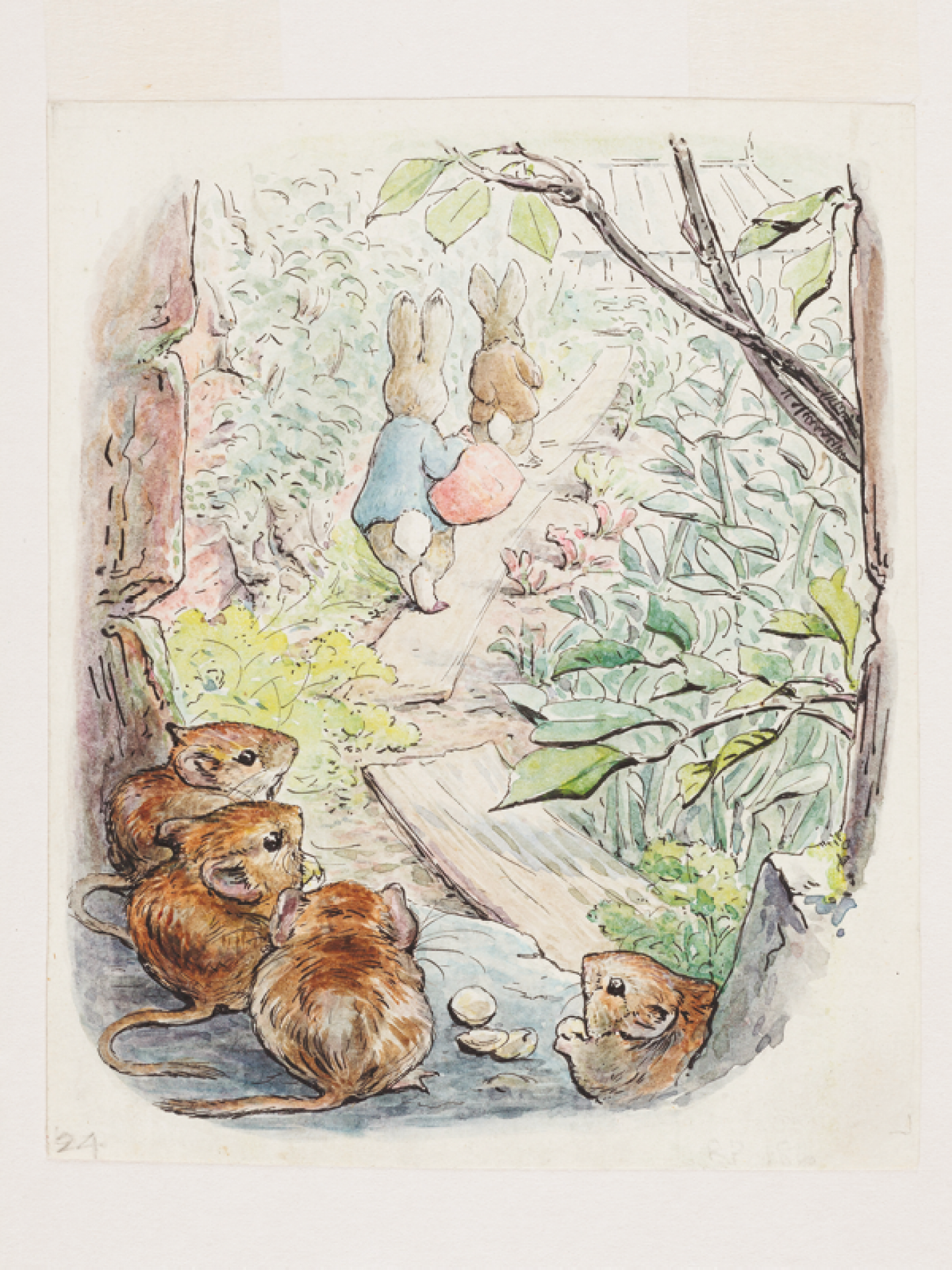
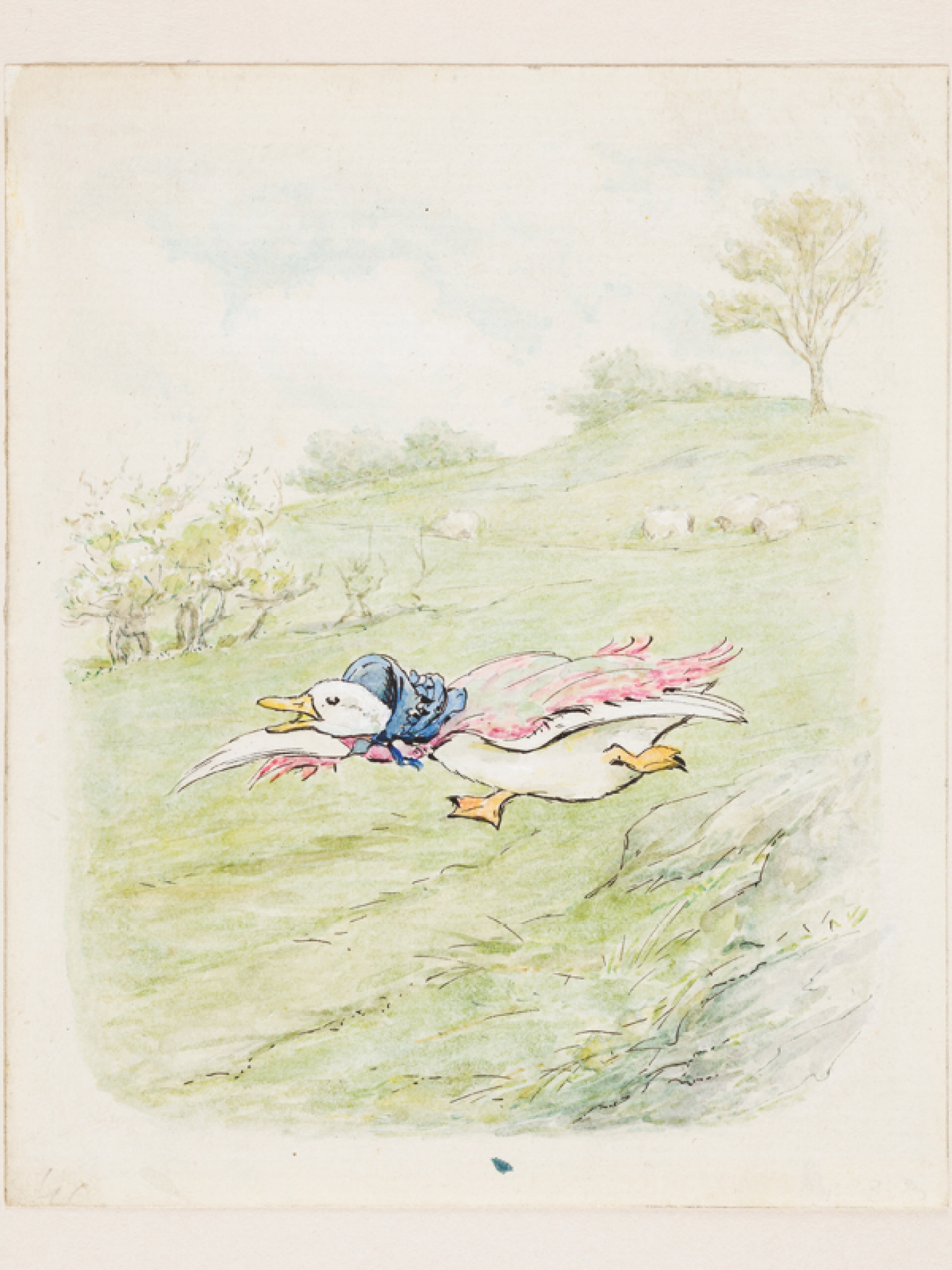
Shaping the Lake District is another element of Beatrix’s legacy which has been overlooked. ‘The bit of the Lake District that people visit and associate with Beatrix Potter, all of that would look very different if she hadn’t left that bequest,’ says Libby. ‘In her 60s when most people would be slowing down she was still actively running all the farms and learning about new farming methods and ways of improving her sheep stock. She was totally the newcomer so she had to work doubly hard to begin with to get accepted in the local community because not only was she a woman, but also somebody with no background in hill sheep farming. She must have been very determined.’
Libby knows firsthand how strong the interest in Beatrix Potter still is, more than 80 years after her death. The Beatrix Potter Society, set up 45 years ago, was created by a group of volunteers passionate about preserving the legacy and work of Beatrix Potter. ‘It came about really because they’d done a series of exhibitions and the public had woken up to the fact that there was more to Beatrix Potter than just the little books,’ Libby explains.
The society has since developed and expanded, and takes an educational approach to Beatrix Potter. ‘Its remit is to educate people about Beatrix Potter to try and help preserve her legacy, to promote it, and to just generally make people aware of who she was and what she did. We work with schools, museums and libraries and of course with the general public and with our members.’ The society hosts regular talks and events centred around Beatrix Potter and has found there is still a real appetite for the author, attracting attention from people all across the globe.
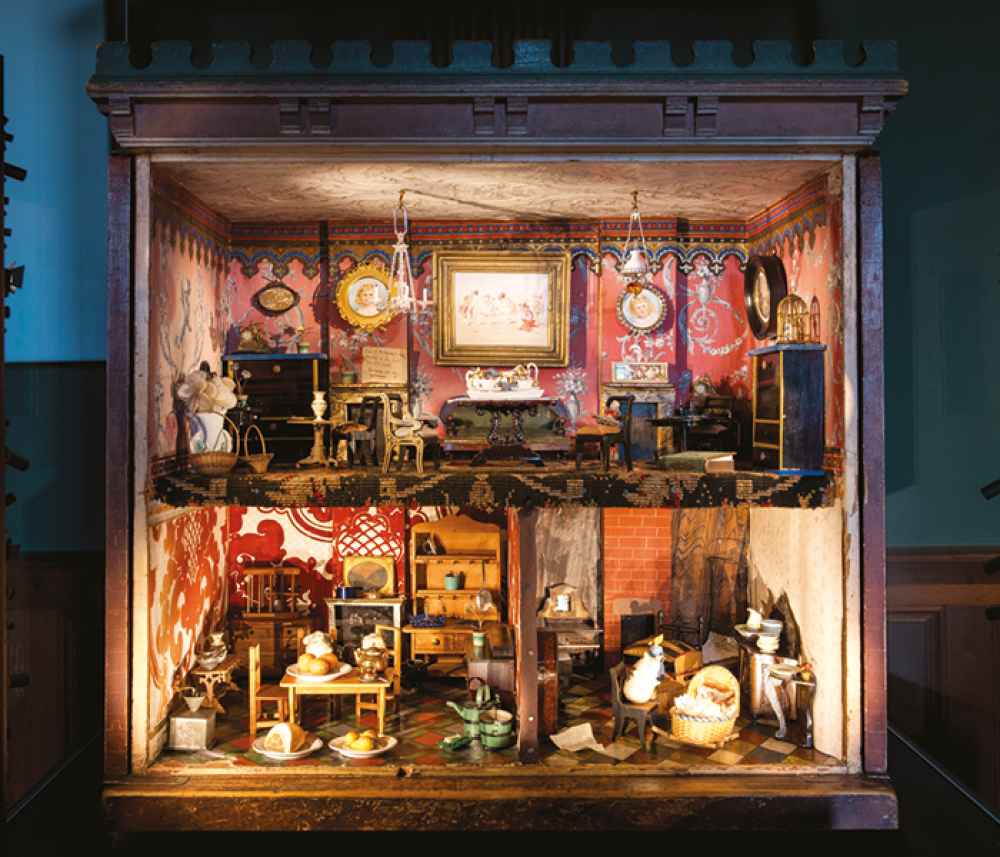
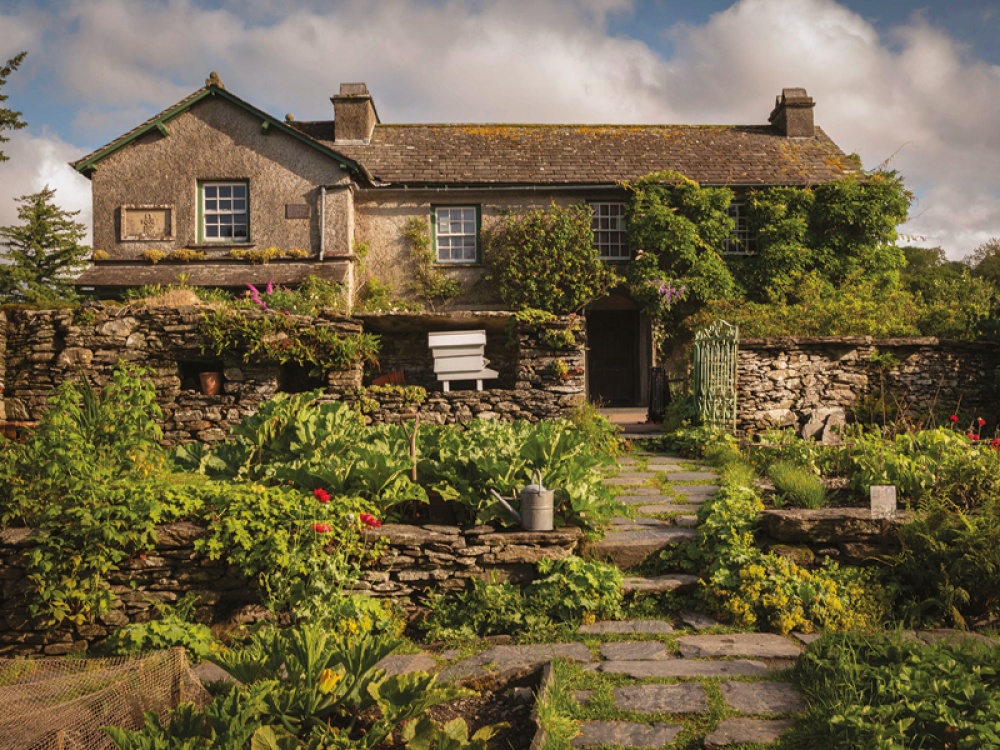
So much of who Beatrix Potter was can be found in her writing, but to get the full picture you need to travel to the Lake District. At Hill Top, her rural retreat, and now cared for by the National Trust, her presence is so felt that it’s easy to imagine she’s simply stepped into the next room for a moment, or is out walking and will be home soon. Katy Canales, Property Curator for Hill Top, believes bringing Beatrix Potter to life for audiences is a core pillar of her job, and stretches beyond the Tales.
‘I look after everything in the house, the house and the illustrations and manuscripts. I have one of the most joyful jobs in the world. I get to research Beatrix Potter, her life, her work, her connections and then I use that as a gateway to tell stories and to make those stories accessible to a range of different audiences,’ Katy explains.
Purchasing Hill Top, Katy says, was a moment of great grief and great freedom in Beatrix’s life. ‘When she starts making money from the sale of her book The Tale of Peter Rabbit, she starts looking for an opportunity to live in the Lake District and to branch out and to have a different chapter in her life,’ she says. After getting engaged to her editor Norman Warne, Beatrix put in interest to buy Hill Top. Tragically, Norman passed away only a month later, and Beatrix continued with the sale alone.
With the help of a tenant farmer and his family, Beatrix entered a period of her life marked by farming, livestock and creativity – echoes of which can be seen and felt at the property. ‘From Hill Top she writes 13 different stories. You’ll see the garden, you’ll see Tom Kitten and his sisters on the wall, you’ll see the Puddle-Ducks walking past on the path, you’ll see Jemima Puddle-Duck hiding her eggs in the garden, Tabitha Twitchit on the landing, and Anna Maria and Samuel Whiskers causing mayhem.’
For Katy, Beatrix’s writing and archive is an essential resource to finding new ways to bring her to life for visitors. Using construction receipts and unique conservation technology, Katy and the team are currently attempting to restore Hill Top room by room to what Beatrix had originally intended.
‘That’s something we’ve done this year. In the bedroom we commissioned stratigraphy, an analysis of the paint layers. It finds out all the different compounds that go into the different paints, and we can then date the paint and figure out when it was put on and what era it’s from,’ Katy explains. ‘That’s enabled us to figure out the original colours in her bedroom. We worked with Little Greene the paint company to match the paint colour from the analysis so that what we’re presenting now in the bedroom is a more accurate picture of what it looked like.’
The team are using this process room by room to present Hill Top as authentically as possible, also introducing a new comprehensive and sensitive lighting scheme and having the original William Morris wallpaper restored and cleaned. Katy also has big plans to bring the house to life at Christmas for the first time. ‘That is based on her letters and her illustrations around Christmas. I want that to be a wintry delight. We will have the smells of her recipes. She talks about the sounds of musical instruments and I want that to be playing. Everything relates to her writing and her illustrations.’
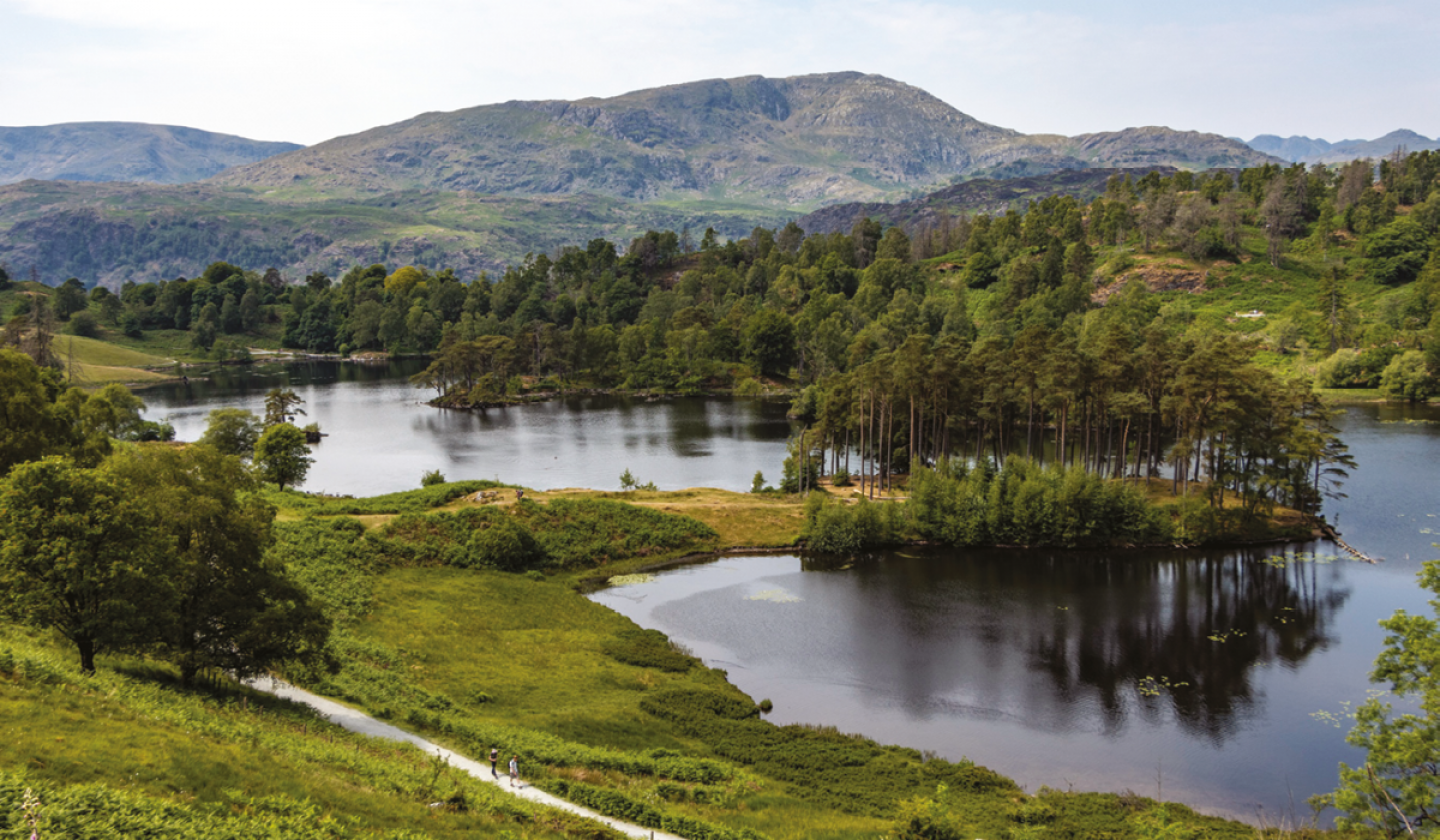
Katy understands that Beatrix was a complex figure and because of this, visitors encounter her and relate to her in different ways. Appreciating that has allowed the team to bring her to life more fully. Katy worked with rangers to see how they relate to Beatrix Potter the most. ‘I went back through Beatrix’s writing from the places she spoke about and cared about and thought were stunning, and then I asked our rangers which ones were their favourites – which places she had saved and they look after are the ones that strike them as the most beautiful or the most inspiring. Then we went and recorded our rangers in these different places.’
No matter how you relate to Beatrix Potter, Penny, Libby and Katy all make it clear that she was a remarkable figure, and a force of nature. ‘Beatrix is a remarkable role model and a role model who, when faced with set backs and rejection, repeatedly kept going and I think having that resilience is a really good model for us all,’ says Katy.
Penny agrees. ‘She has a reputation for being either a little bit stern, or having had quite a sad life. But just reading across her writing I found her incredibly funny. She’s very witty and even [in] the last weeks of her life, which were plagued with illness and the Second World War, her husband said she was cheerful to the end. I think her joy for life and her cheerfulness is something you get by reading right across her work.’
This summer, you can take part in the magic of Beatrix Potter across Newcastle and North Tyneside. Peter Rabbit: Tales on the Tyne from producers Wild in Art, The World of Peter Rabbit and Newcastle City Council, will be a free public art trail raising funds for St Oswald’s Hospice. This is the fourth art trail from the Hospice and will be a joint celebration of the charity’s 40th birthday and Beatrix Potter’s 160th. Expect to see a whole host of super-sized Peter Rabbits at iconic landmarks from mid-July until September.
An A-Z of Beatrix Potter is available to buy now. For more information on Hill Top, visit nationaltrust.org.uk, and to keep up with The Beatrix Potter Society, visit beatrixpottersociety.org.uk.