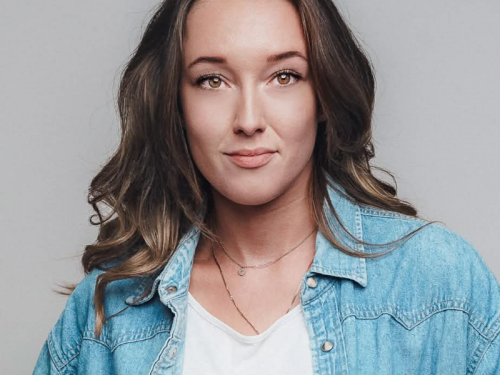
Meet The Founder of Melanoma-Me Foundation This Skin Cancer Awareness Month

In this month's look at the inspirational work of smaller charities across the region, and in recognition of Skin Cancer Awareness Month, Living North meet Kerry Rafferty at Washington-based Melanoma-Me Foundation


‘My cancer nurse, who was an amazing support to me, asked whether I’d ever consider using my background as a counsellor and hypnotherapist to support others going through melanoma. That question planted the seed. Once my surgeries and investigations were over, I knew I wanted to turn my experience into something positive.’
Kerry set up a community interest company, which later became the Melanoma-Me Foundation. ‘What began as counselling and peer support has grown into an incredible charity offering emotional, psychological, and practical support to anyone affected by melanoma,’ she says. ‘The charity was created because I personally experienced the fear, trauma, and isolation that come with a melanoma diagnosis. I recognised a huge gap in emotional and psychological support, and I wanted to ensure that no one else had to face melanoma alone.
‘My mission was – and still is – to provide immediate, specialist support at the moment people need it most, without waiting lists or barriers.’
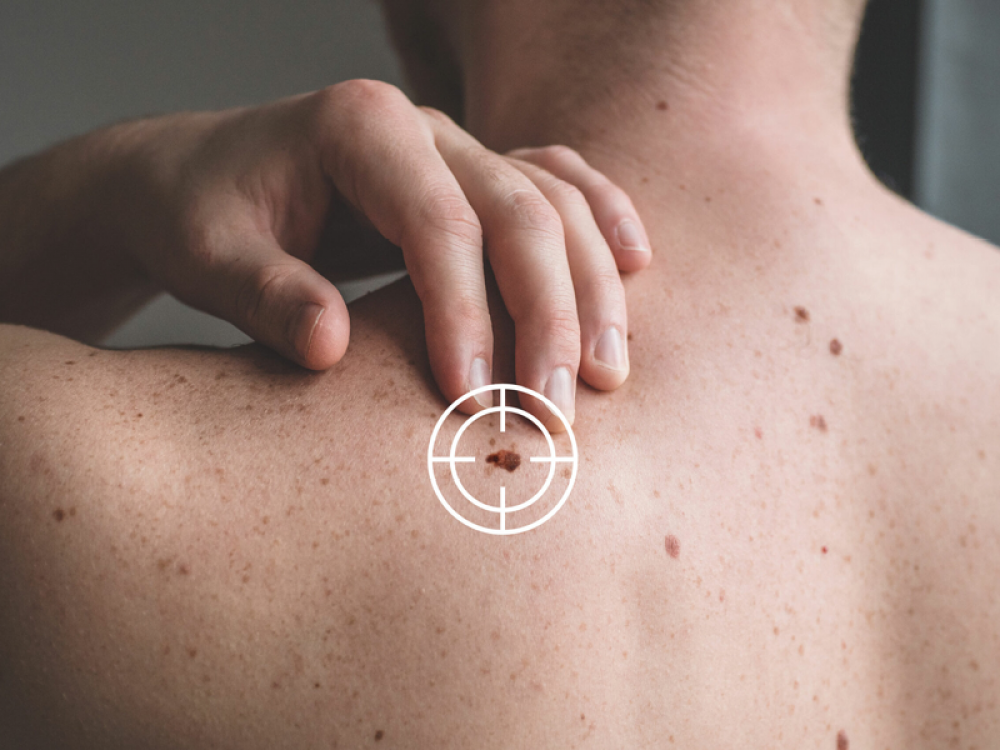
Over the years, Melanoma-Me Foundation’s services have expanded significantly. Today the charity offers emotional and psychological support (free one-to-one counselling, support for trauma, anxiety, fear, and adjustment, and two online peer support cafés facilitated by counsellors and people with lived experience). The charity also offers holistic therapies including reiki, reflexology, Indian head massage and mindfulness and practical support, including remote support across the whole of the UK from a team of 10 trained counsellors who understand the emotional, physical, and psychological impact of melanoma.
The online course TIME Training has been created to help professionals who work closely with the public recognise the signs of melanoma. ‘This training has already led to over 70 melanomas being discovered that may otherwise have been missed,’ says Kerry.
‘Our greatest achievement is being able to offer free, immediate emotional support to people affected by melanoma – without waiting lists. Many describe our services as a lifeline.’
The charity has supported thousands of people through counselling, peer groups, and holistic therapies, helped save lives through TIME Training and awareness campaigns, built a strong, compassionate community of patients, carers, and families and created national awareness campaigns that challenge unhealthy behaviours and promote vigilance.
‘We also host major events throughout the year, including Legacy Live Festival (30th May at Chester-le-Street Town FC), a full day of music, food, shopping, and awareness activities,’ says Kerry. The Shine Bright Campaign is targeted at young people and schools, and the charity also hosts Beauty Awareness Campaigns and The Butterfly Ball (in November) held in memory of Amanda Seymour, celebrating the community and honouring the journeys of melanoma patients and their families.

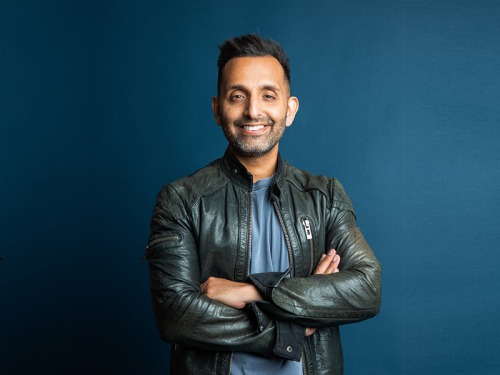


'My biggest hope is for the charity to become fully self-sustainable so we can continue offering free support without worrying about where funding will come from'
This Skin Cancer Awareness Month, and every other day of the year, Kerry’s advice is to be vigilant with your skin and check for any changes. ‘Learn the signs and symptoms of melanoma,’ she adds. ‘Remember: UV radiation, not heat, causes most skin cancers. Check UV levels daily. Protect your skin with SPF, loose clothing, hats, and sunglasses. Seek shade whenever possible. If you are awaiting diagnosis or living with melanoma you are not alone – reach out for emotional support early. Keep a diary of symptoms, questions, and emotional changes. Bring someone with you to appointments if you can. Anxiety and uncertainty are normal – seek mental health support. Avoid doom scrolling; use reputable sources. Prepare questions for your dermatologist. Monitor moles using the ABCDE rule. Reach out to support services – waiting can be the hardest part.’
There are many ways to support the Melanoma-Me Foundation. ‘Get involved in our awareness campaigns,’ advises Kerry. ‘Attend Legacy Live. Sponsor the charity to help us continue offering free support. Donate via our website Fundraise through events, challenges, or community activities. Volunteer your time or skills. Share our posts on social media to raise awareness. Book TIME Training for workplaces to improve early detection.
‘My biggest hope is for the charity to become fully self-sustainable so we can continue offering free support without worrying about where funding will come from. Looking ahead, I hope to ensure everyone affected by melanoma knows about our services and can access support from the moment of diagnosis, expand our counselling services to reach even more patients and families, increase melanoma awareness across the North East and beyond, grow TIME Training so more professionals can recognise early signs, build stronger community partnerships, and maintain long-term sustainability so our support remains free and accessible.’