
This is the New Way to Enjoy Shows For Less in the North East
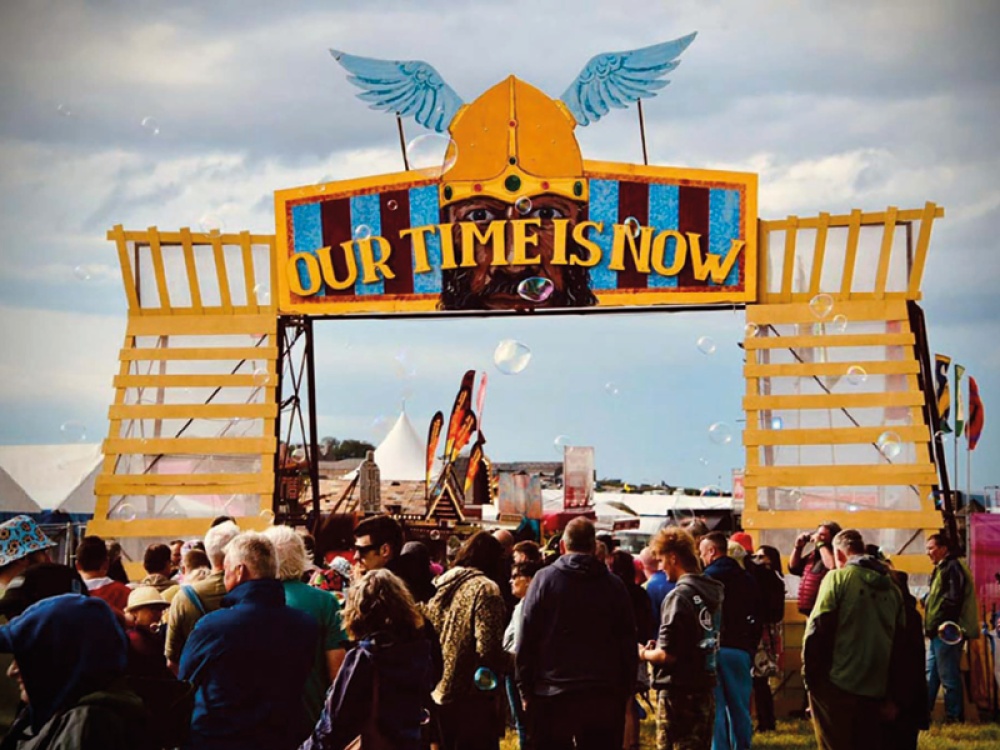
Lindisfarne Festival founder and entrepreneur Conleth Maenpaa has launched a new ticket subscription to help more people discover and experience live events across the region



INLET gives members access to tickets for live events, major festivals, and headline gigs across the North East. With one membership, you can attend curated experiences across Newcastle, Sunderland, and Durham, and further afield, without paying for individual tickets. Following the launch of its new app, INLET is now expanding its offering, giving subscribers access to more exclusive ticket opportunities for gigs, comedy, festivals and other live experiences for just £5 per month. Grassroots venues, major concerts and large-scale festivals are all now working with INLET. For those wanting to explore the platform first, a Freemium tier is available, offering limited access to selected events.
Conleth built Lindisfarne Festival from scratch, and it was whilst running the festival that he had the idea for INLET. ‘I had no real experience, so [the festival] was a bit of a baptism of fire but we grew it to a good level,’ says Conleth. ‘We always had really good feedback. There was always the need, especially in the beginning, to get extra people to the event but there was no real easy, direct route to get extra people at relatively late notice. It’s not straightforward when you’re looking last minute to find people to add the extra atmosphere and get the extra revenue. So I had this idea in the back of my mind for years.’
The idea stems from a belief that too many people are missing out on great experiences happening on their doorstep. ‘There are hundreds of thousands of events which aren’t sold out, and there is a need for the venue or promoter to get extra people there in order to spend and add atmosphere,’ explains Conleth, ‘I worked on it and developed the idea and towards the end of last year I thought, let’s get going on this, because there are so many events which need people and it helps everybody really. It’s a win-win.’
Conleth admits it was a bit chaotic to begin with. ‘We didn’t necessarily have the people and we didn’t necessarily have the events for people to go to,’ he says, ‘but over the course of the last year we’ve built an app and have started really letting the world know about us.’
Subscribers receive alerts when new ticket drops go live and can claim tickets through the app, often with the option to bring multiple guests. The idea is that they will step out of their usual haunts and discover new venues, events and artists. A venue gets a new customer, an artist gets a new fan, and the customer enjoys live entertainment at a discount.
INLET operates with built-in accountability measures so they can get meaningful insight – members check in at events, provide feedback and confirm their spend. A points-based system also promotes reliability and discourages repeated no-shows. ‘It’s a relatively new concept and it is a building process,’ Conleth admits. ‘We have a good number of people on our books and it’s rising quite rapidly. I think the word is beginning to get out. The beauty of INLET is it can move into anything that’s ticketed and that needs people.

‘Money is tight for people and most of the grassroots venues, and even big acts are struggling to fill places, so this is just a way of helping – it supports everybody. It supports the person who wants to go out but doesn’t necessarily want to commit all that money, and it helps out the venue. On top of that, the way I see it is kind of like “the Netflix of live entertainment” or “the Netflix of going out”. You don’t know where you’re going to go out to, but you’ve got a whole list to choose from.’
Conleth is passionate about where he lives, so his focus is on our region right now, but INLET could grow into much more. ‘We’re doing well in the North East, but I hope to do even better. I don’t know if I’m the man to do it, but I think this could go global in all honesty. I don’t know whether I’ve got the fight for a massive organisation, but realistically it could ensure that venues survive. It could ensure people have a fuller social calendar and it also means the artists can get more attraction from different people who wouldn’t necessarily go to see them, so the upside is massive.
‘I think we just sort the North East out first, then we’ll probably move into different regional locations – that could be Edinburgh, it could be Glasgow, or it could be Leeds – but maybe expand our market into other genres too. We had classical music, for example, and that went really down well with our audience. We could move it into the student market as well, theatre and comedy (which we’re touching but we’re not even scratching the surface). There’s a wide open playing field for us to work in.’